PCD SPECIAL | SUBNAUTICA 2 | THE WATER WAS NEVER JUST A SETTING
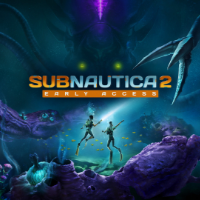
A survival game usually begins with a problem. Hunger, thirst, cold, monsters, tools, a broken shelter, a world that wants the player to work before it allows comfort. Subnautica did all of that, but then it added something most survival games still cannot copy properly: the feeling that the world is beautiful enough to pull you forward and strange enough to make you hesitate. That is the real strength of Subnautica. Not only the crafting. Not only the base building. Not only the creatures. The first game made survival feel like curiosity under pressure. You were scared, but you still wanted to go deeper. You needed resources, but the resource hunt often became exploration. You built equipment to survive, but every upgrade also became permission to enter a place you were not emotionally ready for yet. Subnautica 2 has a difficult job because of that. It does not only need more ocean. It needs the same kind of contradiction: beauty and danger living in the same water. The sequel can add co-op, new biomes, new tools, new creatures and a larger Early Access road, but the core magic has to remain simple. The player should look at the ocean and think two things at once: I want to go there, and I really do not want to go there.
originality is still the biggest advantage
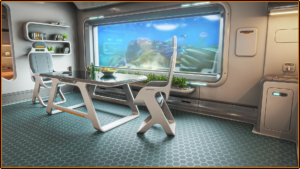
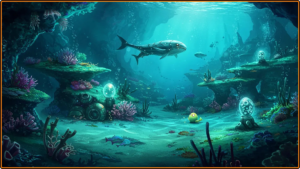
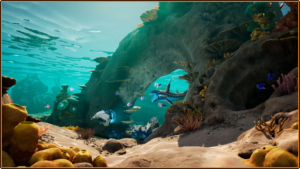
Subnautica was original because it did not treat the ocean like a level theme. It treated the ocean like the main character. That is why the series still feels different even after years of survival games, crafting games and open-world exploration titles. A forest can hide danger. A desert can exhaust the player. A frozen world can punish mistakes. But an alien ocean does something else. It surrounds you completely. It takes away the simple comfort of standing on solid ground and makes every direction feel uncertain. That is a huge part of the magic. In most survival games, the player can look at the horizon and understand the space. In Subnautica, the horizon is above you, below you and somewhere in the dark where visibility ends. You are not just moving through a map. You are entering layers of pressure, color, sound and depth. Even a peaceful dive can change the moment the light fades or the sea floor suddenly disappears beneath you.This is the advantage Subnautica 2 inherits. The sequel does not need to explain why its world is different from other survival games. The ocean already does that. What it needs to do is make that ocean feel alive again: beautiful enough to invite exploration, strange enough to keep the player curious, and dangerous enough to make every deeper dive feel like a decision. That one idea changes almost everything. Movement feels different. Sound feels different. Distance feels different. Light matters differently. The player is not just walking into danger; the player is floating inside it. Even when nothing attacks, the water creates pressure. A shadow below you can be enough. A sound behind you can change your whole route. A dark drop-off can feel like a decision instead of scenery. That is the kind of originality Subnautica 2 has to protect. The sequel does not need to become bigger just for the sake of being bigger. It needs to stay strange. It needs to keep that feeling that the world is not built around the player’s comfort. The best Subnautica moments are not always the scripted ones. Sometimes it is just the first time you see a new biome and realize you have no idea what lives there. This is why we rate the project so highly before the final version. There are many survival games, but very few have a setting that changes the player’s body language. Subnautica makes players slow down, look around, listen, turn back, try again, and then go deeper anyway. If the sequel keeps that identity, it already has something most games spend years trying to find.
| – status – | early access |
| – release – | early access/may 14, 2026 |
| – genre – | survival adventure |
| – developer – | unknown worlds |
| – publisher – | unknown worlds/krafton |
| – platform – | pc, xbox series, x/s |
| – focus – | ocean exploration & survival |
| -score-b-score- | 88/100 |
the ocean must feel alive, not just larger
A new alien ocean sounds exciting, but size alone will not be enough. Subnautica works when the world feels connected, layered and alive. The player has to feel that each biome has a personality, not just a color palette. A safe shallow area should not feel like a tutorial box. A deeper zone should not feel like a bigger room with stronger enemies. The ocean needs rhythm. The first game understood this very well. Progression was not only about better gear. It was about emotional permission. You could technically go somewhere, but that did not mean you were ready. A new vehicle, oxygen upgrade or depth limit was exciting because it opened a door in your mind. Suddenly the deep was not only a threat; it was a question you could finally answer. Subnautica 2 needs that same structure. Every new tool should make the world feel wider, but not safer in a cheap way. Every new biome should bring wonder and discomfort together. Every creature should feel like it belongs to the ecosystem, not like it was placed there only to attack the player on schedule. The best version of this sequel is one where exploration still feels personal. Not checklist exploration. Not “clear the map” exploration. Real exploration. The kind where the player stops for a second because the water changed color, the light disappeared, or something moved in the distance and the game did not explain it.
co-op is exciting, but it has to be careful
Optional co-op is the biggest structural change, and it could become either a strength or a problem. On one side, exploring an alien ocean with friends sounds fantastic. Four players building, diving, discovering creatures and panicking at the same time could give Subnautica 2 a long life, especially on PC and Xbox. Survival games often benefit from shared stories, and Subnautica has the kind of world that naturally creates them. But Subnautica was never only about survival systems. It was also about isolation. The quiet mattered. The empty water mattered. The feeling that nobody was coming to help mattered. That loneliness gave the first game a very specific tension. If co-op turns the ocean into a group expedition full of jokes, noise and constant safety in numbers, some of that pressure could disappear. The good news is that co-op is optional. That matters a lot. Subnautica 2 can still be a solo survival experience first, while giving groups another way to play. The challenge is making both versions feel valid. Solo should not feel like the “less complete” version. Co-op should not feel like a tacked-on side mode. Both need to respect the ocean. If Unknown Worlds handles this carefully, co-op could expand the series without breaking it. Friends can make the ocean more accessible, but the water still has to feel bigger than the group. The world should not become harmless because four flashlights are pointed at it.
early access fits this series better than most
Early Access is not always a good fit for every game. Some projects lose momentum, some feel unfinished for too long, and some use player patience as a shield. Subnautica is different because the first game already proved that this kind of development can work when the world grows with the community. Watching an alien ocean expand over time can actually become part of the experience. That does not mean players should ignore caution. Subnautica 2 is not a finished 1.0 release. Early Access means missing content, changing systems, bugs, balance problems and a world that will keep evolving. Some players should absolutely wait. There is nothing wrong with wanting the complete version. Still, the Early Access model makes sense here because discovery is central to the game. New biomes, new creatures, new craftables and new story pieces can give the community reasons to return. If updates are steady and meaningful, the ocean can feel like it is growing in public. That is more fitting for Subnautica than for many other survival games. The important part is trust. Unknown Worlds has to communicate clearly, update consistently and avoid stretching the process until excitement turns into fatigue. The foundation is strong, but Early Access only works if players feel that the game is moving forward.
the series has always understood fear without horror labels
Subnautica is not usually sold as a horror game, but it understands fear better than many games that are. It does not need haunted houses, gore or loud shock moments. It uses depth, silence, oxygen, darkness and unknown movement. The ocean does half the work before any creature appears. That kind of fear is elegant because it comes from the player’s own imagination. The game does not always have to show the danger. Sometimes it only has to suggest that the water is too deep, too dark or too quiet. The player fills in the rest. That is why Subnautica can be peaceful and terrifying in the same session. Subnautica 2 should protect that balance. It can add more creatures, more tools and more systems, but it should not turn every danger into a combat problem. The strongest fear in this series comes from vulnerability, not from fighting. The player should survive by preparing, observing and respecting the environment, not by becoming the strongest thing in the ocean. If the sequel remembers that, it can stay original even while expanding. The ocean should not become a battlefield first. It should remain a place the player is lucky to understand for a few minutes at a time.
the new world needs its own identity
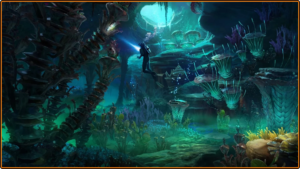
A sequel cannot only rely on the memory of the first game. Subnautica 2 needs its own ocean, its own visual identity, its own creatures and its own emotional rhythm. Players should recognize the DNA, but they should not feel like they are simply returning to a remixed version of Planet 4546B. That is where the promise of a fresh alien ocean matters. New biomes can do more than provide different resource locations. They can change the mood of the game. A biome can feel warm, sick, ancient, mechanical, fragile, hostile or strangely calm. That variety is where Subnautica can be special. The player should not only ask “what do I need here?” but also “what kind of place is this?” Creatures are just as important. The series works best when wildlife does not feel like standard enemies. Some creatures are threats. Some are strange neighbors. Some are beautiful from a distance and terrifying up close. Some should make the player curious before they make the player run. Subnautica 2 has room to create a world players talk about for years, but only if it builds its identity carefully. The ocean has to feel new, not just larger. Different, not just improved.
score before score | 88/100
Subnautica 2 gets a Score Before Score of 88/100 based on available information, shown material, the Early Access plan, the confirmed direction of the sequel and the strength of the first game’s identity. This is not a final review score. The real test will come through gameplay, update quality, biome variety, co-op balance, story delivery and how well the new ocean holds its mystery over time. The score is high because the concept remains one of the most original in survival gaming. Subnautica is not powerful because it has the most systems. It is powerful because its setting changes how players feel. The alien ocean gives survival a different language: depth, oxygen, silence, visibility, pressure and curiosity. That is still the series’ biggest advantage. The caution comes from expansion. Co-op could help the game grow, but it could also soften the isolation if handled badly. Early Access could make the world richer, but it could also stretch the wait if updates lose focus. A new ocean could feel fresh, but only if it has its own identity and not just more content. That is why 88/100 feels right for this PCD Special. The potential is huge, but the sequel still has to prove that it can expand without diluting the thing that made Subnautica different in the first place.