PCD SPECIAL | ALIEN ISOLATION 2 | NO RELEASE DATE…PLENTY OF PRESSURE
A door that takes two seconds too long to open can be scarier than an entire room full of enemies. That was the real power of the first Alien: Isolation. It made small things feel dangerous: the save terminal, the motion tracker, the sound above the ceiling, the short walk between one hiding place and the next. Nothing had to explode. The game knew that panic works better when it has space to breathe. That is the pressure Alien: Isolation 2 has to carry now. The first game did not just use the Alien well; it gave the creature its weight back. It made the player feel watched, hunted and constantly one bad decision away from losing control. For a licensed horror game, that was rare. For an Alien game, it was exactly what the series needed. The sequel does not need to prove that the Xenomorph is frightening. We already know that. What it needs to prove is harder: that Creative Assembly can build a new place, a new rhythm and a new kind of pressure without sanding down the helpless feeling that made the original so good.
the original fear has to evolve, not repeat itself
Alien: Isolation did not become respected because it was easy to like at first glance. It was slow, stressful, sometimes cruel, and not always interested in making the player comfortable. That was also the point. The game understood that real horror does not always come from what attacks you. Sometimes it comes from waiting too long, hiding too quietly, and not knowing if the thing hunting you has already changed its path. That design gave the first game a long life. Over time, Alien: Isolation became one of the most respected survival horror games on PC because it stayed committed to its own rhythm. It did not chase action. It did not treat the Alien like a normal enemy. It built fear out of systems, sound, darkness, unreliable safety and the constant feeling that the player was only borrowing time. That is the foundation the sequel has to protect. At the same time, Alien: Isolation 2 cannot rely only on nostalgia for Sevastopol. The original station was one of the strongest horror locations in modern gaming. It felt broken, abandoned, corporate and unsafe even before the Alien appeared. Every light, vent and terminal seemed to belong to a world that did not care if the player survived. But repeating that same structure too closely would weaken the surprise. The sequel needs new pressure. Tight corridors can still deliver the claustrophobic fear that made the first game work, while exterior spaces could create a different kind of discomfort. A storm, poor visibility, open ground, distant machinery and nowhere truly safe could make the player feel watched rather than trapped. That is exciting, but risky. Larger areas can weaken horror if they give too much distance or too much comfort. Alien: Isolation 2 has to make open space feel dangerous, not freeing.
the alien must remain a system, not a spectacle
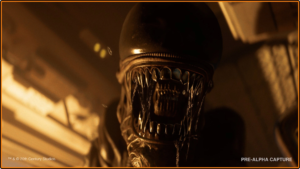
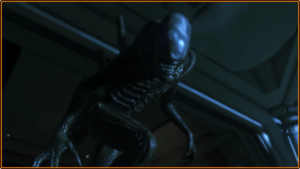
The Xenomorph should never feel like a normal enemy. It should not be there just to appear in scripted moments and scare the player on schedule. The first Alien: Isolation worked because the creature felt like a system moving through the world, not a simple horror prop. For the sequel, that idea matters even more. A smarter Alien cannot only mean a faster Alien. It should be a creature that punishes habits, reacts to player behavior and makes repeated tricks feel less reliable. If players can solve the game with one safe pattern, the fear will disappear quickly. The Alien has to remain unfair in the right way. Not cheap, not random without logic, but oppressive. The player should feel that survival is possible, but control is never complete. That is the thin line this series lives on.
the sequel has to grow without losing its nerve
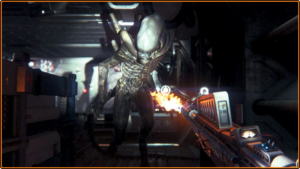
There is always a dangerous temptation with sequels to make everything bigger, louder and easier to sell. More weapons, more combat, more enemies, more cinematic noise, more obvious moments for trailers. That kind of thinking could damage Alien: Isolation 2 very quickly if Creative Assembly is not careful. The first game did not earn respect because it made the player feel powerful. It earned respect because it understood how fragile survival can feel when the player is trapped inside a system that does not care about comfort. Alien: Isolation belongs to the quieter side of the Alien universe: broken machinery, emergency lights, corporate negligence, metal corridors, bad signals and a creature that turns every small decision into a risk. The sequel can grow, but it should not confuse growth with action. The best version of Alien: Isolation 2 is not the one where the player becomes a stronger fighter. It is the one where the player becomes more experienced, more careful and maybe a little smarter, but still never fully safe. That same logic applies to the story. Alien: Isolation 2 should not exist only to remind players that the first game was great. Nostalgia can open the door, but it cannot carry the whole game. A new protagonist and a new setting are important because the sequel needs its own fear, not just familiar noises and old memories. It needs a place that feels wrong before the Alien even fully appears. A remote colony world, a Weyland-Yutani presence and a mixture of interiors and exteriors could give the game a wider shape while keeping the same oppressive DNA. The corporate horror matters here almost as much as the monster itself. The Alien hunts the player, but the world around it should explain why survival feels disposable, why people were left exposed, and why every system seems built to fail someone at the worst possible time. If the writing, environmental storytelling and pacing are strong, Alien: Isolation 2 can stand beside the original instead of living under its shadow. That is why expectations are so high. Some games get sequels because the market asks for them, but Alien: Isolation feels closer to the kind of game players kept alive by refusing to stop talking about it. The first game was not perfect, but it had nerve. It had a clear identity, and it stayed loyal to that identity even when it made the experience slower, harsher and less immediately comfortable. Creative Assembly already proved once that it can make the Alien frightening in a game again. Now the question is whether the studio can do it twice, with more space, more technical ambition and more pressure from players who know exactly what made the original special. Alien: Isolation 2 does not need to rebuild survival horror from the ground up. It needs to remember why the first game worked, then push that fear into new places without making it softer, safer or easier to ignore.

a 1st and 3rd person option would be a brave extra
There is one feature we would like to see, even if we know it is not simple to do properly: an option between first-person and third-person view. The original Alien: Isolation worked beautifully in first person. That perspective made the player feel trapped inside the moment, close to every sound, vent, shadow and unsafe corner. Still, a third-person option could bring another kind of fear. Seeing the character move through a dark corridor, watching body movement, distance, posture and scale inside a hostile environment can also create tension. Dead Space, Resident Evil, Silent Hill, The Last of Us and The Callisto Protocol all show that third-person horror can feel heavy, cinematic and personal when the camera is handled with care. If you ask our small editorial corner, this option would be welcome in more games of this type. Not because it is easy. It is not. Camera perspective affects animation, level design, hiding, aiming, sound, enemy behavior and the entire way fear is delivered. But as a player-facing option, it could make atmospheric horror more flexible without automatically weakening the core design. For Alien: Isolation 2, first person should probably remain the main language. That is where the series feels most intimate and dangerous. But a carefully built third-person option would not be a bad thing at all. It would give players another way to experience the same world, as long as the Alien remains the center of fear.
score before score | 90/100
Alien: Isolation 2 gets a Score Before Score of 90/100 because the foundation is extremely strong. The original game earned trust through atmosphere, patience and one of the best uses of a licensed monster in gaming. If the sequel keeps that philosophy while expanding the setting, it has a serious chance to become one of the most important survival horror releases on PC. This is not a final review score. There is no final release date, and the real test will be gameplay. The Alien has to feel intelligent without becoming unfair in a cheap way. The new environments have to expand fear without turning it into open-area comfort. The story has to justify its return without depending only on nostalgia. But the expectations are high for a reason. Creative Assembly already proved once that it understands this universe better than most studios would. If that same respect survives in the sequel, Alien: Isolation 2 could be more than a return. It could be a proper evolution.