SPECIAL | THE WITCHER IV | BEYOND GERALT’S SHADOW
A narrow village path ends beside a wooden platform, an anxious crowd gathers beneath a darkening sky and a young woman is sent toward something the people have already decided must be fed. Ciri arrives not as a princess, heir or visitor protected by somebody else’s sword, but as a professional monster slayer carrying the consequences of a choice she made for herself. The Witcher IV begins a new saga for CD PROJEKT RED’s open-world RPG series and places Cirilla at its centre, moving beyond Geralt of Rivia without pretending that his presence can simply be removed from the world he helped define. The official reveal presents a brutal dark-fantasy setting where monsters are only one part of the danger, while fear, ritual and human certainty remain capable of producing tragedies no contract can fully resolve. CD PROJEKT RED describes the game as a single-player open-world RPG following Ciri’s story as a professional monster slayer, but a release date has not been announced. The studio has also shown an Unreal Engine 5 technical demonstration set in the previously unseen region of Kovir, although both CD PROJEKT RED and Epic Games stress that this presentation demonstrates the technological foundation of the project rather than final gameplay. The most important facts are therefore already clear, even while much of the game remains concealed: Geralt is no longer the playable centre, Ciri has entered the profession, and the next Witcher cannot survive by repeating the structure of Wild Hunt with a different face.
ciri must become more than geralt’s replacement
Choosing Ciri is both the safest and most dangerous decision CD PROJEKT RED could have made. She is familiar enough to preserve emotional continuity, but powerful, politically significant and personally complicated enough to transform the series if the studio allows her identity to shape the game completely. Geralt’s appeal came from experience. He entered villages already understanding how superstition, poverty, politics and monsters usually interacted, and much of Wild Hunt’s strength came from watching a tired professional recognize familiar patterns inside unfamiliar tragedies. Ciri offers a different rhythm. She may possess extraordinary history and abilities, yet becoming a professional witcher places her inside a role she was not raised to perform in the same conventional manner. That creates room for uncertainty, ambition and the feeling that the path is still being defined rather than merely continued. Her relationship with ordinary people should also be different. Geralt was often treated as an unwanted necessity, tolerated until the creature was dead and the payment negotiated. Ciri carries names, bloodlines and associations capable of changing how rulers, sorcerers, villagers and surviving allies approach her before she speaks. The new saga will become far more interesting if those histories are not reduced to background references. She should not behave like Geralt with faster movement and a different voice. Her impatience, empathy, anger, confidence and unusual understanding of power need to influence contracts, dialogue and the way she reads the world around her.
| – status – | in development |
| – release – | tba |
| – genre – | action/rpg/open world |
| – developer – | cd project red |
| – publisher – | cd project red |
| – platform – | tba |
| – focus – | ciri/monster hounting/choices… |
| -score before score- | 93/100 |
the profession should feel earned again
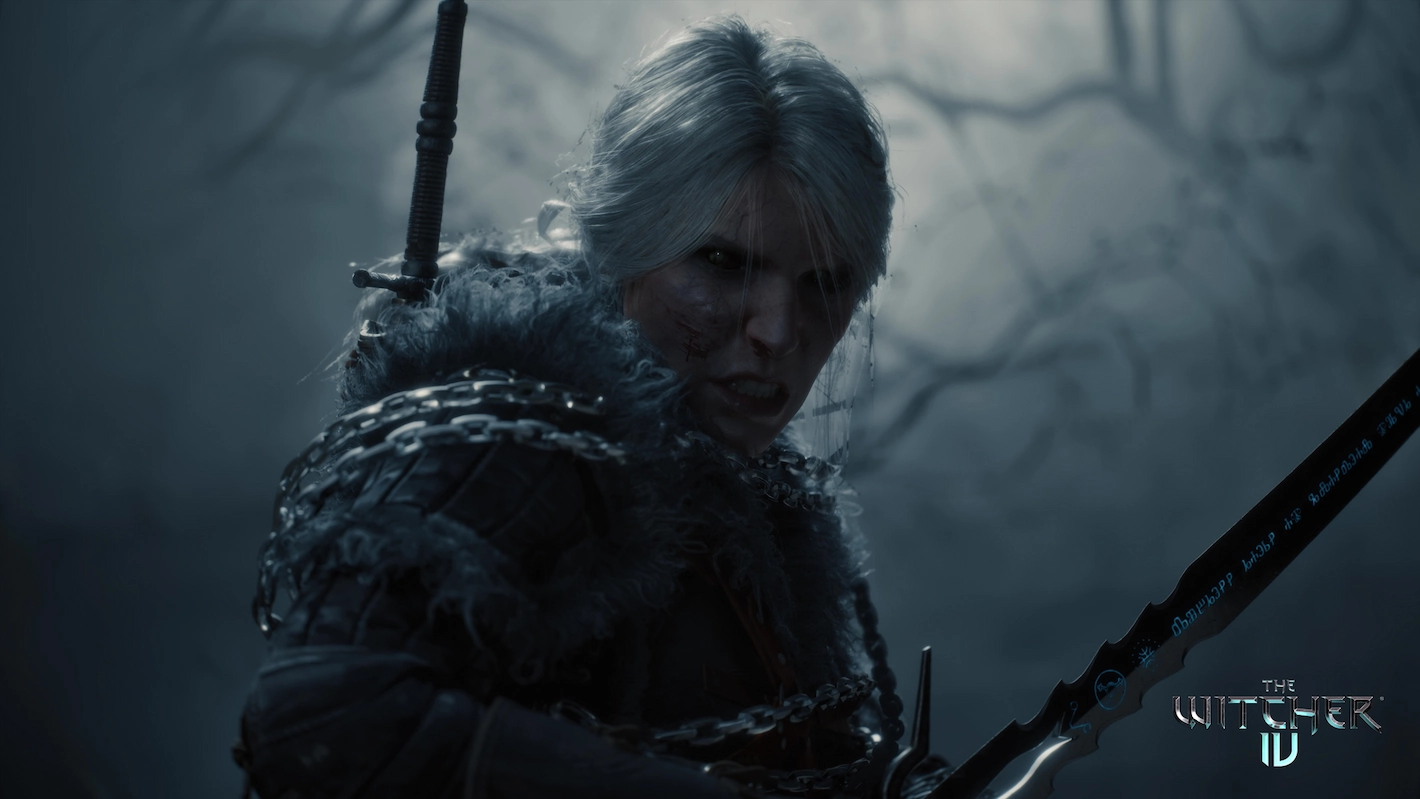
The reveal trailer presents Ciri using familiar witcher tools, including signs, a silver sword, potions and a chain incorporated into combat, while the story positions her as someone who now performs monster contracts professionally. Yet this new status raises questions that deserve to become part of the narrative rather than information explained outside the game. Ciri’s transformation into a witcher should have weight because the profession is more than carrying two swords and accepting payment. It is knowledge gathered through anatomy, folklore, tracking, alchemy, preparation and the ability to distinguish an actual monster from a convenient accusation. Wild Hunt sometimes allowed this investigative dimension to become routine because Geralt’s senses could quickly reveal the correct trail. The Witcher IV should deepen the process. Tracks might contradict witnesses, rituals may hide political motives, and creatures could behave differently according to weather, territory or previous human interference. Preparation should matter without becoming an inventory chore, while potions, oils and signs should support specific plans rather than function as optional statistical bonuses. Ciri’s greater physical and magical potential must not make the profession easier. It should create more complicated decisions because she has access to solutions Geralt could not attempt, along with consequences he never had to consider. Becoming a witcher should not mean inheriting Geralt’s completed skill set. It should mean learning how to survive a profession whose traditions were already disappearing before she chose to enter it.
a world where people remain the cruelest monsters
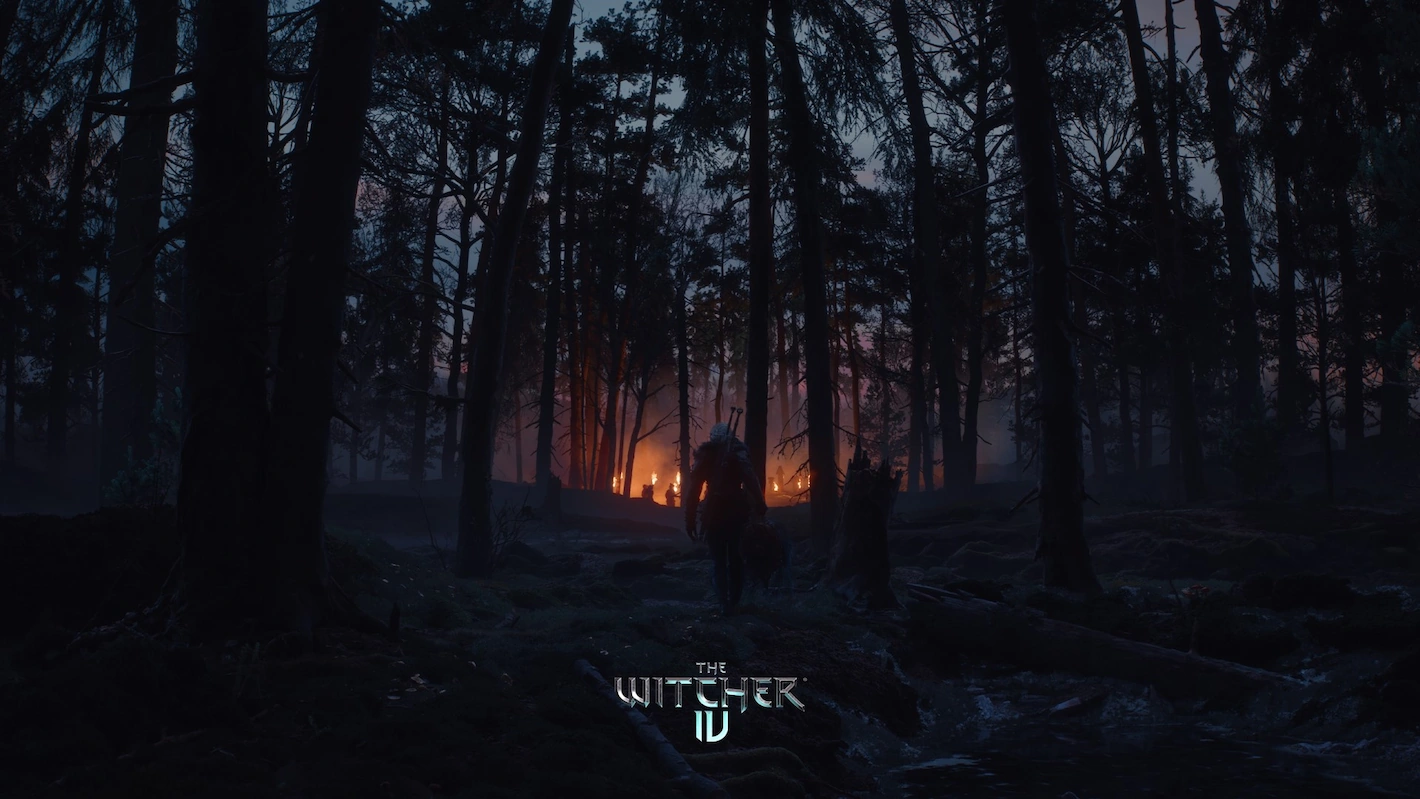
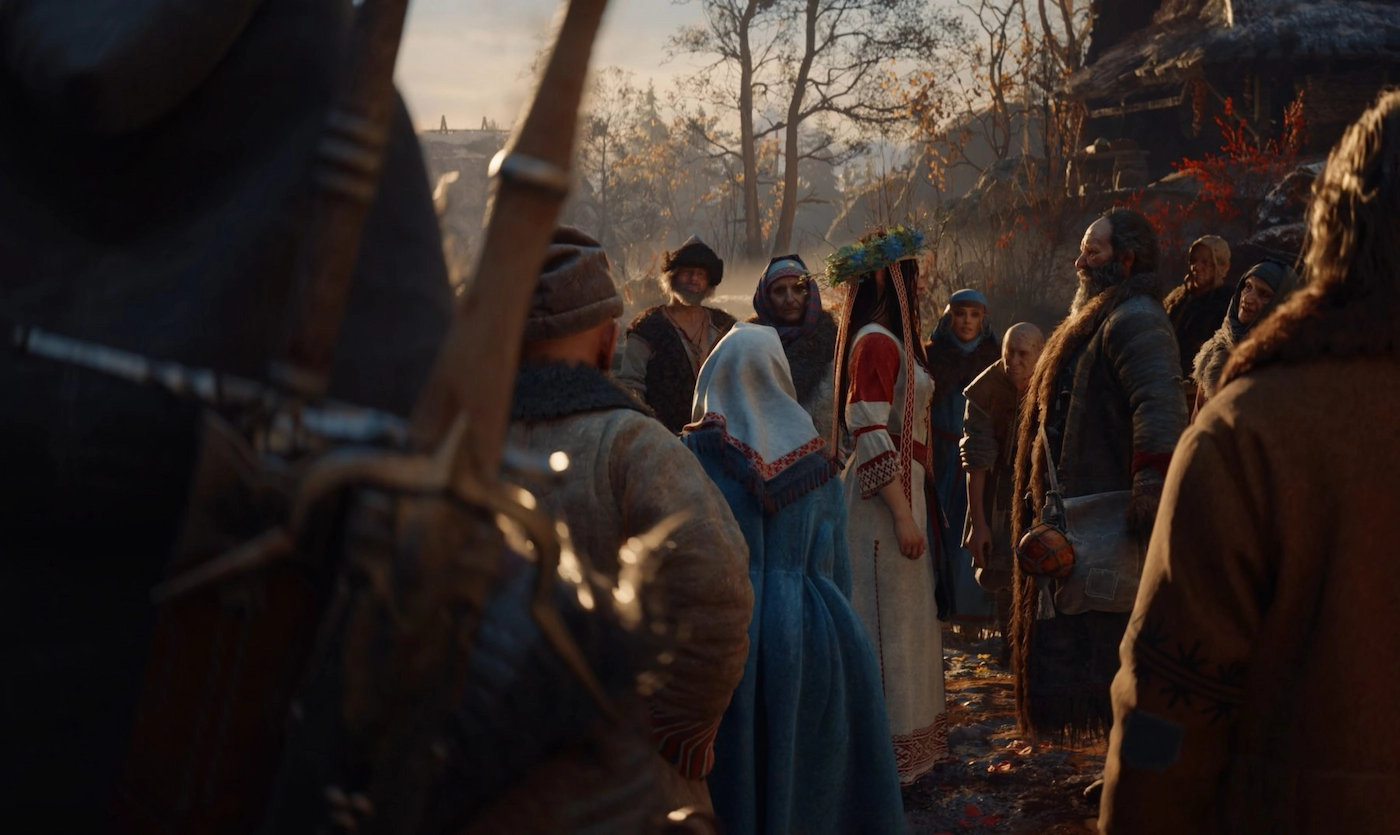
The first cinematic trailer understands the moral structure that made the series important. A village chooses a young woman as a sacrifice, believes obedience will secure its survival and then reacts violently when Ciri destroys the creature around which the ritual was built. The monster is real, but the belief surrounding it has become a social system maintained through fear. This is recognizably Witcher territory: killing the creature solves the immediate contract while exposing a human problem that steel cannot remove. CD PROJEKT RED should protect this structure as the new game expands. The Continent does not need to become a collection of grand heroic battles designed to prove that Ciri is more powerful than Geralt. Its strongest stories should remain local, uncomfortable and resistant to clean outcomes. A missing child, disputed inheritance, strange illness or damaged crop can carry more emotional weight than another prophecy when every person involved has a believable reason to protect a lie. Ciri’s history makes large political events inevitable, but the game should not allow royal blood and world-changing abilities to pull her permanently away from roads, villages and ordinary contracts. The Witcher succeeds when the supernatural reveals something unpleasant about the people living beside it. Monsters need ecology, motives and physical presence, but humans must remain capable of transforming fear into cruelty without magical assistance. The trailer’s conclusion suggests that CD PROJEKT RED has not forgotten this principle.

kovir must become a place, not another enormous map
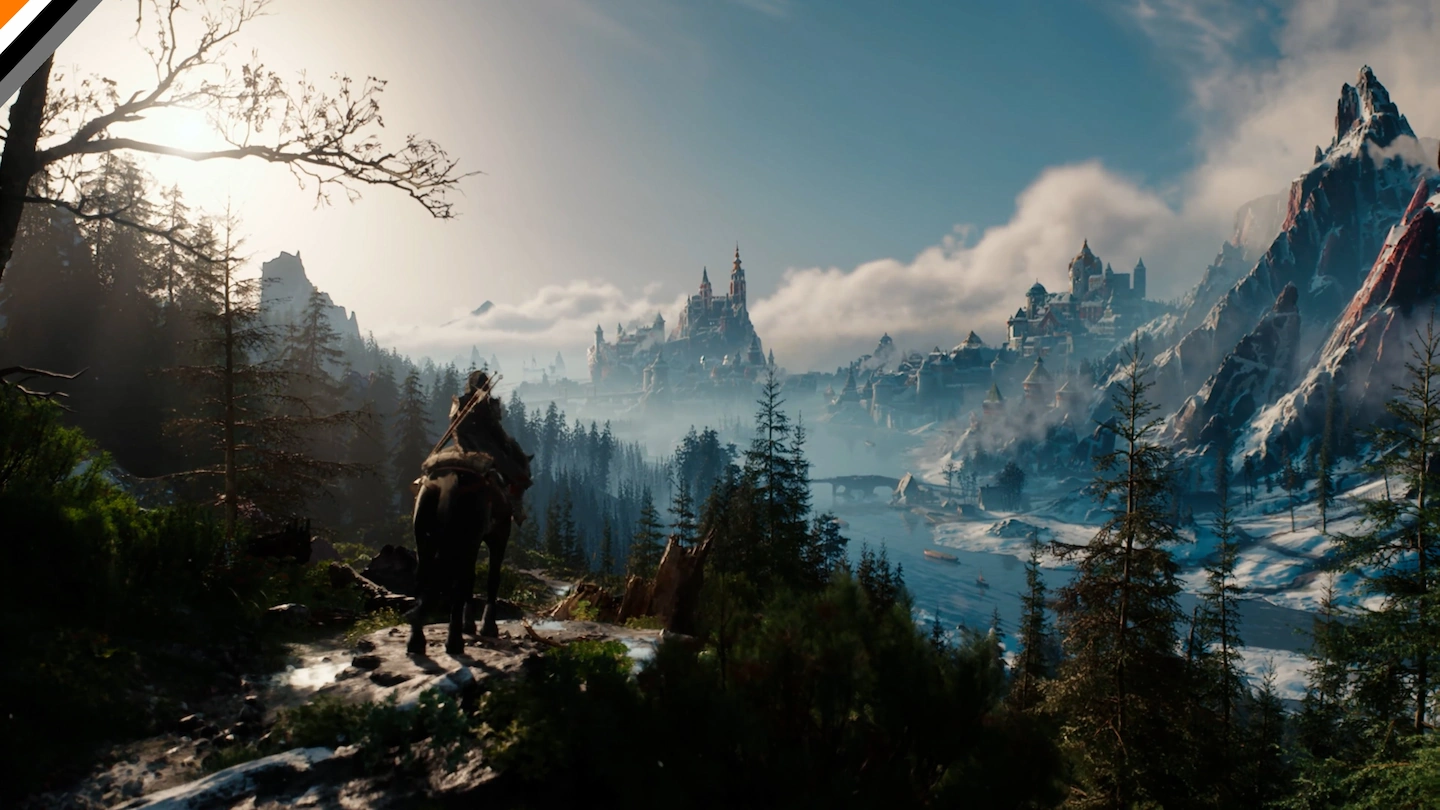
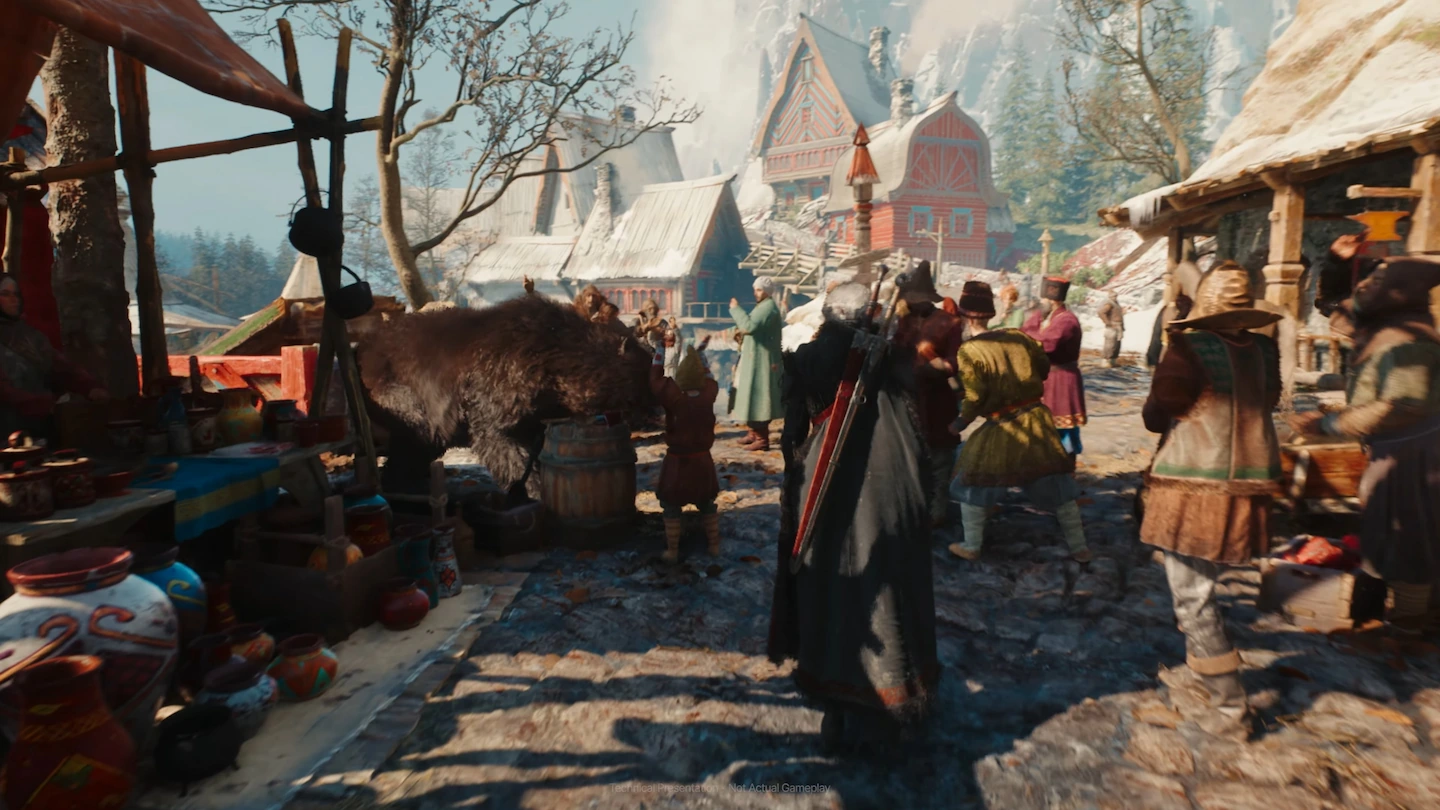
The Unreal Engine 5 demonstration follows Ciri through Kovir while she completes a monster contract and enters the busy port settlement of Valdrest. Epic Games presented the demo as an example of technologies intended to support the game’s open world, including Fast Geometry Streaming, dense environments, detailed character animation and vegetation systems. It ran on PlayStation 5 at 60 frames per second with ray tracing, but the presentation was explicitly marked as a technical demonstration rather than actual gameplay or a guaranteed picture of the finished product. That distinction matters. Dense crowds, animated market activity and rapid movement through a detailed landscape are promising, yet technological capacity does not automatically create meaningful exploration. Kovir must develop its own political tension, architecture, economy, climate and regional fears instead of becoming a beautiful surface carrying familiar Witcher activities. Its wealth and northern position can provide a strong contrast with the war-damaged territories of Wild Hunt, while remote mountain routes and trading centres can support different kinds of contracts and social conflict. The world should also resist the usual temptation to reward scale for its own sake. CD PROJEKT RED has described The Witcher IV as its most ambitious and immersive open-world Witcher project, but ambition should be measured through density, consequence and memory rather than total square kilometres. One village whose residents react to Ciri’s decision is worth more than five settlements built from the same routine.
unreal engine 5 must serve the world rather than advertise itself
The transition away from REDengine is one of the most important technical changes in CD PROJEKT RED’s history. The next Witcher saga is being developed with Unreal Engine 5 through a strategic partnership with Epic Games, and the Kovir demonstration showcased technology created not only for one project but also as part of broader improvements to open-world development. Fast Geometry Streaming is intended to load detailed environments more efficiently, while the demo also highlighted high-density crowds, character deformation, foliage and ray-traced presentation. These systems can reduce visible transitions and support more active settlements, but The Witcher IV cannot succeed simply by becoming a catalogue of advanced rendering features. Open-world games built in Unreal Engine 5 have frequently faced concern around traversal stutter, uneven performance and the heavy cost of modern lighting systems, making optimization one of the project’s central tests. A visually ambitious RPG must remain stable across busy markets, forests, combat encounters and rapid movement without sacrificing responsiveness. The demonstration’s 60 fps target on PlayStation 5 is encouraging, although final performance cannot be inferred from a controlled technology presentation years before release. The strongest outcome would be an engine that becomes invisible: dense foliage moves naturally, settlements stream without interruption and characters occupy the world convincingly without the player constantly noticing which feature made it possible.
the continent should become darker and less colourful
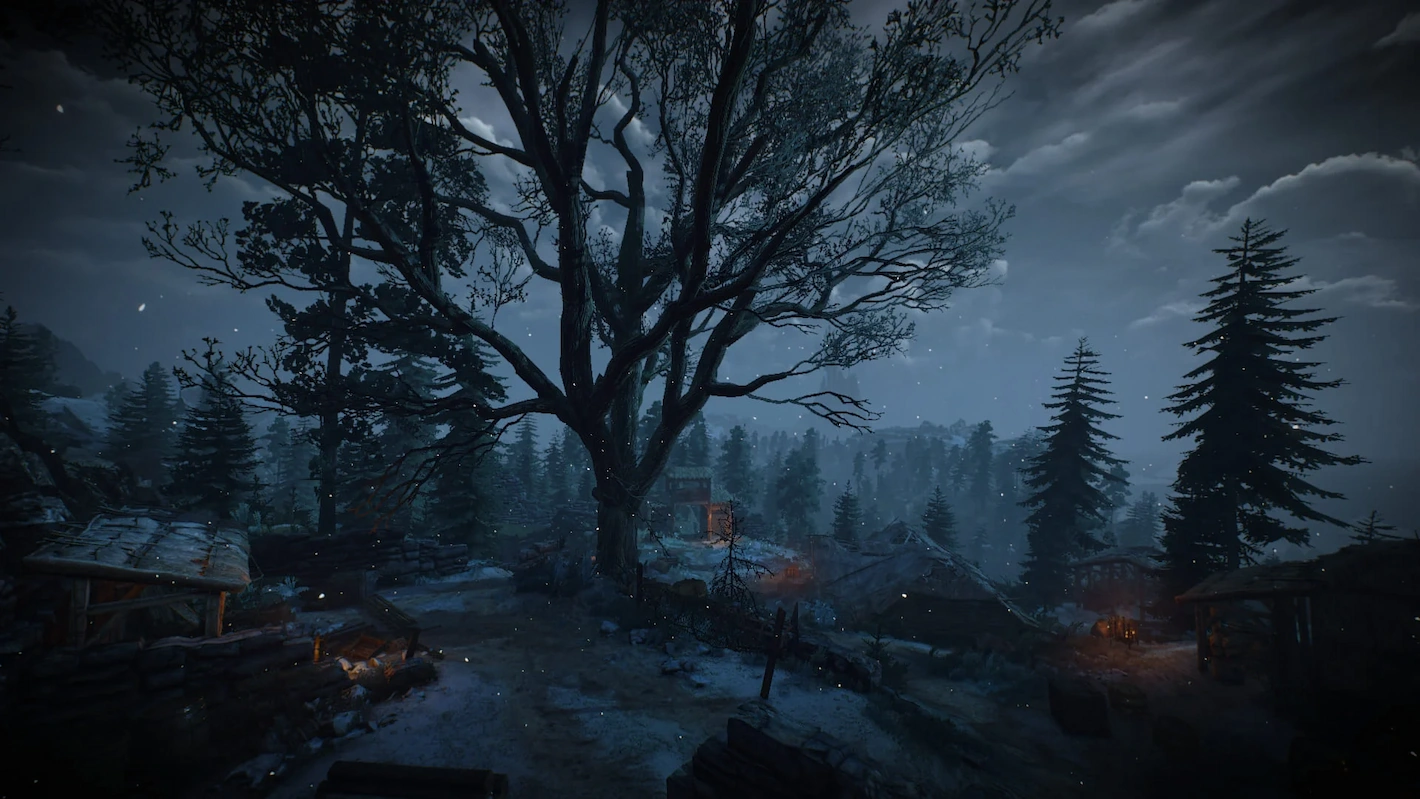
The Witcher 3 remains visually beautiful, but its colour palette often moved toward saturated greens, strong blue skies, bright orange sunsets and richly separated fantasy tones. Those colours gave each region a memorable identity, yet they could also make the Continent appear cleaner and more romantic than its stories suggested. In our modest opinion, The Witcher IV should move toward a more restrained and realistic visual palette. This does not mean draining every scene into grey or removing the beauty of forests, snow and evening light. It means allowing natural materials, weather and distance to determine colour more often than dramatic fantasy grading. Greens can be colder and muddier, interiors can depend on fire and limited daylight, armour should reflect dirt and use, while villages should feel constructed from timber, stone, cloth and earth rather than arranged to produce the brightest possible postcard. A less colourful presentation would also strengthen moments when colour carries narrative meaning: blood on snow, ritual paint, a rare flower used in alchemy or unnatural light inside a monster’s territory would become more powerful because the surrounding world is not constantly competing for attention. The cinematic reveal already leans toward darkness, smoke, mud and cold natural light, while the Kovir demonstration appears brighter and more inviting. Because the latter is not final gameplay, there is still room for the completed game to find a balance between regional beauty and the severe atmosphere demanded by its stories. The goal should not be permanent gloom. It should be a world whose beauty feels discovered rather than applied across every landscape.

combat must express ciri’s speed without losing weight
Ciri cannot fight exactly like Geralt, and the reveal trailer appears to understand that. Her movement is quicker, the chain introduces control at a distance, and magic seems capable of interacting more directly with the environment. These elements could produce the most expressive combat system in the series, but only if speed is balanced by physical weight and tactical clarity. Wild Hunt’s combat was serviceable rather than extraordinary, often relying on repeated dodges, light attacks and signs while enemy behaviour struggled to force deeper adaptation. The Witcher IV has an opportunity to make monster anatomy, terrain and preparation central to every encounter. A chain should not exist only for stylish executions; it can control limbs, break balance, manipulate objects or create space against groups. Signs should develop practical interactions rather than simply scale upward through larger numbers, and Ciri’s magical history can support abilities that feel distinct without turning every contract into unrestricted spectacle. Human combat also needs improvement. Armoured opponents, polearms, shields and coordinated groups should require different responses, while animations must remain readable enough for the player to understand why an attack connected or failed. Ciri’s power creates a major design risk: if she begins the game too close to the extraordinary figure known from earlier stories, progression may feel artificial. CD PROJEKT RED must find a convincing way to preserve her identity while allowing the player to learn, specialize and fail.
geralt’s legacy must remain without controlling the story
Moving away from Geralt does not require pretending he no longer matters. His decisions, relationships and reputation shaped the world around Ciri, and the emotional foundation of her new journey is partly built from what he taught her. The challenge is deciding how much of that history should enter the new saga. Too little, and Ciri may feel strangely disconnected from the people and events that defined her. Too much, and The Witcher IV becomes another Geralt story viewed through a different protagonist. His role should be meaningful but limited, perhaps as a mentor, distant presence or person whose advice Ciri sometimes chooses to reject. The game must also handle the multiple endings of Wild Hunt carefully. CD PROJEKT RED cannot reproduce every possible world state at equal scale, but it should acknowledge enough history to prevent the previous game from feeling irrelevant. This is where a new region helps. Kovir can provide political and geographic distance while allowing familiar characters to appear only when the story genuinely needs them. The new saga deserves its own supporting cast, rivalries, friendships and moral failures. Ciri must be surrounded by people who know her as she is becoming, not only by characters who remember who she used to be. Geralt’s greatest contribution to the next game may be the freedom to step aside.