SPECIAL | STAR TREK: SHADOW FRONTIER | CAN TREK SURVIVE THE DARK?
My modest personal view of Star Trek begins with a simple belief: this universe should ultimately represent a bright future for humanity. The franchise I grew to love was never valuable because it pretended that suffering, hatred or fear had disappeared, but because it imagined a civilisation mature enough to confront those things without being defined by them. Starfleet represented exploration rather than conquest, cooperation rather than permanent suspicion, and the possibility that intelligence and compassion could become more powerful than greed. Star Trek could enter frightening territory, and often did, yet the darkness usually existed to test that idealistic future rather than replace it. That distinction matters when approaching Star Trek: Shadow Frontier, a psychological horror game from Bloober Team built around Ro Laren, isolation, corrupted memories and a planet capable of destabilising her connection to reality. The concept is immediately striking, but it also raises a concern that cannot be dismissed as resistance to change: if Star Trek becomes completely absorbed by despair, trauma and horror, does it lose the very future that made its darker episodes meaningful in the first place? Shadow Frontier therefore begins from an unusual position. It is one of the most intriguing Star Trek games announced in years, yet it also moves directly toward a tone that I would not naturally choose for the franchise.
| – status – | in development |
| – release – | 2027 |
| – genre – | 3rd-person/adventure |
| – developer – | bloober team |
| – publisher – | bloober team |
| – platform – | desktop pc |
| – focus – | exploration/storytelling/action |
| -score before score- | 86/100 |
ro laren is the right person to cross this frontier
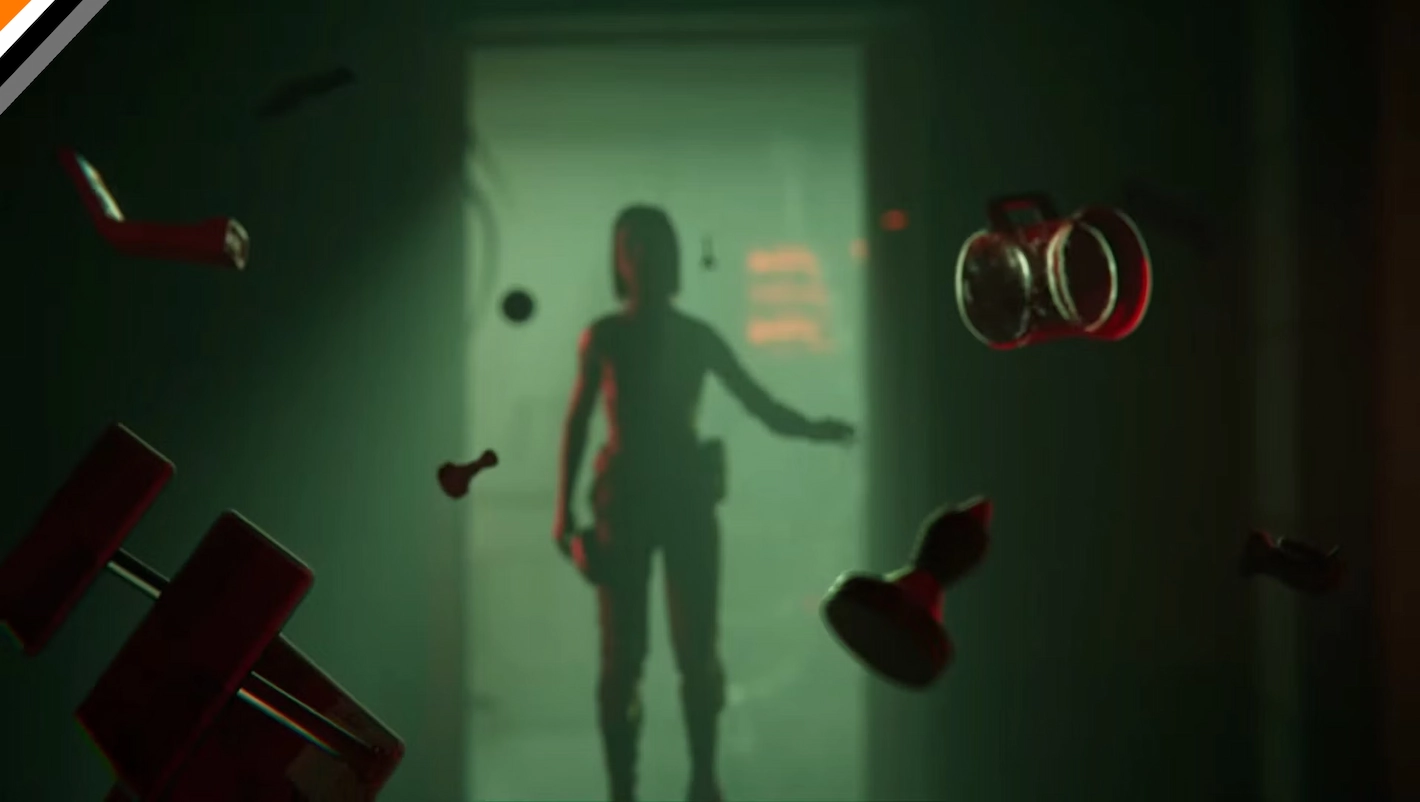
If Star Trek must enter psychological horror, Ro Laren may be the strongest possible protagonist for the journey. Introduced in The Next Generation and later brought back in Picard, Ro has always existed between institutions, identities and loyalties. She carries the history of Bajoran suffering, distrusts authority more readily than a conventional Starfleet officer and has repeatedly struggled with the question of where she truly belongs. Shadow Frontier places her on a rescue mission to a world overtaken by a mysterious alien entity, but the mission gradually becomes something more personal as her memories are distorted and the environment begins to interfere with her perception of reality. Michelle Forbes is returning to voice the character, giving the project a direct connection to the person who established Ro’s guarded intelligence, anger and vulnerability. That casting decision matters because this story cannot rely only on monsters, visual distortion or sudden shocks. Its deeper potential lies in forcing Ro to confront the parts of herself that Starfleet service, political rebellion and eventual reconciliation never fully resolved. A new protagonist could have carried a competent science-fiction horror story, but Ro gives Shadow Frontier access to decades of moral history. Her presence creates the possibility that the horror will not merely ask what is hunting her, but whether her memories, loyalties and sense of duty can survive when certainty disappears.
bloober team can build the fear – but can it preserve the trek?
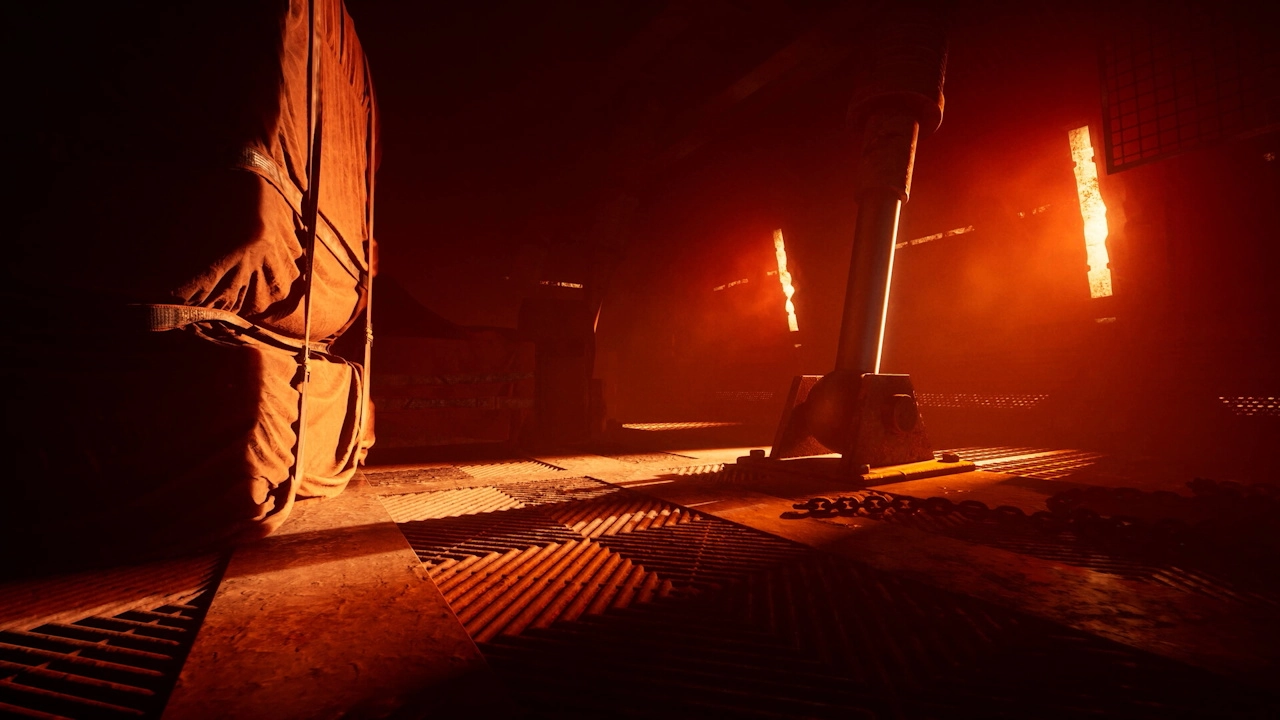
Bloober Team is an understandable choice for a project centred on unstable reality and psychological pressure. The studio’s identity has been shaped by horror games interested in memory, guilt, perception and environments that change around emotionally damaged protagonists. Shadow Frontier’s announced structure appears to fit those strengths naturally: exploration, puzzles, combat and cinematic sequences will be supported by Ro’s tricorder and phaser, while the planet itself functions as both physical location and psychological threat. The tricorder is especially important because it can preserve a recognisably Star Trek form of interaction. Analysing objects, interpreting evidence and understanding an unknown phenomenon should carry as much importance as surviving hostile encounters. The phaser can support combat and puzzle solving, but it should never become the game’s primary answer to every problem. Star Trek games have often fallen into the trap of treating a famous science-fiction setting as decoration around conventional shooting, despite the franchise being most distinctive when knowledge, diplomacy and moral judgement matter. Bloober Team does not need to suppress action completely, but it must make discovery feel purposeful. Shadow Frontier should allow fear to complicate scientific reasoning, not replace it. The most convincing version of this game would make the player feel vulnerable while still asking them to think like a Starfleet officer observe, analyse, question assumptions and search for an answer beyond immediate destruction.

dead space and resident evil – with something deeper underneath
From a gameplay perspective, Shadow Frontier has the ingredients to occupy territory familiar to Dead Space and modern Resident Evil. An isolated protagonist, a hostile environment, limited certainty, investigative tools, puzzle solving and carefully controlled combat can create the same rhythm of cautious exploration followed by sudden pressure. Ro’s tricorder could function as more than a scanner, allowing the player to reconstruct events, identify inconsistencies and expose the difference between physical evidence and manipulated memory. Her phaser creates obvious opportunities for responsive combat, environmental interaction and variable power settings, while cinematic set-pieces could give the game moments of larger spectacle without turning every corridor into a firing range. Yet Shadow Frontier also has the potential to become structurally deeper than a straightforward survival-horror campaign. Ro is not simply an engineer escaping a disaster or an agent entering a biologically contaminated location. She is a Starfleet officer, former Maquis member and Bajoran survivor whose personal history carries political, cultural and ethical consequences. A planet attacking her perception could turn familiar horror mechanics into questions about guilt, institutional trust and whether identity depends on memory. That does not automatically make the game profound; psychological language can easily become decoration around predictable hallucinations. But the foundation is present for a title that uses the tension of Dead Space and Resident Evil while constructing a more layered examination of duty, belonging and the cost of carrying unresolved history into every new frontier.

horror has existed in star trek – hope must survive it
Star Trek has never been free of horror. The Borg, assimilation, body transformation, isolation, hostile dimensions and psychological manipulation have produced some of the franchise’s most unsettling stories. The difference is that these elements were generally framed within a broader moral universe where fear did not become the final philosophy. Even when crews faced something incomprehensible, the narrative usually retained faith in reason, solidarity or the possibility of recovery. Shadow Frontier can work within that tradition, but only if its darkness has a purpose beyond proving that Star Trek can look brutal. The planet’s entity should challenge Ro’s belief in herself, Starfleet and the reliability of her own mind, but the story must eventually offer more than endurance. A Star Trek horror game should not conclude that hope was childish or that the Federation’s ideals were merely comforting lies. It should show how difficult those ideals are to maintain when certainty, companionship and emotional stability have been stripped away. That is the line between a horror game wearing Star Trek imagery and a genuine Star Trek story told through horror. My hesitation is therefore not based on the presence of frightening material itself. It comes from the possibility that contemporary franchise storytelling may confuse darkness with maturity. Shadow Frontier will be stronger if it understands that optimism is not the absence of pain; it is the decision that pain does not receive the final word.
the risk of isolating a universe built on crews
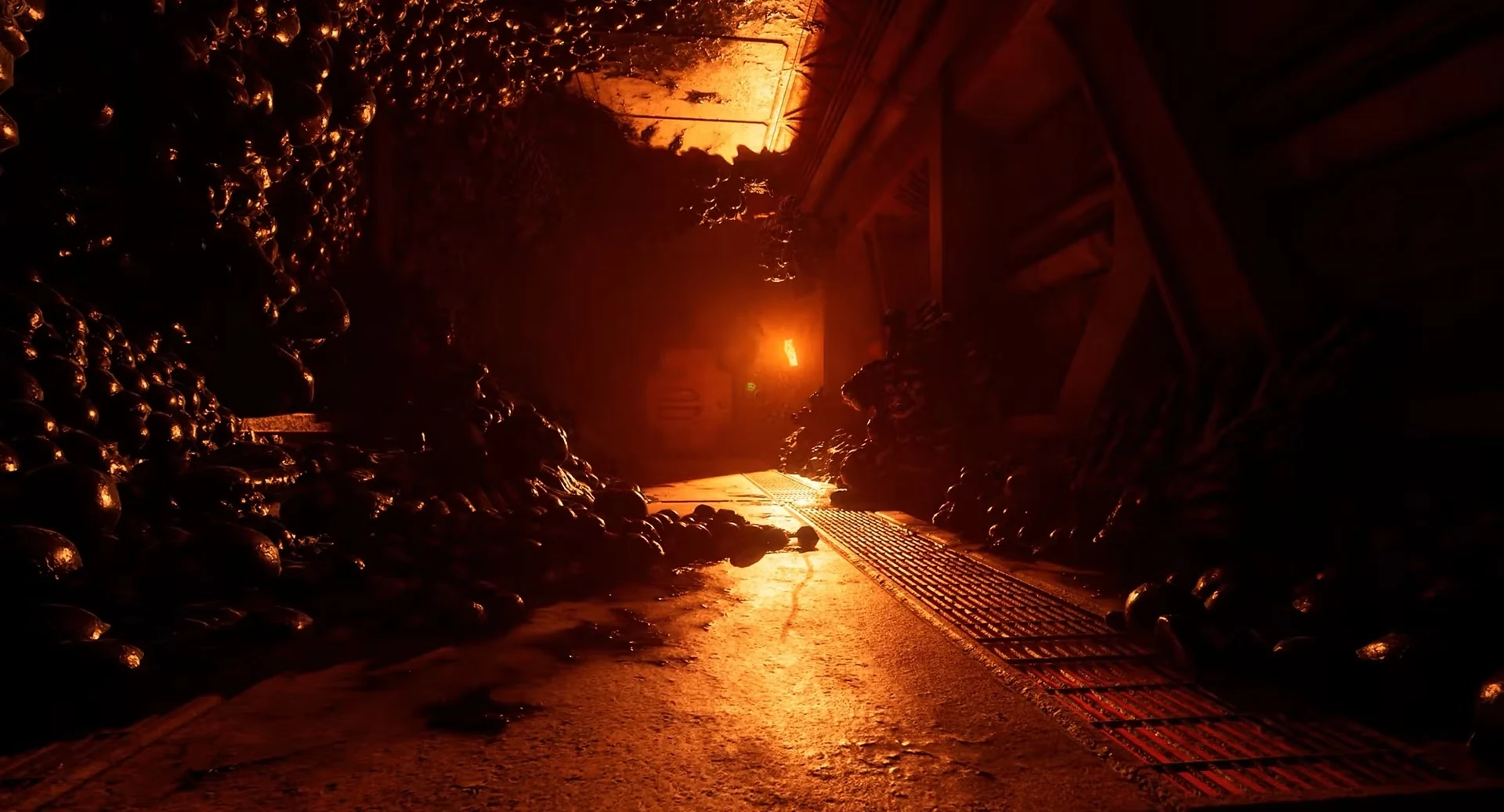
Another concern is the apparent emphasis on Ro as an isolated figure. Star Trek has traditionally been powered by crews groups of specialists whose different experiences allow them to solve problems no individual could understand alone. Horror often works by removing that security, leaving a protagonist without reliable support, but excessive isolation could weaken the franchise’s collaborative identity. Ro is naturally more independent than many Starfleet characters, which makes her suitable for this structure, yet the game should still preserve the sense that she belongs to a larger civilisation. Communications, mission records, distant allies or temporary survivors could remind the player that her actions matter beyond personal escape. The rescue mission itself offers a useful foundation: Ro is not entering the planet because she is chasing private revenge or treasure, but because others need help. That duty can anchor the narrative when reality begins to fracture. Even if she spends long sections physically alone, she should never become a generic lone survivor detached from Star Trek’s social and ethical framework. The strongest horror would come from threatening her ability to trust and connect while demonstrating why those bonds remain necessary. A game built entirely around isolation could be effective, but a Star Trek game should understand that the loss of community is frightening precisely because community is one of the franchise’s greatest achievements.
a technical and creative opportunity
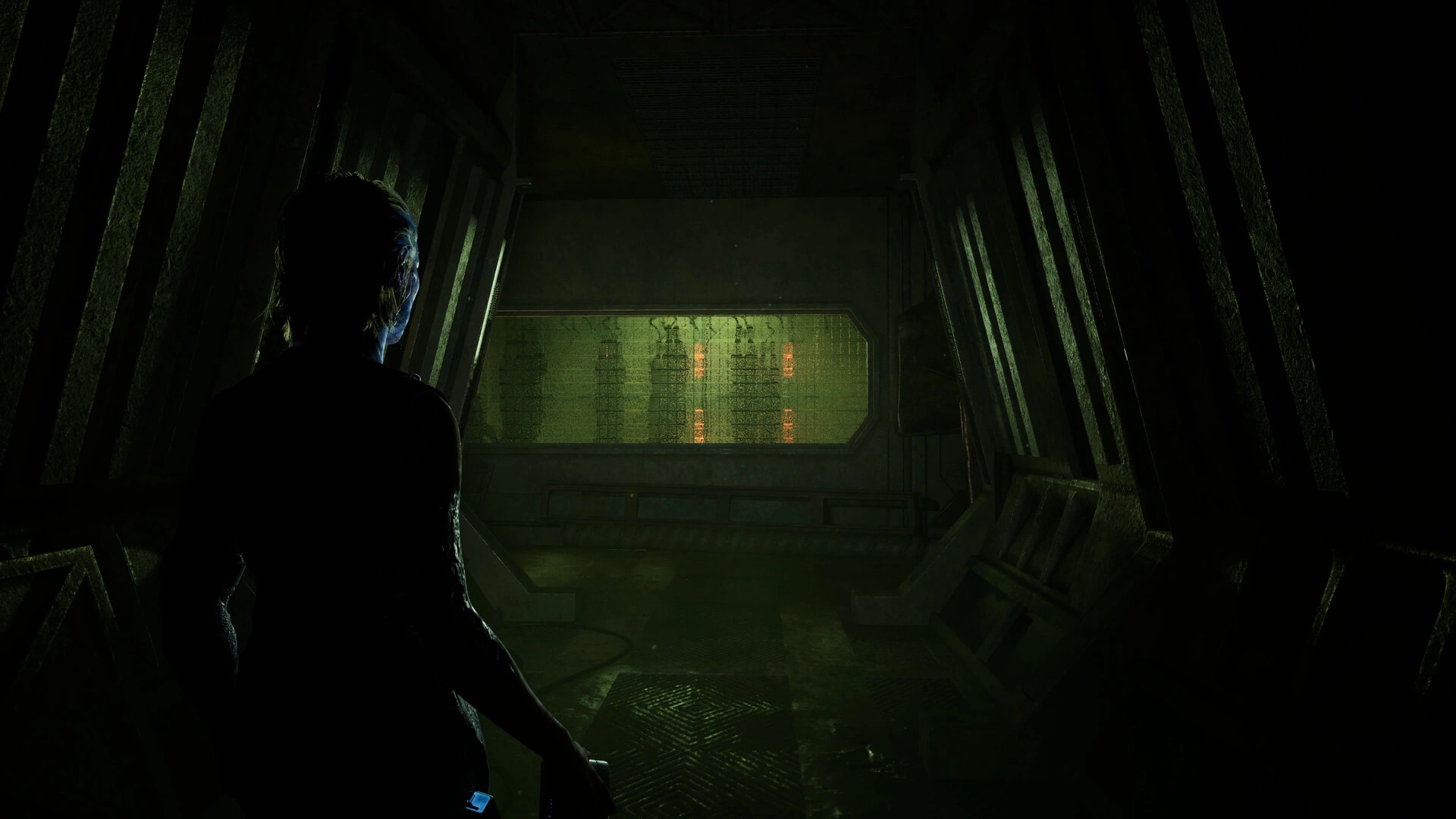
Shadow Frontier also represents an opportunity for a Star Trek game to compete visually and structurally with modern cinematic horror rather than surviving primarily through affection for the licence. Bloober Team has a clear visual language for decaying spaces, environmental transitions and reality that changes without warning. Applied carefully to alien architecture and Starfleet technology, that expertise could produce locations that feel unfamiliar without abandoning the functional logic associated with Trek. The tricorder interface, phaser behaviour, sound design and environmental storytelling must appear integrated into the world rather than added as recognisable franchise props. The alien entity should also resist easy classification. A conventional monster may provide immediate danger, but Star Trek is more interesting when the unknown cannot be reduced to a target. Perhaps the entity is hostile, perhaps it interprets memory differently, or perhaps Ro’s presence creates consequences neither side fully understands. The announced premise leaves room for those possibilities, although the current information remains too limited to know how ambitious the final narrative will be. The game is planned for 2027, leaving time for its systems, pacing and identity to become clearer. For now, its strongest advantage is that the concept does not feel like a minor licensed project. It has a recognised protagonist, an original setting, a developer whose experience matches the psychological premise and enough thematic tension to justify a substantial single-player production.
cautious optimism, despite the direction
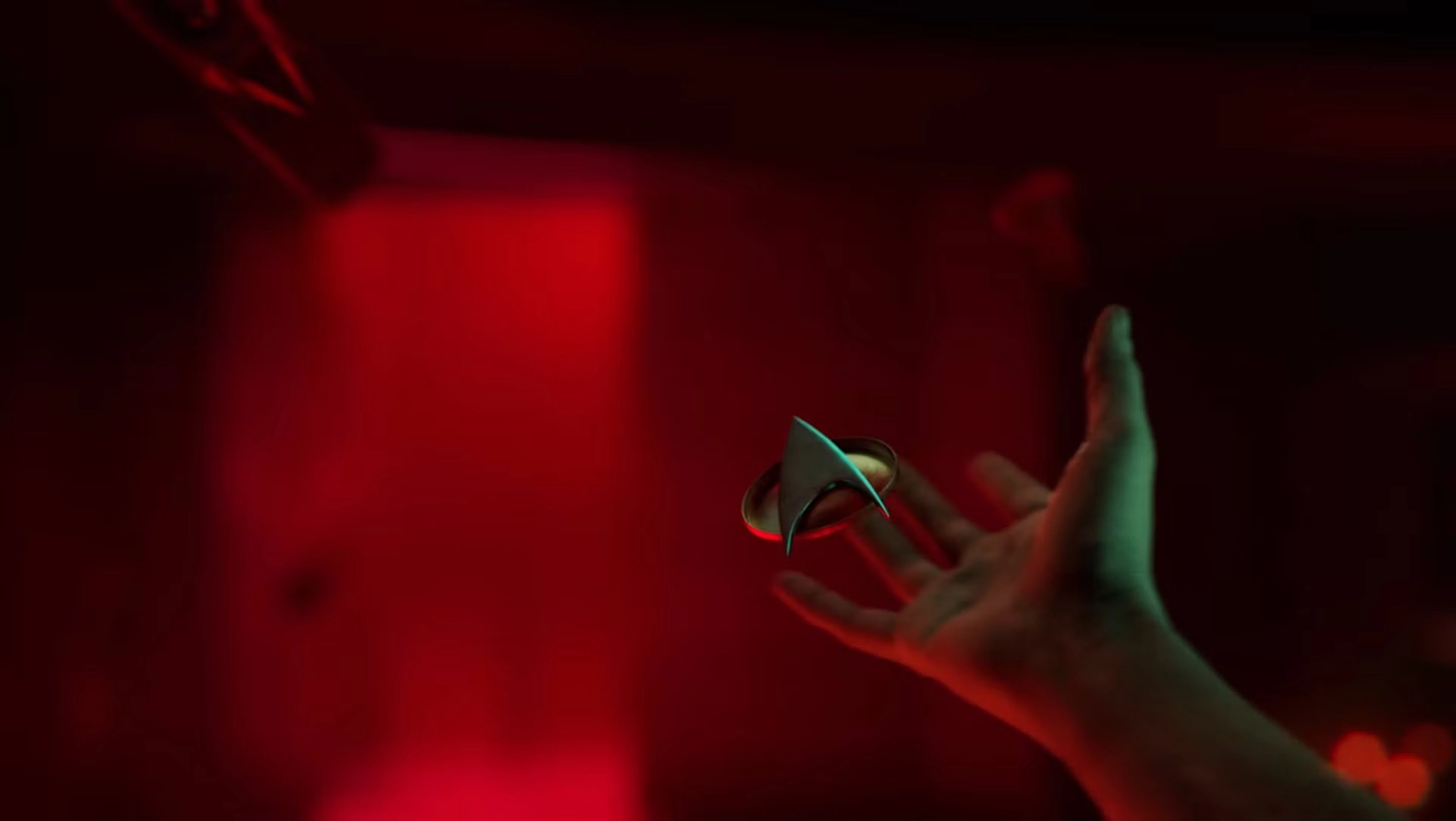
I am not completely comfortable with Star Trek moving further into darkness, and I would still prefer more games that celebrate exploration, diplomacy and the constructive future at the centre of the franchise. A utopian vision does not have to be simple, naïve or free of conflict. It becomes meaningful precisely when writers place it under pressure without treating cynicism as the only intelligent response. Shadow Frontier may temporarily look away from the bright future I associate with Trek, but almost every other indicator suggests that it could become a seriously good game. Ro Laren provides emotional and political depth. Michelle Forbes gives the character authenticity. Bloober Team understands psychological environments. The combination of tricorder investigation, puzzles, combat and cinematic horror creates a potentially strong gameplay structure. Comparisons with Dead Space and Resident Evil are understandable, yet Shadow Frontier could reach beyond both if it connects those mechanics to Ro’s history and Star Trek’s larger questions about identity, responsibility and hope. That is why the correct position is neither blind enthusiasm nor rejection. It is cautious optimism. The darker direction remains a concern, but the people, character and concept involved have earned the opportunity to demonstrate that entering the shadows does not require abandoning the light.