
PREVIEW | STRANGER THAN HEAVEN | A CRIME SAGA SPANNING FIVE DECADES
Stories about organized crime have been part of video games for decades, but very few attempt to capture how an entire lifetime can be shaped by the world around it. That is the direction RGG Studio appears to be taking with Stranger Than Heaven, a project that immediately separates itself from the developer’s previous work through its historical setting, ambitious timeline, and unusually personal approach to storytelling. Rather than focusing on a single dramatic chapter in a character’s life, the game follows one man across fifty years of change, allowing players to witness not only his personal journey but also the transformation of Japan itself. It is a concept that naturally carries greater narrative weight than the typical rise-and-fall crime story, creating opportunities for emotional moments that simply cannot exist within a shorter timeline.

While longtime fans will instantly recognize RGG Studio’s attention to detail, cinematic presentation, and talent for creating believable urban environments, Stranger Than Heaven feels less like another variation of a familiar formula and more like a creative leap into unexplored territory. The streets shown so far possess the same lived-in atmosphere the studio is known for, yet everything surrounding them from architecture and fashion to transportation and social culture reflects the passage of history instead of remaining frozen in time. Every new trailer has reinforced the impression that this is not merely another action game with historical scenery layered on top, but a world deliberately designed to evolve alongside its protagonist. That ambition alone makes Stranger Than Heaven one of the most intriguing projects currently scheduled for 2027, especially for players who appreciate narrative-driven experiences where character development matters just as much as combat.
a crime story that evolves across five decades
At the heart of Stranger Than Heaven is Makoto Daito, a protagonist whose life unfolds between 1915 and 1965, a period during which Japan experienced extraordinary political, cultural, and technological transformation. Instead of compressing these changes into a handful of cutscenes or background references, RGG Studio appears to be treating the passage of time as one of the game’s defining mechanics. Every era introduces new social realities, different challenges, and a changing world that influences both the story and the people inhabiting it. This creates a rare opportunity for players to experience history through personal relationships rather than through textbook events, allowing the consequences of time to become just as important as the decisions made by the protagonist himself. What makes this premise particularly compelling is the way it naturally expands the emotional scope of the narrative. Most crime dramas revolve around power, revenge, betrayal, or survival over the course of a few months or years. Stranger Than Heaven instead asks what happens when those same themes stretch across half a century. Friends grow older, rivalries evolve into something entirely different, entire generations appear and disappear, while the protagonist continues moving through a society that never stops changing around him. That progression has the potential to create a much stronger emotional connection than stories limited to a single point in time because every success and every failure leaves visible marks on both the characters and the world they inhabit.
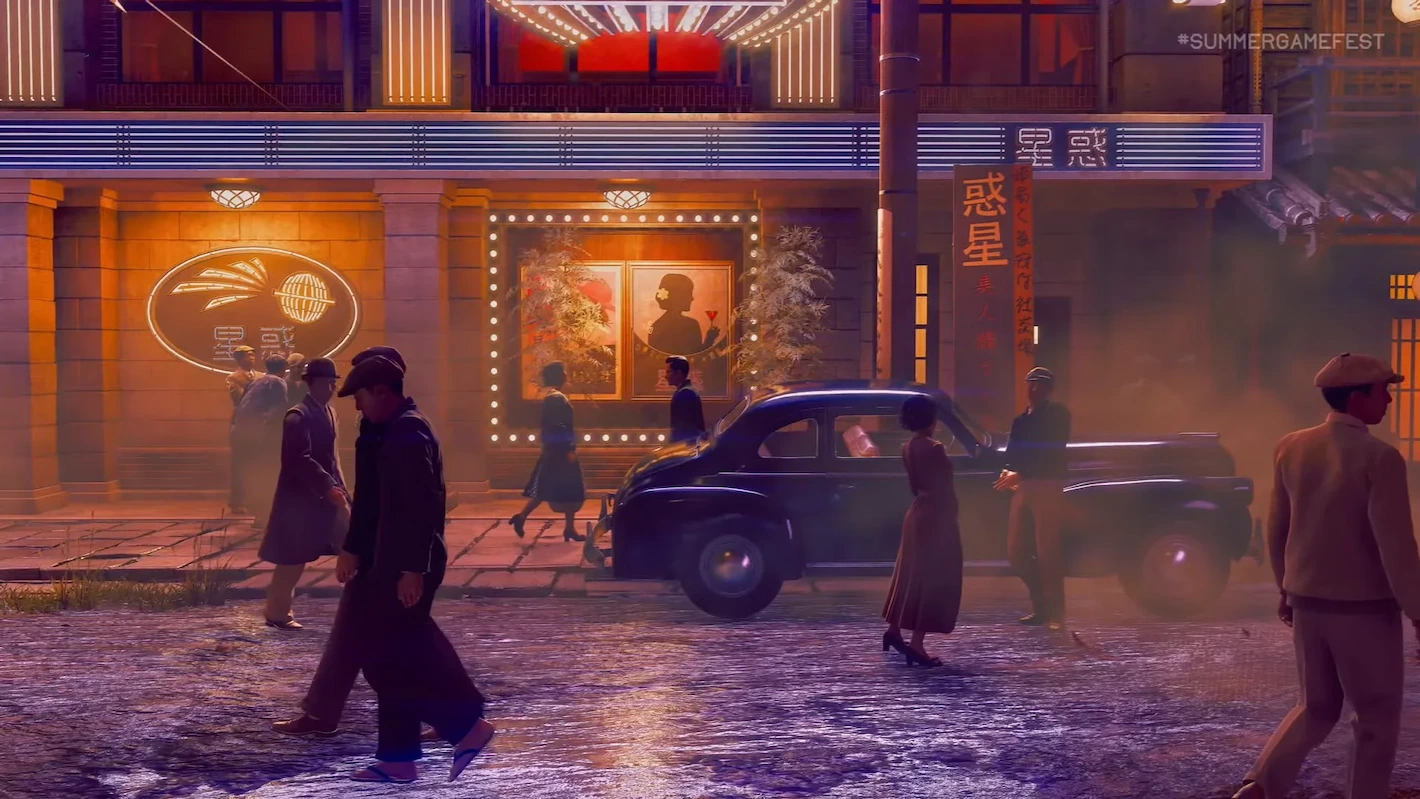
The historical backdrop also opens creative possibilities rarely explored in modern action games. Japan between 1915 and 1965 witnessed enormous shifts in industry, architecture, technology, transportation, and everyday life. Streets that begin as quiet neighborhoods can gradually become crowded urban centers, while familiar locations acquire completely different identities as decades pass. This evolving setting gives exploration an entirely new purpose. Returning to places visited earlier in the story is no longer simply about discovering new side activities it becomes an opportunity to observe how history reshapes communities and how those changes affect the people living within them. RGG Studio has always excelled at making cities feel authentic, but allowing those cities to evolve across five decades introduces a level of environmental storytelling that very few developers have attempted on this scale. Another strength already visible from official material is the studio’s confidence in slower, character-focused storytelling. Instead of relying exclusively on dramatic action sequences, Stranger Than Heaven appears willing to spend time exploring conversations, relationships, and quieter moments that gradually reveal who Makoto Daito really is. That pacing has long been one of RGG Studio’s greatest strengths. Their protagonists rarely become memorable because of spectacular fights alone; they resonate because of the ordinary human interactions that surround those moments. Judging from everything shown so far, Stranger Than Heaven intends to push that philosophy even further, presenting a protagonist whose personality evolves naturally as decades pass instead of remaining largely unchanged from beginning to end.

Perhaps the most exciting aspect of this structure is the sense of unpredictability it creates. Following one character through fifty years means the story is no longer limited by the conventions of traditional crime games. Relationships can shift dramatically, allies may become strangers, enemies can unexpectedly return after decades, and seemingly insignificant events early in the narrative may carry enormous consequences much later. That long-term perspective gives the writers an unusually large canvas on which to build meaningful character arcs, making Stranger Than Heaven feel less like a standard action adventure and more like an interactive historical drama. If RGG Studio successfully balances historical authenticity with the emotional storytelling that has defined many of its previous titles, the result could become one of the studio’s most mature and memorable narratives to date.
a living world built around history, exploration and combat
One of the most interesting ideas behind Stranger Than Heaven is that the world is not designed to feel static at any point in time. Instead of presenting a single modern city with reused assets and interchangeable districts, the game structures its environments around completely different historical periods, each one reflecting a specific stage in Japan’s development. That means exploration is not just about moving through space, but also through time. The same streets, if revisited later in the timeline, can look unrecognizable new buildings replacing old wooden structures, changing transport systems, different social behavior, and even the overall mood of the environment shifting with the era. This approach gives the world a sense of continuity that is rarely seen in open-world games, where time usually moves forward without leaving a visible mark on the world itself. RGG Studio has always been strong at creating cities that feel alive, but here that concept is pushed further by the idea that life itself evolves. NPC behavior, street culture, and the rhythm of daily activity are expected to change depending on the era, which makes exploration more than just map navigation. It becomes a form of observation. Players are not just passing through locations they are witnessing transformation. That subtle difference can have a big impact on immersion, especially in a story that is heavily focused on personal growth over decades. When the environment reflects that same passage of time, the narrative naturally feels more grounded and believable. Combat, on the other hand, appears to stay close to RGG Studio’s signature style, but with adjustments that match the historical setting. Instead of modern weapons or exaggerated mechanics, fights seem to rely more on close-range encounters, improvised tools, and environmental interaction. This makes encounters feel more raw and less stylized compared to recent entries in the studio’s catalog. There is still a strong emphasis on cinematic presentation, but the tone is slightly more grounded, matching the earlier time periods where brute force and instinct played a bigger role than advanced equipment or flashy techniques. This shift helps reinforce the idea that every era is distinct not just visually, but mechanically as well.
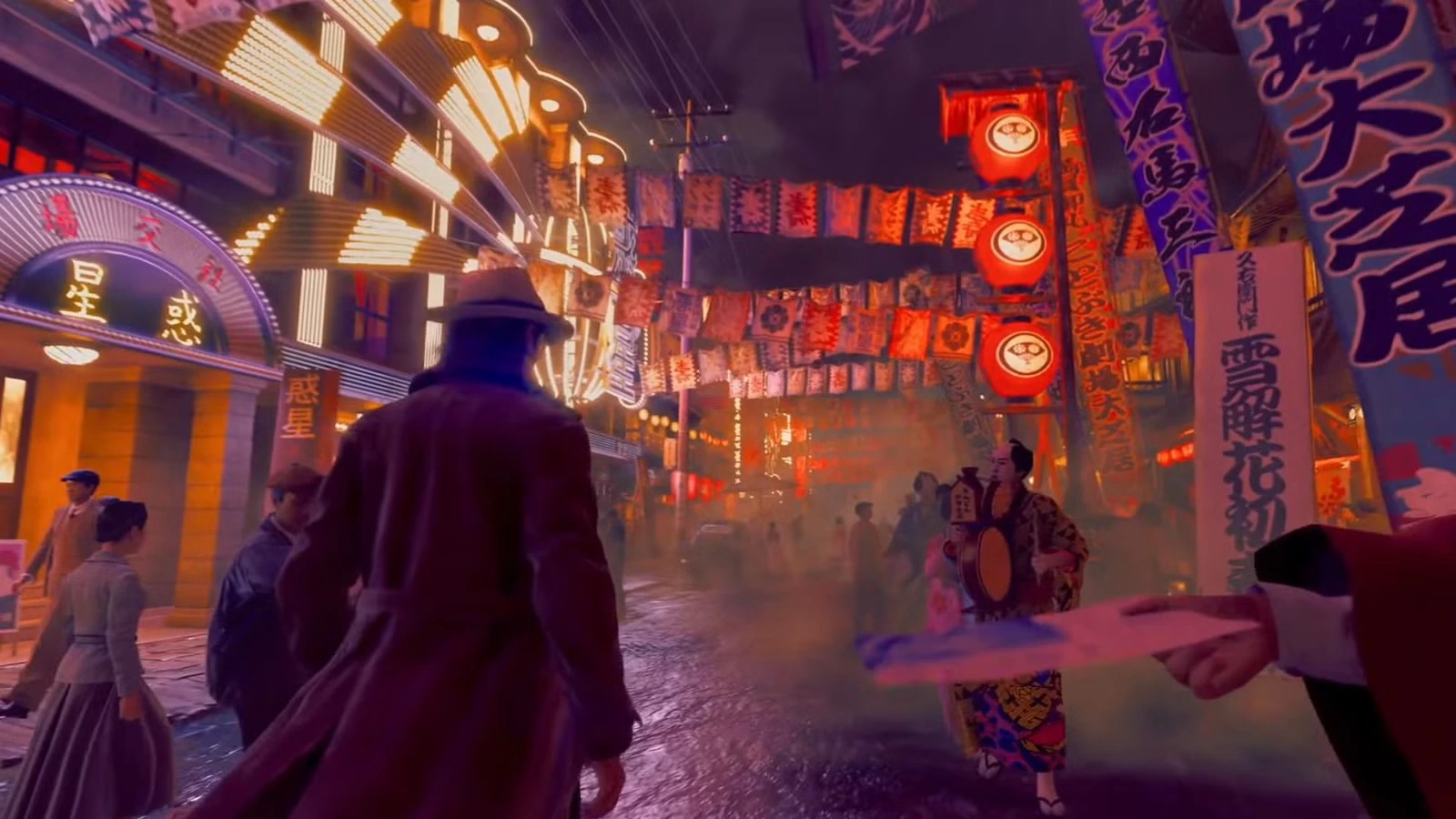
Exploration and combat are also closely tied to pacing. Rather than constantly pushing players forward with high-intensity sequences, Stranger Than Heaven appears to balance action with slower segments where the world itself becomes the focus. Walking through a district, observing how it has changed over time, and interacting with characters shaped by different historical circumstances all contribute to a more reflective experience. That slower rhythm may feel different compared to traditional action-heavy crime games, but it also allows the story to breathe and gives weight to the passage of time, which is central to the entire concept. What makes this structure especially promising is how naturally it supports storytelling. When a world evolves alongside its protagonist, every location becomes part of the narrative rather than just a backdrop. A bar, a street corner, or a district can carry emotional meaning simply because of how it changes over the years. That kind of environmental storytelling is difficult to achieve in a static open world, but here it seems to be one of the core design pillars. If executed properly, it could turn exploration into one of the most memorable aspects of the entire game, not because of what players do in the world, but because of how the world responds to time itself.
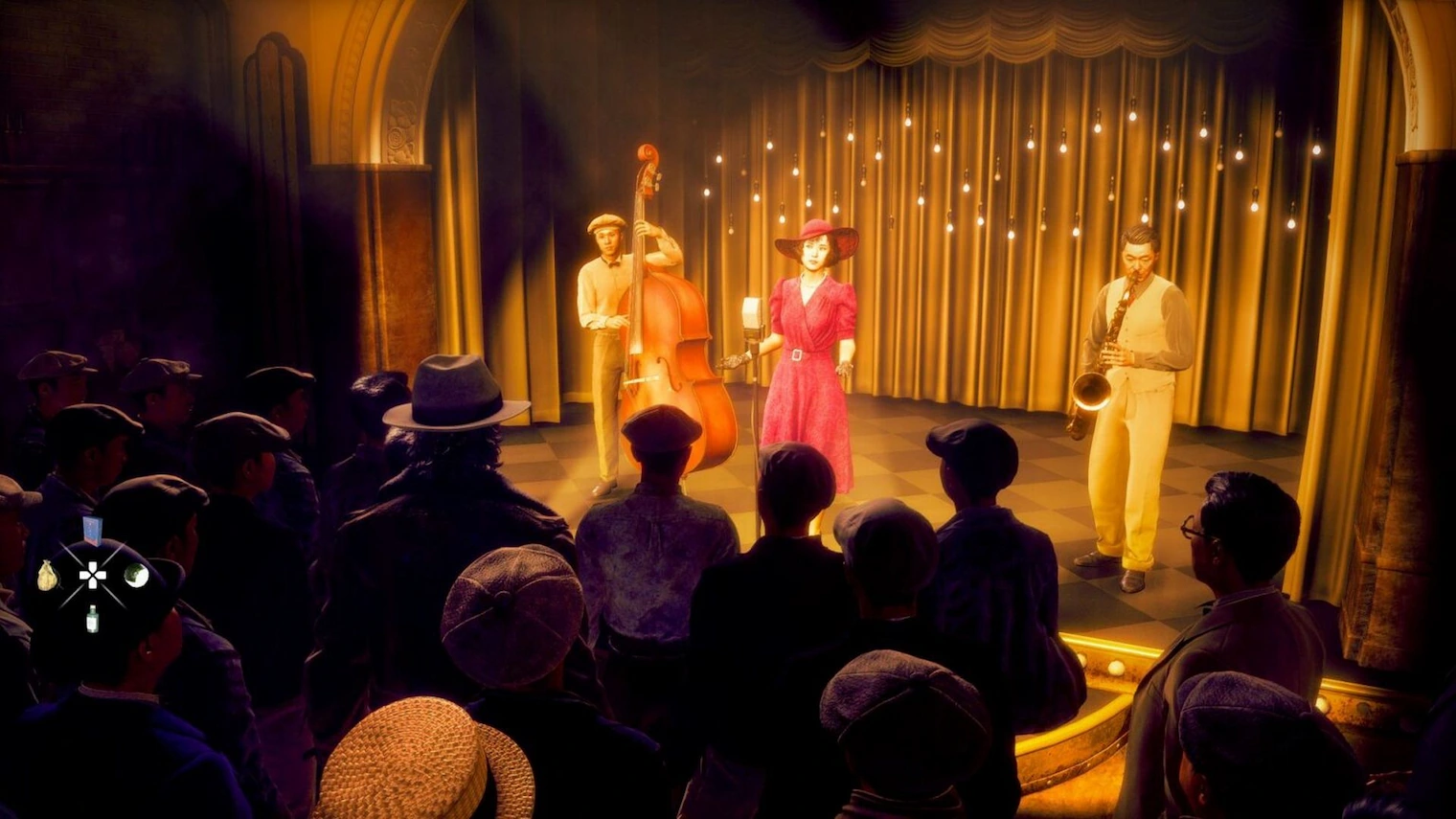
stranger than heaven could become rgg studio’s most ambitious game yet
Even at this early stage, it is clear that Stranger Than Heaven is not trying to compete with RGG Studio’s previous titles on the same terms. Instead, it is attempting to redefine what a studio known for crime dramas can actually achieve when it steps outside of its usual modern setting. The decision to span fifty years of history fundamentally changes how storytelling, character development, and world design must work together. Nothing can remain static. Every system has to account for progression, aging, and the consequences of time. That alone makes this project significantly more complex than a traditional open-world game structure. The most ambitious part of the design is not just the historical setting, but the idea that one character carries the entire narrative across multiple eras. In most games, sequels are used to show character growth over time. Here, that growth is embedded directly into a single continuous experience. Makoto Daito is not reset between entries or chapters in a franchise—his entire life is the story. That opens the door to storytelling that feels more personal and less segmented. Decisions made early in the game can echo decades later, and relationships can evolve in ways that feel more natural because they are not constrained by the typical “game chapter” structure. From a design perspective, this also creates challenges that few studios attempt. Maintaining visual consistency across different time periods, ensuring gameplay systems remain meaningful as technology changes, and keeping narrative pacing balanced across such a long timeline requires a level of coordination that goes beyond standard development pipelines. However, RGG Studio has consistently demonstrated strong world-building skills and a deep understanding of character-driven storytelling, which makes them one of the few studios capable of handling this kind of structure without losing focus.
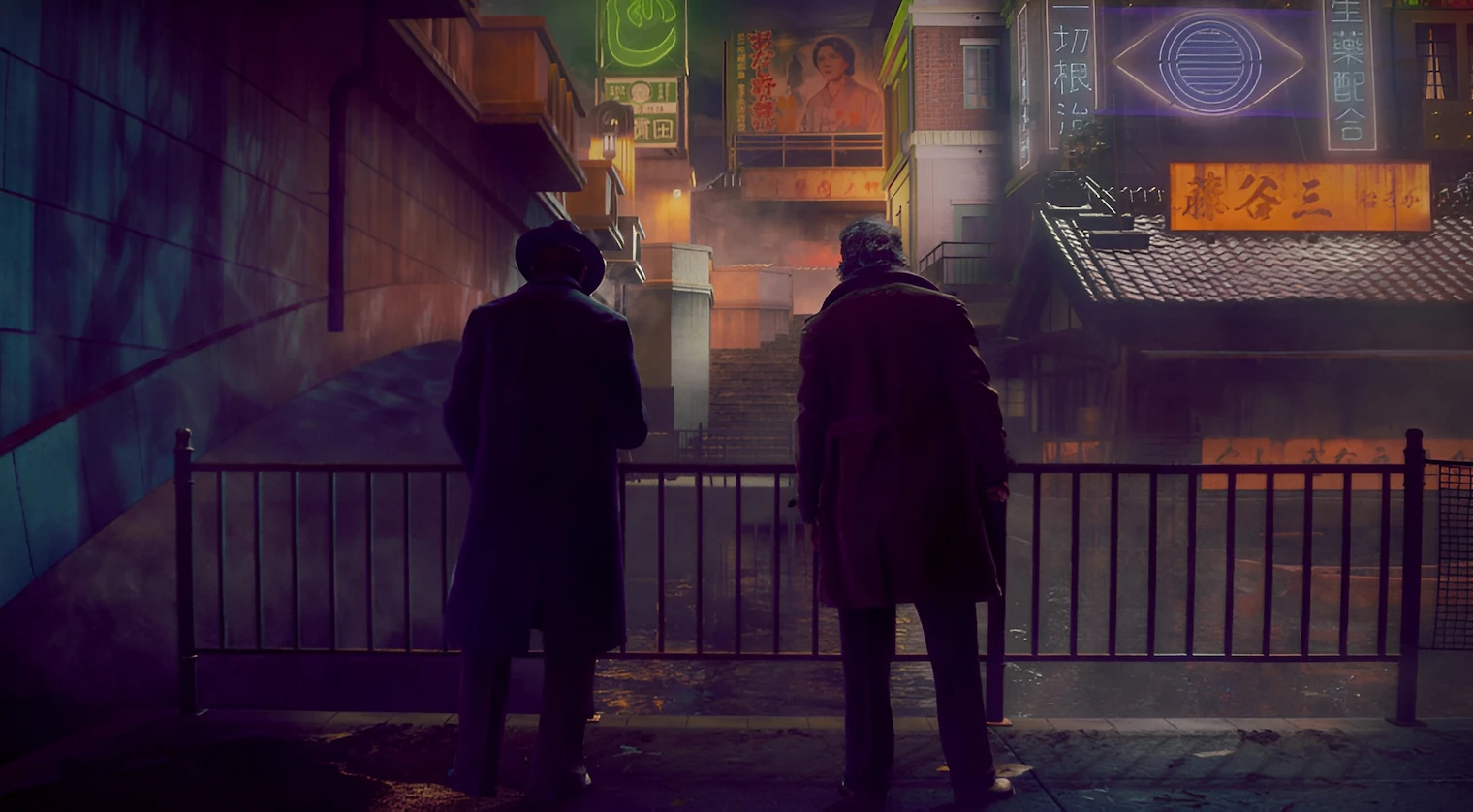
There is also a broader question about identity. While comparisons to the Like a Dragon series are unavoidable, Stranger Than Heaven clearly aims to stand apart by focusing more heavily on historical drama and long-term narrative evolution rather than modern-day crime comedy balance. That shift in tone could redefine how players perceive RGG Studio as a developer. Instead of being associated mainly with contemporary urban crime stories, they may begin to be seen as creators capable of handling large-scale historical narratives with the same level of detail and emotional depth. If everything comes together as intended, Stranger Than Heaven could end up being not just another strong release from RGG Studio, but a defining moment in their evolution as a studio. It has the potential to prove that their storytelling approach can extend far beyond modern settings and still retain the emotional impact that made their previous games so memorable. More importantly, it could set a new benchmark for how time-based storytelling is handled in interactive entertainment, especially in open-world crime dramas where character development usually unfolds over much shorter periods.