
REVIEW | 007 FIRST LIGHT | STRONG MISSION, UNEVEN POLISH
Bringing James Bond back to video games was never going to be as simple as handing him a pistol, a suit, and a few expensive locations. The real challenge was finding a playable identity that could respect the license without turning it into a simple Hitman reskin, a generic third-person shooter, or a museum piece built only for nostalgia. IO Interactive was always an interesting choice for the license, because the studio already understands controlled spaces, social stealth, quiet observation, timing, disguises, infiltration routes, and the strange satisfaction of entering a dangerous location with a plan that falls apart five minutes later. But Bond is not Agent 47. Bond cannot be only silence, patience, and cold procedure.

Bond needs style, movement, arrogance, danger, cinematic pressure, imperfect charm, and the ability to turn a careful mission into complete chaos while still looking like he meant to do it. First Light understands that difference better than expected. It is not flawless, and in some places it looks less polished than its strongest reviews suggest, but as a modern Bond game it finally feels like the license has found a serious foundation again. This is a young Bond story, and that decision helps the game more than it may seem at first. Instead of trying to copy one specific movie actor or recreate an existing Bond era, First Light builds its own version of James Bond before the myth is fully hardened. He is not yet the perfectly controlled icon. He is dangerous, skilled, sometimes too confident, and still carrying enough human roughness to make the origin angle work. That gives the story a little more oxygen. The game can show mistakes, growth, aggression, and emotional cracks without feeling like it is breaking the character. For a video game, that is important. Playing as Bond should not feel like controlling a finished statue. It should feel like pushing a brilliant but risky agent through missions that gradually shape him into something colder, sharper, and more legendary.
a bond game that finally understands the license
The strongest thing about 007 First Light is that it understands Bond as a playable fantasy, not just a brand. This is not only about suits, guns, cars, and expensive interiors. Those things are here, of course, and they matter, but the better moments come from how the game connects them. A good Bond mission should make the player feel like they are reading a room, noticing weaknesses, improvising under pressure, and choosing when to stay quiet or when to break the entire scene open. First Light delivers that feeling often enough to make the experience work. The locations have that clean spy-thriller identity: controlled spaces, guarded interiors, dangerous meetings, open areas with multiple approaches, and cinematic moments that push the story forward. IO Interactive knows how to build spaces where information becomes gameplay. You watch patrols, study access points, listen, move, wait, and decide whether the quiet approach is still worth saving. Unlike Hitman, though, First Light does not always want you to sit inside the puzzle forever. It wants momentum. It wants Bond to move. That is the right call. There is a clear Hitman influence, but the game is not simply Hitman with a Bond skin. It is more guided, more cinematic, and more interested in forward pressure. Some players will prefer the deeper sandbox freedom of Hitman, and that is fair, but Bond needs a different rhythm. He should not feel like a silent technician of murder. He should feel like someone whose plan is elegant until the moment it becomes very loud. First Light finds that rhythm in many of its best sequences.
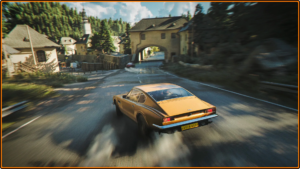
stealth, gadgets, and forward momentum
The stealth systems are confident without becoming overwhelming. You get enough freedom to approach situations differently, but the game does not drown itself in endless mechanics. Gadgets help sell the spy fantasy. They are not just decorative toys; they give the player small tactical options, ways to manipulate situations, and reasons to feel like Bond is using brains before bullets. When the systems click together, the game has a satisfying flow: observe, approach, adapt, survive. This is where IO Interactive’s experience matters. The studio knows how to make a restricted space feel alive. Guards are not just obstacles. Rooms are not just corridors. Objects, routes, conversations, and timing all matter. First Light does not reach the full systemic depth of IOI’s best assassination sandboxes, but it does not really need to. Its purpose is different. It wants to combine controlled infiltration with a cinematic Bond pace, and most of the time it succeeds. What helps is that the game rarely feels trapped in one mode for too long. It moves between sneaking, conversation, gadgets, set-pieces, direct action, and chase-like energy. That variety gives the campaign a proper Bond rhythm. You are not only crouching behind furniture for fifteen hours, and you are not only shooting through waves of enemies either. It tries to give you the full spy adventure package, and that is exactly what this license needed.
action works, but it is not always elegant
The action is good, sometimes very good, but it is also where the rougher edges start to show. Gunplay has enough punch to carry the bigger sequences, and the game knows how to stage drama. When First Light throws Bond into a loud escape or a collapsing situation, it can feel properly cinematic. There are moments where the game gets close to that modern blockbuster rhythm: the mission goes wrong, the music rises, the quiet spy work turns into survival, and Bond has to fight his way through the consequences. The problem is that the action systems are not always as graceful as the game wants them to be. Combat works, but it does not always feel as refined as the stealth. Some transitions between movement, aiming, cover, melee, and traversal can feel slightly mechanical. It is not broken, and it does not ruin the experience, but it does prevent the game from feeling completely smooth. A Bond game needs elegance even when things go wrong. First Light gets the cinematic side right, but the physical side sometimes looks a little less natural than it should. This is especially visible in movement under certain angles. Bond generally moves well in standard situations, but quick directional changes, angled movement, and some transitional animations can look a bit stiff. It is one of those issues that may not bother everyone, but once noticed, it becomes part of the overall impression. The character should glide through danger with more physical confidence. Here, he sometimes looks like the animation system is working hard to keep up with the fantasy.
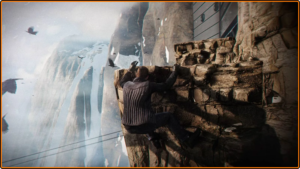
the game looks stylish, but not always sharp
Visually, 007 First Light has strong style. The art direction understands the Bond world: dramatic lighting, sleek spaces, polished interiors, cinematic framing, expensive-looking locations, and that mix of elegance and danger that the series needs. At a distance, and especially in motion during major scenes, the game can look impressive. It often has the right mood, and that matters a lot. Bond is not only mechanics. Bond is presentation. But the technical image quality is not always as strong as the art direction. Some textures look softer than expected. Certain surfaces lack sharp detail, and some environments can appear a little muddy depending on lighting and distance. It is not an ugly game, not even close, but it is not consistently clean either. The best scenes look expensive and atmospheric, while weaker moments reveal texture softness and a slight lack of visual precision. This is one of the main reasons the score should not climb too high. First Light often looks stylish, but it does not always look technically premium. There is a difference. Strong lighting and good composition can carry a scene, but close inspection shows rough surfaces. For a Bond game, that matters because the fantasy is built around polish. A spy thriller can survive dirt, but Bond’s world needs controlled sharpness. First Light has the mood, but not always the finish.
a good origin story with real series potential
The story works because it does not try too hard to be clever at every moment. It gives us a younger Bond, puts him under pressure, and lets the missions shape him. That is enough. The writing has familiar spy ingredients, but the game handles them with enough confidence to make the campaign feel purposeful. This is not a random licensed plot stapled onto action levels. It feels like IO Interactive is building a Bond universe that could continue. That potential is one of the most exciting things about First Light. It feels like a first entry in a new era, not a one-off experiment. The foundation is here: the young Bond angle, the mission structure, the stealth-action balance, the cinematic set-pieces, the supporting cast, the gadgets, and the willingness to make Bond a proper game character instead of only a movie reference. If IOI gets another chance, the sequel could be sharper, deeper, smoother, and more visually refined. That is why the game is easy to respect even when it stumbles. It does not feel lazy. It does not feel like the license was used as a shortcut. It feels like a serious attempt to rebuild Bond gaming from the ground up. Not everything lands perfectly, but the direction is strong.

the hitman comparison is useful, but limited
It is impossible to talk about First Light without mentioning Hitman, but the comparison should not control the entire discussion. Yes, there is shared DNA. Yes, IOI’s design language is visible. Yes, some mission spaces invite the same kind of observation and controlled experimentation. But Bond needs more theatricality than Hitman. He needs to get caught sometimes. He needs to improvise loudly. He needs to jump from quiet tension into cinematic danger. First Light is best when it accepts that Bond should be less sterile and more volatile. The game is not as replayable or mechanically deep as Hitman at its best, but it has a wider emotional and cinematic range. It is more concerned with momentum, set-piece escalation, and character identity. That makes it less pure as a systems game, but more appropriate as a Bond game. There are moments where the guided structure feels slightly restrictive, especially for players who love IOI because of total sandbox freedom. Still, the decision mostly fits. Bond is a character-driven spy fantasy, not only a problem-solving simulator. First Light finds a decent balance between authored drama and player agency.
where it falls short
The main weaknesses are not conceptual. They are polish-related. The game has a strong idea of what it wants to be, but some technical and animation details do not fully support that ambition. Soft textures, occasional visual muddiness, and slightly rigid movement keep pulling the experience back from the top level. The driving and some action-heavy moments also do not feel as carefully refined as the stealth and mission atmosphere. These problems do not destroy the game, but they matter because First Light aims for a premium cinematic identity. When a game wants to feel like Bond, small imperfections become more visible. A rough texture in another action game might pass unnoticed. In Bond’s world, it stands out. A slightly stiff turn animation in a generic shooter might be fine. Here, it interrupts the illusion of a smooth agent moving through a polished spy thriller. This is why 83/100 feels more honest than 88 or 90. The game is very good, and in some areas it is excellent, but it is not untouchable. It has the license, the atmosphere, the foundation, and the right design instincts. It also has visible rough edges.007 First Light is a strong modern Bond game and probably the most convincing foundation the franchise has had in gaming for a long time. It understands spy fantasy, gives Bond a playable identity, builds good mission flow, and combines stealth, gadgets, action, and cinematic pressure in a way that mostly works. The game feels confident and carefully directed, especially when it lets observation and improvisation lead the experience. The score stops at 83 because the finish is uneven. The visual style is strong, but some textures are too soft. The image can look muddy in places. Character movement can feel slightly stiff from certain angles, and some direct action sequences do not carry the same refinement as the stealth design. These are not fatal flaws, but they keep the game from reaching the top shelf. First Light is excellent, but it still has scars.