PCD SPECIAL | STAR WARS ZERO COMPANY | STAR WARS CHARM MEETS TACTICS
Star Wars does not always need another lightsaber duel to feel important. It does not always need a famous face walking through smoke, a giant fleet above a planet, or another scene built around the same familiar heroic rhythm. Sometimes the better angle is smaller and more dangerous: a bad map, a squad that should not be there, a mission nobody officially approved, and one decision that turns a clean operation into a problem nobody can hide.That is where Star Wars Zero Company starts to look interesting. It seems to understand that the Clone Wars were not only fought by generals, Jedi and armies moving across famous battlefields. Some wars happen under the surface, in side corridors, in broken command rooms, in places where the official version of history never arrives. A turn-based tactics game can use that space well because it does not have to win through speed or spectacle. It can win through pressure. Zero Company looks like it wants to put Star Wars inside that pressure: squad movement, careful positioning, base decisions, battlefield risk and operatives who may carry more weight than a normal mission briefing can show.
| – status – | in development |
| – release – | august 27, 2026 |
| – genre – | turn-based tactical rpg |
| – developer – | bit reactor / respawn entertaiment |
| – publisher – | electronics arts |
| – platform – | pc / ps5 / xbox series |
| – focus – | choice, tactics, strategy |
| -score before score- | 85/100 |
This is not the usual Star Wars pitch built only around spectacle. No giant open-world promise. No safe hero fantasy where the player walks into famous places and waits for nostalgia to do half the work. Zero Company is aiming for a different corner of the galaxy: turn-based tactics, squad pressure, base decisions, Clone Wars shadows, and a team operating where official history probably does not want to look. That is exactly why this lands as a PCD Special instead of a normal news post. The Star Wars charm is there, of course. The ships, species, soldiers, armor, blasters, Jedi presence and Clone Wars background all carry that familiar pull. But charm alone would not be enough. The reason this one deserves special treatment is the combination: Star Wars atmosphere placed inside a tactical structure where positioning, patience, risk and squad identity can actually matter. The Clone Wars era is crowded, but it still has room for stories that do not stand directly under the brightest lights. Star Wars Zero Company follows Hawks, a former Republic officer leading an unconventional squad through a conflict that is already morally cracked. This is the right setup for a tactics game. The Clone Wars were never only about battle droids and Jedi generals. They were about systems breaking down, soldiers being used, secret operations, political rot, and people trying to survive inside a war that kept changing shape. A tactics game can use that better than a normal action game. It can make the player feel distance, planning, sacrifice and consequence. It can make every move matter because the battlefield is not just scenery. It is the whole language of the game.
why this deserves special treatment
Star Wars Zero Company deserves a PCD Special because it sits in a rare place. It is a big license entering a genre that usually survives on trust, depth and patience. Turn-based tactics players do not only want famous names. They want readable battlefields, meaningful positioning, smart enemy pressure, good progression, mission variety and squad systems that do not become decoration after three hours. That is the first reason this looks promising. Bit Reactor is not trying to make Star Wars look like everything else. The game is being built around tactical structure, and that gives the license a different kind of weight. Blasters become lanes of fire. Jedi abilities become battlefield tools. Clones, Mandalorians, droids, specialists and Force users become pieces in a dangerous tactical puzzle. Cover, spacing, flanking, timing and ability synergy can do more for Star Wars than another long corridor full of enemies. The second reason is the squad. Zero Company is not presented as a normal military unit. It looks like a group pulled together because the official war machine is either too slow, too clean, or too blind to handle what is happening in the dark. That fits Star Wars better than it may sound at first. The best parts of the universe often live between official structures: smugglers, defectors, soldiers with doubts, Jedi without certainty, spies, mercenaries and people who know the galaxy is not as simple as the banners above it. If the game uses that properly, Zero Company can feel like more than a squad menu. It can become the emotional center of the experience. A tactics game becomes stronger when the player starts remembering who held the flank, who saved the mission, who failed under pressure and who became reliable only after several dangerous operations. That is where Star Wars can become personal again without needing a famous character in every scene.
the clone wars from a lower angle
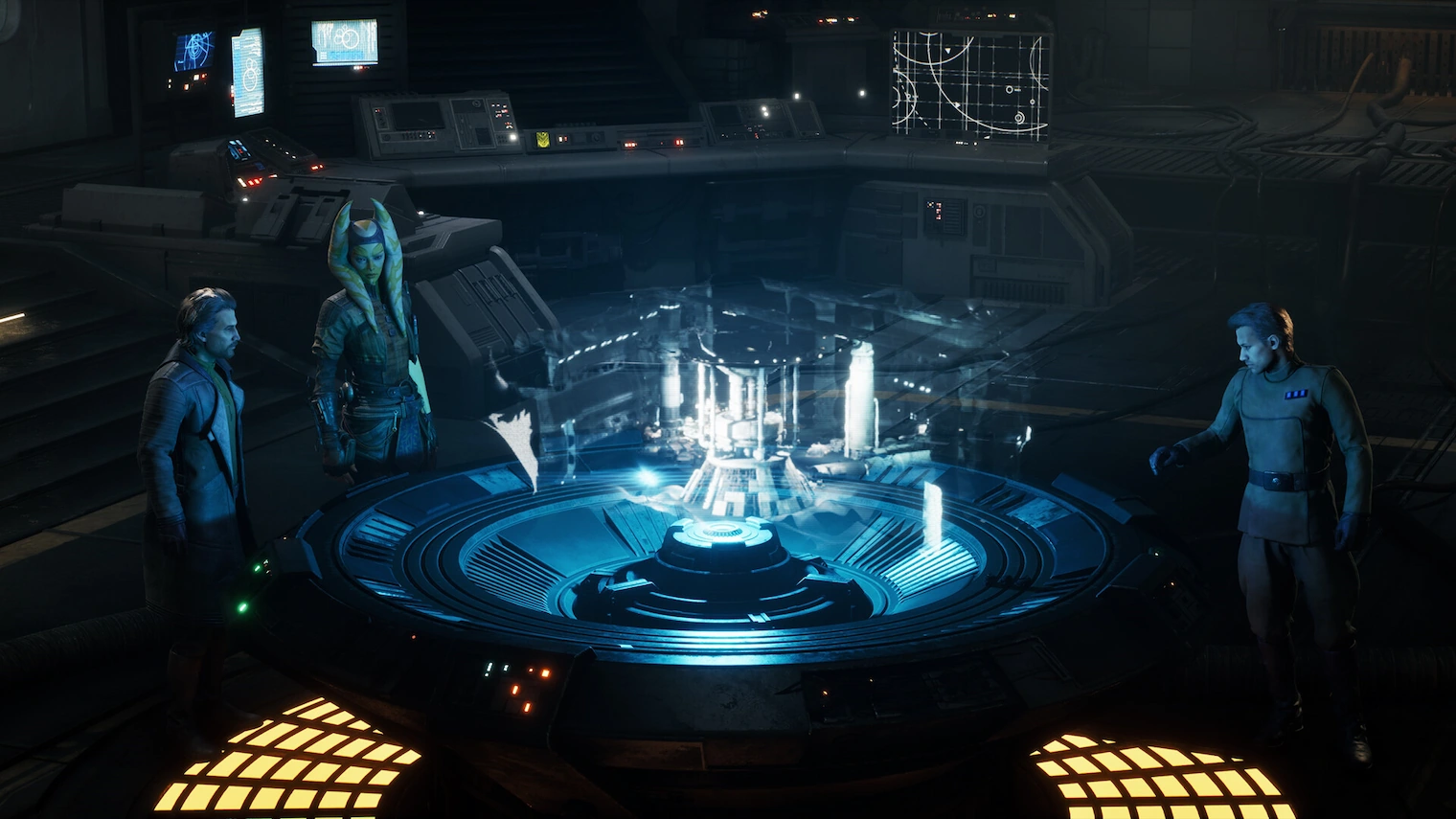
The Clone Wars have been shown many times, but usually from above: Jedi councils, Republic fleets, Separatist plots, famous characters, major campaigns and iconic battles. Zero Company appears to move the camera lower. That matters. A lower angle makes the war feel dirtier. It lets a mission become less about saving the galaxy and more about surviving a bad operation with a team that may not fully trust each other yet. It allows the player to see the Clone Wars as a place where every side carries damage. That kind of setting is perfect for tactical decisions because tactics are not only about winning. They are about what winning costs. The player leads Hawks, and that role matters because a former Republic officer already carries baggage. Someone like that is not entering the war as a blank hero. He has history, discipline, guilt, loyalty, maybe anger. A squad leader in a turn-based tactics game needs that weight. The player is not only choosing where to move units. The player is shaping what kind of command Zero Company becomes. That is where the game can separate itself. If Hawks is only a customizable avatar, the setup loses some force. If he is a leader with enough personality and pressure around him, the campaign could gain real identity. Tactical games are stronger when the commander feels responsible for more than victory screens. This is also where the Clone Wars setting can do more than provide background art. A covert squad operating during that period can run into moral situations that a simple heroic campaign would avoid. Orders may not be clean. Allies may not be trustworthy. The right tactical move may not feel right after the mission ends. That is the kind of tension this game should lean into.
zero company needs to feel like a team
The squad system may be the heart of the whole game. Star Wars Zero Company is already built around the idea of recruiting both authored and custom characters, with bonds forged on the battlefield helping turn combat in the player’s favor. That is exactly the right direction. A tactics game becomes more memorable when the player stops seeing units as ability containers and starts seeing them as people with timing, history and battlefield habits. A good squad-based game creates small stories during combat: the clone who saves the Jedi, the Mandalorian who holds the flank, the droid who turns a mission around, the wounded specialist who should have been extracted but still finishes the objective. Those moments are not always written in cutscenes. They happen because the systems allow them. That is why bonds and synergies are important. If two squad members fight together often, they should feel different together. If choices in the base change combat options later, that should matter. If a character is lost, injured, changed or pushed too far, the campaign should feel it. Star Wars has enough names, species and visual identity to make the squad look interesting. The harder task is making them mechanically important. The roster also needs balance. Too much fan service can flatten the game. Too much safe class design can make every mission feel like a checklist. The best version of Zero Company would let the squad feel strange, useful and slightly unstable. A Clone Wars black-ops team should not feel like a clean superhero lineup. It should feel like a group assembled because normal answers failed.
tactics can give star wars real pressure
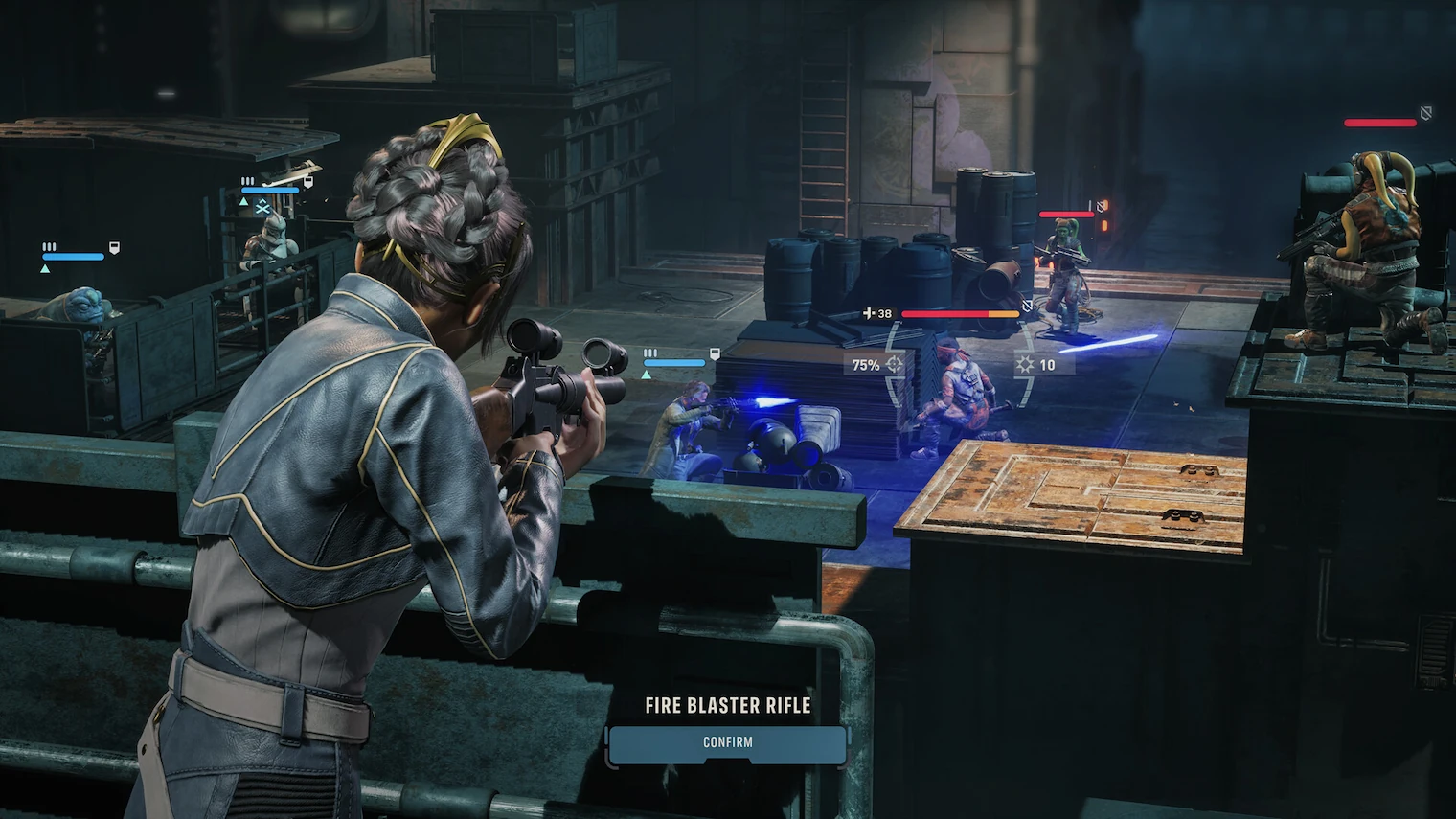
Turn-based tactics is a smart fit for Star Wars because the universe already has natural battlefield variety. Blasters, cover, droids, elevation, explosives, Force abilities, melee specialists, stealth units, heavy weapons, vehicles, turrets, scanning, sabotage, rescue missions, base defense and ambushes all belong here without forcing anything. The danger is simplicity. Star Wars Zero Company cannot survive only by placing familiar objects on a grid. It needs real pressure. The battlefield should ask uncomfortable questions. Do you push forward and risk exposure? Do you save one operative and lose the objective? Do you spend a powerful ability now or hold it for the next wave? Do you take the safer route and allow the enemy plan to continue? That is the language of the genre. If Zero Company wants to reach its potential, mission design has to be sharp. The best tactics games do not only ask the player to eliminate everything. They create changing priorities. A timer starts. Reinforcements arrive. A civilian target appears. A door locks. An enemy commander escapes. A squad member is isolated. The map turns from puzzle into crisis.Star Wars can support that beautifully. The license has enough military, political and underworld texture to make missions feel different. The game just needs to avoid turning every battlefield into the same rhythm with different background art. The official material describes a single-player turn-based tactics game built around high-stakes battles, authored and custom squad members, and choices that can decide life or death for Zero Company. That is the correct promise for this genre. Now the final game has to prove that those choices are not only dramatic text, but actual playable consequence.
base management could be the quiet difference
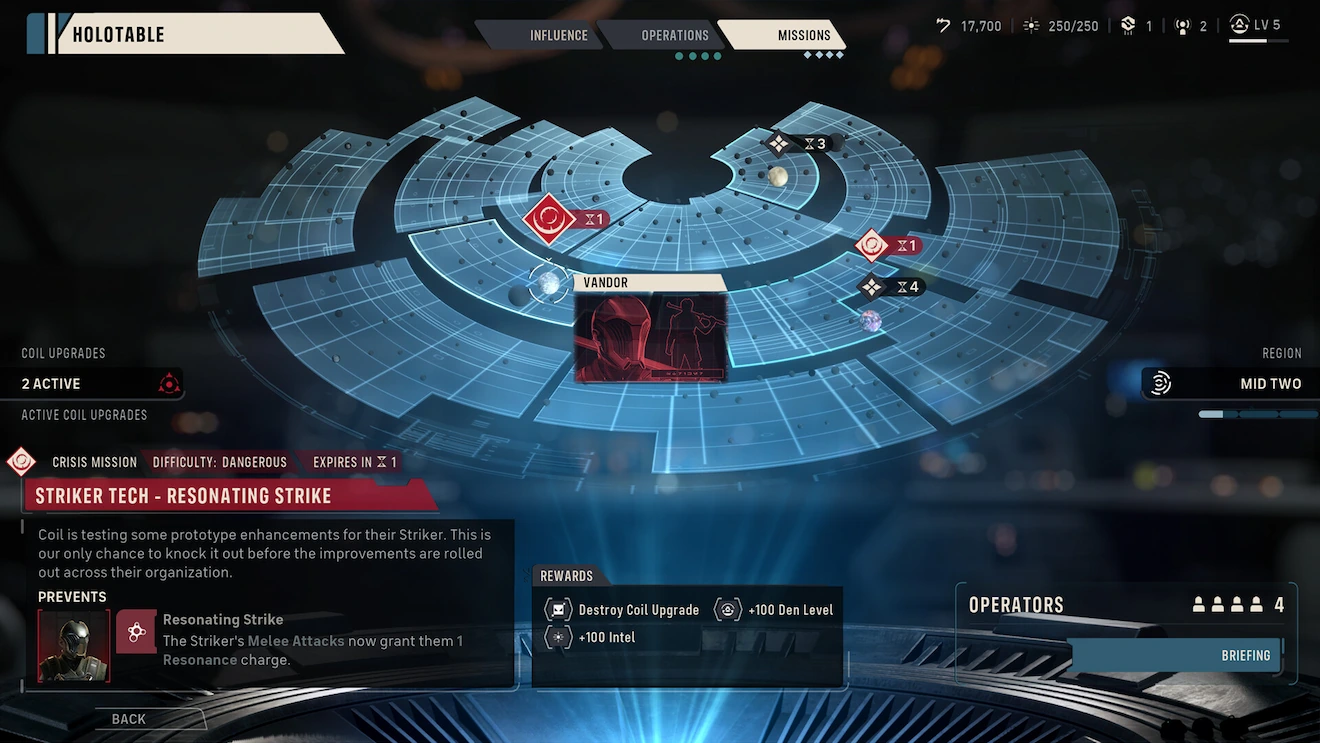
The base of operations is one of the most important parts of the announcement. A good tactical campaign needs a place between missions where decisions breathe. Combat is where plans are tested, but the base is where the campaign gains shape. Recruiting, upgrading, gathering intelligence, choosing missions, developing bonds and preparing for future threats can make the player feel like the war exists beyond the battlefield. This is where Zero Company can build long-term tension. The player should not only ask which mission is available. The player should ask which mission can be ignored, which squad member needs time, which threat is growing, which upgrade matters now, and what kind of company is being built. The campaign layer is especially important because Star Wars already has a huge world. A tactical game does not need to show every planet or every famous face. It needs to make the player feel that the war continues even when the squad returns home. The base can do that. It can turn separate missions into a larger operation. It can make intelligence matter. It can make recovery matter. It can make the squad feel like a unit that exists between battles, not only during them. If enemy plans evolve, if informants matter, if choices reveal or hide danger, the campaign can gain a strong sense of direction. If the base becomes only a pretty menu between missions, the game loses one of its best chances. Base systems do not need to be huge. They need to be meaningful.
the pc angle
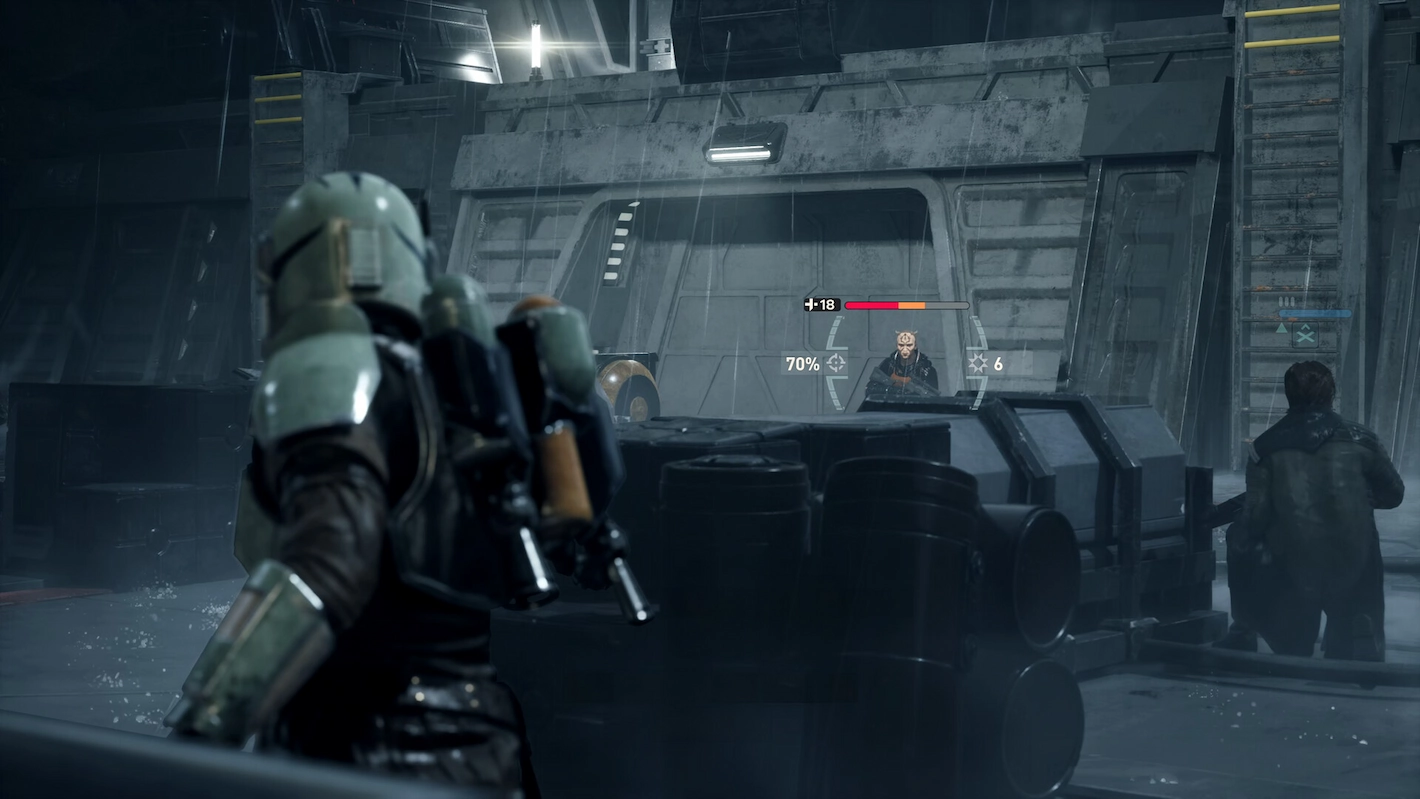
For PC players, Star Wars Zero Company lands in an interesting place. Turn-based tactics is one of those genres that still feels deeply at home on PC. Mouse control, readable UI, tactical camera movement, tooltips, squad management, keyboard shortcuts and clean performance all matter. This is not a genre where cinematic scale alone can hide interface problems. If the UI is slow, if the camera fights the player, if ability descriptions are vague, if the battlefield is hard to read, the whole experience suffers. A tactics game lives through clarity. PC players will notice immediately if the game is built with real tactical usability or if it is only adapted from a controller-first approach. That does not mean console versions cannot work. They can. But PC needs to feel like a primary home here. Fast squad selection, clear targeting, smooth camera control, good performance, clean menus and strong accessibility options should be part of the foundation. Steam already lists the PC version with Windows 10/11 support, 16 GB RAM minimum, 50 GB storage, and minimum GPU requirements including GTX 1080, RX 5600 XT or Intel Arc B580 for low preset 1080p at 30 FPS. Those early requirements suggest this will not be a tiny tactics game hiding behind simple visuals, so performance and optimization should stay on the watchlist. The visual side also needs restraint. Star Wars can be loud, but tactical readability matters more. Effects should look good without hiding cover, enemy lines, ability ranges or objective markers. A beautiful battlefield is useless if it cannot be read under pressure.
where the risk lives
This Special lands at 85 because the potential is clearly high, but not proven yet. The first risk is tactical depth. Star Wars Zero Company cannot be shallow and survive on branding. Turn-based tactics players have expectations. They know when positioning matters and when it is fake. They know when squad builds are meaningful and when every unit is just a skin over the same function. They know when the campaign layer has teeth. The second risk is balance between story and systems. Too much story with weak tactics would disappoint strategy players. Too much mechanical focus with flat characters would waste the squad premise. The best version needs both: battles that make the player think, and characters that make the player care about the result. The third risk is Star Wars itself. The license can help, but it can also trap the game. If Zero Company leans too hard on familiar imagery, it becomes safe. If it uses the setting to tell a sharper Clone Wars story from a lower angle, it becomes far more interesting. The fourth risk is mission repetition. Tactical games need variety. Escort, sabotage, extraction, defense, assassination, infiltration, rescue, survival, investigation and base-related objectives should all feel different. If too many missions become “enter area, clear enemies, watch cutscene,” the structure will lose force. Still, none of these risks are reasons to dismiss the game. They are reasons to watch it carefully.
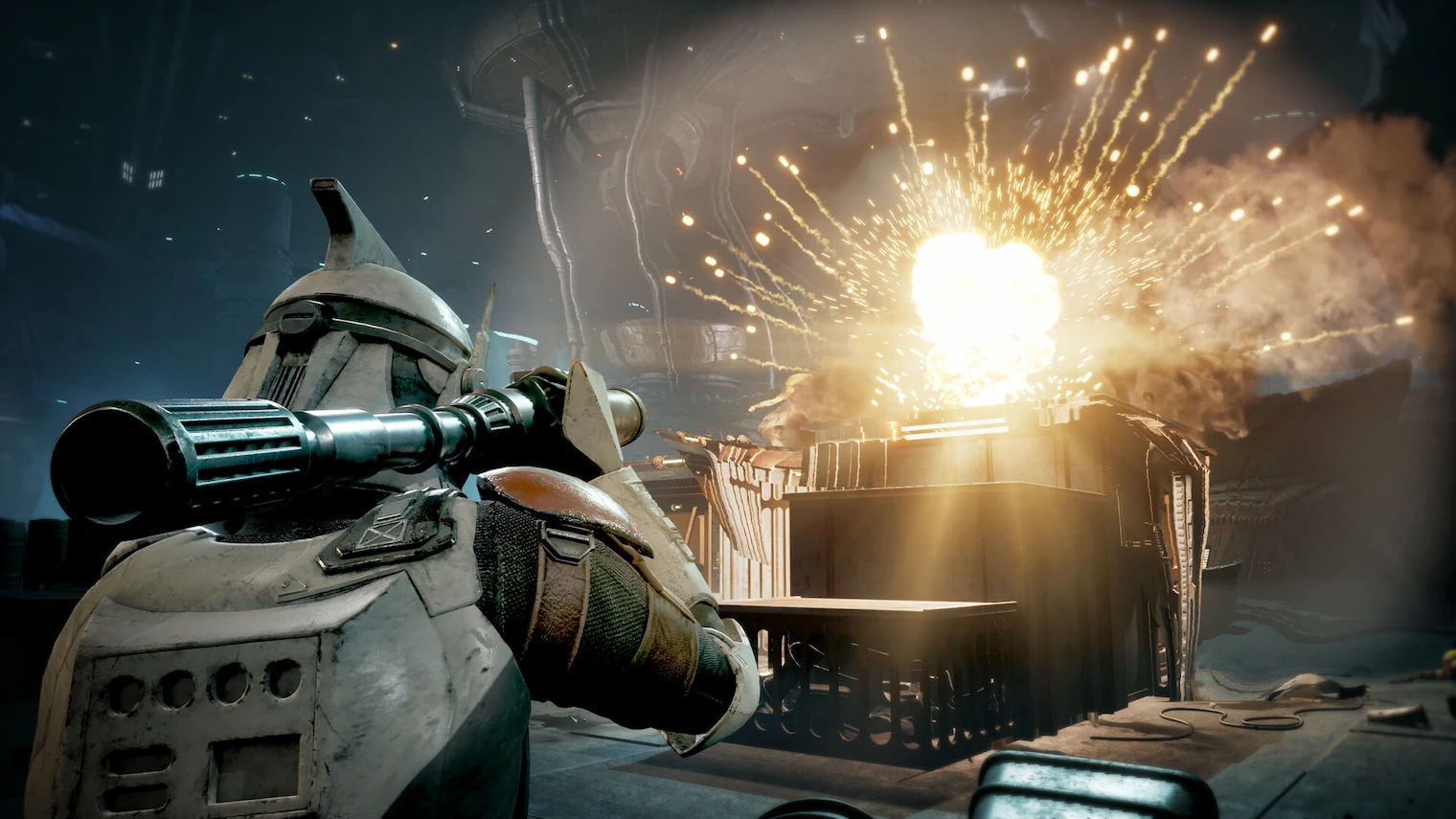
why the early mark stays cautious
A Score Before Score is not a final review score. It is an early editorial marker, used only when a game shows enough promise to deserve closer attention before release. Star Wars Zero Company earns that space because the concept is strong, the genre fit is smart, and the Clone Wars setting has real tactical potential. The squad structure, base layer, bonds between operatives and PC-friendly turn-based format all point toward a game with more depth than a normal licensed announcement. But the final judgment still depends on the parts nobody can fully measure yet: mission design, AI behavior, campaign pacing, PC interface, performance, squad writing, progression and how much the player’s choices actually change the campaign. The promise is strong. The proof is still ahead.