GIGABYTE BUILD | STEALTH AND WOOD SYSTEMS SHOW A CLEANER PC FUTURE
PC building is no longer only about airflow, temperatures, RGB zones and how much hardware can fit behind tempered glass. At Computex 2026, Gigabyte pushed that idea further with two very different but connected design directions: sleek Stealth builds and warmer Wood-themed systems. One is about hiding cables and cleaning up the inside of the case. The other is about making a PC feel less like a cold machine and more like part of a desk, room or studio setup. It is a small but important shift in how high-end hardware is being presented. Performance still matters, but the way a build lives inside a room is becoming part of the conversation too.

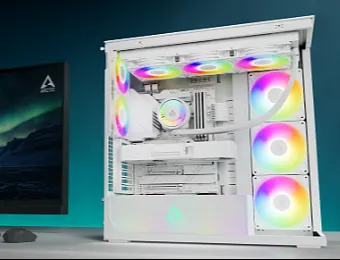
The Stealth side is the more technical one. Gigabyte’s approach is based on reverse-connector motherboard design, moving major connectors away from the visible front side of the build. In practice, that means fewer visible cables, more open space around the motherboard, and a much cleaner presentation for users who care about the look of the inside of the system. At Computex, Gigabyte showed the B850M Aorus Stealth Ice motherboard together with the Aorus GeForce RTX 5090 Stealth Ice graphics card, clearly aiming at minimalist white builds where cable clutter does not steal the view. This is not only a single-board experiment either. Gigabyte says the Stealth ecosystem now works with a wider group of chassis partners, including well-known case brands. That part matters because cableless builds are only useful if the motherboard, graphics card and case actually support each other. A clean connector layout sounds good on paper, but without case compatibility it becomes another niche idea that looks better in a booth than in a real home build. The Wood series goes in a different direction. Instead of trying to look sharper, colder or more aggressive, it tries to make PC hardware feel warmer. Wood texture, darker tones and more natural-looking materials are not the usual language of gaming hardware, but that is exactly why the concept stands out. Gigabyte is positioning these builds closer to lifestyle design, where the PC is not hidden under the desk and not treated only as a performance box. The X870E Aero X3D Wood series motherboard is the centerpiece of that idea, with Gigabyte also showing wood-themed builds in collaboration with Noctua and Tryx. That combination makes sense. Noctua has long been connected with warmer, non-traditional PC color choices, while Tryx fits the more premium visual side of modern custom setups. Together, the point is clear: Gigabyte wants wood-themed PCs to look intentional, not like a quick skin added to normal hardware.
pcdoorz likes this direction, with one important caution. Aesthetic PC builds can look excellent in official showcases, but the real test comes later: pricing, availability, case compatibility, cooling behavior, and whether normal builders can actually assemble these systems without fighting the layout. A cableless build that needs only a few specific cases is still limited. A wood-themed motherboard that costs too much becomes decoration for a small audience. The idea is strong, but execution will decide how far it goes. Still, the bigger trend is hard to ignore. PC hardware is slowly moving away from the old “black box with lights” identity. Some users want clean white systems. Some want no visible cables. Some want wood, glass, metal, muted colors and a machine that fits into a room instead of dominating it. Gigabyte’s Stealth and Wood builds show that motherboard and GPU makers are now taking that seriously.For performance-focused users, this may look like style first. But good PC design has always been a mix of function and appearance. Better cable routing can help assembly and airflow. Cleaner front-side layouts can make maintenance easier. Warmer materials and calmer design language can make high-end PCs feel less childish and more permanent. If Gigabyte can keep the compatibility wide and the pricing reasonable, Stealth and Wood may become more than Computex eye candy. For now, this is one of the more interesting design stories from Computex 2026. Not because wood texture or hidden cables are completely new ideas, but because Gigabyte is trying to turn them into a broader ecosystem. That is where the news becomes more important. A single pretty demo build is nice. A real platform for cleaner and more elegant PC building is something else.