WIND UP DEADMAN ANNOUNCED | MEMORIES, CASSETTES & DEAD WORLD
A cassette tape is not exactly the first thing modern RPGs reach for when they want to explain the end of the world. Most games go for cleaner sci-fi language: corrupted databases, broken satellites, dead servers, lost AI systems, digital ghosts. Wind Up Deadman looks in the other direction. It takes something physical, noisy, fragile and old, then turns it into the center of a ruined future. That is probably why this one immediately catches the eye. No giant open-world promise is needed here. No cinematic combat trailer trying to look bigger than it is. No familiar fantasy kingdom with another prophecy waiting in the corner. Wind Up Deadman starts with a stranger idea: people who can no longer trust memory, a dead world shaped by disaster, and the act of recording what remains onto tapes. Memory is not treated like background lore. It sounds like the main resource, the main wound, and maybe the main weapon.
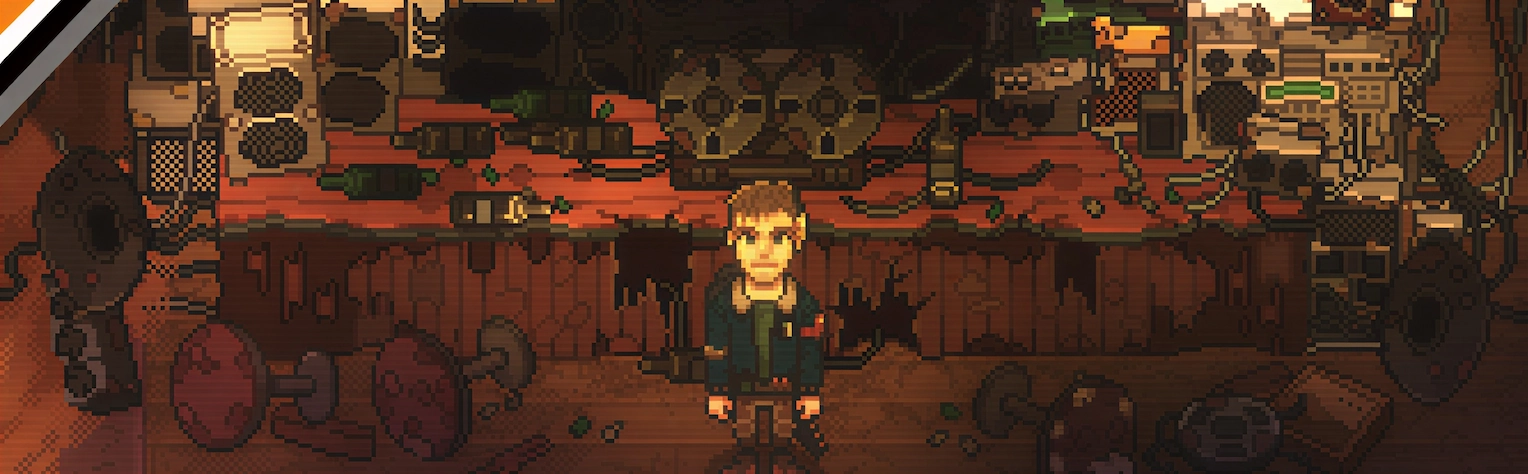
That gives the announcement a different kind of weight. A cassette can be played, stopped, rewound, damaged, copied, hidden or erased. In a world where people cannot hold on to their own past, that simple object becomes much more than retro decoration. It becomes proof that something happened. Maybe proof that someone existed. Maybe proof that the truth has already been edited. That is already a stronger hook than many bigger announcements manage. Wind Up Deadman is a newly announced retro-futuristic CRPG from South Korean indie developer SaneNuts Studio, with NEOWIZ set to publish the game. It is planned for PC through Steam, and while there is no release date yet, the concept is clear enough to deserve attention. This is a story-driven RPG built around manipulated memories, cassette futurism, pixel art, and choices that seem to reach deeper than simple dialogue branches. The setup is bleak, but interesting. After the Red Rabbit Disaster, humanity has lost the ability to remember properly. Survivors live by recording memories onto cassette tapes, turning old analog media into something much more important than nostalgia. Tapes are no longer just objects from another decade. They become identity, history, evidence, comfort, weapon, burden, maybe even a kind of currency. That is the kind of idea that can make a small RPG feel much larger than its budget.
a crpg built around memory, not just stats
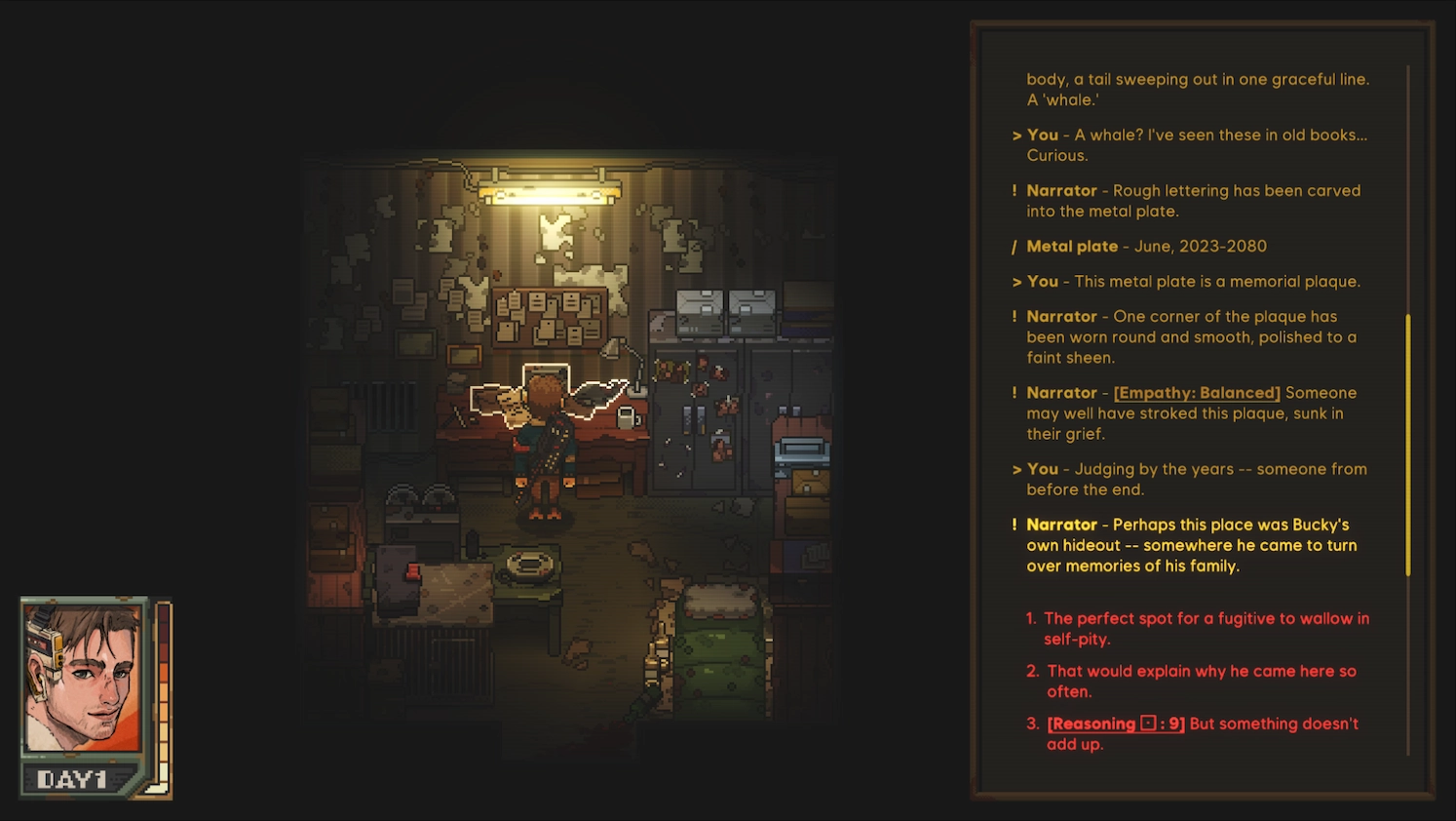
The player takes the role of Zephyr, an Archive Runner connected to the game’s memory system. The current description presents him as someone who reads, edits and chooses which memories remain. That alone gives Wind Up Deadman a strong role-playing angle. A lot of RPGs talk about choice, but many still reduce it to which faction lives, which reward you get, or which ending slide changes at the end. Here, the choice seems more personal and more dangerous. If memories can be erased, implanted or reinterpreted, then character identity becomes unstable. A person is not only what they did, but what they remember doing. Change the memory, and you may change the person. Keep the wrong one, and maybe you trap someone inside pain. Remove the wrong one, and maybe you destroy the only part of them that still matters. That is where the CRPG label becomes important. This does not look like an action RPG wearing dialogue as decoration. The pitch points toward narrative weight, character building and consequence. SaneNuts Studio describes its work around dialogue-driven role-playing, and Wind Up Deadman seems to continue that direction with a heavier, stranger world. The interesting part will be how far the systems go. Reading memories sounds good on paper. Editing them sounds better. But the game will need to make those decisions feel meaningful through writing, mechanics and long-term results. If every tape becomes only a quest item, the concept loses power. If every edited memory changes character behavior, relationships, personality or world state, then Wind Up Deadman could become something special.
cassette futurism has real style
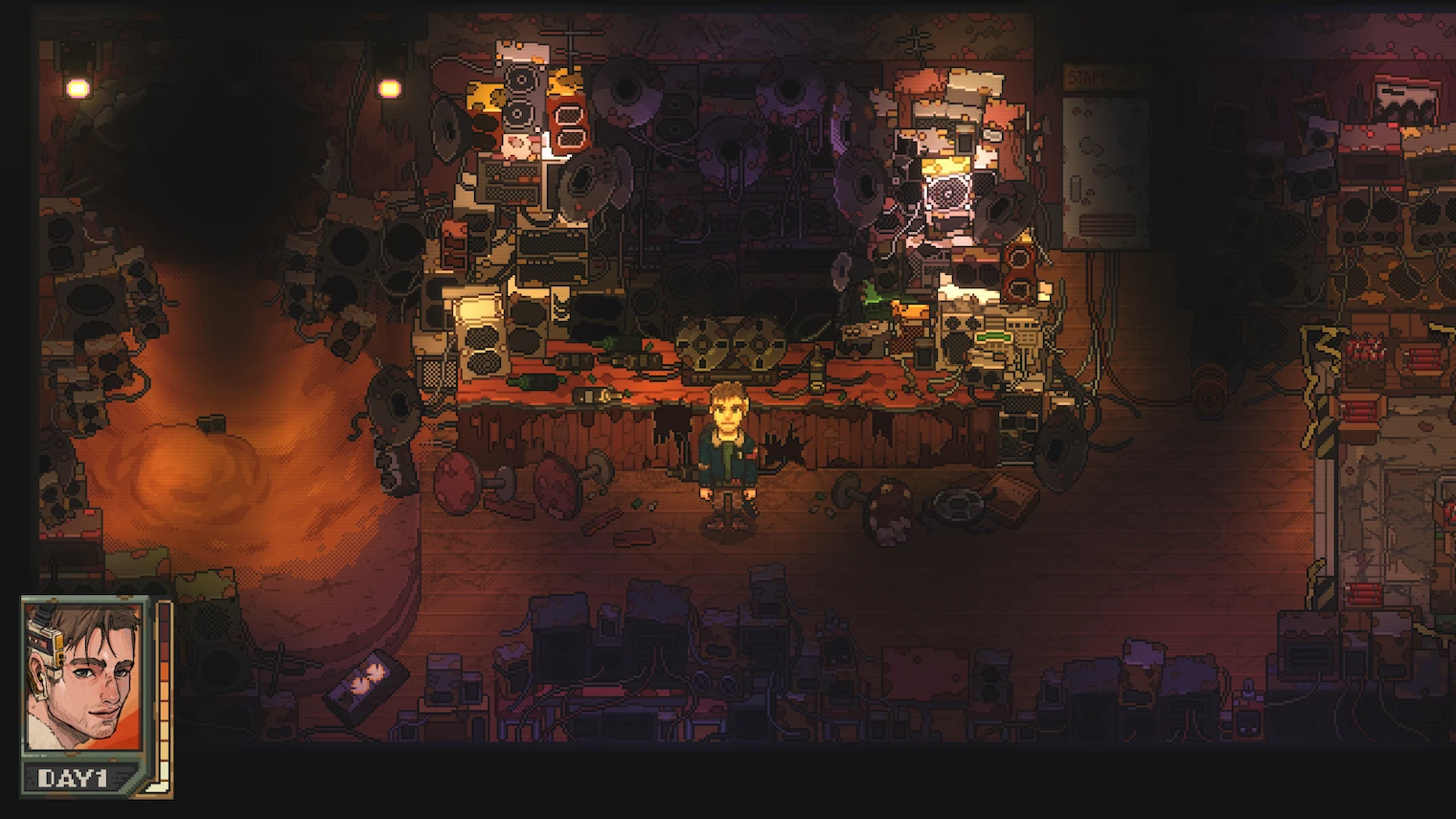
“Cassette futurism” is not just a cool label here. It gives the game a very clear identity. The 1980s analog technology angle separates it from cleaner sci-fi and from the usual cyberpunk glow. Cassettes are physical, imperfect, noisy and fragile. They can be rewound, damaged, copied, hidden, mislabeled or worn out. That already fits memory better than a perfect digital archive. A cassette has personality. It can hiss. It can degrade. It can hold a voice that feels too close and too far away at the same time. In a world where memory itself is broken, that kind of object carries more emotional weight than a normal data chip or sci-fi terminal. The pixel art direction also helps. Wind Up Deadman does not need photorealism to sell its world. In fact, pixel art may be the better fit for a story about damaged recollection. A less literal visual style can leave room for interpretation, mood and unease. The player is not just looking at a ruined world. The player is looking at a world filtered through fragments, recordings and missing pieces. That visual identity will matter a lot. CRPGs live or die through atmosphere as much as mechanics. Menus, dialogue windows, portraits, environments, item screens and UI design all carry the mood. If Wind Up Deadman fully commits to cassette texture, analog interfaces, memory archives and desert isolation, it could build a world that feels immediately recognizable.
neowiz is an interesting publisher for this
Neowiz publishing Wind Up Deadman is worth mentioning because the company has been building a stronger indie and story-driven publishing profile. For a small Korean CRPG, that backing could matter. Games like this need visibility. They do not survive only because the idea is good. They need enough attention to reach players who are tired of the same RPG shapes but still want something with systems, dialogue and narrative weight. This is also not the kind of game that should be rushed into a simple “looks cool” box. It needs time to show how it actually plays. The announcement gives us world, tone and concept, but the real test will be structure. How open are the choices? How deep is character building? How often do memory decisions change the world? Is combat part of the experience, or is the game mostly dialogue and systems? How much agency does Zephyr really have? Those questions matter because CRPG players are not easy to fool. A strong premise can open the door, but it cannot carry a full game alone. The writing has to hold. The systems have to react. The player needs to feel that choices are not only being counted somewhere in the background, but actually shaping the people and places on screen. Still, as announcements go, this is a good one. It does not feel like a copy of the last popular RPG. It has its own language.
why this one is worth watching
Wind Up Deadman stands out because it understands something many RPG announcements forget: a smaller game can look important if the idea is sharp enough. The world does not need to be enormous. The trailer does not need to promise hundreds of hours. The developer does not need to pretend this is the next giant genre revolution. A strong central concept can be enough. Memory recorded on tapes. A disaster that breaks human identity. A runner who edits what others remember. A dead world where the past may be more dangerous than the future. That is a strong foundation for a narrative CRPG. The risk is obvious too. A game about memory manipulation needs careful writing. It cannot rely only on mystery words and retro styling. It has to make the player care about what is being preserved, what is being changed, and what kind of person Zephyr becomes through those choices. If the game treats memory as a simple puzzle mechanic, the concept may feel thinner than it should. If it treats memory as identity, guilt, history and survival, then it has a chance to hit harder. For now, Wind Up Deadman goes on the watchlist. It is early, and there is no release date yet, but the announcement has enough personality to justify attention. PC needs more RPGs that are not afraid to be specific. This one looks specific.
cassettes, choices and a dead world
The most promising thing about Wind Up Deadman is that it does not look like it was built from a checklist. It has a clear object at the center of the world, a clear narrative problem, and a visual style that actually fits the theme. The cassette tape is not decoration. It is part of the story language. That matters. A lot of modern game announcements try to sound bigger than they are. Wind Up Deadman sounds smaller, stranger and more focused. That may be the better route. A CRPG does not need to win through size. It can win through writing, consequence, atmosphere and the feeling that one decision quietly changed more than expected. If SaneNuts Studio can turn its memory-editing premise into real role-playing consequence, Wind Up Deadman could become one of those quiet PC titles people discover, talk about, and remember longer than expected. For now, the tape is only starting to rewind.