RECENZIJA | KINGDOM COME: DELIVERANCE II | DRAGONS? HISTORY NEEDS NONE
Some reviews arrive late because a game disappears quickly. This one arrives late for the opposite reason. Kingdom Come: Deliverance II has been out for more than a year, the first wave of opinions has already passed, patches have had time to settle, players have argued about its systems, and the larger gaming calendar has moved on. Still, leaving this game without a proper pcdoorz review would feel wrong. Not every title should be treated like launch-window content, and not every important RPG loses its relevance once the first traffic wave is gone. Kingdom Come: Deliverance II is the kind of game that keeps its weight after the release conversation fades. It is too specific, too ambitious, and too committed to its own vision to be reduced to old news. Warhorse Studios did not build a disposable medieval adventure that only mattered for a few weeks. It built one of those rare RPGs that deserves to be discussed as a reference point, especially for players who still care about believable worlds, historical atmosphere, difficult systems, and role-playing that does not need fantasy shortcuts to feel powerful.
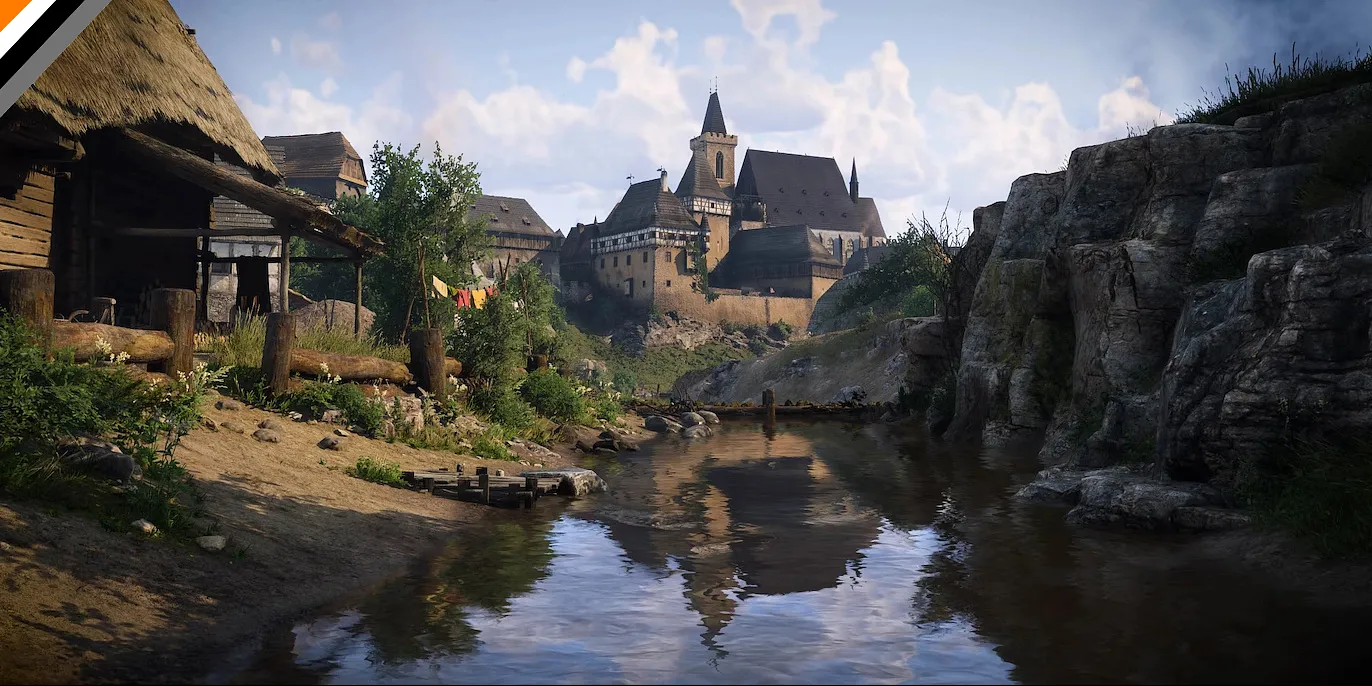
Kingdom Come: Deliverance II is not only a bigger sequel. It is a stronger statement of what this series was trying to be from the beginning: a grounded medieval RPG where history, place, survival, social position, clothing, dirt, hunger, reputation, skill, and human stupidity matter as much as swords and quests. It is an open-world RPG without dragons, magic, glowing loot showers, chosen-one fantasy, or easy power trips. Instead, it asks the player to live inside 15th-century Bohemia as Henry of Skalitz, a man who is still shaped by class, violence, politics, war, friendship, revenge, and the rough practical limits of the world around him. That ultra-realistic approach is the game’s greatest strength. Kingdom Come: Deliverance II does not use realism only as decoration. It builds its identity around it. Roads feel like roads. Villages feel like communities. Forests feel like places where you can get lost, followed, ambushed, or simply delayed. Castles are not theme park backdrops. Taverns are not only quest hubs. Clothes are not only stat sheets. Weapons are not only damage numbers. The world has a physical and social logic that most RPGs only pretend to have, and that is why this sequel feels so powerful when it works.
a medieval world that feels built, not generated
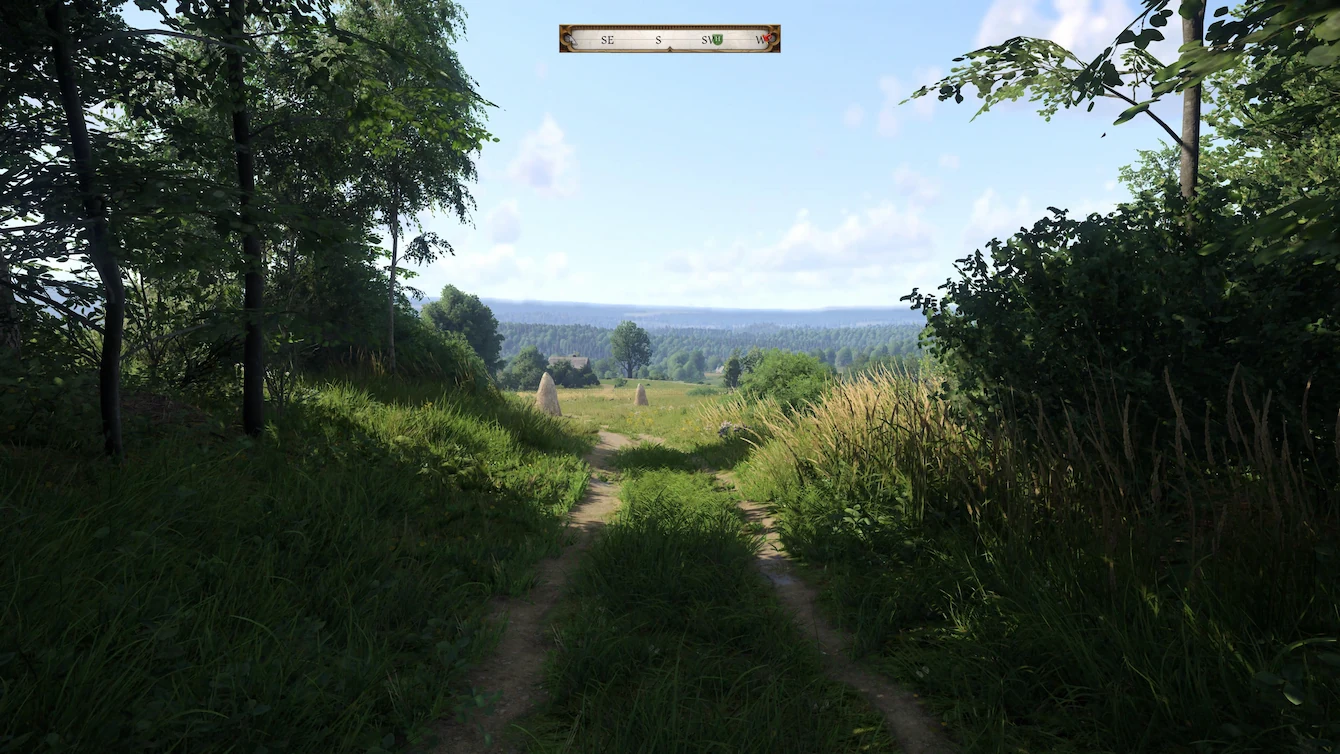
The strongest open worlds are not always the largest ones. They are the ones that convince the player that someone actually thought about how people live there. Kingdom Come: Deliverance II understands that better than most modern RPGs. Its Bohemia does not feel like a map filled with content icons. It feels like a place with roads, distances, social rules, local problems, dangerous corners, and human routines that existed before Henry walked into them. That is a huge part of the magic. The game does not need fantasy creatures to make the world interesting because the world itself already has enough tension. A village under pressure, a road through the woods, a guarded gate, a noble dispute, a suspicious innkeeper, a dirty shirt before an important conversation, a weapon you are not skilled enough to use properly all of these things become part of the role-playing experience. This is where Kingdom Come: Deliverance II separates itself from many prettier but emptier open-world games. The locations are especially important. This is not generic medieval Europe. It is a historical setting with a clear regional identity, a believable sense of architecture, and a visual personality that makes the game feel rooted in a real place. The landscapes are beautiful, but not in a postcard-only way. They are practical, muddy, wooded, uneven, and lived in. The towns and settlements have that rare RPG feeling where the player slows down not because the game forces it, but because the space itself feels worth observing. There is a kind of confidence in this design. Warhorse Studios is not afraid of quiet roads, slow travel, ordinary interiors, or conversations that do not immediately explode into combat. The game trusts the player to appreciate texture. It trusts the player to notice small details. It trusts the setting enough to let history do some of the work.
realism as a system, not a visual filter
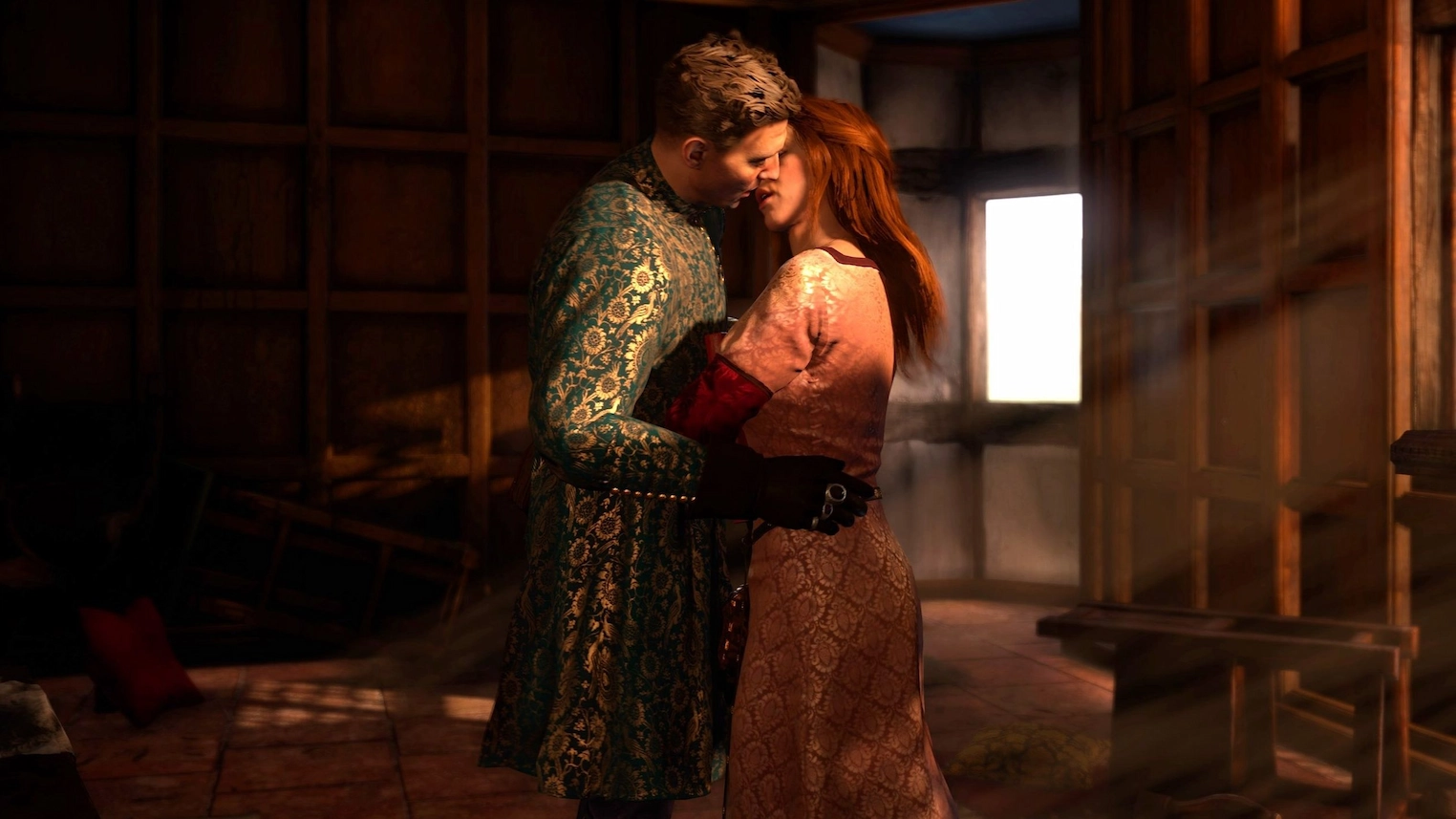
Many games call themselves realistic because they have detailed armor, serious faces, and dark lighting. Kingdom Come: Deliverance II goes much further. Realism here is systemic. It affects combat, reputation, speech, survival, clothing, exploration, crime, economy, and the way Henry slowly becomes more capable through practice rather than instant fantasy progression. That approach can be demanding, but it gives the game a sense of weight that is difficult to fake. Henry does not feel like a hero who simply receives power through level-ups. He feels like someone who learns. The difference is important. When you improve at combat, persuasion, sneaking, crafting, reading situations, or moving through the world, it feels earned because the game allows you to be weak, clumsy, poor, dirty, underprepared, or socially out of place before you become stronger. This is not always comfortable design. Some players will bounce off it. Kingdom Come: Deliverance II is slower than many modern RPGs, and it does not always rush to reward the player. But that patience is exactly why its progression works. The game understands that weakness can be useful if strength later feels real. Becoming capable in this world means more because the world did not treat you like the center of the universe from the first hour. That realism also gives consequences to ordinary decisions. What you wear, how you behave, where you go, who sees you, what condition you are in, and how prepared you are can all matter. It is not perfect simulation, but it is a far richer illusion of medieval life than most RPGs attempt. The result is immersion that does not come only from graphics. It comes from friction.
first-person medieval life, for better and worse
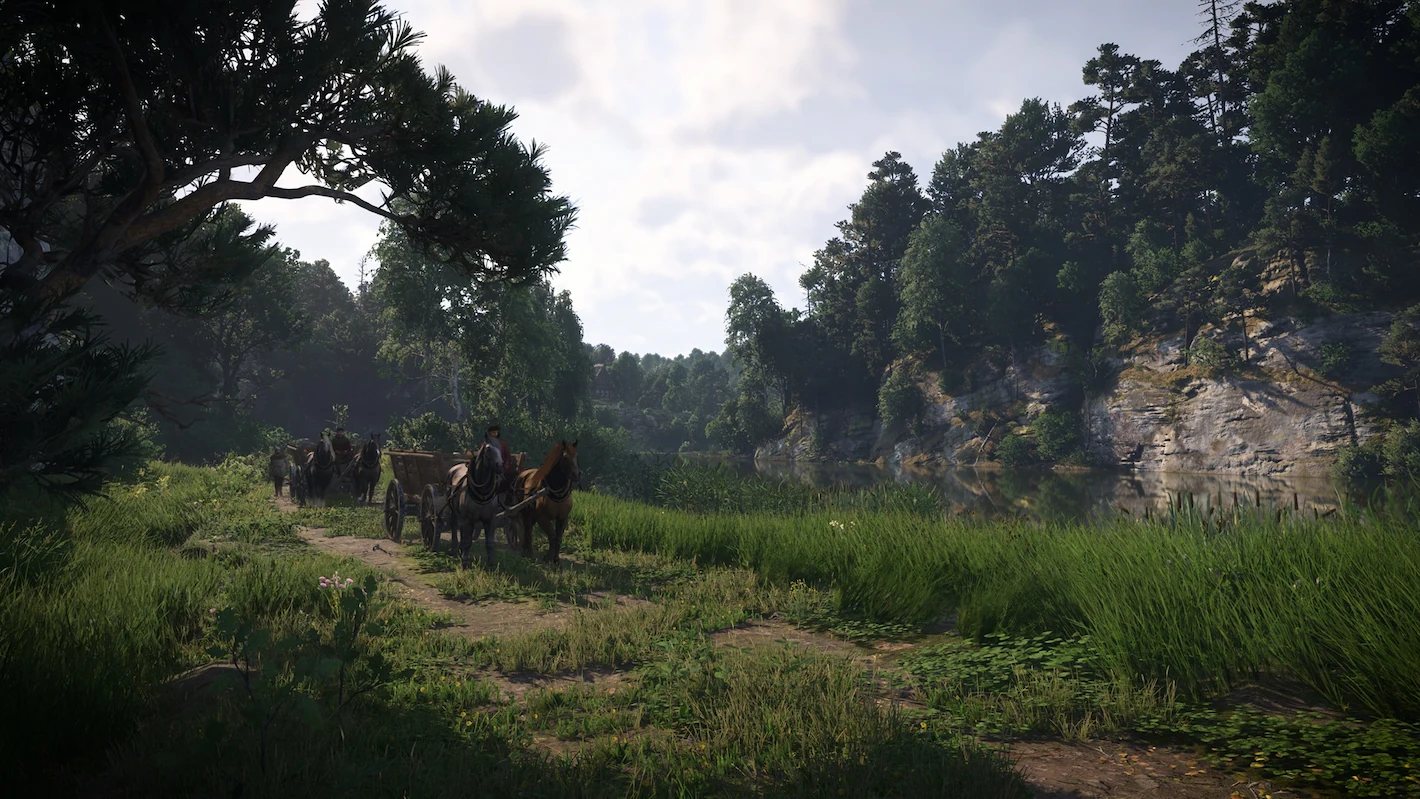
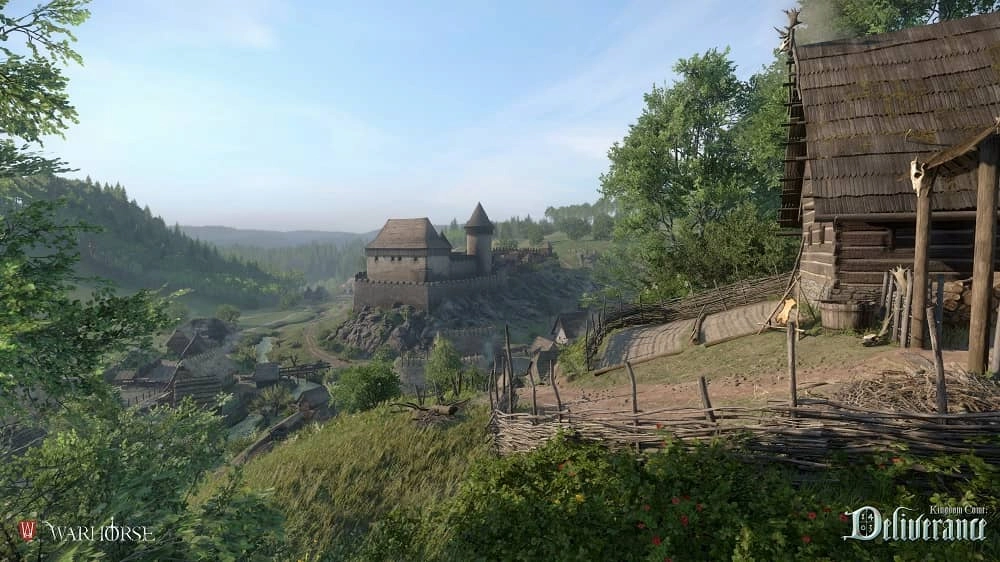
Kingdom Come: Deliverance II is built around first-person immersion, and most of the time that choice makes sense. Conversations, sword fights, movement through forests, close interiors, sneaking, riding, and the simple act of looking around a village all benefit from that direct perspective. The game wants you inside Henry’s body, not floating above him like a tactical camera. It wants the world to feel close. Still, one small disappointment remains: the absence of a proper third-person option. For a game this beautiful, this detailed, and this focused on clothing, armor, character presence, and physical role-playing, it is easy to understand why some players would want to see Henry from outside the first-person view. A third-person mode could make travel, outfit appreciation, horseback movement, and general exploration feel more cinematic. At the same time, this is not a simple missing checkbox. Kingdom Come’s combat, animation logic, interaction systems, close-range navigation, and immersive design are deeply tied to first-person play. Adding third-person properly would not be easy, and a weak version of it could damage the precision and identity of the game. So yes, the absence is a minor negative for this review, but it is one we can understand. The game is not ignoring a simple feature out of laziness. It is committed to a perspective that supports its mechanics. That commitment is part of why Kingdom Come: Deliverance II feels so focused. It may frustrate players who prefer seeing their character at all times, but the first-person view reinforces the game’s physical and historical closeness. You are not watching Henry live in Bohemia. You are often forced to live through his limitations.
combat that still demands respect
The combat in Kingdom Come: Deliverance II is not made for players who want every fight to feel instantly smooth. It is built around timing, weapon reach, stamina, positioning, defense, training, and the uncomfortable reality that a fight can go wrong quickly. That is exactly why it works. Medieval combat here has a clumsy danger that feels appropriate. You are not dancing through enemies like a fantasy hero. You are trying to survive violence that feels heavy, close, and risky. The sequel refines the original formula without turning it into something completely different. The learning curve is still there, but the systems feel more confident. Fights have more readability, better flow, and stronger feedback, while still keeping the sense that Henry’s skill matters. The game does not want combat to be a universal solution. It wants the player to think before drawing a weapon. This matters because the world becomes more believable when violence is not casual. If every problem could be solved by sprinting into a camp and killing everyone without serious risk, the historical tone would collapse. Kingdom Come: Deliverance II keeps combat connected to preparation and consequence. Armor matters. Weapon choice matters. Skill matters. Numbers matter. Terrain and timing matter. Even confidence can become dangerous. That can make the game less accessible, but it also makes victories more memorable. Winning a difficult fight does not feel like clearing another encounter. It feels like surviving something that could have gone badly. That sense of danger is one of the reasons the game’s grounded world feels alive.
quests that benefit from human messiness
The best quests in Kingdom Come: Deliverance II are not always the most spectacular ones. They are the ones that understand people. This is a game full of pride, lies, fear, class tension, religious pressure, foolish decisions, local grudges, political danger, and characters who rarely behave like clean quest-givers waiting for the player to fix everything. That human messiness gives the writing texture. Henry himself remains a strong center because he is not a blank heroic statue. He can be funny, stubborn, naive, angry, loyal, foolish, brave, and deeply shaped by what happened to him. The story uses that well. It gives the player a personal stake while also pushing Henry into a larger world of nobles, soldiers, townsfolk, criminals, and people trying to survive a period of instability. The game also benefits from its willingness to slow down. Not every quest needs to be a major battle or dramatic revelation. Some are built around talking, investigating, traveling, dressing properly, earning trust, making mistakes, or figuring out how a local situation actually works. This is where Kingdom Come feels less like a standard RPG and more like historical fiction with systems attached. There are moments where the pacing can test patience. The game is long, dense, and sometimes stubborn. But when the writing, setting, and mechanics align, the quests feel unusually grounded. They do not always ask, “What is the coolest thing the player can do?” Sometimes they ask, “What would make sense in this place, with these people, under these rules?” That is a better question for this series.
a beautiful game because it knows what to show
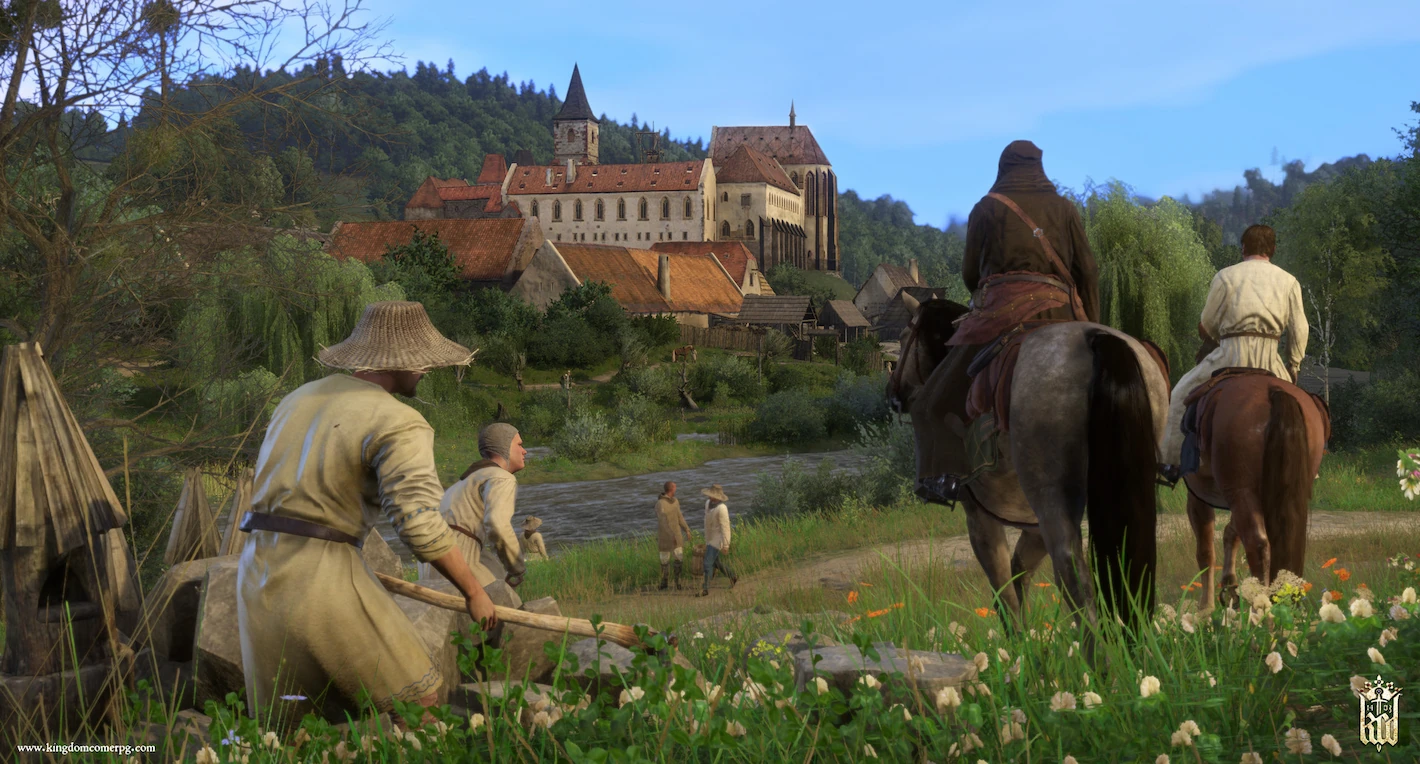
Kingdom Come: Deliverance II is visually impressive, but not only because of technical detail. It is beautiful because it understands its subject. The forests, fields, roads, buildings, clothing, interiors, weather, mud, light, and daily movement of the world all serve the setting. The game is not trying to be visually loud all the time. It often looks best when it is simply letting medieval Bohemia breathe. The art direction deserves real credit. This is not fantasy medieval design with exaggerated castles and impossible armor. It is more restrained, which makes it more convincing. The materials look grounded. The landscapes feel regional. The towns have character without becoming theme parks. Even ordinary objects help sell the world because they fit the same historical language. Sound also plays a major role. The world feels physical because it sounds physical: footsteps, animals, voices, metal, wood, weather, crowds, quiet roads, and the sudden violence of combat all support immersion. Music is used with enough care that the game can feel grand without losing its rougher, human quality. This is where the ultra-realistic approach becomes more than a design phrase. The game’s presentation constantly reminds the player that realism is not only about difficulty or systems. It is also about atmosphere. It is about making a place feel like it has existed for centuries and will continue existing after the player leaves.
a slow game in a fast industry
One reason Kingdom Come: Deliverance II feels important is that it does not behave like a modern attention trap. It is huge, yes, but not in the same way as many open-world games. It is not constantly begging the player to chase bright markers, collect meaningless rewards, or consume content quickly. It asks for time. It asks for attention. It asks the player to accept that immersion sometimes means inconvenience. That makes it harder to recommend casually, but easier to respect deeply. This is a game for players who enjoy getting absorbed rather than simply entertained. It rewards people who read situations, listen to dialogue, prepare for travel, learn systems, and accept that not every part of an RPG needs to be instantly comfortable. The slow pace will not work for everyone. Some players will find the realism heavy. Some will find the early hours demanding. Some will want a cleaner fantasy power curve. That is fine. Kingdom Come: Deliverance II is not designed to please everyone, and that is one of its strengths. It has a point of view. In a gaming culture that often smooths every edge to reach the broadest possible audience, Warhorse Studios has made a sequel that keeps its edges and polishes around them. That is rare.
where it still stumbles
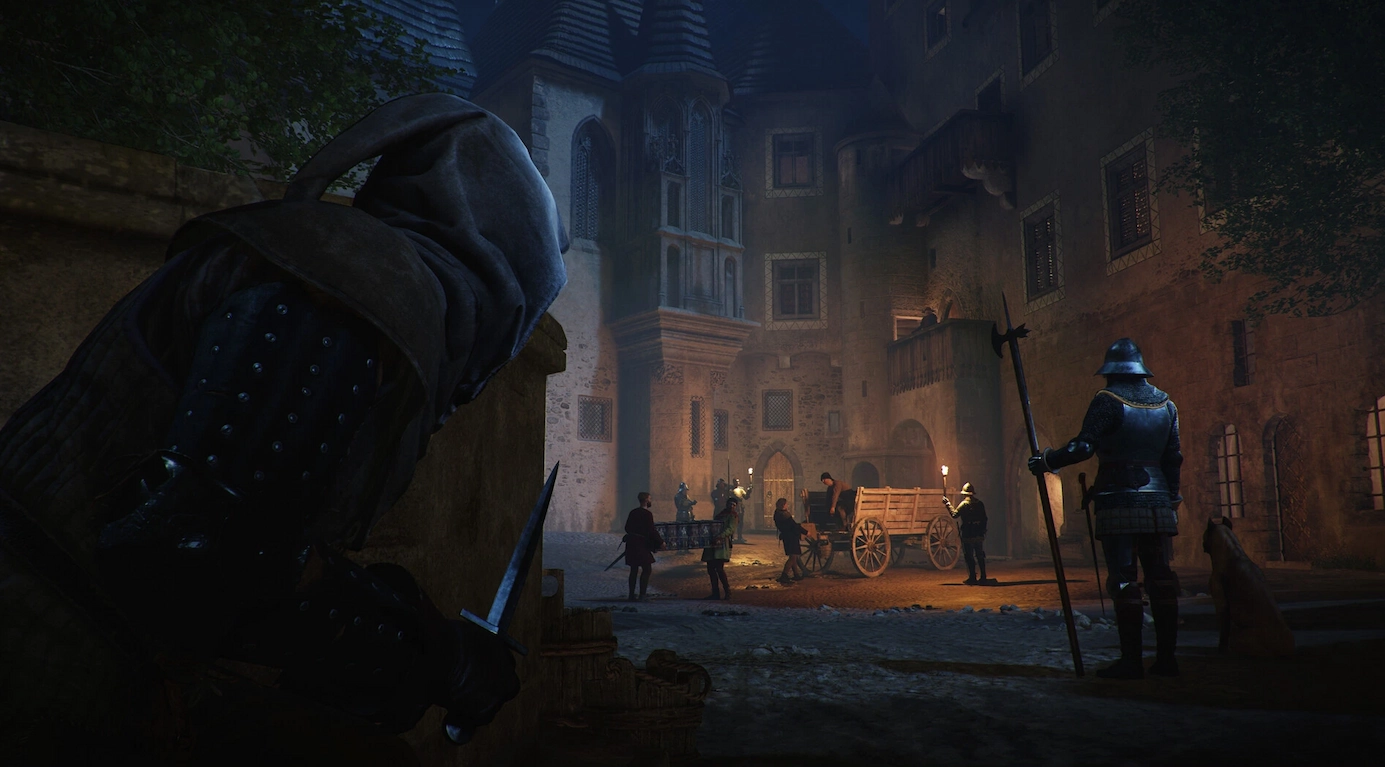
A score of 92 does not mean the game is flawless. Kingdom Come: Deliverance II is excellent, but it still carries some friction that deserves mention. The first-person-only perspective will remain a small issue for players who want to see Henry more naturally in the world. The pacing can be heavy. The simulation layer can occasionally feel like work. Some systems are so committed to immersion that they may frustrate players who just want to move the story forward. There can also be moments where ambition creates unevenness. A game this dense will not keep every quest, mechanic, animation, or interaction equally smooth. Sometimes the same realism that makes the world convincing can make the game feel stubborn. Sometimes the long-form structure asks for more patience than the moment deserves. But these are not problems that break the identity of the game. Most of them come from the same place as its strengths. Kingdom Come: Deliverance II is demanding because it is specific. It is specific because it has a vision. And that vision is exactly why it stands above so many safer RPGs.
why this review still matters
Reviewing Kingdom Come: Deliverance II more than a year after release actually makes sense. The launch moment is no longer carrying the conversation. The hype has cooled. The early reactions have settled. What remains is the game itself, and the game still looks important. It is not only a strong sequel. It is proof that a historically grounded RPG can still feel ambitious, commercially relevant, and creatively alive. This matters for PC gaming. The platform has always had room for deep, strange, demanding, system-heavy games that might not fit the cleanest marketing boxes. Kingdom Come: Deliverance II belongs to that tradition. It is not weird in a small indie way. It is weird in a large, expensive, confident way, and that makes it even more impressive. It also shows that realism does not have to mean dullness. A historically grounded world can be dramatic. A game without magic can still feel full of wonder. A sword fight without fantasy powers can still feel intense. A muddy road can be more memorable than another glowing portal if the world around it is built with enough care. That is why this review belongs on the site even late. Some games are not only content to cover. Some games are reference points.