PREGLED | MANDATE ORDER | BUILD THE CITY, COMMAND THE WAR
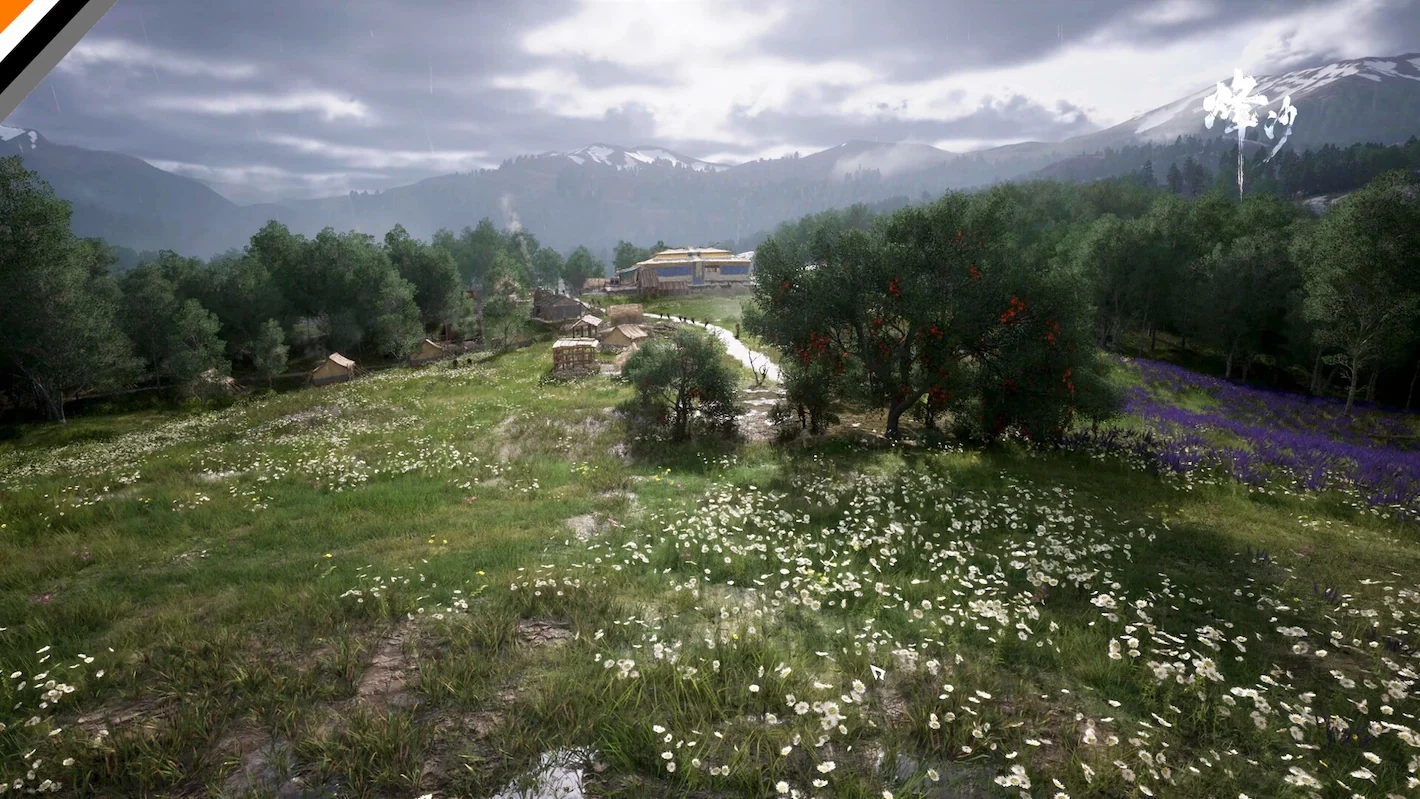
Mandate Order approaches the city-building genre from a harsher direction than the usual settlement fantasy. Its ancient Chinese stronghold is not being raised simply to grow, decorate and prosper; every farm, workshop, warehouse and defensive wall exists under the possibility of invasion. Set during the Spring and Autumn and Warring States periods, Digital Sky’s strategy game combines free-form construction, resource management, government policy and real-time warfare inside one continuous campaign. Buildings are placed without a rigid grid, allowing roads, residential districts, production areas and fortifications to follow the terrain rather than a predetermined pattern. Seasonal changes are intended to affect more than scenery, influencing farming cycles, production and the timing of military expeditions. A poor harvest or badly planned supply network could therefore weaken an army long before the first formation reaches the battlefield. The planned release window is Q3 2026, with the game currently confirmed as a single-player Windows title on Steam and the Epic Games Store.
government is part of the strategy
The most interesting element may be the way Mandate Order connects political philosophy to practical management. Players recruit retainers associated with the Hundred Schools of Thought, including Confucianism, Daoism, Mohism, Legalism, Militarism and Agriculturalism, then assign them to governance, diplomacy, military command and policy development. These advisers are not presented as decorative characters around a passive court. Their schools influence the direction of the state, while a national-policy grid and court debates shape how the city responds to pressure. Trade agreements, ceasefires, alliances and coordinated action against stronger enemies sit alongside internal decisions about agriculture, industry and military readiness. This could give the game a broader strategic identity than a conventional fortress builder, provided the systems genuinely interact rather than existing as separate menus. A militarised state should ideally feel different from one built around trade, reform or agricultural stability, and the announced retainer combinations suggest that Digital Sky wants several viable approaches instead of one optimal route toward expansion.
logistics before the battlefield
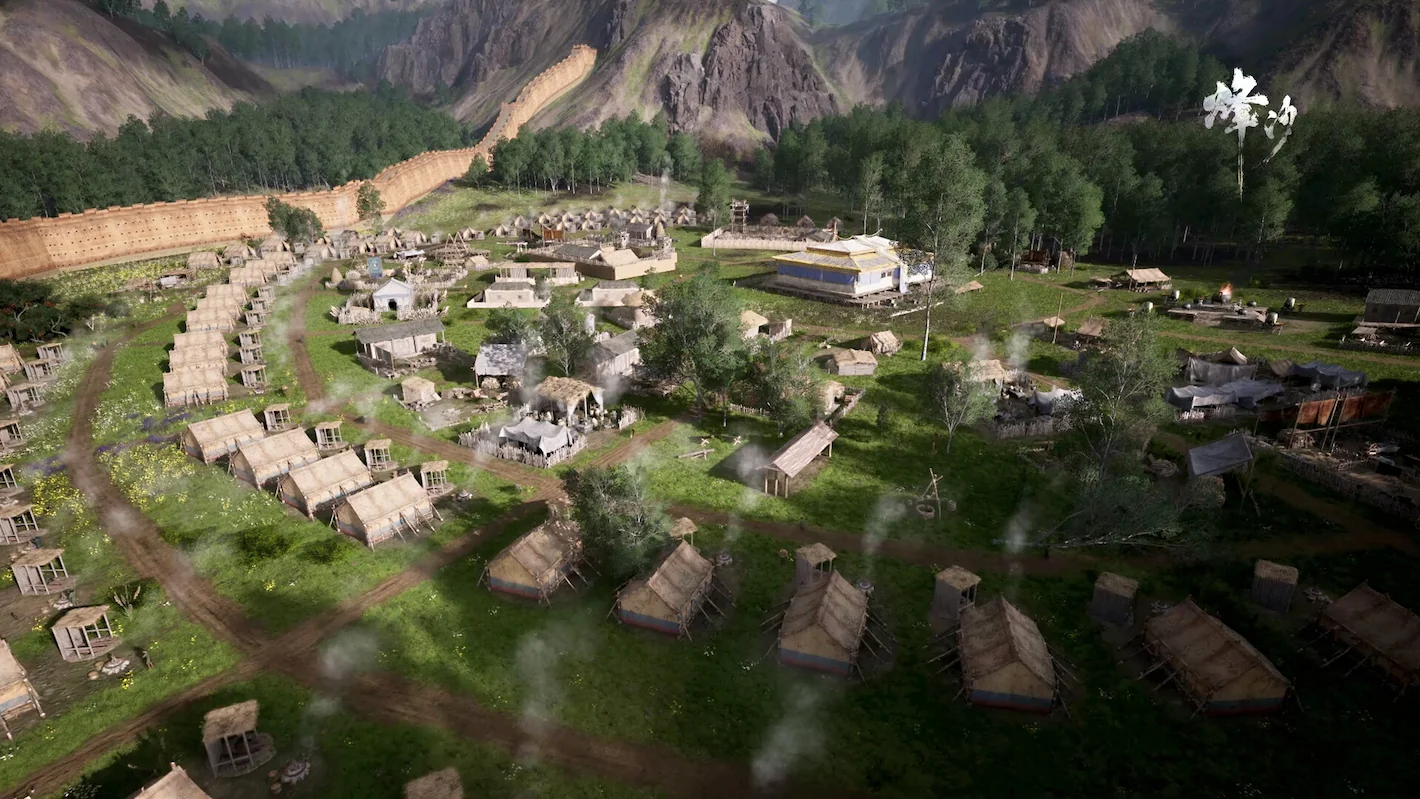
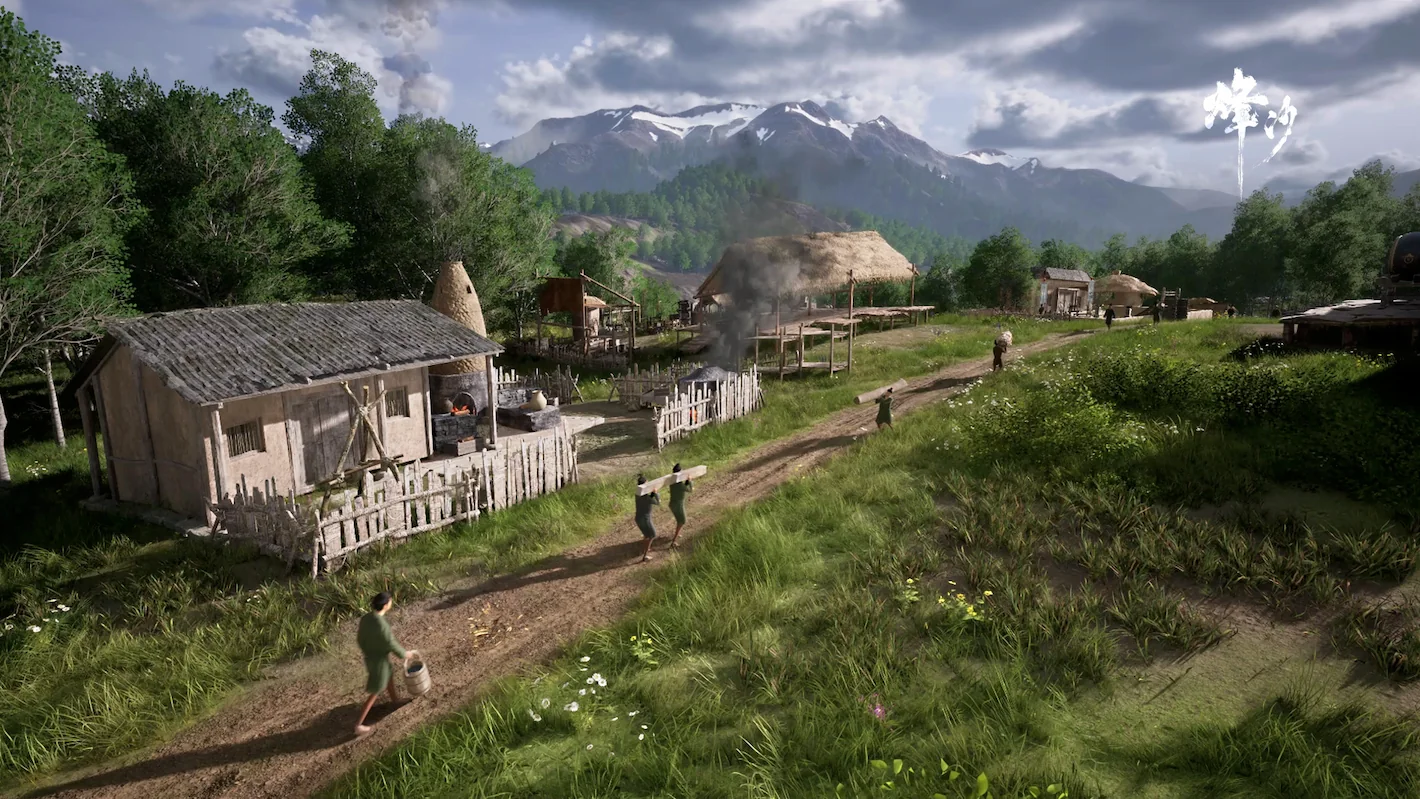
Mandate Order appears most convincing when it treats warfare as the final result of an economic system rather than an isolated spectacle. Timber, ore and grain must be gathered, processed, stored and distributed through a connected industrial chain, while cargo and courier stations are intended to improve long-distance movement. Technology, building upgrades and institutional reforms then change how efficiently the state functions. The importance placed on logistics gives its large battles more credibility: thousands of soldiers may look impressive, but those armies still depend on food, equipment, transportation and a city capable of replacing losses. Dynamic weather, disasters and seasonal production add further pressure, and ritual systems can influence calamities and event outcomes. This is where the game’s claim of realism needs some qualification. Its economic and military foundations look grounded, but elements such as Panda Warriors and fortune-altering rituals introduce deliberate stylisation. Mandate Order is therefore better understood as a historically inspired war simulation than a strict recreation of ancient China.
thousands of soldiers, physical sieges
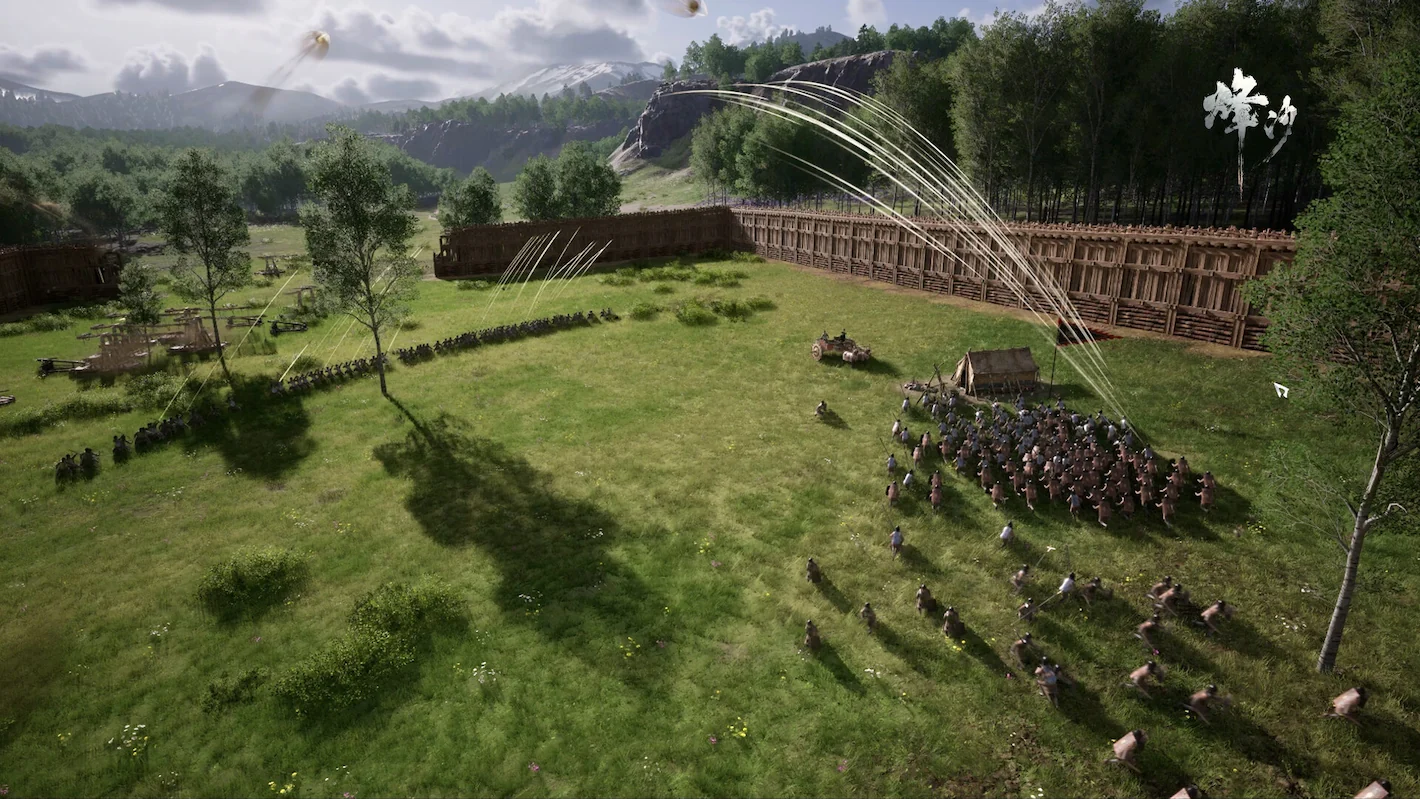
When diplomacy fails, Mandate Order shifts into real-time tactical battles built around formations, encirclement, breakthroughs and siege warfare. Units can be arranged through line-drawing commands, offering a faster way to shape formations than selecting every group individually. Chariots, infantry, war machines and specialised troops fight across battlefields that can contain thousands of soldiers, while walls, towers, catapults and ballistae turn the player’s city design into part of the military system. The developers also describe physical impact and knockback during combat, with fortress assaults intended to produce more visible force than abstract health bars alone. The promise is ambitious because the city builder, economy and battlefield must all remain readable at different scales. A beautiful siege will matter less if formations become difficult to control or performance collapses under the number of units. The recommended specifications already call for an RTX 3070 or RX 6800 with 16 GB of RAM, suggesting that the large-scale presentation will place meaningful demands on hardware.