
SID MEIER’S CIVILIZATION IV | ONE MORE TURN STILL MEANS SOMETHING
Civilization IV belongs to that rare group of PC games that still feels bigger than its age. Released in 2005 by Firaxis Games and published by 2K, it arrived at a point where strategy games were already becoming more visually polished, but not yet obsessed with simplifying every rough edge for a wider audience. It had enough accessibility to welcome new players, enough depth to trap veterans for hundreds of hours, and enough personality to make every campaign feel like a small historical fever dream. You could start with a settler and a warrior, look at an empty map, promise yourself a short session, and somehow still be negotiating borders, researching Liberalism, preparing for war, and wondering why the sun was already coming up. Civilization IV was not just another turn-based strategy sequel. It was the moment when the series found a balance so strong that many players still treat it as the cleanest version of the formula.
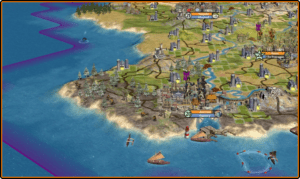
when strategy still felt personal
Civilization has always been built around a simple fantasy: take a small civilization at the dawn of history and guide it through thousands of years of growth, conflict, discovery, diplomacy, and ambition. On paper, that sounds almost too large for a game to handle. Civilization IV made it feel surprisingly natural. The opening turns are quiet, almost fragile. A city is founded. A worker begins shaping the land. A scout moves into darkness. A nearby river suddenly matters. A patch of copper or horses can change the future of an empire before the player even realizes it. That slow start is one of the reasons Civilization IV still works. It gives every campaign a sense of origin, a small beginning that later becomes strangely personal. The game uses the classic 4X structure: explore, expand, exploit, and exterminate, but it does not reduce those ideas to a checklist. Expansion is never only about more cities. It is about location, maintenance cost, resources, borders, religion, diplomacy, and military exposure. Research is not just a tech tree to climb. It is a chain of priorities that reveals what kind of civilization the player is building. War is not just movement and combat odds. It is logistics, production capacity, timing, diplomacy, and the ugly question of whether a city is worth taking if it weakens the empire for the next fifty turns. Civilization IV understands that strategy becomes interesting when every gain has a cost. That personal feeling comes from the way the game makes large decisions feel local. A city next to flood plains can become an economic engine. A coastal capital can shape naval priorities. A neighbor with a different religion can become a permanent diplomatic problem. A wonder missed by one turn can ruin a plan that felt perfect ten minutes earlier. The game does not need cinematic drama to create emotion. It creates emotion through systems, timing, frustration, and ambition. That is why losing a city, missing a religion, getting betrayed, or surviving a war in Civilization IV can still feel more memorable than scripted drama in much newer games.
a cleaner balance than most strategy games manage
The great strength of Civilization IV is balance. Not perfect balance in a mathematical sense, because no Civilization game is perfectly balanced, but design balance. It sits in a very strong middle ground between complexity and readability. Civilization III had its own charm, but it could feel rigid and punishing in ways that made empire management awkward. Civilization V changed the series with one-unit-per-tile combat and a more board-game-like structure. Civilization VI pushed districts, adjacency, and city planning much further. Civilization IV, by comparison, feels like the entry where the traditional Civilization formula reached its most complete classical form. The systems are deep, but they rarely feel buried under too many interface layers. Cities matter. Workers matter. Terrain matters. Civics matter. Religion matters. Diplomacy matters. Wonders matter. Great People matter. The player is always making decisions, but those decisions usually feel connected rather than scattered. A civic change can support a war plan. A religion can influence diplomacy and culture. A Great Scientist can change the pace of research. A well-placed cottage can become part of an economic identity that lasts for centuries. Civilization IV has many moving parts, but the best part is how often those parts speak to each other. The civic system is still one of the game’s smartest design decisions. Instead of locking players into a single government path, Civilization IV lets them shape their civilization through categories like Government, Legal, Labor, Economy, and Religion. This gives the game flexibility without losing historical flavor. A civilization can become militaristic, spiritual, commercial, oppressive, experimental, peaceful, or opportunistic depending on how the player combines choices. It is not a modern RPG system, but it has that same satisfaction of building an identity through layered decisions. The result is an empire that feels designed rather than merely expanded.
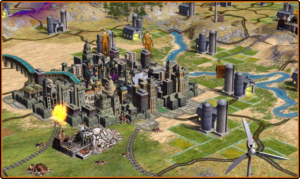
religion, culture, and diplomacy still have teeth
Civilization IV’s religion system gives the game a diplomatic texture that still feels important. Religion is not only a bonus package. It shapes alliances, creates suspicion, spreads influence, and gives players another reason to care about the map beyond territory and resources. Founding a religion can feel powerful, but adopting one can also become a diplomatic risk. Shared faith can hold alliances together. Religious division can make war feel inevitable long before armies are ready. It is not a perfect representation of history, but it works as a game system because it creates tension without requiring constant warfare. Culture also has weight. Borders grow, cities pressure each other, wonders matter, and cultural victories feel like a real path rather than an afterthought. Civilization IV makes peaceful play viable without making it passive. A player focused on culture still has to think about defense, diplomacy, city specialization, and the long-term structure of the empire. That is one of the game’s quiet strengths: even non-military strategies still feel active. You are not simply waiting for a victory screen. You are managing pressure from all sides. Diplomacy is one of the places where Civilization IV still feels more alive than many later strategy games. Leaders have recognizable personalities, and while they are not always subtle, they are memorable. Some are aggressive, some are religiously stubborn, some are opportunistic, some are predictable until they are not. The diplomatic modifiers are readable enough for players to understand why relationships shift, but still messy enough to feel human. You know why someone dislikes you. You know why a shared war helped. You know why refusing a demand may come back later. That clarity gives diplomacy real value.
combat before the modern civilization shift
Combat in Civilization IV is very different from the one-unit-per-tile direction the series later adopted. Stacks of units can feel strange to players who entered the series through Civilization V or VI, and “stack of doom” warfare is still one of the most debated parts of the game. But the system has its own rhythm. War is less about tactical positioning across a wide battlefield and more about preparation, production, counters, timing, and attrition. A good war is often won before the first city falls. The player needs the right units, the right technology window, enough siege, enough economy to support the campaign, and enough diplomatic awareness to avoid being attacked elsewhere. That style of warfare gives Civilization IV a strategic flavor rather than a tactical one. It can be less visually dramatic than later games, but it keeps the scale of empire conflict intact. Large armies feel like large armies. Logistics matter in a simpler but still meaningful way. Siege units soften cities. Defenders are selected by combat rules. Promotions can create specialized forces. Naval movement, roads, and border access can all shape the war. It is not perfect, and the stack system can become heavy in late-game conflicts, but it belongs to the game’s larger design language. Civilization IV is not trying to be a tactical wargame. It is trying to be an empire game where war is one part of a bigger machine. The beauty is that war is never isolated from everything else. A military campaign can crash the economy. Captured cities can become a burden. War weariness can punish overextension. Diplomacy can turn a small conflict into a regional disaster. Technology can open a brief window of dominance before rivals catch up. This is where Civilization IV still shines: every system leans into the others. War is not only war. It is economics, religion, production, geography, diplomacy, and timing.
beyond the sword made a great game even stronger
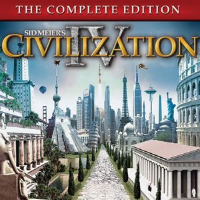
Civilization IV was already excellent at launch, but Beyond the Sword pushed it into its most complete form. The expansion added espionage improvements, corporations, new civilizations, new leaders, new wonders, new units, and more ways to shape the late game. 2K’s official Civilization site notes that Beyond the Sword expanded existing systems and introduced features like improved spies, Great Spies, and corporations, giving players more strategic tools beyond the base game’s already strong structure. That expansion matters because Civilization games live for years, not weeks. A strong base game is important, but the version people remember most is often the final, expanded version. Civilization IV: Beyond the Sword became that version for many players. It gave the late game more personality and helped reduce the sense that everything after the industrial era was only a slow march toward a predictable ending. Espionage and corporations did not turn Civilization IV into a different game, but they added enough extra pressure and choice to make the whole experience richer. The Complete Edition also helped Civilization IV remain accessible years later. Steam still lists Civilization IV and its major expansions as separate entries, including Beyond the Sword, which remains the version many players associate with the game’s best long-term form. That matters for a classic article because Civilization IV is not only remembered through nostalgia. It is still playable, still discussed, still modded, and still recommended to players who want a more traditional Civilization experience before the later design changes.
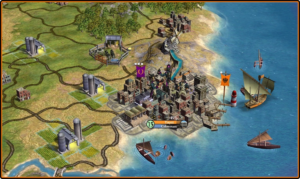
why “one more turn” still works
The phrase “one more turn” has become almost too familiar when people talk about Civilization, but Civilization IV earns it honestly. The game is built around short-term goals that constantly open into new ones. You want to finish a technology. Then a wonder is almost complete. Then a neighbor settles too close. Then a religion spreads. Then a war opportunity appears. Then a Great Person is about to spawn. Then a city grows. Then a border expands. Every turn creates a reason to play the next one. That is not accidental. It is one of the most effective pacing structures in PC gaming. Civilization IV’s pacing works because it gives the player enough information to plan, but enough uncertainty to stay alert. You can build a strategy, but the map can bend it. You can chase a wonder, but another civilization might beat you. You can prepare for peace, but a rival may decide otherwise. You can focus on science, but neglecting the military may invite disaster. The game constantly rewards planning while reminding the player that no plan is completely safe. That tension is addictive. The interface and pacing also help. Civilization IV moves quickly enough that turns do not feel buried under animations and micro-decisions, especially compared to some later entries where city planning and district placement can slow down the early game. It has complexity, but the rhythm remains smooth. The player is rarely trapped in menus for too long. The map stays central. Cities stay understandable. The game keeps moving. That movement is why long sessions feel natural rather than exhausting.
presentation that aged better than expected
Civilization IV is not a modern-looking game, and nobody should pretend otherwise. The models, terrain, and animations are clearly from another era. But the presentation has aged better than many strategy games from the mid-2000s because it is readable, clean, and supported by strong music and interface identity. The world map has charm. The leader screens have personality. The colors, icons, and city visuals communicate what the player needs to know. The game may not impress visually in the same way newer strategy games do, but it rarely gets in its own way. The music deserves special mention. Civilization IV’s soundtrack, including Christopher Tin’s famous “Baba Yetu,” gave the game a sense of scale and warmth that still lingers. It made the act of building a civilization feel almost ceremonial, not just mechanical. Strategy games often live in silence or repetitive background loops, but Civilization IV had music that helped define its identity. That emotional tone matters more than raw graphical fidelity. A game can look older and still feel grand if the atmosphere holds. The user interface also deserves credit. Civilization IV presents a lot of information without making the player feel completely buried. Some parts are old-fashioned now, but the core experience remains readable. City screens, tech paths, diplomacy, unit information, and map overlays are easy enough to understand once the player learns the language of the game. That readability is one of the reasons Civilization IV remains easier to return to than some classics that aged less gracefully.
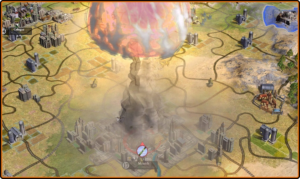
a classic that does not need to win every modern argument
Civilization IV is not better than every later Civilization game in every way. Civilization V changed combat in a way many players prefer. Civilization VI made city planning more physical and expressive through districts. Civilization VII continues the series in its own direction. Newer games bring better interface polish, modern graphics, and different strategic priorities. But Civilization IV does not need to defeat them on every point. Its value is not that it makes the later games irrelevant. Its value is that it represents a specific version of Civilization at its strongest. This is the classic empire-building model before the series shifted more heavily toward board-game-like spatial systems. Civilization IV still feels like guiding a civilization across history rather than solving a layout puzzle. That is not a criticism of the newer games, but it explains why Civilization IV remains beloved. It gives players a broader, more traditional empire fantasy. The map matters, cities matter, history matters, diplomacy matters, and the player’s identity as a ruler forms through long-term decisions rather than a single flashy mechanic. For some players, Civilization IV is still the best Civilization because it does not overcomplicate the wrong things. It is deep without feeling overloaded, readable without feeling shallow, and flexible without losing structure. That is a rare balance. Many strategy games choose one direction and sacrifice the other. Civilization IV manages to remain approachable and demanding at the same time.
why it still belongs in classic games
A classic is not simply an old game people remember fondly. A classic is a game that still has something to teach. Civilization IV teaches pacing, balance, system interaction, and the power of strategic clarity. It shows how a game can be large without becoming unreadable. It shows how turn-based structure can create tension without cinematic tricks. It shows how diplomacy, religion, technology, culture, and war can all become part of one coherent machine. That is why Civilization IV still belongs in a Classic Games section. It is not here because of nostalgia alone. It is here because its design still works. The player still gets pulled into the map. The decisions still matter. The campaign still forms its own story. A civilization still begins as nothing and becomes something shaped by the player’s priorities, mistakes, victories, and stubborn decisions. That feeling has not aged out. The game also remains useful as a reference point for understanding the whole Civilization series. If someone wants to understand why so many players talk about Civilization with such affection, Civilization IV is one of the best places to look. It captures the “one more turn” loop in a form that is still direct, strong, and readable. It may not be the newest, and it may not be the prettiest, but it still carries the core magic.

![SID MEIER'S CIVILIZATION IV [2005]](https://pcdoorz.com/wp-content/uploads/2026/07/MV5BY2EyMThlMzAtMWVjOC00MWZmLTliMzEtMWZhYTY5YjE3ZDM4XkEyXkFqcGc@._V1_FMjpg_UX1000_.webp)