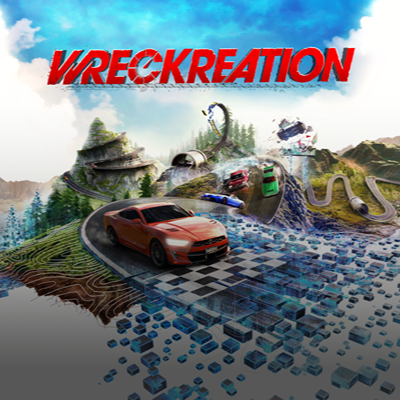
WRECKREATION 2 ANNOUNCED | WIN THE RACE, WRECK THE REST
Wreckreation 2 has been officially announced, and the sequel is already presenting itself less like a larger continuation and more like a deliberate correction. Developer and publisher When Tides Turn is moving the series into Heartbreak City, a denser open world designed around aggressive arcade handling, heavy contact and races where the fastest line is only part of the argument. Every slam, shortcut and takedown can change the result, while opponents are meant to fight for position rather than behave like moving checkpoints. The game is coming to PC through Steam, alongside PlayStation 5 and Xbox Series X/S, although the official store page currently lists only “Coming soon” and no formal release date has been announced. Separate reporting points toward 2027 as the present development target, but that should be treated as a working window rather than a locked launch date. The early material suggests a game built around tighter streets, heavier crashes and constant pressure rather than another oversized map filled with disconnected activities. Heartbreak City is being positioned as a place where traffic, shortcuts and rival drivers can turn even a simple race into a moving collision course. For a sequel carrying the Wreckreation name, that sharper focus may matter more than adding another layer of scale.
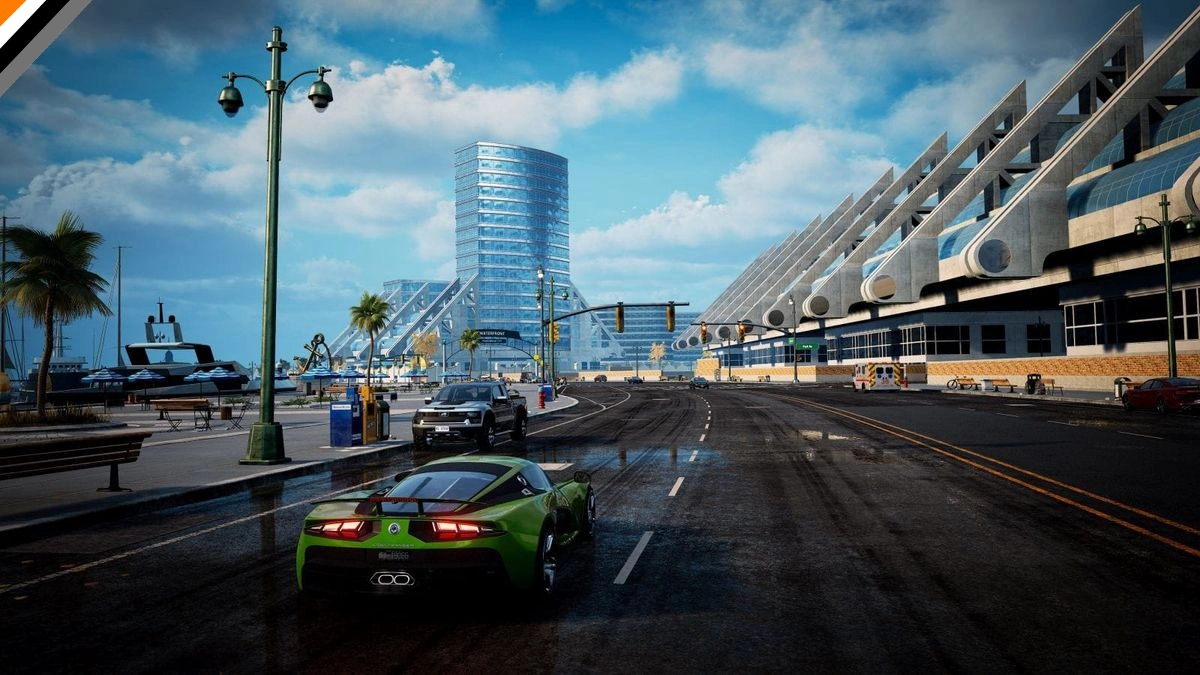
heartbreak city is smaller, denser and built for conflict
The first Wreckreation offered a huge driving playground with creation tools and plenty of freedom, but its scale could also leave the experience feeling spread too thin. Heartbreak City appears to be the direct response. When Tides Turn is building a more concentrated map with dense downtown streets, elevated freeways, airport runways, dockyards, industrial districts and hidden backroads that can be turned into shortcuts during a race. The environment is still open, but the intention is clearly different: roads are not simply connections between events, they are pieces of the racing system. Knowing where an alley rejoins the main route, where traffic becomes dangerous or where a dockyard can be crossed at speed should provide a practical advantage rather than serving as optional sightseeing. The developer has also spoken about richer locations, heavier traffic, clearer landmarks and more destructible scenery, all of which could make the city feel less empty and give every district a stronger purpose during pursuits and competitive events.

every race is supposed to become a fight
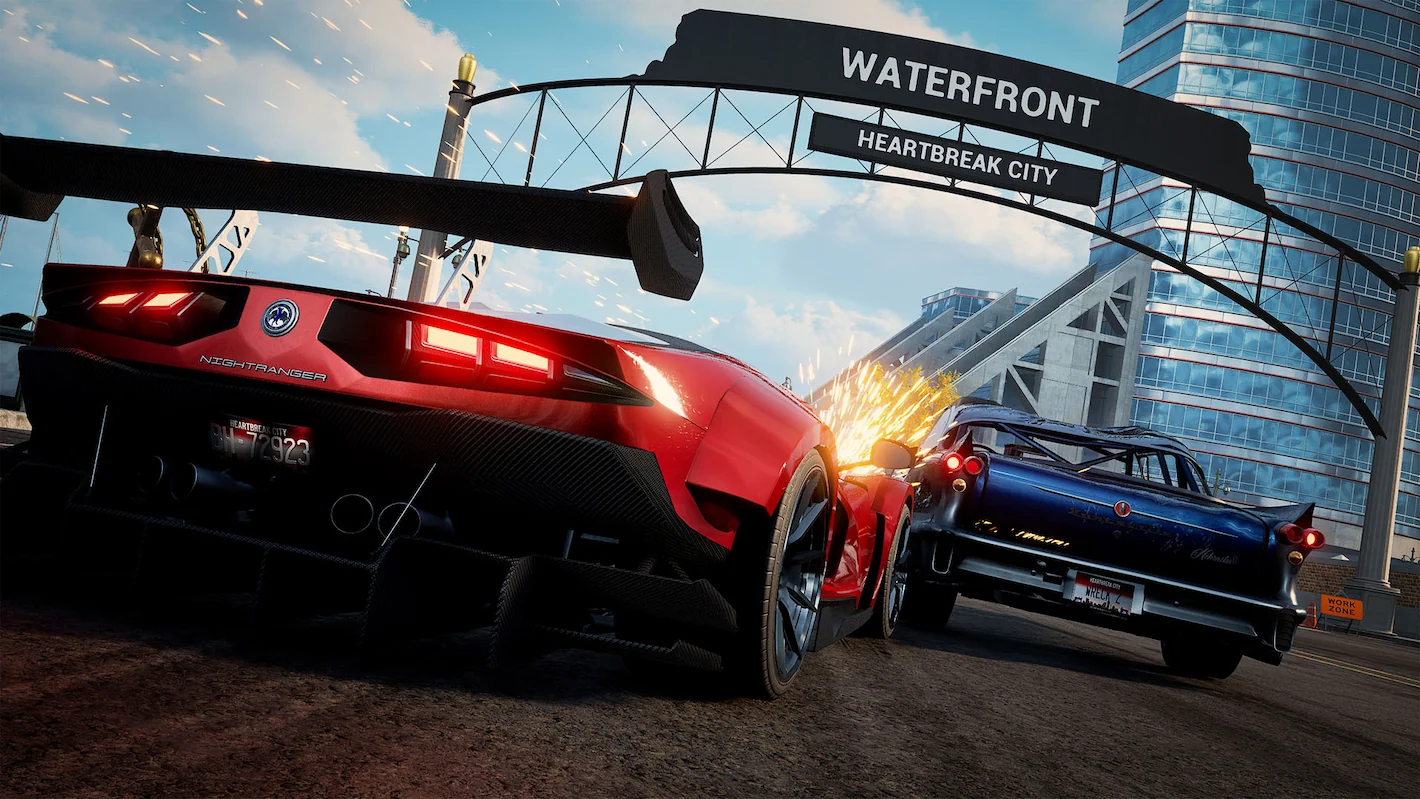
Wreckreation 2 is placing battle racing at the centre of the experience. Cars are described as heavier and more physical than before, with collisions designed to carry real momentum instead of feeling like light contact between vehicles following separate racing lines. Players will be able to force mistakes, push rivals away from shortcuts, attack at the right moment and finish an exchange with a takedown. AI opponents are also expected to behave more aggressively, which matters because a combat racer only works when the opposition looks willing to damage its own perfect route in order to damage yours. Vehicle destruction is being expanded with stronger deformation, detachable components and more visible consequences, including wheels being torn away during major crashes. None of this guarantees that the handling will feel right, but it shows that When Tides Turn understands where the sequel has to improve: speed alone is not enough, and spectacular damage means little unless the cars feel dangerous before the final impact.
road rage, marked man and more than ordinary races
Standard racing will only be one part of Heartbreak City. The announced event structure includes Road Rage, Marked Man, Pursuits, Blackspots, Wreckonings and Eliminators, giving the sequel several ways to use the same roads without reducing everything to another three-lap circuit. Road Rage should turn traffic into a moving destruction test, Marked Man places one vehicle under constant pressure, Pursuits build around escape, while Eliminators continue until only one car remains. An Accident Blackspot-style crash mode is also planned, drawing attention back toward the kind of carefully arranged destruction challenge that arcade racers rarely attempt anymore. Events can be discovered while exploring or entered directly, and Live Mix is intended to let players build, customise and share their own routes, challenges and experiences. Creation tools are therefore not disappearing, but the studio has indicated that they will no longer be allowed to pull attention away from the basic racing, handling and combat.
fewer disposable cars, more personality in the garage
The garage is also being designed around attachment rather than raw numbers. When Tides Turn does not appear interested in filling menus with hundreds of vehicles that are driven once and forgotten. Instead, cars will have several upgrade tiers covering performance, suspension, tyres, visual changes and more substantial transformations. One example shown by the developer takes a normal road car and gradually turns it into a dedicated drag machine with lowered suspension, a roll cage and an exposed supercharger. That approach could give progression more weight because the player is not simply replacing one rating with another; the same car can develop a recognisable identity and remain useful as the game opens new events. A smaller but more meaningful garage also fits the wider direction of Wreckreation 2: fewer systems competing for attention, more depth inside the parts that remain.

a sequel shaped by what did not work
The new studio has been unusually direct about the reasoning behind the sequel. When Tides Turn was formed by arcade-racing veterans led by Fiona Sperry, a Criterion Games co-founder whose previous work includes the Burnout series and major Need for Speed titles. The team says it has spent months speaking with players about handling, progression, event design and the world itself, and selected community members are already contributing feedback through private tests. The core pillars now include a world made for racing and crashing, physical driving, battles that last through an entire event, cars worth keeping and a creative community that can continue producing challenges. There are currently no plans for an Early Access launch, although public demos are reportedly being considered. That may be the right choice for a game whose first impression will depend heavily on handling and collision physics; those systems need to feel convincing from the first public release rather than arriving with promises that they will become satisfying later.