
WARHORSE ENTERS MIDDLE-EARTH | THE RIGHT STUDIO FOR THE JOURNEY
Middle-earth does not need another game that treats its mountains, forests and ruined kingdoms as scenery placed between combat encounters. It needs a world that feels inhabited long before the player arrives: roads used by merchants and travellers, settlements shaped by local customs, characters with routines and loyalties, and journeys whose weight comes from distance rather than a trail of conveniently arranged activities. Warhorse Studios has now confirmed that it is developing a new open-world RPG set in J.R.R. Tolkien’s Middle-earth, placing one of gaming’s most important fantasy worlds in the hands of the studio behind Kingdom Come: Deliverance and Kingdom Come: Deliverance II. No title, protagonist, historical period, platforms or release window have been announced, and Warhorse has made it clear that more information will come only when the time is right. Even at this early stage, however, the combination immediately makes sense. If any modern RPG studio has earned the opportunity to build a Middle-earth defined by places, people, travel and believable daily life rather than spectacle alone, Warhorse deserves to be near the top of that list.
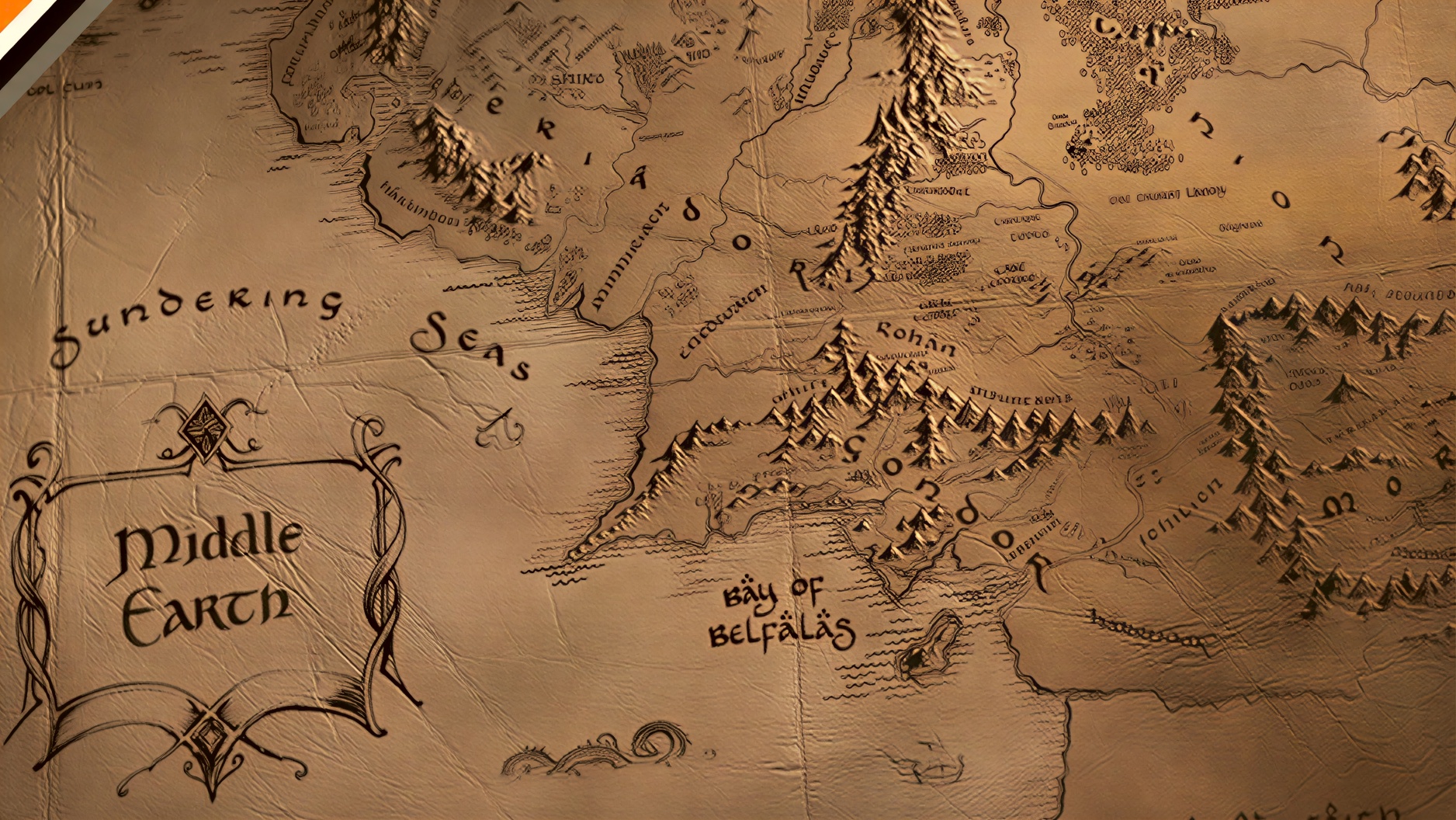
an open-world rpg, not yet a complete picture
Warhorse’s official project page confirms only the broad foundation: the studio is entering a new chapter with an RPG set in Middle-earth. Embracer CEO Phil Rogers provided the additional open-world description during a post-earnings discussion, while Reuters confirmed that the project is being developed at Warhorse’s Prague studio. The developer is simultaneously working on another adventure connected to Kingdom Come: Deliverance, meaning its future now includes both a continuation of the world that established its reputation and a far larger licensed fantasy undertaking. No timeline has been attached to either project, so the Middle-earth RPG should be treated as an early production rather than a game approaching a conventional reveal. The missing details are substantial. Warhorse has not identified the Age in which the story takes place, whether players will control a known Tolkien character or an original protagonist, which regions will form the world, or how directly the narrative will intersect with the events of The Hobbit and The Lord of the Rings. Combat, exploration, dialogue, companions, factions, survival systems and character development also remain undisclosed. It would therefore be premature to describe the project as “Kingdom Come in Middle-earth,” even though that comparison will inevitably follow every announcement. Warhorse may carry parts of its established design philosophy into the game, but Middle-earth presents different narrative, cultural and mechanical demands from fifteenth-century Bohemia.
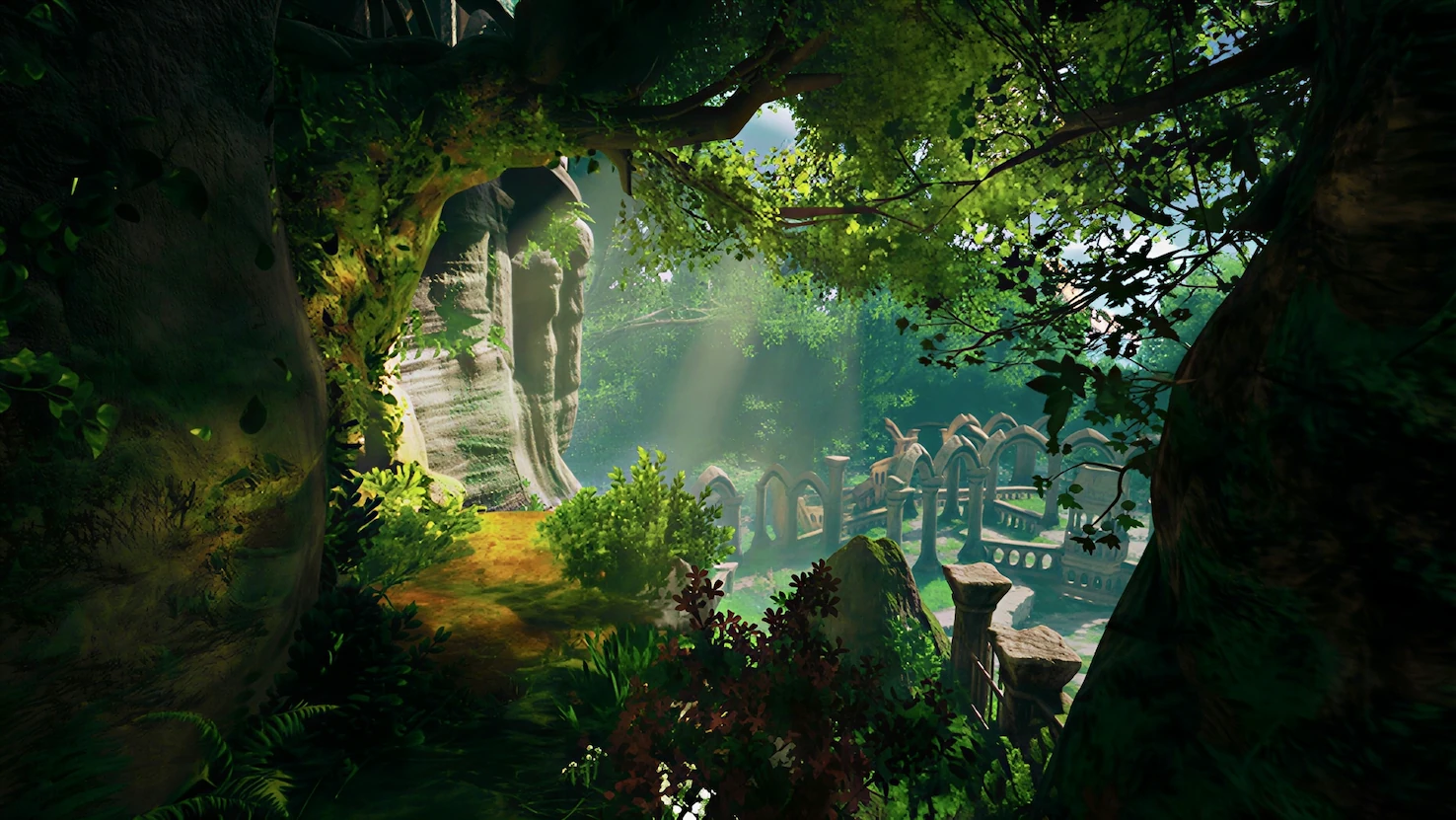
if anyone deserves this world, warhorse does
Warhorse earned its reputation by refusing to treat open worlds as oversized menus. The Kingdom Come games emphasize physical travel, social position, consequences, character routines and settlements that appear to function independently of the player. Their strongest moments often emerge not from cinematic scale but from smaller interactions: arriving in a town under the wrong conditions, discovering that an individual has moved according to a daily routine, approaching a quest through conversation rather than violence, or realizing that reputation has changed how a community responds. Warhorse officially presents itself as the creator of the award-winning Kingdom Come: Deliverance series, while Embracer has described the team as one of the leading open-world RPG studios in the industry. That experience is unusually relevant to Tolkien’s world. Middle-earth is remembered for wars, monsters and legendary figures, but its credibility comes from quieter foundations. The Shire matters because it feels like a community worth protecting. Bree works because it stands at the meeting point of roads, cultures and rumours. Rohan is more than cavalry; it is a society shaped by its land, halls, traditions and relationship with horses. Gondor carries the weight of history through architecture, language and fading power. A successful RPG must therefore understand the lives that continue beyond the central quest. Warhorse has already demonstrated that it values the routines of ordinary people, local politics and the practical consequences of moving through a world governed by social rules. This does not guarantee success. Historical reconstruction and fantasy adaptation are different responsibilities, and Tolkien’s material carries enormous expectations regarding language, geography, mythology and tone. Warhorse must find room for player freedom without making Middle-earth feel like a playground disconnected from its own history. It must also create an original RPG experience without simply borrowing famous characters and locations as promotional shortcuts. Still, the studio’s previous work provides a stronger foundation than a team known primarily for scripted action or map-clearing design. Warhorse has shown patience with systems, conversation and the physical presence of a world. Those qualities are exactly what this project needs.

middle-earth should feel lived in
The ideal version of this game would give equal importance to roads and destinations. Travelling from one settlement to another should reveal changes in climate, architecture, language, danger and political influence. An inn should function as more than a quest collection point. A village should have work, food, shelter, local disputes and reasons for existing where it does. Ruins should communicate history through their construction and location rather than relying entirely on written notes. Forests should feel old, uncertain and culturally distinct instead of serving as visually different combat zones. Warhorse’s communication team has described the project as a passion-driven undertaking that will be deeply immersive and built in a specific “Warhorse way,” with emphasis on a living world, characters and narrative. Those promises remain statements of intent rather than demonstrated features, but they suggest the studio understands why the pairing has generated such immediate interest. Players are not excited only because a respected developer received a famous licence. They are excited by the possibility that Middle-earth may finally receive an RPG where ordinary travel, conversation and preparation matter as much as large battles. A living Middle-earth should also react to identity. A dwarf, elf, human or hobbit would not move through every region under the same social conditions. Languages, history and inherited suspicion should affect conversation and access. Clothing, equipment, reputation and allegiance could matter before a sword is drawn. None of these systems has been announced, but they represent the kind of design opportunity the setting provides. Warhorse should resist turning cultural differences into simple statistical bonuses. They should shape how the world reads the player and how the player understands the world.

first and third person would give the journey what it deserves
The project’s camera perspective has not been confirmed. Our hope is that Warhorse will support both first-person and third-person play, allowing players to switch according to the situation and their preferred form of immersion. This is not a reported feature or a promise from the studio; it is an editorial expectation for a game whose world and character design deserve to be experienced from more than one viewpoint. First person would preserve the immediacy Warhorse understands so well. Entering an ancient hall, following a narrow mountain path, reading an opponent’s movement in close combat or looking upward beneath the trees would feel personal and physically grounded. It places the player inside the journey rather than above it, making distance, architecture and danger more convincing. For conversation, exploration and intimate encounters, first person could provide the direct presence that helped distinguish Kingdom Come from more conventional role-playing games. Third person would offer an equally important advantage. Tolkien’s world is deeply connected to silhouettes, clothing, armour, travel gear and the visual identity of its peoples. Players should be able to see the traveller they have created, watch cloaks and equipment respond to movement, appreciate the scale of landscapes around the character and experience mounted travel with a broader view. Third person can also improve spatial awareness during group combat, traversal and encounters involving larger creatures. A game of this importance should not force every player into one permanent perspective when both can serve different strengths. Switching between them would be technically and mechanically demanding because animation, collision, combat and camera behaviour must work properly in each mode. Yet Middle-earth deserves that ambition. First person can make the world intimate; third person can reveal its scale. Together, they could allow the player to inhabit the character while still appreciating the journey from the outside.

the protagonist does not need to be a legend
One of Warhorse’s greatest strengths is its ability to build importance gradually. Henry begins Kingdom Come: Deliverance without legendary status, political power or extraordinary ability. His place in the world must be earned through experience, failure and relationships. A similar approach could work exceptionally well in Middle-earth, where the stories of ordinary individuals repeatedly become connected to events far larger than themselves. The new RPG does not need to place the player directly in the role of Aragorn, Gandalf or another established hero. An original traveller, scout, craftsperson, guard, exile or minor member of a wider community could provide far more room for role-playing. Known figures may still appear where appropriate, but they should not consume the game’s identity. Middle-earth is broad enough to support stories beyond the most familiar fellowship, kingdoms and battles. An original protagonist would also protect uncertainty. Players already know the broad destinies of major Tolkien characters, while a new individual could form relationships, make compromises and influence local events without colliding constantly with established outcomes. Warhorse could create a personal story nested inside a known historical period, using the larger mythology as pressure rather than as a sequence of famous scenes that must be reenacted. The exact degree of character customization remains unknown. A defined protagonist could support stronger writing and performance, while a more open character creator could deepen role-playing freedom. Either direction can work, provided the individual feels rooted in the culture and history of the selected region. The character should belong somewhere before the adventure forces them onto the road.
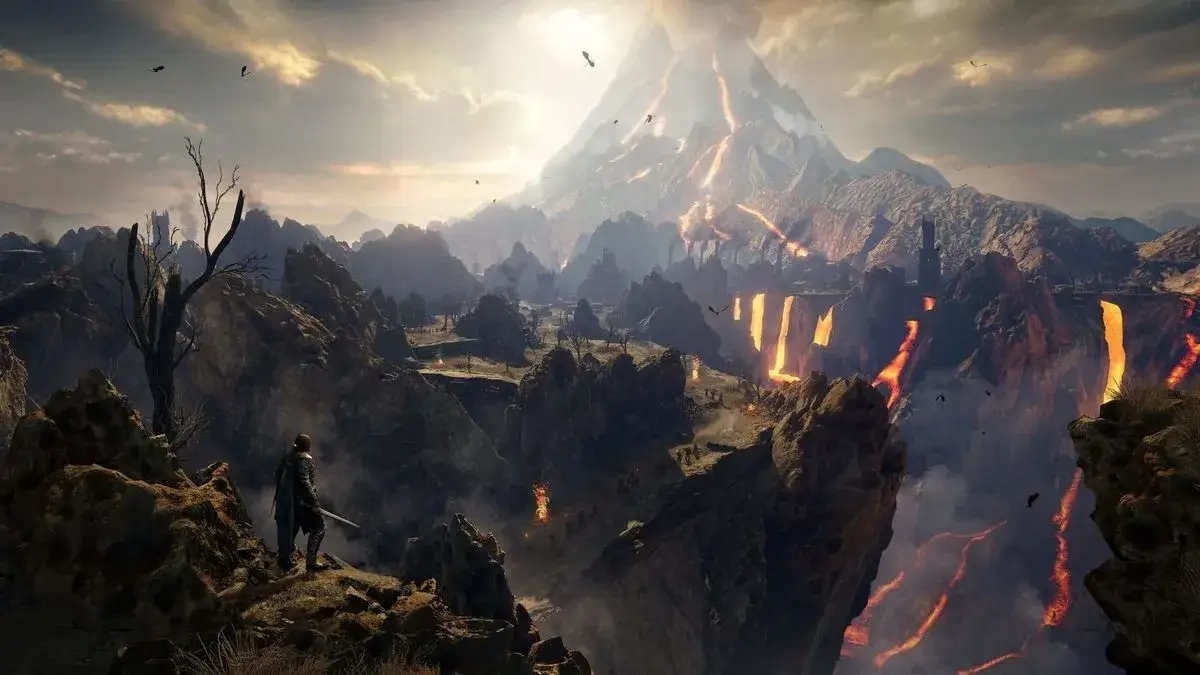
combat should respect danger
Warhorse has not revealed the game’s combat perspective or systems, and Middle-earth does not require a direct copy of Kingdom Come’s historically inspired swordplay. The setting includes different body types, fighting traditions, supernatural threats and creatures that cannot be addressed through human duelling rules alone. Combat must accommodate swords, spears, bows, shields and potentially magic without losing physical weight. The key is restraint. Every encounter should not become a performance of impossible acrobatics, endless visual effects and enemies built primarily to absorb damage. Tolkien’s battles can be enormous, but individual acts of violence are often brief and consequential. A road ambush, a fight inside a ruined structure or an attack by a dangerous creature should feel threatening because survival is not guaranteed. Preparation could be as important as execution. Knowledge of the region, appropriate equipment, companions and awareness of the enemy should influence whether confrontation is wise. Some threats should be avoided, negotiated around or survived rather than defeated. Warhorse’s history of giving conversation, reputation and stealth genuine value makes it well positioned to support more than one solution. Magic requires particular care. Middle-earth is magical, but it is not a world where every traveller casually launches spectacular spells. Power is often ancient, rare, subtle or connected to specific beings and objects. The game should preserve that distinction. Turning magic into a conventional collection of colourful cooldown abilities would make the world more familiar but less faithful.
embracer’s middle-earth structure
Warhorse and Middle-earth Enterprises are being placed within Fellowship Entertainment, the planned Embracer spin-off that will also include studios and companies such as Crystal Dynamics, 4A Games, Eidos-Montréal and Dark Horse. Embracer describes Fellowship as a group intended to develop, publish and manage major intellectual properties, with Middle-earth positioned as one of its central assets. This corporate arrangement provides a direct connection between the studio and the company responsible for commercial rights associated with The Lord of the Rings and The Hobbit. That proximity may reduce some of the complications normally created when a developer and licence holder operate through separate corporate structures. It does not mean Warhorse has unlimited access to every Tolkien text, character or historical era, and the precise scope of the licence has not been publicly explained for this game. The distinction matters because rights connected to books, films and other adaptations can involve different agreements. What is clear is that Embracer sees Middle-earth as a long-term strategic property and Warhorse as a studio capable of carrying a major RPG project. The danger is that corporate expectations could push the game toward the safest and broadest possible design. The opportunity is that Warhorse may receive the time, resources and institutional support needed to build something considerably more ambitious than a conventional licensed release.