
SPECIAL | THE EXPANSE: OSIRIS REBORN | MASS EFFECT + SERIOUS
A crew waits aboard a ship that gradually becomes home, two companions follow the captain into hostile territory, conversations can strengthen or fracture relationships, political factions remember where you came from, and combat unfolds from a third-person perspective where cover, abilities and squad commands turn firefights into small tactical problems. There is little point pretending that silhouette is unfamiliar. the expanse: osiris reborn carries unmistakable Mass Effect DNA, and owlcat games has never seriously tried to hide it. Members of the development team have openly described BioWare’s trilogy as an inspiration, while emphasizing that the systems underneath Osiris Reborn remain rooted in Owlcat’s own traditions of player choice, mechanical depth and consequential storytelling. That distinction may ultimately be the reason this project matters so much. The industry does not particularly need another game that simply remembers where Shepard stood on the Normandy or recreates the visual language of a cinematic space RPG without understanding why the formula worked. It could, however, use a game that remembers the importance of the ship, the crew, the conversations between missions, the feeling of personally inhabiting a science-fiction journey and the tension created when decisions follow the player long after the dialogue wheel disappears. Then take that structure and remove much of the comfortable space-opera fantasy around it. Replace heroic certainty with industrial stations, factional hostility, fragile bodies, limited resources, dangerous acceleration, bad oxygen and a solar system where almost everybody has a legitimate reason not to trust somebody else. The Expanse is a setting built on the idea that humanity may have expanded beyond Earth without escaping politics, class, prejudice, scarcity or its own capacity for violence. That makes it an unusually strong foundation for the kind of RPG Owlcat wants to create. Osiris Reborn increasingly looks less like an attempt to imitate Mass Effect than an opportunity to build its colder, heavier and considerably more serious cousin. The comparison will probably follow the game all the way to release, and that is not necessarily a problem. If Owlcat succeeds, Mass Effect may simply be the easiest way to explain what Osiris Reborn looks like from a distance. Up close, it could become something considerably more distinctive.
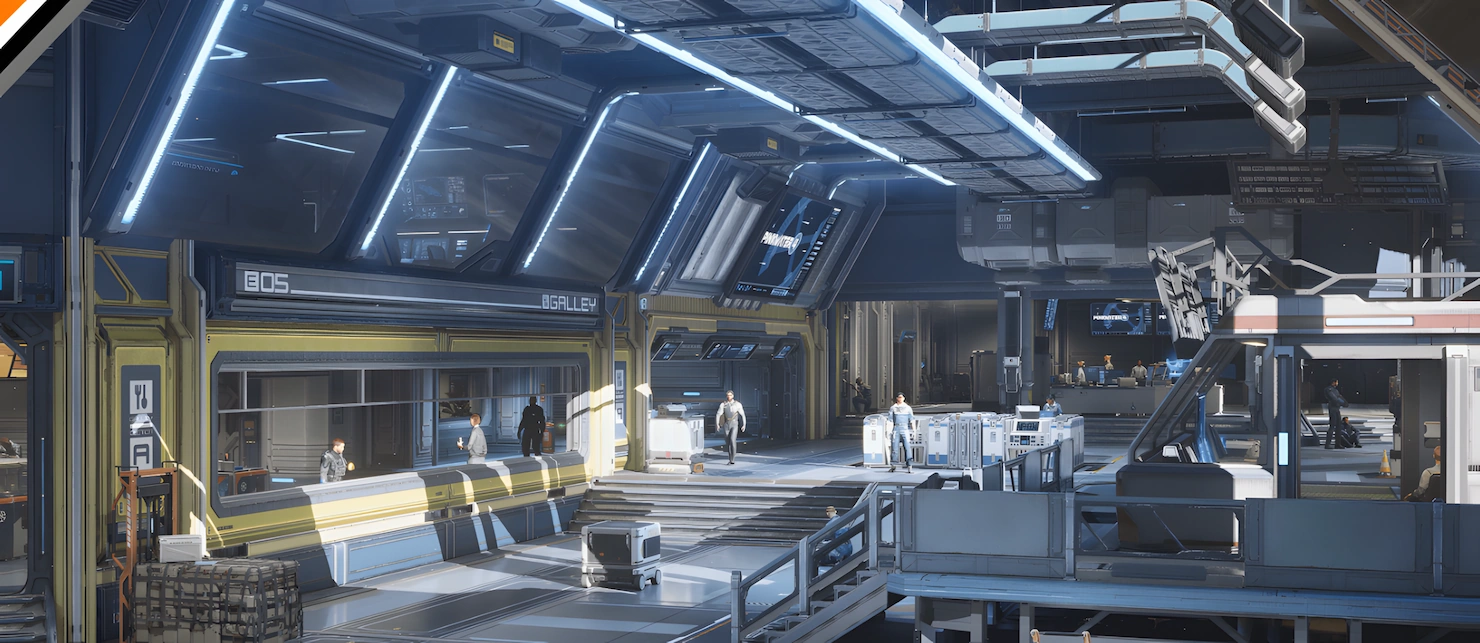
eros is where everything goes wrong
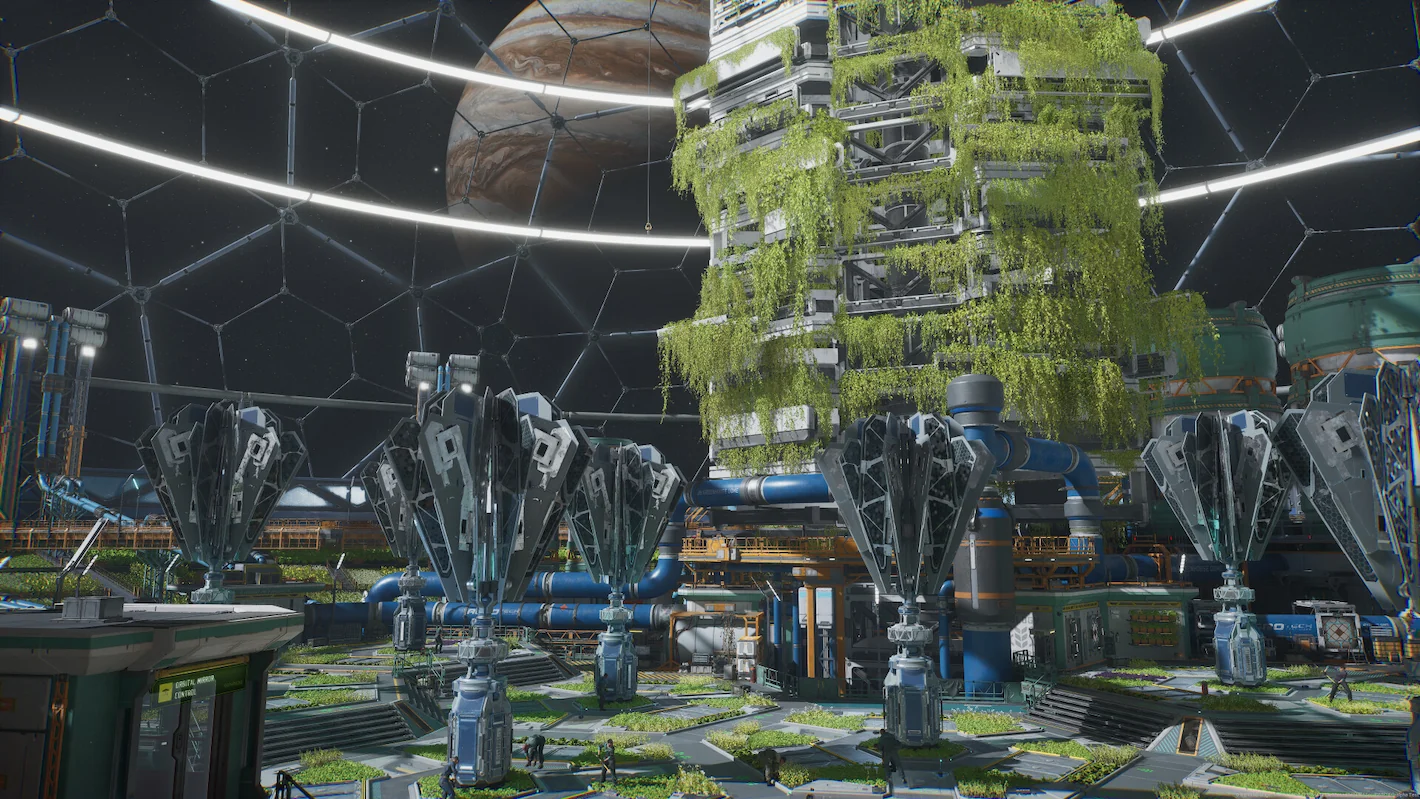
There is no galactic council waiting to certify a new hero here, no ceremonial promotion and no comfortable suggestion that destiny has selected the player to save civilization. The protagonist begins as a Pinkwater Security mercenary whose shore leave on Eros collapses into disaster as the station is locked down and events pull the captain into a conspiracy extending across the solar system. Owlcat has revealed that the captain and their identical twin J witness the deaths of thousands on Eros before escaping aboard an experimental enemy vessel that becomes the Gemini, the ship around which much of the adventure will eventually revolve. That starting point matters because Osiris Reborn is attaching itself to one of the most volatile periods in early The Expanse chronology, when the destruction of the Canterbury is inflaming tensions between Earth, Mars and the Belt and the Eros catastrophe is beginning to change the political landscape in ways few people yet understand. The player is therefore not being inserted above established events as another legendary figure whose actions conveniently eclipse everything already known about the setting. We are entering them from below, as hired security suddenly carrying information, enemies and responsibilities far beyond the original job description. Eros, Ceres, Ganymede, Mars and Luna are among the locations associated with the journey, allowing Owlcat to combine places immediately recognizable to fans with corners of the system that games have barely explored. That is exactly the scale The Expanse needs. Its greatest events may affect planets and millions of people, but its drama has always been most convincing when those consequences are experienced through narrow corridors, crowded stations, ship interiors and communities where politics is never merely an abstract conversation conducted by leaders somewhere else. Somebody eventually loses air. Somebody loses water. Somebody cannot afford transport. Someone born in one gravity well is physically marked by it when entering another. Even the largest political conflict eventually reaches an individual body. Beginning on Eros therefore gives Osiris Reborn more than an explosive opening; it gives the game a direct route into the central contradiction of The Expanse, a civilization technologically capable of spreading throughout the solar system while remaining brutally human in everything that matters.
| – status – | in development/beta |
| – release – | q2 2027 |
| – genre – | action-rpg/sci-fi/adventure |
| – developer – | owlcat games |
| – publisher – | owlcat games |
| – platform – | pc/ps5/xbox x|s |
| – focus – | story/choices/3rd person combat… |
| -score before score- | 89/100 |
mass effect structure, owlcat consequences
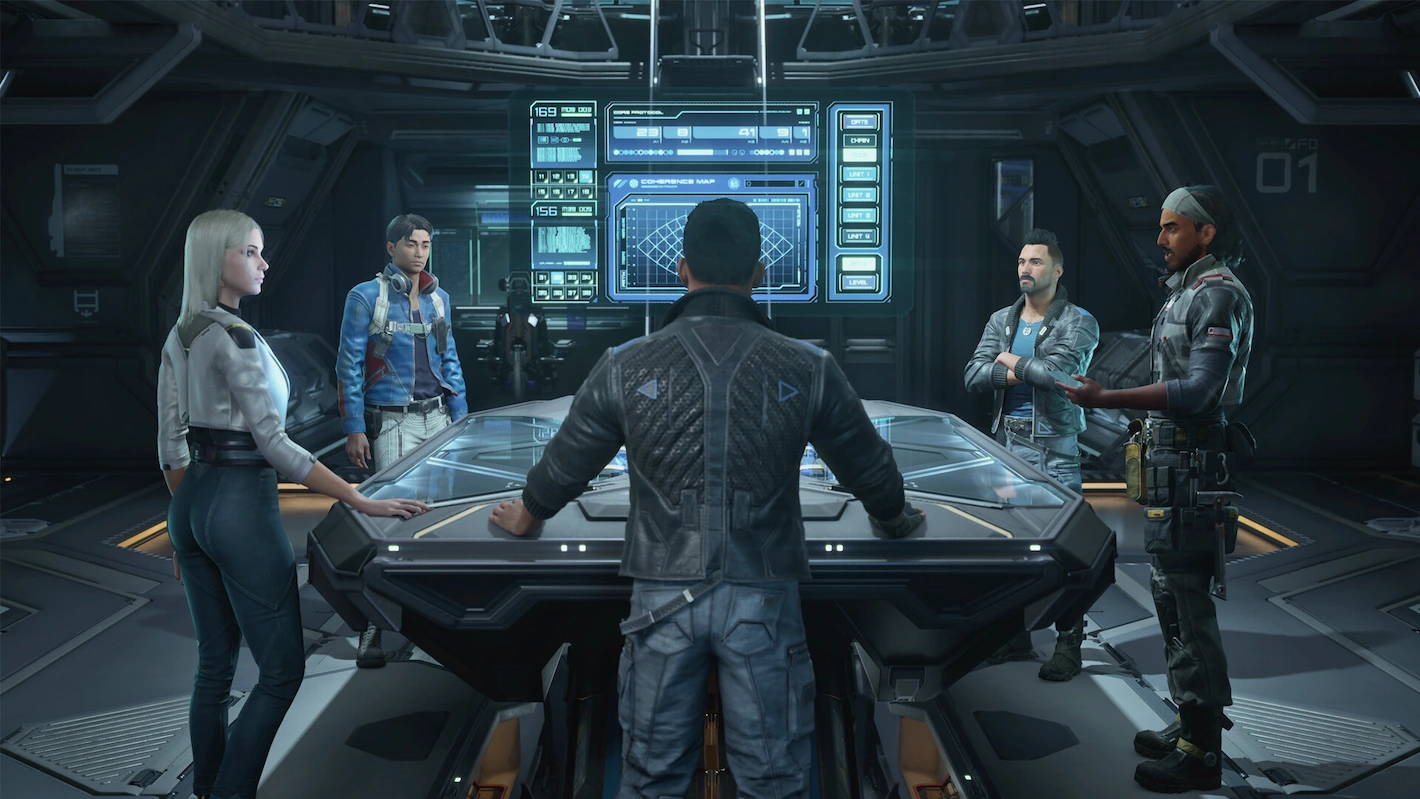
The comparison to BioWare becomes much more interesting once the conversation stops being about camera position and third-person combat. Osiris Reborn is being constructed around a customizable captain, a personal ship, recruitable specialists, squad deployment, relationship development, explorable locations and decisions that can continue to matter well after a mission ends. Two companions can accompany the captain directly in the field while other members of the crew may contribute remotely, disabling systems, distracting enemies or providing specialized assistance from elsewhere. The Gemini meanwhile serves as home, operational center and the place where characters regroup between missions. That is recognizably the architecture of a cinematic party RPG, and there is no reason to pretend otherwise, but Owlcat is filling that architecture with a philosophy very different from simply reproducing a BioWare template. Osiris Reborn is not expected to contain the extraordinary text volume or branching density of Pathfinder: Wrath of the Righteous or Warhammer 40,000: Rogue Trader, yet player-driven storytelling and meaningful decisions remain fundamental to the studio’s approach. That may actually be the ideal compromise. The game needs enough cinematic momentum to work naturally in third person without abandoning the reactivity that makes an Owlcat RPG feel like an Owlcat RPG. Choices are particularly interesting because The Expanse is hostile territory for simplistic morality systems. There should be no convenient meter informing us that one answer belongs to the heroic path and another to the ruthless one. Earth, Mars and the Belt are not cleanly separated into heroes and villains; they are societies with different material conditions, histories, ambitions, fears and forms of prejudice. A decision that protects one group can easily worsen the position of another. A compassionate solution in the short term may create a dangerous precedent later. Refusing violence can sometimes preserve lives and sometimes merely allow somebody more ruthless to control what happens next. This is exactly where Owlcat’s experience could become more important than its lack of experience with third-person action. A strong Osiris Reborn should repeatedly put the player in situations where every available answer makes sense from somebody’s perspective, and where understanding all sides does nothing to remove the obligation to choose. That is a much more interesting inheritance from classic RPG design than another morality bar.
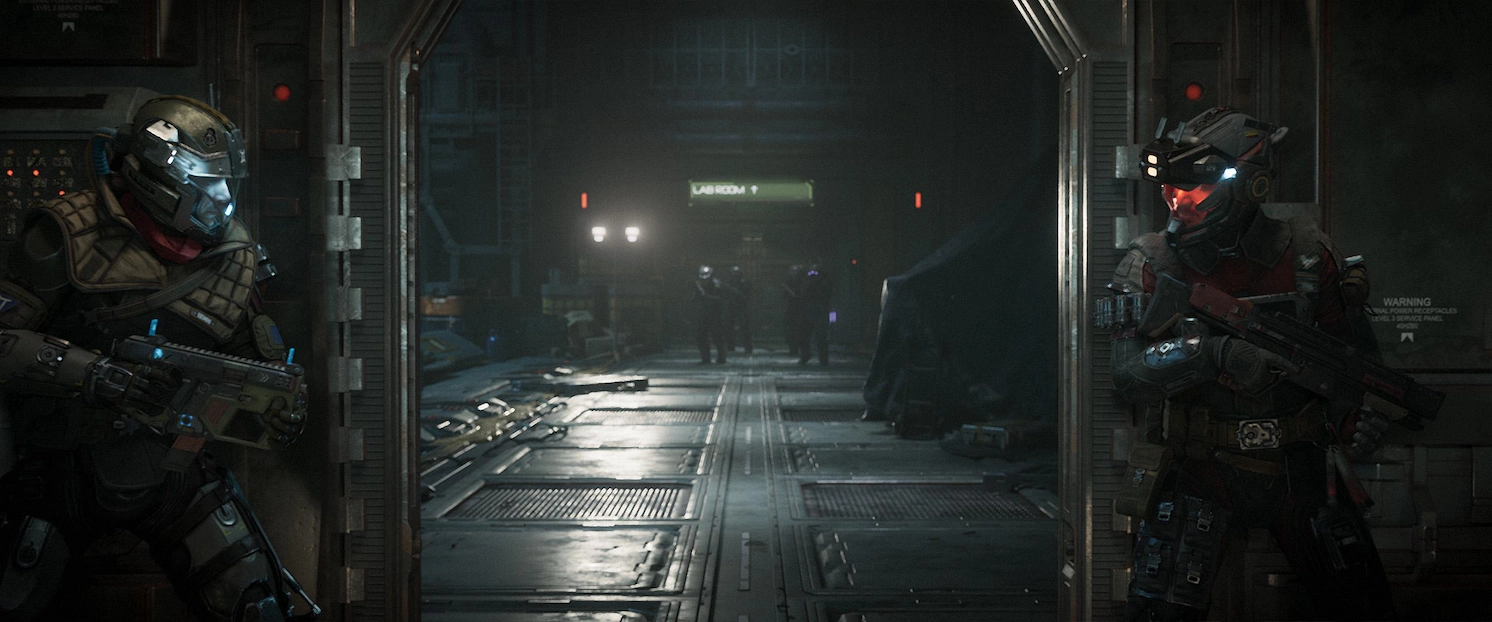
combat where exposure actually matters
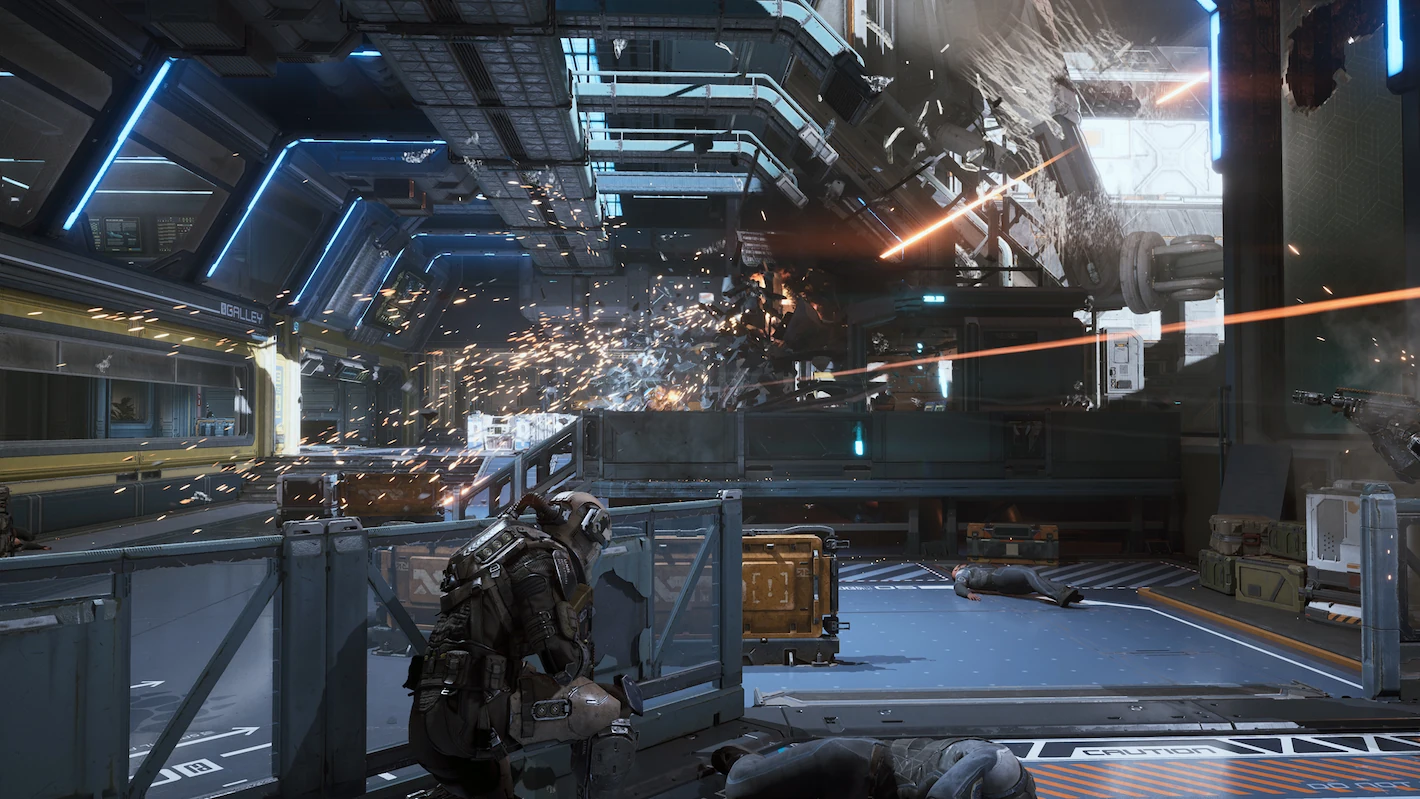
Mass Effect may provide the recognizable framework for combat, but one of Owlcat’s smartest ideas is refusing to import the durability that often accompanies modern action RPG encounters. The developers have described Osiris Reborn around relatively fragile enemies, dangerous exposure and a lower time-to-kill instead of prolonged exchanges against opponents that absorb entire magazines because their health bars happen to belong to a higher difficulty level. Cover remains central, but it is not supposed to function as permanent immunity. Parts of the environment can be destroyed, grenades can force relocation, and leaving protection at the wrong moment can turn a seemingly controlled engagement into a disaster even when everyone involved is properly equipped. The arsenal includes familiar firearms such as pistols, submachine guns, assault rifles, shotguns and sniper rifles, while gadgets expand the tactical layer through scanners, drones and equipment designed for specialized situations including zero-gravity encounters. Companions can participate as more than additional guns by exploiting environmental opportunities on command, turning machinery, structural hazards and other elements of the battlefield into ways of changing an engagement rather than simply reducing another health pool. That sounds far more appropriate for The Expanse than reproducing a comfortable cycle of waiting behind indestructible cover for ability icons to recharge. More importantly, violence in this universe should feel dangerous even when the combat itself is enjoyable. A firearm discharged inside a pressurized structure is not merely an audiovisual effect. Bullets are physical objects moving through environments whose walls, equipment and inhabitants may all be essential to keeping somebody alive. The fiction becomes stronger when the mechanics acknowledge that vulnerability. Osiris Reborn does not need to become a hardcore tactical simulator, nor would absolute realism necessarily make it a better RPG, but combat should carry enough weight that stepping into the open feels like a decision rather than a routine animation. Early impressions have suggested that shooting precision, responsiveness and the general feel of the action still represent an area where Owlcat has work to do. That is hardly surprising for a studio making such a dramatic change in perspective. What matters is that the conceptual direction already fits the setting. Owlcat does not need to create the finest pure third-person shooter on the market. It needs to make firefights tense, readable and satisfying enough that the action supports the world instead of reminding us that the studio used to view combat from high above the battlefield.
zero gravity cannot be decoration
This may be the area where Osiris Reborn can most decisively establish an identity independent of its obvious inspirations. Owlcat has consulted former NASA astronaut and ISS commander Leroy Chiao while developing its approach to life and combat beyond conventional gravity, and the studio has discussed elements ranging from magnetic boots and weapon recoil to ballistics and the near-silence of vacuum. The intention is clearly not absolute simulation, nor should it be. A game still has to communicate information to the player, preserve readable controls and occasionally compromise with reality in order to remain enjoyable. What matters is whether vacuum and zero gravity actually change the character of an encounter rather than functioning as decorative science-fiction wallpaper. Movement without a familiar up and down, altered orientation, reduced audiovisual information and the physical consequences of firing or interacting with objects can make an otherwise ordinary combat space feel genuinely alien. That is an enormous opportunity because The Expanse has always treated space itself as something more than the distance between story locations. Mass Effect travelled much farther into the universe, but most of the surfaces Shepard walked across behaved comfortably like Earth once the loading screen ended. The Expanse is built on the opposite idea. Leaving Earth changes human bodies, economies, languages, cultures and political identities. A Belter’s physiology can reveal where they grew up before they ever explain it. Gravity is not merely a setting in an options menu; it can be privilege. Air is not background atmosphere; it is infrastructure. Water is political power. Acceleration is transportation until it becomes a weapon against the body. Vacuum is simply there, indifferent to every personal conflict happening beside it. If Osiris Reborn consistently allows those realities to influence exploration and combat rather than reserving them for exposition, the game’s harder science-fiction elements could become actual mechanics instead of entries in a codex. Zero-G sections should therefore not be occasional spectacle inserted because every space game is expected to have one. They should change the player’s confidence. The same weapon, enemy and corridor should demand a different thought process once gravity disappears. If Owlcat can achieve that consistently, the Mass Effect comparison will begin to feel much less useful once the player actually has the controller in hand.
where you were born actually matters
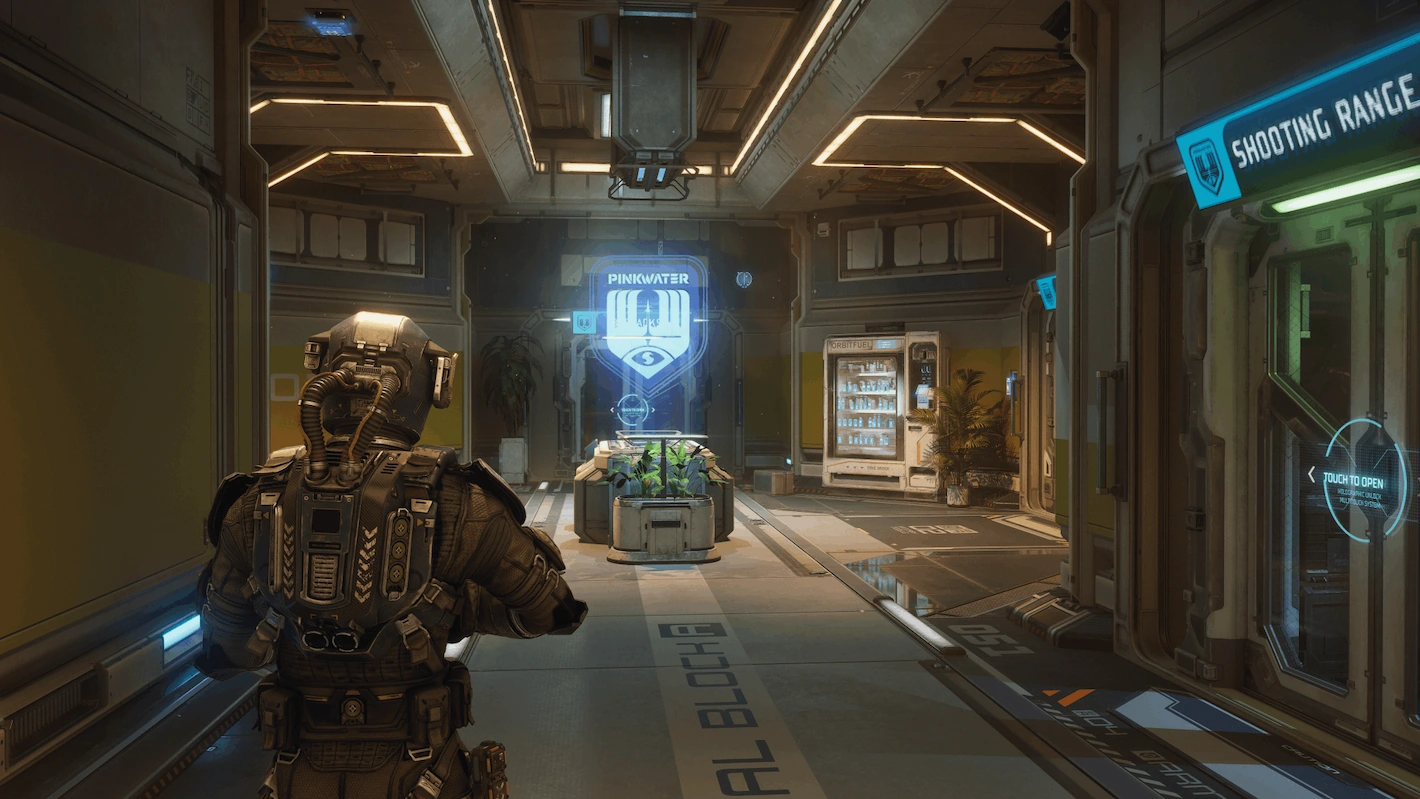
Character origins are another area where Owlcat appears unwilling to settle for cosmetic differences. The captain can originate from Earth, Mars or the Belt, and that decision affects more than a sentence in the biography menu. Starting equipment, exploration advantages, armor presentation and aspects of the appearance shared with the protagonist’s identical twin can change, but the more important consequence is social: the world knows where the captain comes from. Faction-specific reactions, access restrictions, personal connections and origin-related content give character creation the possibility of continuing to matter long after the opening screen has disappeared. A Martian entering Martian territory should not experience it exactly as a Belter does. An Earther arriving on Luna carries a different network of assumptions and relationships. A Belter walking through Ceres has cultural familiarity that an Inner can imitate only imperfectly, regardless of how many dialogue skills they have invested in. Entire quest chains tied to relationships with the captain’s originating faction can give these distinctions practical consequences, while parts of the protagonist’s previous history can emerge through later conversations instead of arriving as an enormous biography dump before the first mission begins. This is classic Owlcat thinking condensed into a more immediately accessible structure: character creation as a narrative decision rather than a spreadsheet ceremony. More importantly, it gives replayability a reason beyond choosing another firearm or trying a different ability build. A second playthrough as a character from another part of the system should not merely provide different numerical bonuses; familiar places should feel politically and emotionally different. Doors that opened without question before may suddenly require persuasion. People once suspicious may now speak with familiarity. An insult that seemed minor from one background can carry entirely different weight from another. The Expanse already contains decades of social division ready to support exactly this kind of reactivity. If Owlcat makes full use of it, origin may become one of the systems that separates Osiris Reborn from more conventional action RPGs where the protagonist’s past is forgotten the moment character creation ends.
the crew has to become the reason we return to the gemini
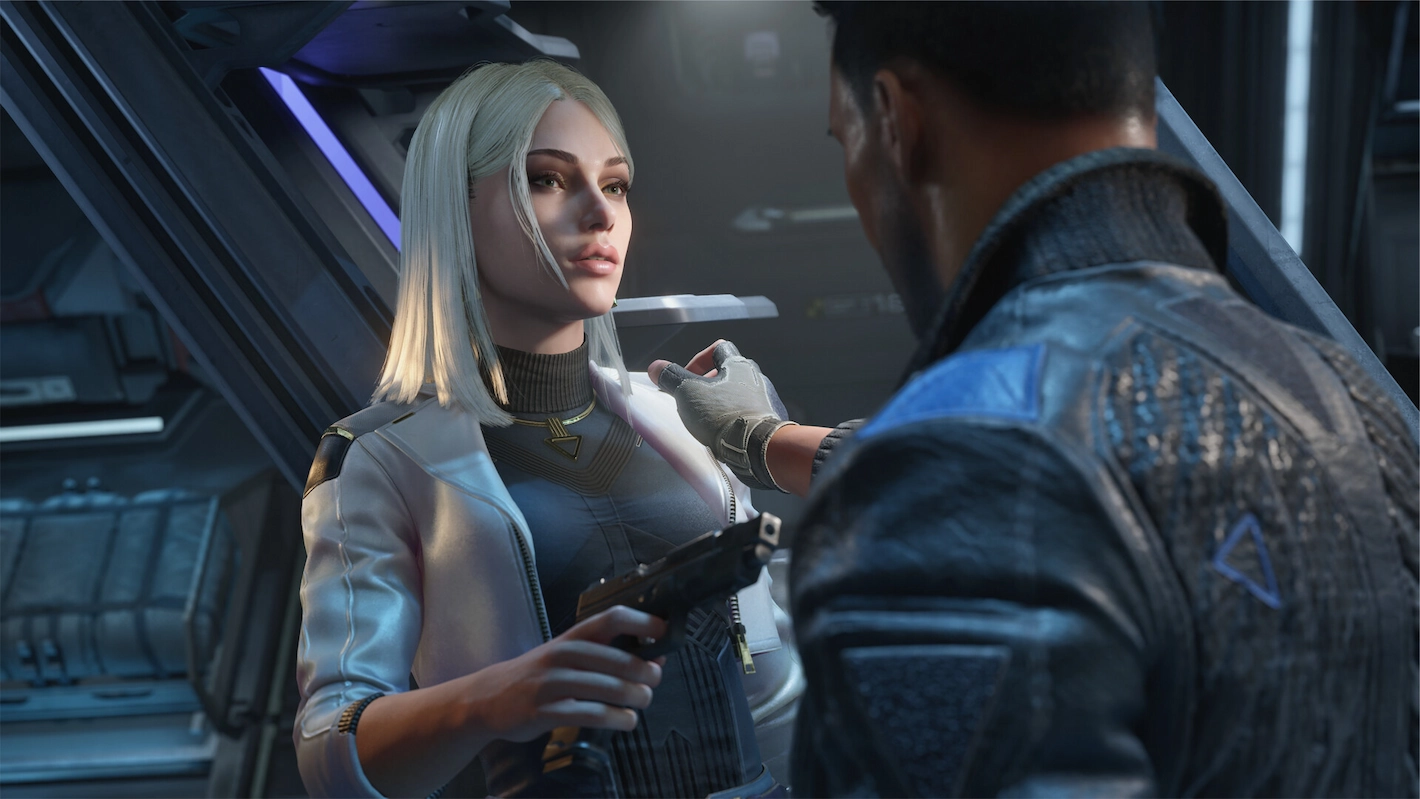
J may be one of the most important gambles in the entire design. Rather than introducing a collection of strangers and asking the player to manufacture emotional investment from zero, Osiris Reborn begins with a relationship that already carries history: the captain has an identical twin whose gender, appearance and origin follow the protagonist. J serves as executive officer, combat partner and family connection, but loyalty does not necessarily mean obedience. The possibility that the twin can disagree with the captain or eventually pursue a path that does not perfectly align with the player’s decisions immediately gives the relationship more potential than a companion whose only function is to approve or disapprove of dialogue choices. Around that connection, the Gemini gradually becomes populated by specialists with different functions, personalities and reasons for remaining aboard. Zafar is connected to the crew as a mechanic, Teo serves as medic, Michael brings experience from another mercenary operation, while Regina combines social connections with long-range combat support. Other crew members remain to be fully explored, but their occupations matter less than whether the ship eventually feels alive when nobody is shooting at it. One of Mass Effect’s greatest achievements was making players walk through the Normandy between missions when no objective marker required them to do so, simply because Garrus, Tali, Wrex, Mordin or somebody else might have something new to say. Those quiet trips through familiar corridors converted a menu-like hub into a place. That is the standard the Gemini inevitably faces. Owlcat understands character interaction extremely well, but a cinematic third-person presentation creates a different challenge from dialogue-heavy isometric RPGs. Conversations have to feel natural, companion relationships need room to develop without drowning the player in exposition, and the ship must accumulate history as the campaign progresses. Rooms should begin to belong to people. Relationships should alter the atmosphere aboard. Returning after a disastrous mission should feel different from returning after a victory. The strongest possible version of Osiris Reborn is one where the player initially thinks of the Gemini as the vessel that escaped Eros and eventually thinks of it simply as home. Systems can make an excellent RPG. A crew is what can make people remember one years later.
owlcat’s biggest risk is also what makes this exciting
None of this makes Osiris Reborn safe. In fact, that uncertainty is part of what makes the project unusually interesting. Owlcat is stepping outside the perspective and combat language that defined much of its modern reputation, moving from traditional isometric CRPG design into a large-scale third-person action RPG while simultaneously handling a science-fiction universe whose audience is unusually sensitive to physics, dialogue, politics and production design that feels false. Every strength therefore arrives attached to a question. We know the studio understands companions, but can it present them with the cinematic rhythm this format demands? We know it understands branching decisions, but can it preserve meaningful reactivity while dramatically reducing the sheer density of text associated with Pathfinder and Rogue Trader? We know it can build complicated combat systems, but can aiming, locomotion, cover interaction, animation and weapon feedback reach the standard expected from a modern third-person game? The material shown so far cannot answer all of those questions, and it would be foolish to pretend otherwise. Limited playable slices can establish direction, atmosphere and mechanical principles, but they cannot prove that a full campaign will sustain companion depth, narrative consequences or location variety for dozens of hours. Combat in particular deserves close attention because it is the system most capable of exposing Owlcat’s change of perspective every few seconds. Yet the risk works in both directions. A studio completely comfortable with third-person shooting might reproduce a technically smoother game while approaching The Expanse as another collection of corridors, guns and cinematic conversations. Owlcat brings a different set of instincts: consequences, party composition, factional relationships, character identity and the willingness to let the player make decisions that are interesting precisely because no clean answer exists. Those are difficult qualities to bolt onto a shooter later. The action layer can be refined during production; the philosophical foundation has to be there from the beginning. Osiris Reborn therefore remains exciting not despite Owlcat entering unfamiliar territory, but partly because of it. The studio has chosen a project ambitious enough to force it to learn new things without abandoning the qualities that made its previous RPGs distinctive.