SPECIAL | RESIDENT EVIL VERONICA | THE MISSING CHAPTER RETURNS
Rockfort Island was never simply another stop between Raccoon City and Europe. It was the place where Claire Redfield’s search for her brother collided with one of Umbrella’s most disturbed family histories, where Chris returned to the centre of the series, and where Albert Wesker emerged as something far more dangerous than the traitor remembered from the original mansion incident. For years, Resident Evil Code: Veronica remained the conspicuous absence in Capcom’s remake sequence a major continuation of the Redfield story trapped behind the reputation of a side release. That omission is finally ending. Resident Evil Veronica is officially scheduled for 2027, confirmed for PC and current consoles, and being rebuilt in the RE ENGINE with modernized gameplay, a reimagined story and a new visual presentation. Capcom says the remake will preserve the original game’s appeal while introducing it as the latest entry in the series rather than treating it as a historical curiosity. Public footage remains limited, and many mechanical details are still unknown, but the available video and written material already communicate a clear intention: Veronica is returning as the major Resident Evil chapter it always deserved to be.
| – status – | in development |
| – release – | 2027 |
| – genre – | 3rd-person/horror/puzzle |
| – developer – | capcom |
| – publisher – | capcom |
| – platform – | pc / ps5 / xbox x|s |
| – focus – | survival, resource management… |
| -score before score- | 94/100 |
the chapter that should never have been skipped
The absence of a number in the original title created a misleading impression that Code: Veronica was optional. It was released after Resident Evil 3, but its story behaves much more like a direct continuation of Resident Evil 2 and an essential bridge toward the conflicts that would shape the later series. Claire’s search for Chris does not conclude in Raccoon City. It leads her to Europe, into Umbrella’s control and eventually to Rockfort Island, where another biological disaster transforms an isolated prison complex into a new survival-horror nightmare. The official remake description keeps that foundation intact. Three months after the destruction in Raccoon City, Claire travels to France in search of Chris. Instead of finding him, she is captured by Umbrella forces and transported to Rockfort Island, which soon becomes consumed by another outbreak. That premise alone places Veronica among the central stories of the franchise. Claire is not responding to an accidental encounter with Umbrella; she is actively pursuing the organization and searching for the remaining member of her family. Chris is not a distant name used to motivate her journey; he eventually becomes part of the playable conflict. Wesker’s return changes the scale of the rivalry and prepares the ground for developments that continue far beyond the island. Calling this a side story was always more convenient than accurate. The game may not have carried a number, but its characters, revelations and consequences connect major parts of the series. The remake has an opportunity to correct not only outdated mechanics, but also the way Veronica has been positioned within Resident Evil history. Capcom’s decision to remove Code: from the title feels meaningful in that context. The new name is simply Resident Evil Veronica. It is cleaner, more direct and less likely to suggest that the game belongs outside the principal remake sequence. Capcom itself describes it as the latest installment in the series, rebuilt from the 2000 original rather than presented as a smaller archival project.

claire’s story was not finished in raccoon city
Resident Evil 2 established Claire as one of the series’ strongest protagonists because she entered Raccoon City without military authority, specialized training or prior experience with biological weapons. She survived through determination, empathy and a willingness to protect Sherry when nearly every institution around them had collapsed. Veronica takes that version of Claire and gives her a more personal objective. She is no longer an outsider caught inside somebody else’s disaster. She has chosen to continue. Her search for Chris turns her survival into pursuit, and that change makes the story feel more deliberate than a simple repetition of the Raccoon City formula. The remake should preserve that development. Claire needs to remain capable without becoming emotionally detached or transformed into a generic action hero. Her greatest strength has always been the combination of resilience and humanity. She can confront Umbrella directly while still responding to the people trapped inside its cruelty. Modern performance capture could make this journey substantially stronger. The original communicated its drama through the technology and acting conventions of its period, often leaning heavily into exaggerated animation and theatrical delivery. A reimagined story gives Capcom room to deepen Claire’s response to imprisonment, isolation and the realization that her search has led her into another disaster. The danger is overcorrection. Veronica’s melodrama is part of its identity. Turning every conversation into restrained realism could remove the strange, heightened energy that separates the Ashford story from the more grounded horror of Resident Evil 2. Claire’s reactions can become more natural without requiring the world around her to become ordinary.
rockfort island must feel like a complete place
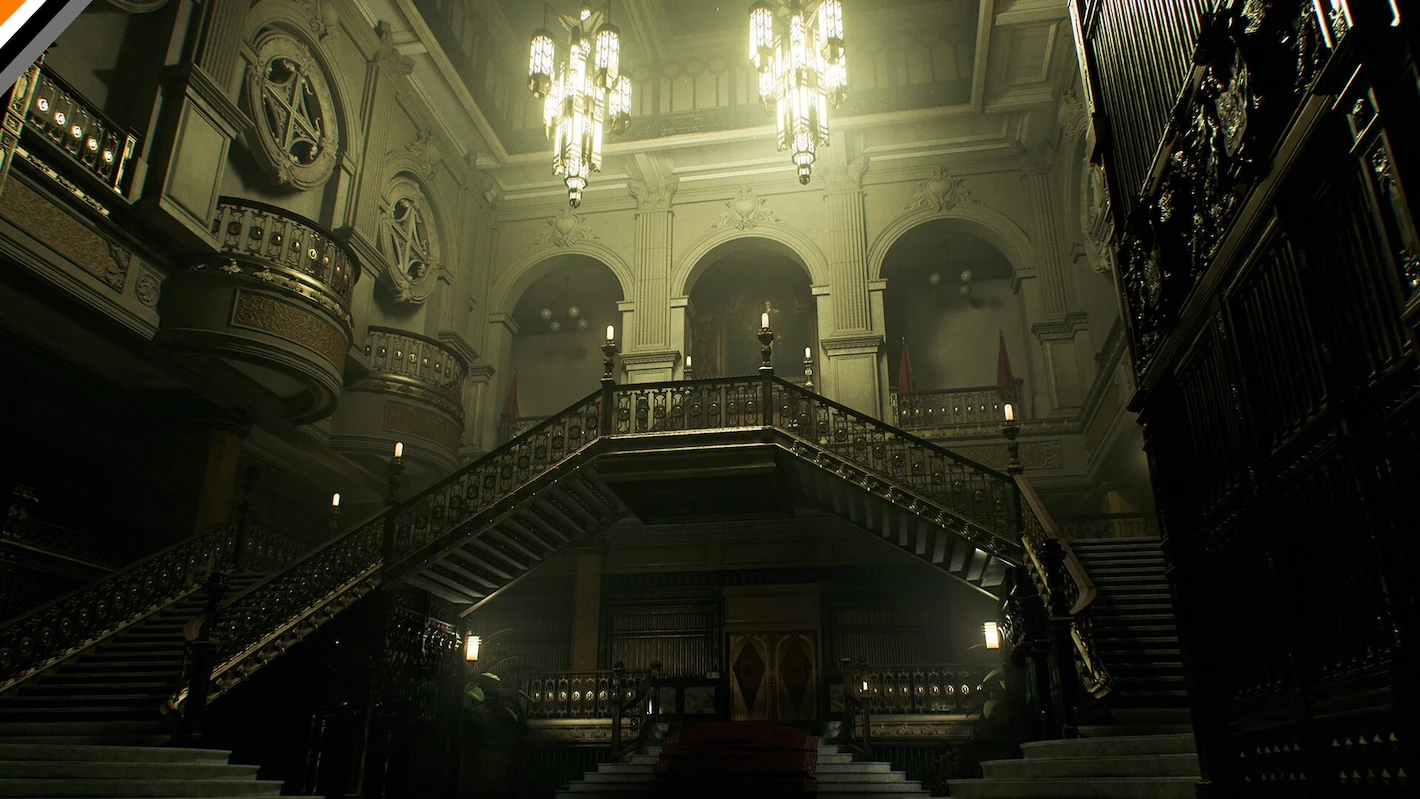
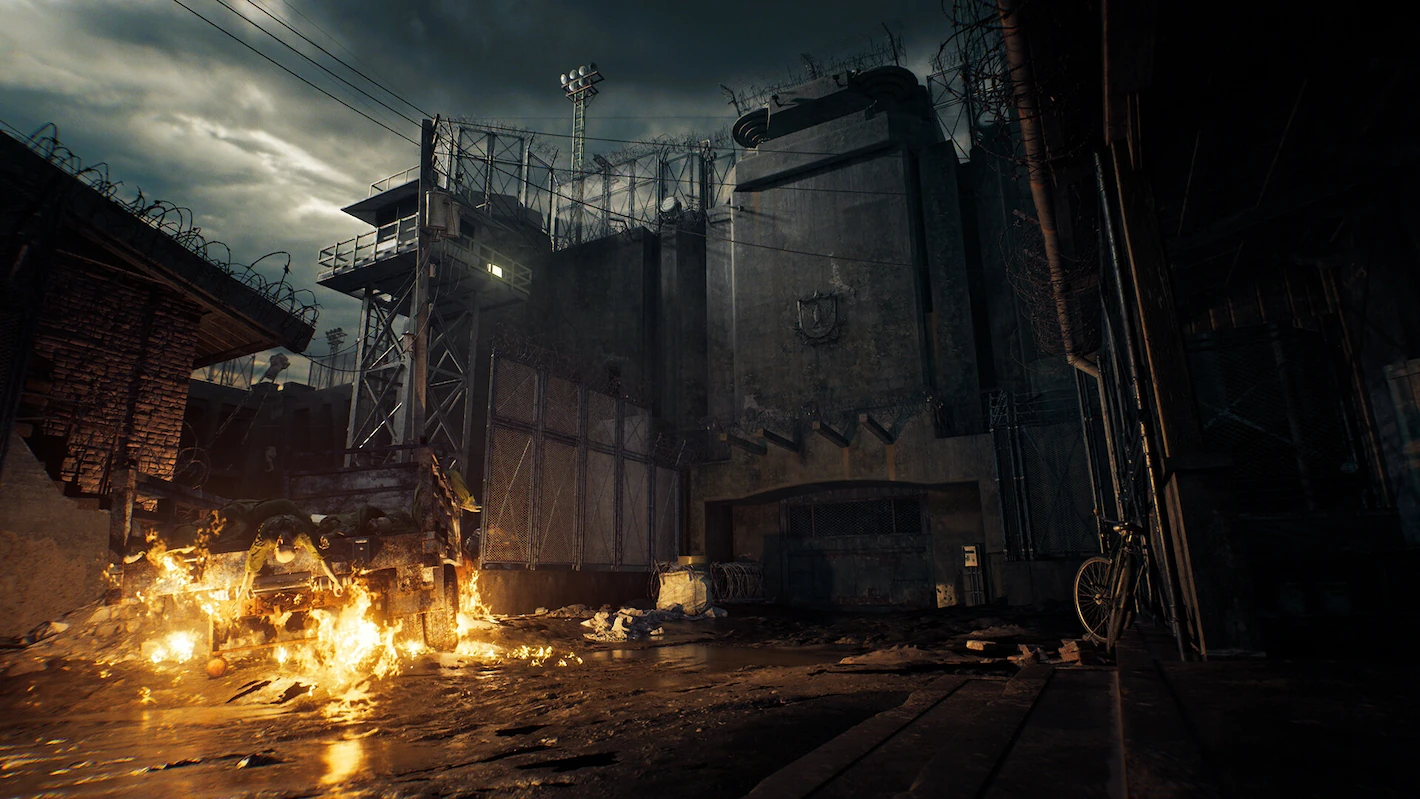
The official description identifies Rockfort Island as the opening centre of the remake, once again transformed into a “living hellscape” by a biological disaster. The island remains one of the strongest settings available to Capcom because it combines several forms of isolation within one location. It is a prison, military installation, private estate and monument to the power of the Ashford family. Its architecture can move between industrial corridors, underground facilities, deteriorating cells, aristocratic interiors and exposed coastal spaces without losing thematic unity. Every part of it exists under the authority of the same damaged lineage. The RE ENGINE should allow Rockfort to gain the density and physical credibility seen in Capcom’s recent survival-horror environments. Rain, wind, damaged stone, corroded metal and biological contamination can transform the island into something more oppressive than a collection of connected rooms. Lighting should make every interior feel uncertain without reducing visibility to constant darkness. Environmental storytelling will be equally important. The island should reveal how prisoners were treated, how Umbrella used the facility, how the Ashfords preserved their status and how quickly the outbreak destroyed the remaining order. Documents can explain some of that history, but architecture should carry just as much information. The original game’s scale also extended beyond Rockfort. Without entering unnecessary spoiler territory, Veronica eventually becomes a much larger journey than its opening suggests. The remake should resist compressing that progression into one visually uniform campaign. Its later environments need to feel like a genuine escalation rather than a smaller second half attached to the island.

the ashfords cannot become generic villains
Resident Evil has always balanced pharmaceutical conspiracy with characters whose obsessions push the series into gothic melodrama. The Ashford family may be the purest example of that combination. Their history involves inherited status, scientific arrogance, personal fixation and a belief that bloodline can justify almost anything. That material could easily be flattened during modernization. A more restrained script might attempt to remove every theatrical element in the name of seriousness, but Veronica would lose much of its character if the Ashfords became ordinary corporate antagonists. Their family estate, behaviour and relationship with Umbrella should feel excessive because excess is fundamental to their identity. The remake needs greater psychological coherence, not less personality. Motivation should become clearer, performances more controlled and uncomfortable subjects handled with more confidence, but the family must remain strange. Their instability is reflected in the architecture, creatures and atmosphere surrounding them. Capcom’s official language is already suggestive. The Steam description presents Veronica as a survival-horror story in which “madness and intrigue, love and hate” are deliberately intertwined. That is not the language of a purely clinical outbreak story. It signals that the emotional and gothic dimensions remain part of the remake’s intended identity. This may be one of the project’s most difficult creative decisions. Resident Evil 2 could become more grounded without losing its central structure. Resident Evil 4 could modernize its tone while retaining humour and spectacle. Veronica requires Capcom to preserve something less balanced and more eccentric. Cleaning it too thoroughly could remove the very reason it deserves to return.
wesker’s return must carry real weight
Albert Wesker’s presence is another reason Veronica belongs in the central chronology. His return after the first Resident Evil is not a minor cameo. It reveals that he survived, changed and entered a new phase of the conflict against both Umbrella and Chris Redfield. Modern players who know the later games may already understand where that rivalry leads, but the remake should present this moment from the perspective of characters who do not. Chris should encounter someone he believed dead and immediately understand that the old betrayal has become something larger. Wesker must feel dangerous without becoming an unstoppable action spectacle too early. His power should be unsettling because it disrupts the rules established by earlier biological threats. He is still intelligent, calculating and personally invested in humiliating Chris. Physical ability strengthens that threat, but it should not replace manipulation. The remake can also use him to connect Veronica more clearly with the wider series. A reimagined story does not require endless references or scenes designed only to advertise later games. It needs to show why Wesker’s survival changes the future and why the Redfield conflict becomes personal enough to continue. Capcom should be especially careful with pacing. Revealing too much too early would weaken the island’s mystery, while keeping Wesker absent for too long could make his role feel secondary. His appearances should mark major shifts in the campaign rather than serving as brief fan-service interruptions.
survival horror before action
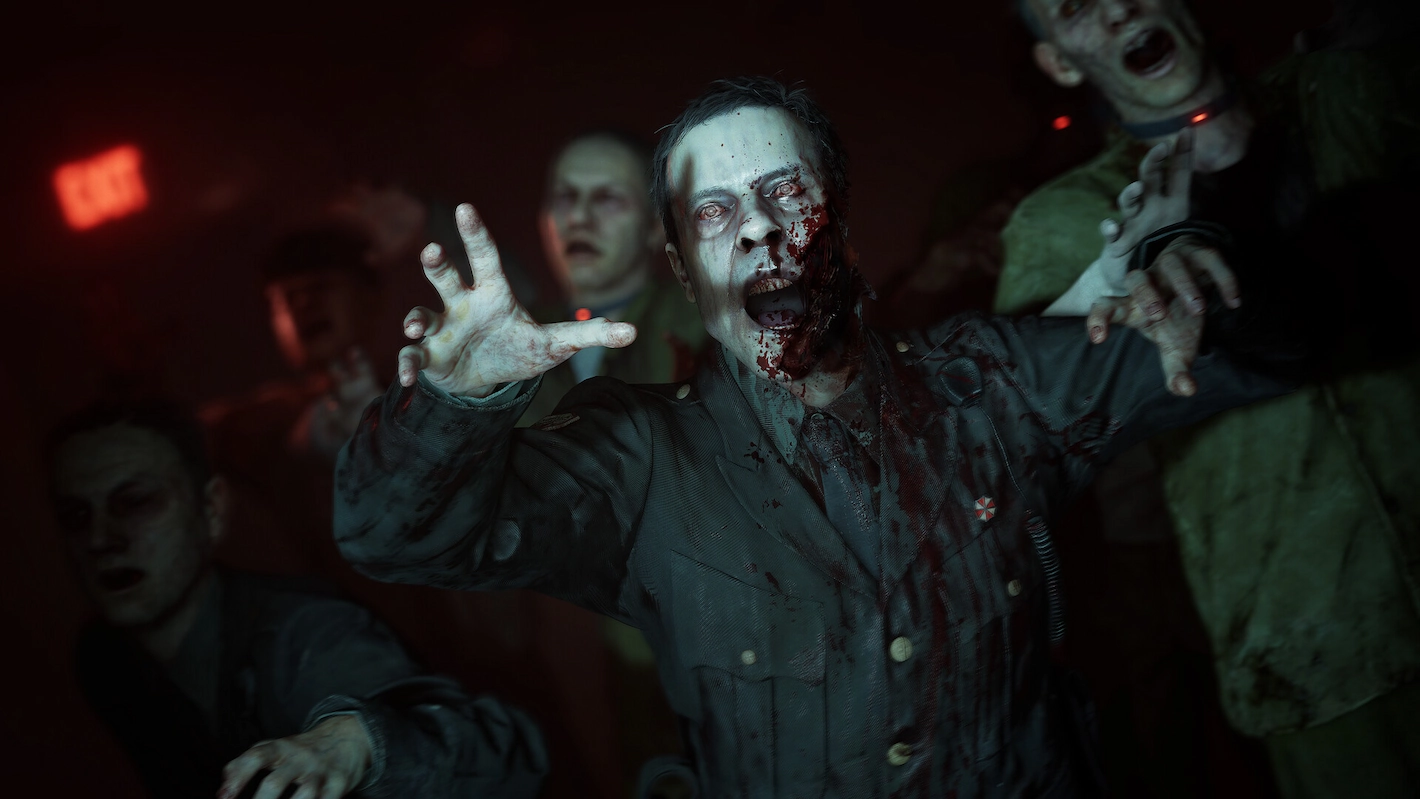
The official genre remains survival horror, and Capcom promises modernized gameplay rather than a complete transformation into another style. That distinction matters. Veronica contains enough creatures, weapons and dramatic confrontations to become action-heavy, but its strongest structure depends on resource pressure, exploration, locked routes and the uncertainty of travelling through hostile spaces with limited supplies. The remake should strengthen the combat without allowing combat to consume the game. An over-the-shoulder camera is the most likely direction, but the viewpoint alone will not determine whether the game remains survival horror. Enemy durability, ammunition distribution, inventory limits, healing scarcity and map design will matter far more. A precise aiming system can coexist with tension when every shot has value. The original also contains several encounters and progression decisions that can punish players who arrive without the correct resources. Modernization should remove situations where earlier choices create disproportionate frustration hours later. That does not mean eliminating preparation. It means ensuring that difficulty comes from readable risk rather than hidden knowledge available only after failure. Boss encounters require similar revision. Some original battles are memorable in concept but limited by camera, arena design or mechanical simplicity. Capcom now has the ability to transform them into encounters that use movement, environment and resource management without turning every boss into a prolonged damage test. Enemy design should remain selective. Veronica does not need hundreds of creatures on screen. It needs threats that make hallways, courtyards and underground spaces feel dangerous even when the player is trying to conserve ammunition. The strongest remake would make avoiding an enemy as meaningful as defeating it.
two redfields, one complete campaign
The division between Claire and Chris gives Veronica a structure unlike most other Resident Evil games. They are not alternative versions of the same campaign. Their journeys belong to one continuing story. That relationship must be communicated clearly. The transition between protagonists should feel like a major narrative development, not an interruption that removes upgrades and resources without warning. Each character needs a distinct role while still sharing the same larger objective. Claire’s campaign naturally emphasizes escape, investigation and the immediate human consequences of Umbrella’s actions. Chris enters with more experience and a direct history with both Umbrella and Wesker. Those differences can influence combat confidence, dialogue and the way each character reads the environment without requiring entirely separate control systems. The remake should also improve inventory and resource continuity. One of the original game’s most discussed design problems comes from how equipment and supplies can become inconveniently distributed across character transitions. A modern version can preserve planning without allowing a player to unknowingly disadvantage the second half of the campaign. More interaction between the Redfields would strengthen the emotional centre. Their separation drives the story, but the reunion must justify the journey. Veronica is not only another outbreak. It is the completion of Claire’s search and the beginning of a renewed conflict surrounding Chris.
what must change
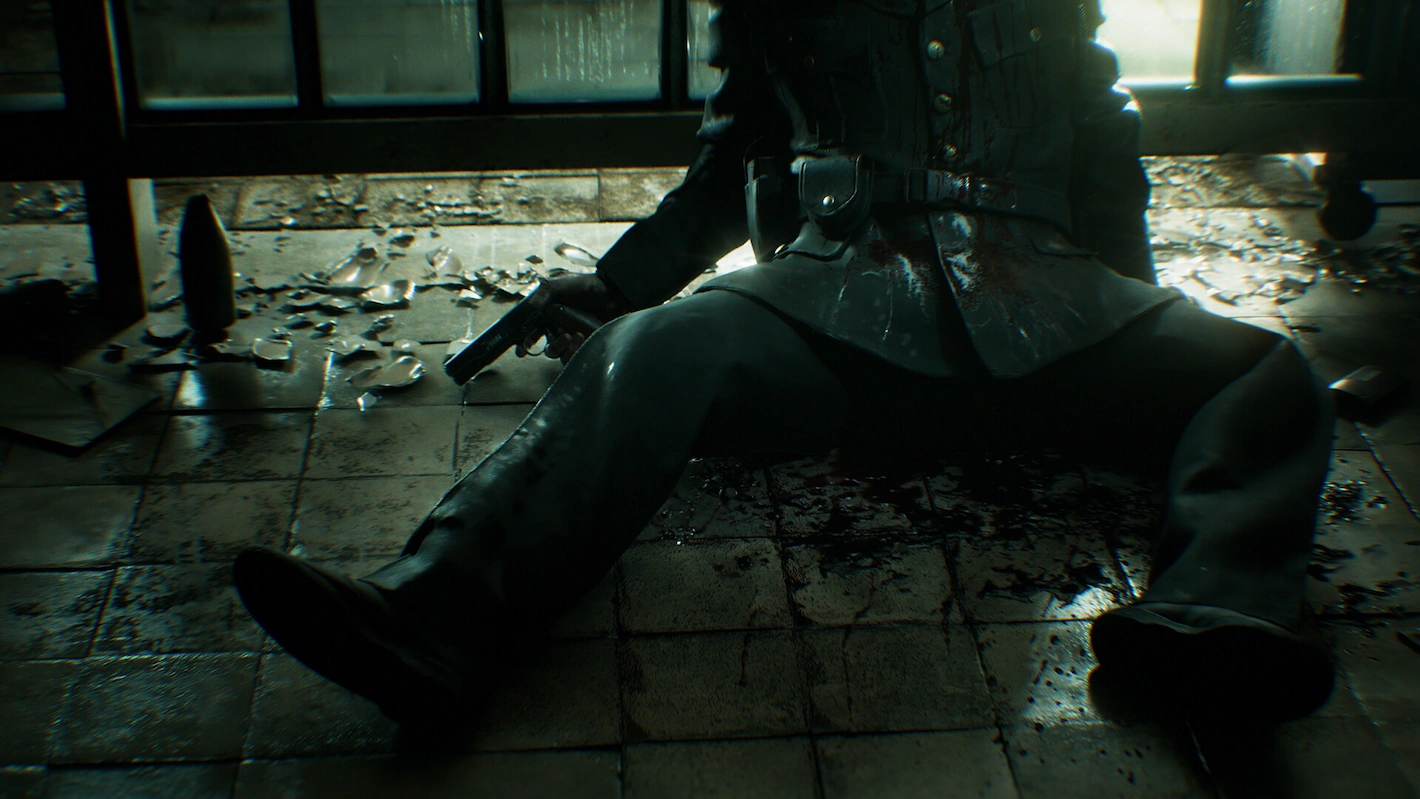
A faithful remake should not be afraid of reconstruction. Veronica contains brilliant ideas, but it also carries design decisions shaped by the limitations and expectations of 2000. Navigation can become more readable without placing objective markers on every doorway. Backtracking can remain part of the structure while being supported by better shortcuts and clearer spatial relationships. Inventory management can remain restrictive without punishing players through information they could not reasonably possess. Combat should feel responsive, enemies should telegraph attacks clearly and boss arenas should support movement rather than fighting against the camera. Character transitions need better preparation. The narrative should develop its emotional logic without explaining every mystery. Some scenes will need careful rewriting. The goal should not be to erase uncomfortable or eccentric material, but to present it with greater control and intention. Veronica can remain strange without becoming careless. The remake must also determine how much content to preserve. Compression may improve pacing, but excessive removal would weaken the sense of a long and dangerous journey. Capcom should rework weak sections before deciding they are unnecessary. Resident Evil 3 demonstrated how reducing locations can change the character of an entire remake, even when the remaining material is polished. Veronica deserves expansion where expansion reveals the island, its prisoners, the Ashford history or the Redfield relationship. It does not need padding. It needs the full shape of its story to survive modernization.
what must not change
Veronica cannot lose its gothic character. The aristocratic decay, isolated facilities, dramatic family history, strange machinery and theatrical horror are not flaws waiting to be replaced by generic realism. They are the game’s signature. Capcom should improve their presentation while preserving the feeling that Claire has entered a nightmare shaped by one family’s obsession. The campaign must remain large enough to feel like a journey. The Redfields must remain central. Wesker’s return must matter. Resource management and exploration must continue carrying the tension. Most importantly, the remake must resist becoming visually indistinguishable from every other RE ENGINE project. Shared technology can provide excellent faces, lighting and material detail, but Veronica needs its own atmosphere. Rockfort should not feel like another Raccoon City police station with different walls. The official promise to preserve the essence of the original is therefore more important than any individual graphical feature. The essence is not one monster, one puzzle or one line of dialogue. It is the combination of survival horror, family melodrama, isolation and a journey that pulls two Redfields into the next stage of their war against Umbrella and Wesker.
why capcom has earned confidence
Capcom’s recent remake era has shown that the company understands how to rebuild an older game without simply placing modern graphics over its original structure. The strongest remakes preserve recognizable locations, characters and themes while reconsidering combat, pacing, performance and presentation for a modern audience. Not every creative decision across that era has been equally successful, and Veronica presents problems different from Resident Evil 2 or Resident Evil 4. Its campaign is longer, stranger and structurally more complicated. Its villains require a difficult balance between psychological credibility and gothic excess. Even so, there is little reason to doubt Capcom’s ability to deliver another high-quality survival-horror game. The RE ENGINE is established, the remake philosophy is proven and the company has chosen to describe Veronica as a major new installment rather than a minor restoration. Capcom confirms that development is progressing with both returning fans and newcomers in mind. Our confidence does not come from believing the game is already finished or that every choice will automatically be correct. It comes from the consistency with which Capcom has restored Resident Evil’s standing, rebuilt important chapters and understood the value of its own survival-horror identity. Veronica may be the project that tests that experience most severely. It is also the project that could benefit from it most.
Score Before Score is not a review score
Only a limited amount of public video material is currently available, and Capcom has not yet revealed the complete combat system, campaign structure, enemy roster, puzzle design, PC requirements or final technical performance. The following score is therefore a free editorial projection based exclusively on the official footage, written information, confirmed remake direction and Capcom’s established work on modern Resident Evil releases. The projection reflects the strength of the source material, the importance of Claire and Chris, the return of Rockfort Island, the Ashford storyline, Wesker’s role and the enormous potential of rebuilding those elements through the RE ENGINE. Capcom has confirmed modernized gameplay, a reimagined story, high-quality graphics and a 2027 PC release, but many details remain undisclosed. A score of 94 does not claim that the final game has already earned 94 points. It expresses how highly we currently evaluate its potential. Based on the available material, we do not doubt that Capcom will deliver a quality game. Its modern Resident Evil work gives us confidence that Veronica will receive the production values, atmosphere and mechanical reconstruction required to return as more than a nostalgic remake. The remaining question is not whether Capcom can make it good. The question is whether it can preserve enough of the original’s strange personality to make it exceptional.