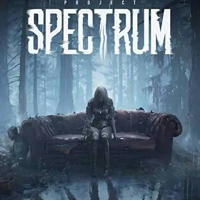
SPECIAL | PROJECT SPECTRUM | THE MONSTER IS ANOTHER PLAYER
A tactical team enters an abandoned estate expecting hostile creatures, rival operatives and the usual uncertainty of a high-risk mission, but the most dangerous presence in the area is not following a scripted patrol. It is watching from walls and rooftops, waiting for two human squads to weaken one another before entering the fight. Project Spectrum is an upcoming free-to-play asymmetric PvPvE tactical thriller from Team Jade, the studio behind the modern Delta Force, and its central idea immediately separates it from the growing number of extraction-style shooters. Players enter reality-warped Ember Zones as customizable Agents, searching for intelligence, resources and answers while confronting supernatural creatures, competing teams and the psychological effects of the environment. A separate player can enter the same operation as an Executioner, a powerful paranormal predator that grows stronger by hunting vulnerable targets. There is currently no confirmed single-player campaign, so Project Spectrum should be understood as an online multiplayer experience built around unstable encounters rather than a traditional story-led horror game. Even so, its combination of grounded weapon handling, improvised survival systems and player-controlled horror gives it enough identity to deserve attention beyond an ordinary preview.
| – status – | in development |
| – release – | tba |
| – genre – | fps/f2p/asymmetric-pvpve |
| – developer – | team jade |
| – publisher – | tencent games |
| – platform – | desktop pc |
| – focus – | tactical combat/survival/teamwork… |
| -score before score- | 87/100 |
the ember does not simply destroy the world
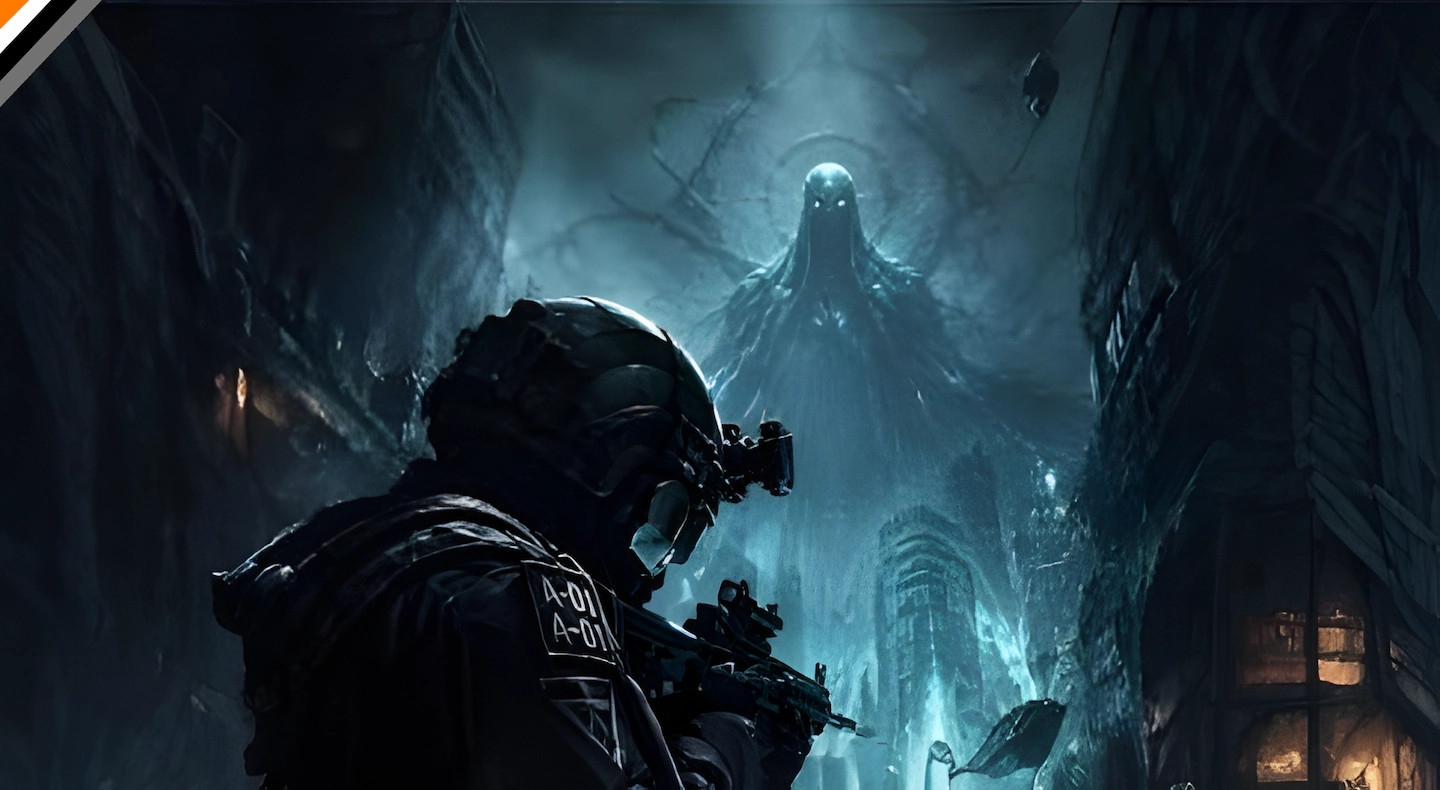
The Ember is described as a radiant, reality-distorting force capable of transforming cities, landscapes and living organisms into something unfamiliar. Areas affected by it become Ember Zones, dangerous regions where physical space, biological life and human perception no longer behave reliably. This gives Team Jade more freedom than a conventional military setting while allowing the equipment and movement of its Agents to remain relatively grounded. A ruined mansion can contain recognizable rooms, corridors and courtyards while still producing unnatural creatures, shifting threats and environmental phenomena that cannot be explained through ordinary combat logic. That contrast is important. Horror becomes weaker when every surface is covered with obvious corruption and every encounter announces itself with noise. Project Spectrum appears more effective when a believable tactical environment slowly reveals that its rules are no longer dependable. The public demonstration at Nightfall Manor showed players investigating the disappearance of a scientist, moving carefully through infected grounds, searching interiors and encountering the transformed former owner before a much greater threat emerged outside. The Ember therefore functions as more than decorative lore: it provides the foundation for unpredictable maps, altered enemies and psychological pressure that can change how a squad interprets the environment.

agents are resources, not disposable classes
Players take the role of an Operator responsible for recruiting, preparing and managing a group of elite Agents before deploying them into dangerous operations. During a mission, the player directly controls one of those Agents, but the broader squad exists as a continuing roster rather than a simple menu of interchangeable character classes. Team Jade has indicated that Agents can be built and customized around different capabilities, while successful operations provide intelligence and materials that support later preparation. The idea becomes more interesting when combined with the psychological effects of Ember Zones. Sanity is presented as a limited resource that can deteriorate under pressure, potentially affecting perception and decision-making while the squad is already dealing with ammunition, injuries, hostile teams and supernatural enemies. A persistent roster could give individual missions consequences beyond losing collected items, especially when an experienced Agent returns with lasting physical or psychological problems. However, this part of the game still requires much more explanation. Project Spectrum needs to show whether roster management creates meaningful attachment and strategic planning or merely adds another progression screen filled with numerical penalties. Agents should feel like people being sent into an environment that can permanently alter them, not disposable loadouts waiting for the next match.
tactical combat depends on improvisation
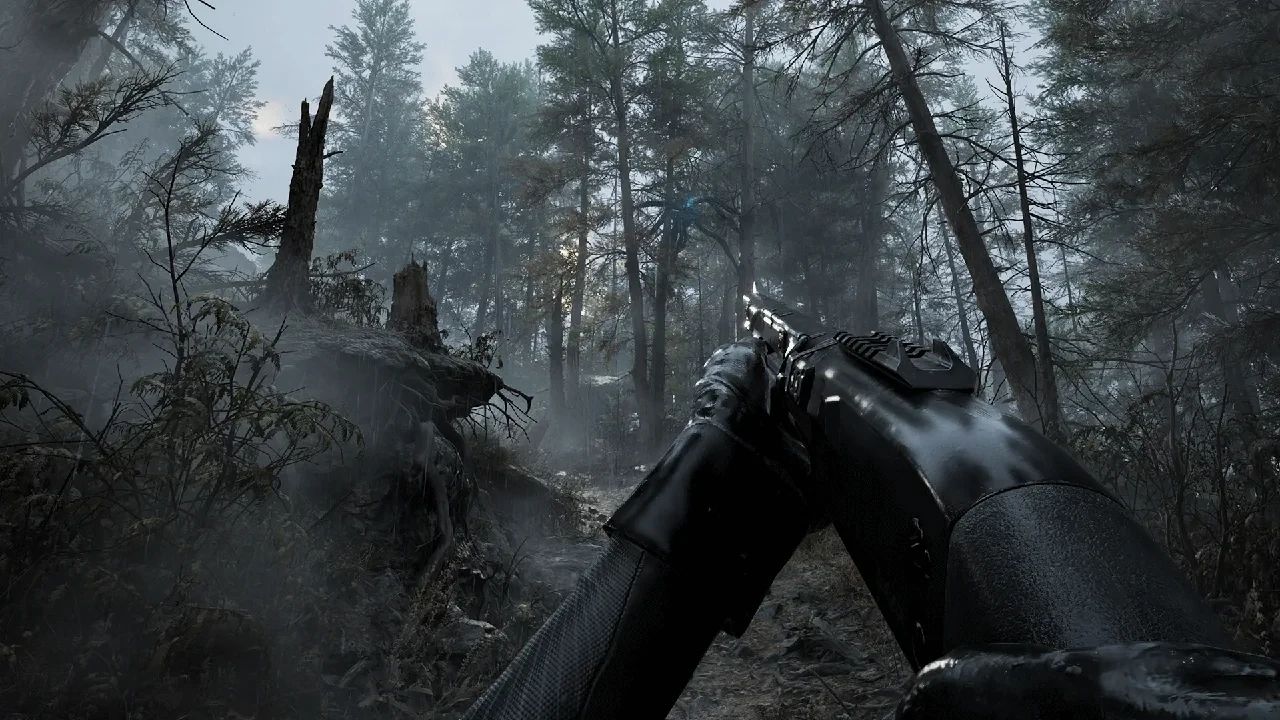
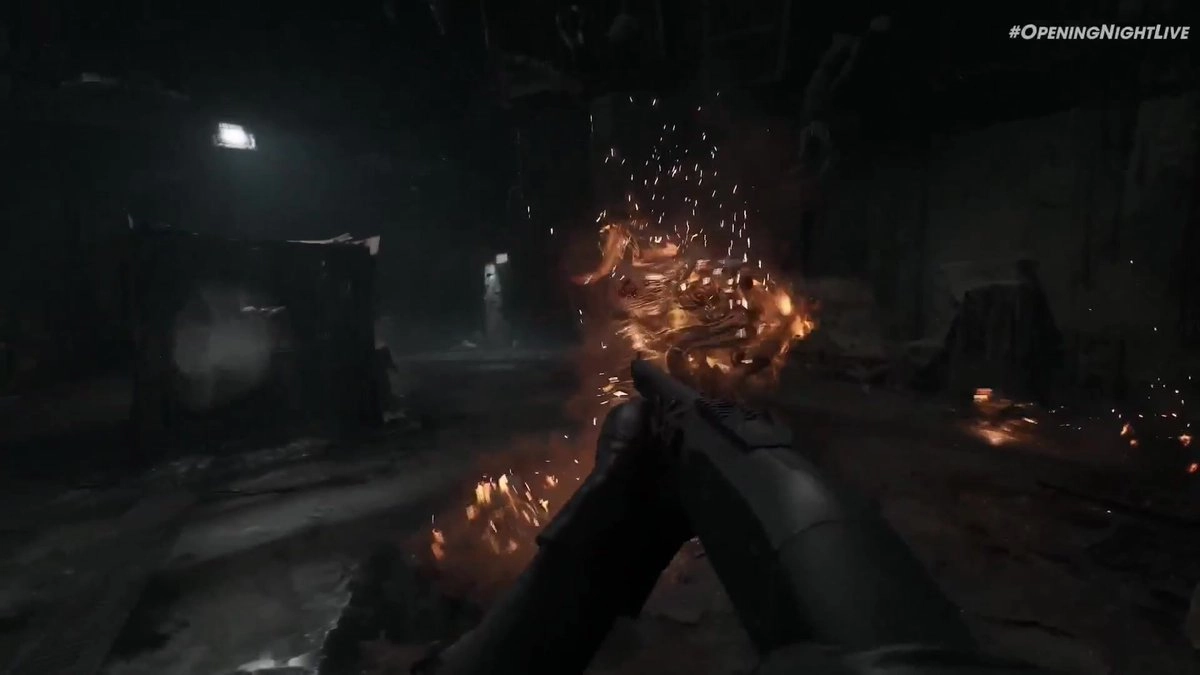
The available gameplay emphasizes deliberate movement, limited information and weapons that appear more forceful than the lightweight firearms often found in faster competitive shooters. Individual rounds matter, quiet approaches can prevent unnecessary attention, and direct confrontations between player squads can end quickly when positioning collapses. Project Spectrum also includes improvised item crafting during operations. In the demonstrated mission, ordinary objects could be converted into practical tools such as a makeshift suppressor, traps or temporary weapon modifications, allowing the environment to become part of the squad’s preparation. This system fits the setting because Agents are entering unstable areas where conventional equipment may not solve every problem. The risk is that improvised crafting becomes a collection of predetermined recipes that players repeat automatically after memorizing the useful combinations. Its strongest version would force squads to work with whatever objects are available, making preparation dependent on location and circumstance rather than a fixed pre-match build. Environmental awareness should remain equally important. Doors, narrow passages, elevated positions, noise and visibility can create opportunities against rival teams, but those same tactical choices may expose the squad to supernatural creatures attracted by conflict. Project Spectrum becomes most compelling when a correct military decision creates a new horror problem.

the executioner changes the entire match
The Executioner is Project Spectrum’s defining feature. Before entering a session, players can choose whether they want to deploy as an Agent or take control of the paranormal hunter. The demonstrated Executioner could move rapidly across walls and rooftops, use unusual mobility to observe combat from unexpected positions and attack weakened players after rival squads had already exchanged fire. It was substantially more dangerous than any individual Agent, but it remained vulnerable to coordinated groups and was expected to hunt, consume targets and accumulate power before reaching its full potential. This creates an asymmetric ecosystem rather than a simple match between equal teams. Agent squads must decide whether an ongoing firefight is worth continuing when the noise may attract something stronger than either side, while the Executioner player must choose between early aggression and patient growth. Comparisons with Evolve are unavoidable, and Team Jade has openly acknowledged the studio’s interest in that game, but Project Spectrum adds the complication of multiple hostile squads, AI creatures, exploration objectives and resource extraction. The monster is not the entire match; it is another intelligent threat moving through a larger conflict. Balancing that role will be extremely difficult. Too weak, and the Executioner becomes an occasional inconvenience. Too strong, and carefully planned operations can be erased by one player with superior movement and survivability.
horror must survive repeated play
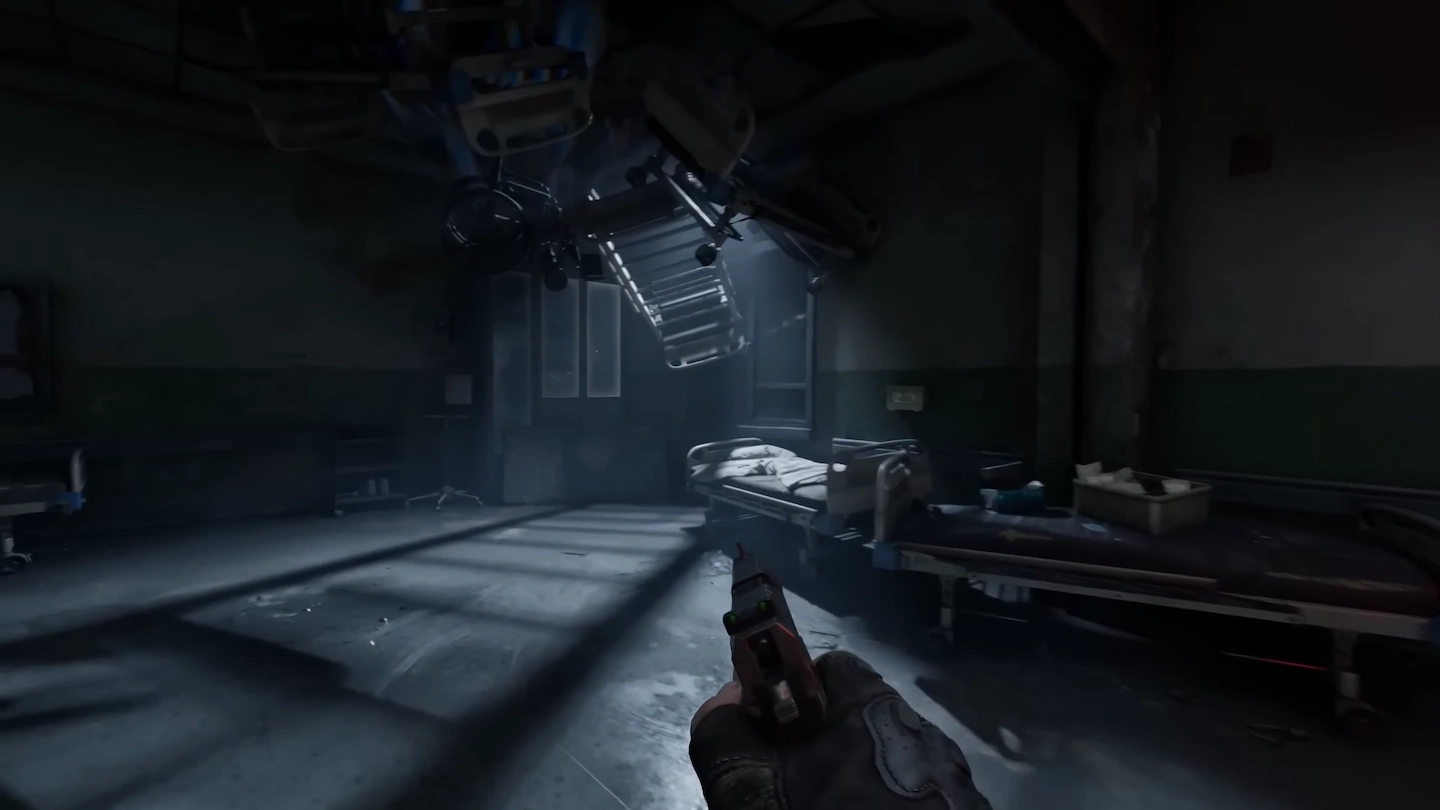
Project Spectrum looks excellent in controlled demonstrations because the first encounter with an Ember Zone is filled with uncertainty. Players do not yet know which sounds indicate danger, what an altered creature can do or where the Executioner may be hiding. Multiplayer repetition naturally removes part of that fear. Maps become familiar, efficient routes replace cautious exploration, crafting recipes become routine and once-disturbing enemies turn into predictable sources of resources. Team Jade therefore cannot depend entirely on visual design or scripted scares. Horror must emerge from systems capable of producing new situations after the environment has been learned. Variable objectives, changing resources, different creature behaviour, unstable sanity effects and the decisions of the Executioner could preserve some uncertainty, but only when those systems interact in ways players cannot fully reduce to a formula. The visual foundation is already strong: realistic tactical equipment sits against deformed architecture, shadow-covered creatures and environments that appear contaminated without becoming visually unreadable. Unreal Engine 5 supports the detail and lighting required for this contrast, but technology alone cannot create tension. Project Spectrum needs sound, pacing and mechanical consequences that make even experienced squads question whether entering one more room is worth the risk.
free-to-play may determine more than the price
Making Project Spectrum free-to-play removes the initial cost of entry and could provide the large population required for its unusual match structure. The game needs enough players willing to operate as Agents, enough interested in becoming Executioners and enough active squads to keep Ember Zones unpredictable. Team Jade already has experience maintaining a major free-to-play shooter through Delta Force, which gives the studio a stronger operational foundation than many teams attempting their first live multiplayer project. The same model creates obvious concerns. Agent progression, equipment acquisition, recovery from failed missions and roster management could all become uncomfortable pressure points when monetization enters the system. Cosmetic purchases would be the least disruptive approach, but even visual content must respect the game’s atmosphere. Project Spectrum would lose much of its identity if serious tactical equipment and psychological horror were gradually replaced by bright promotional costumes designed primarily to attract purchases. Progression must also avoid creating paid advantages between Agents or reducing the consequences of failure for players willing to spend more. A free game is not automatically an accessible one when its economy turns preparation into a prolonged grind. Team Jade has not yet explained the full monetization structure, so enthusiasm should remain attached to the gameplay concept rather than assumptions about how fairly it will be operated.

no campaign, but still a world worth investigating
The absence of a confirmed single-player campaign matters because Project Spectrum’s atmosphere appears strong enough to support one. Ember Zones, missing researchers, transformed inhabitants and an organization sending Agents into reality-warped territory provide obvious material for a focused narrative. The current structure instead places those ideas inside repeatable online operations where environmental storytelling and mission objectives must carry most of the world-building. That does not make the game less ambitious, but it changes what players should expect. Project Spectrum is not presently a paranormal successor to a story-driven tactical horror game. It is a multiplayer system in which human opponents and a player-controlled monster create situations that scripted enemies cannot reproduce. The ideal outcome is not a substitute campaign but a world whose stories emerge naturally from failed plans, temporary alliances and encounters that no developer arranged in advance. Two rival teams may stop fighting when an Executioner appears, cooperate long enough to survive and betray each other when the extraction opportunity returns. Such moments can become more memorable than a cinematic sequence because they belong to the players involved. The question is whether Project Spectrum can produce them consistently rather than only under perfect demonstration conditions.