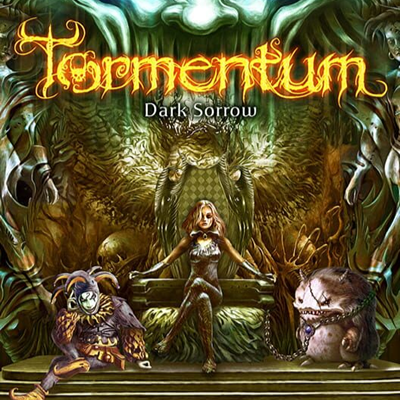
REVIEW | TORMENTUM II | PAINTED LIKE A NIGHTMARE
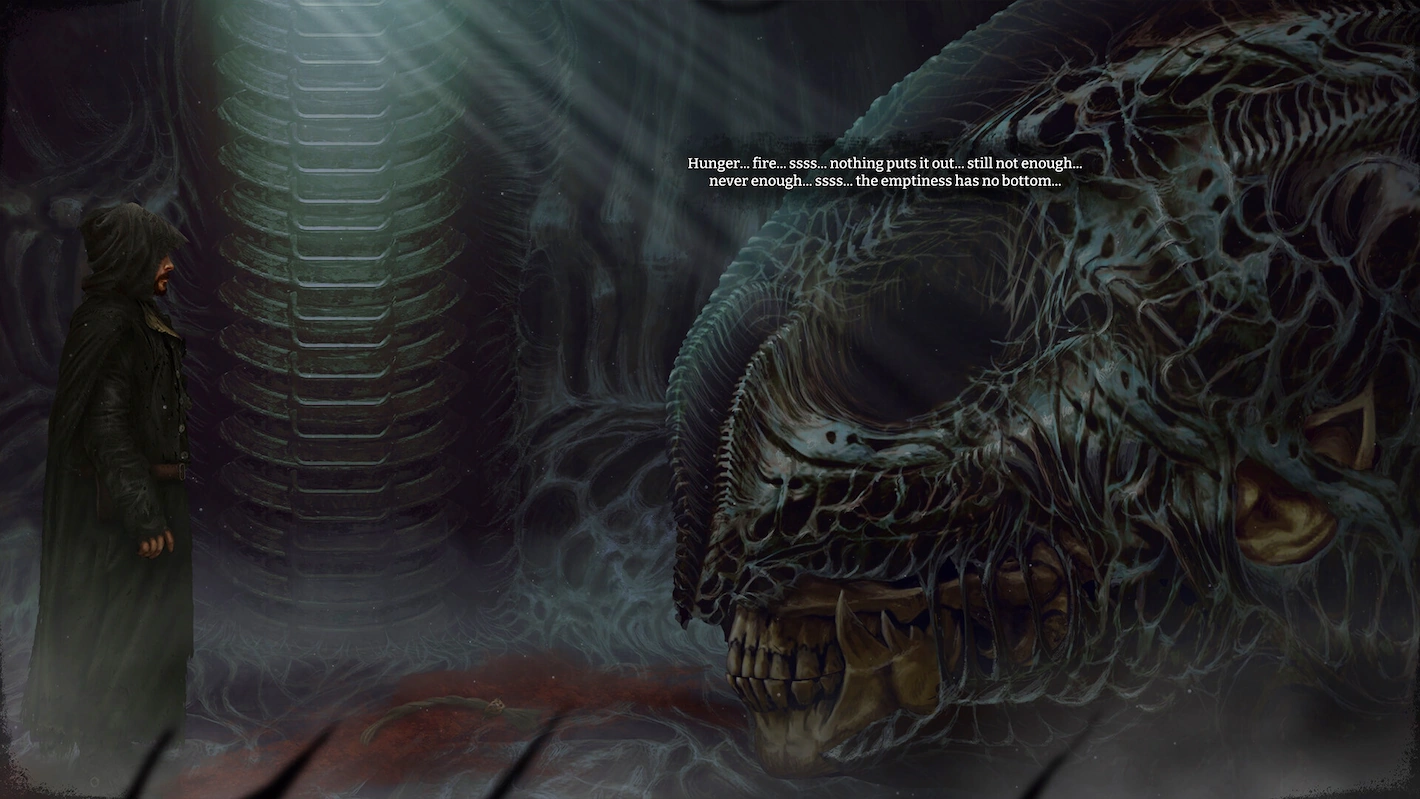
A corridor made of bone, metal and something that appears disturbingly alive stretches toward a figure waiting beneath an unfamiliar sky. Nothing moves quickly, no creature suddenly leaps toward the screen and no combat encounter interrupts the silence, yet the place feels hostile before the first puzzle has even been understood. Tormentum II does not need conventional action to create fear. Its world is enough. Every room, structure and character appears to have been pulled from a nightmare that continued developing long after the dreamer woke up, and the game’s exceptional hand-drawn art transforms a traditional point-and-click adventure into one of the most visually distinctive PC releases of the year. OhNoo Studio spent approximately eight years building this standalone continuation, expanding the scale far beyond Tormentum: Dark Sorrow with 200 hand-drawn scenes and dedicated close-ups that bring the total number of individual background images close to 500. The result is not merely a larger sequel. It is a darker, stranger and considerably more ambitious descent into a simulated world that has developed its own inhabitants, beliefs and intentions.
a world that should not exist
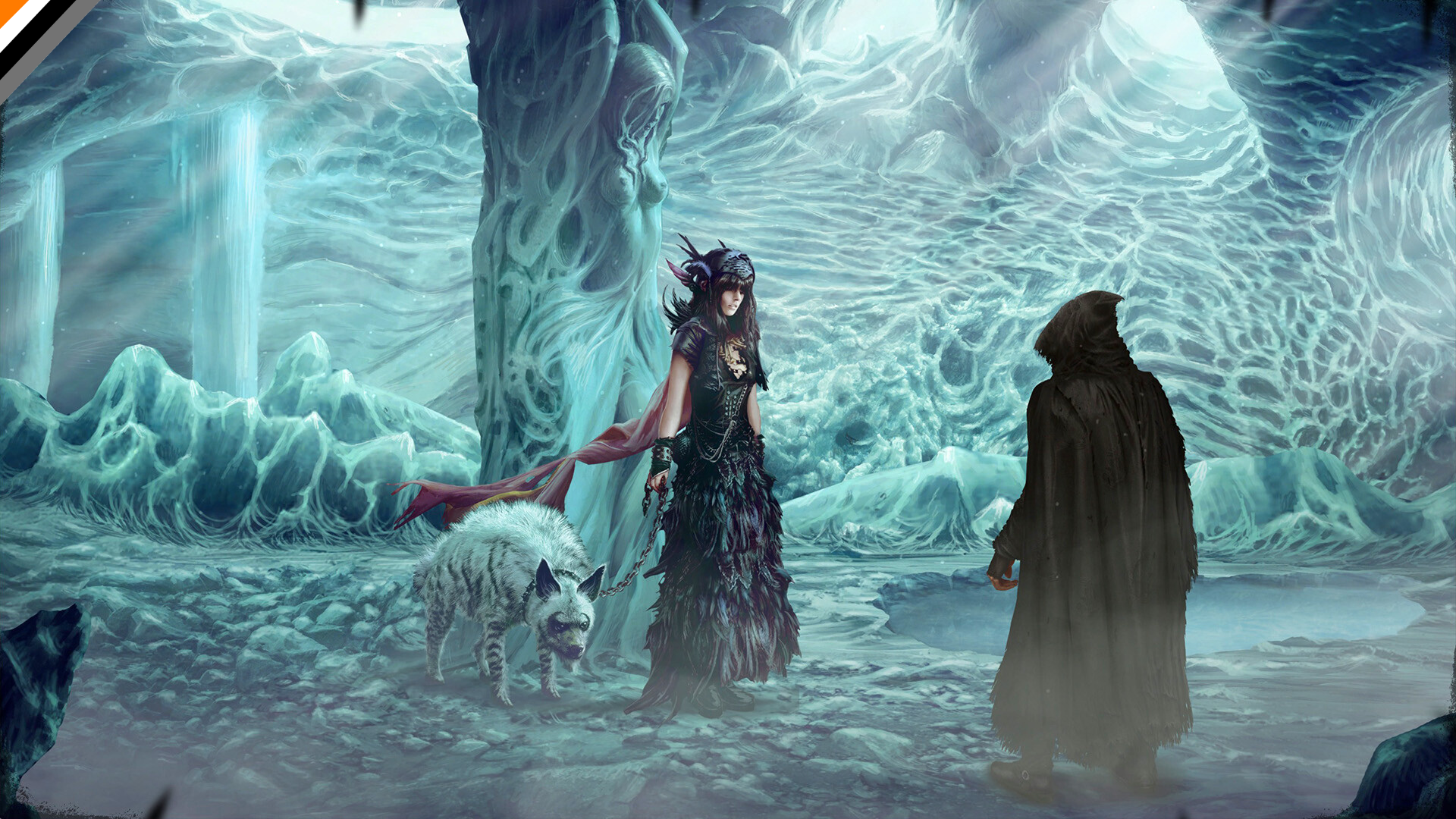
David is developing a simulation populated by beings capable of human-level thought, but recurring dreams of a locked chest and the voice of an unknown woman begin to disturb the boundary between his work and his own memory. When a mysterious seller offers him an unusual coprocessor, fragments of those dreams start appearing while he is awake. He eventually finds himself trapped inside the world he helped create, surrounded by digital inhabitants who no longer behave like programmed objects and who speak about distant gods that were never supposed to exist. To return home, David must travel between the simulation’s islands, understand its corrupted layers and discover why his creation no longer obeys him. The premise immediately gives Tormentum II more narrative direction than a simple journey through disconnected horror paintings. David is not only trying to escape an unfamiliar place; he is confronting the possibility that creation can continue beyond the creator’s intentions. The inhabitants of the simulation have their own fears, loyalties, rituals and interpretations of reality, while David’s role does not automatically make him their unquestionable master. The world increasingly feels less like damaged software and more like a civilization trapped beneath the assumptions of the person who designed its foundations. That tension supports nearly every part of the adventure. Conversations frequently involve characters whose motives cannot be judged through a simple division between innocence and corruption. Some ask for assistance, some hide information and others appear monstrous long before their circumstances are understood. Choices affect the fates of those characters and contribute to several possible endings, but the game rarely identifies one option as obviously correct. This moral uncertainty suits the setting. A cleaner system of heroic and evil decisions would feel artificial inside a world built from suffering, manipulation and incomplete knowledge. Tormentum II instead asks the player to act without possessing every necessary answer. The consequences may only become clear after leaving a location, and even then the game may refuse to confirm whether another choice would have produced a better result.
painted like a nightmare
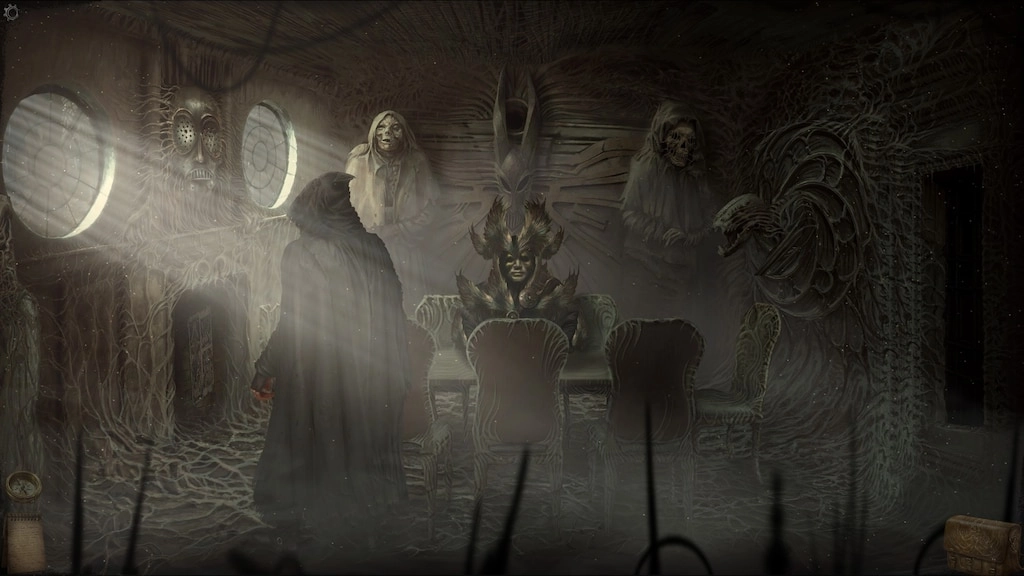
The art style is not simply Tormentum II’s strongest feature. It is the foundation supporting almost everything else. OhNoo Studio draws openly from the biomechanical forms associated with H. R. Giger and the desolate surrealism of Zdzisław Beksiński, but the final world does not feel like a collection of direct copies. Familiar influences are transformed into a consistent visual language of skeletal machinery, organic architecture, decaying monuments, deformed inhabitants and vast spaces whose original purpose has been forgotten. Individual screens deserve time. Towers lean beneath dead skies, machinery disappears into flesh, ceremonial chambers combine religious imagery with industrial cruelty and human forms are embedded into structures as though the world itself has consumed them. Smaller rooms receive the same attention as major locations. Tables, walls, devices and decorative objects are rarely generic background material; they contribute to the impression that every island developed its own history before David arrived. The enormous quantity of hand-drawn material is visible not through repetition, but through the range of environments. The game contains 200 principal scenes, while close-up illustrations bring the total number of backgrounds to nearly 500 approximately three times the amount found in the original. That scale could easily have produced inconsistency, yet the visual direction remains remarkably controlled. Colour is used carefully. Tormentum II is dark, but it does not reduce every location to the same grey or black palette. Diseased reds, metallic blues, dead browns and sickly green light distinguish areas without making the world colourful in a conventional fantasy sense. Brightness usually indicates something unnatural rather than safe. A glowing object may invite interaction, but it can also suggest contamination, surveillance or a mechanism whose purpose should remain unknown. The best scenes achieve a rare balance between beauty and disgust. They are uncomfortable to examine, yet too detailed to ignore. This contradiction gives exploration its power. The player continues not because the next room promises valuable equipment or a combat reward, but because another piece of extraordinary artwork waits beyond the transition.
atmosphere without cheap tricks
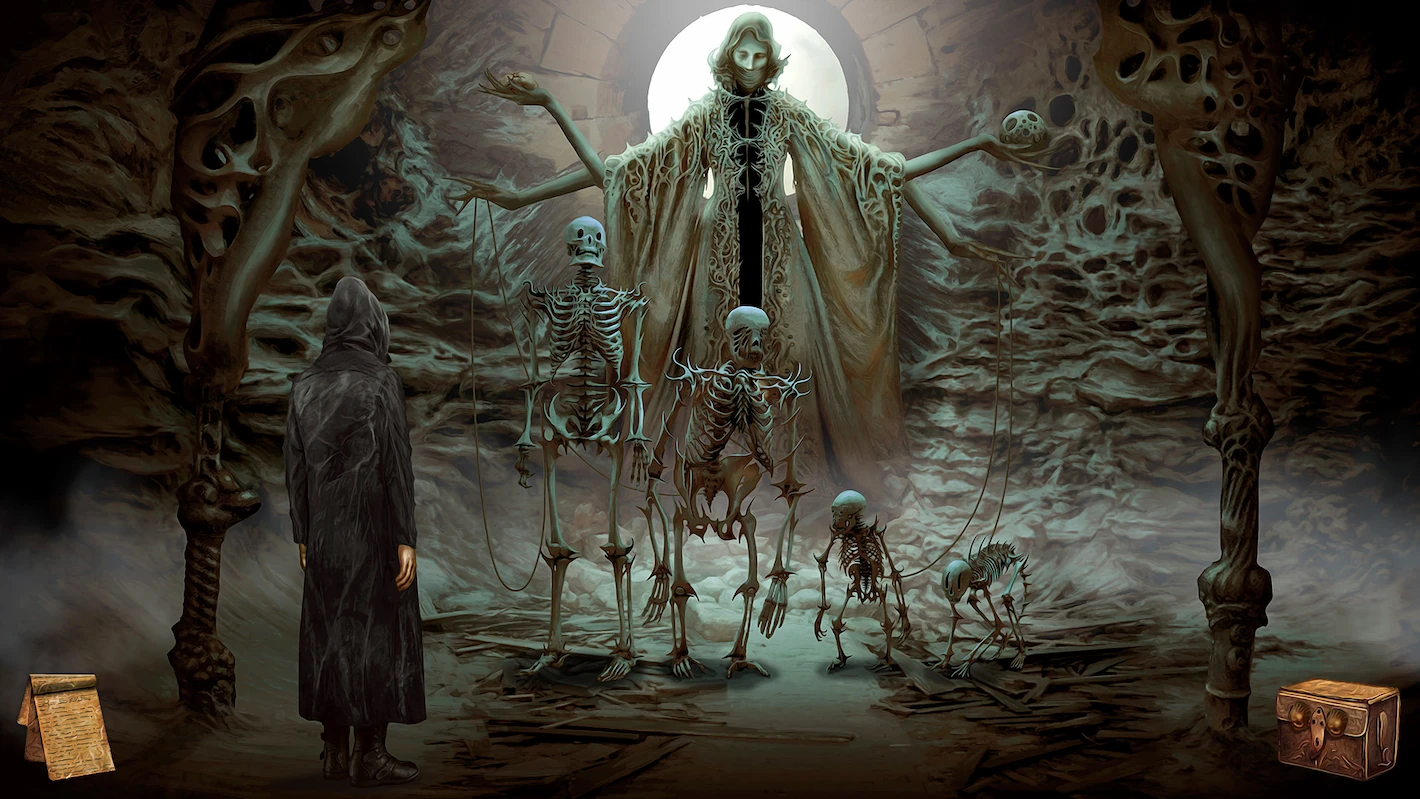
Tormentum II creates psychological horror through patience. It does not depend on repeated jump scares, pursuits or sudden violence. The discomfort begins with the spaces themselves and grows through music, sound, dialogue and implication. Silence is allowed to remain. Characters often speak slowly, environmental noises suggest machinery operating somewhere outside the visible scene and heavier musical passages appear only when the moment can support them. The official description identifies the soundtrack as dark and atmospheric, with occasional sections influenced by metal, and that contrast gives the journey additional weight without overwhelming the visual design. The atmosphere feels almost perfectly controlled because every element points in the same direction. The menus, interface, character portraits, backgrounds and audio belong to one coherent nightmare. Nothing resembles a temporary asset placed inside an otherwise finished scene. Even conventional inventory interactions feel different when the object being handled appears to come from a civilization where biology and technology have become inseparable. The horror also benefits from restraint in explanation. The world contains symbols, religions and machines whose functions are not immediately clarified. Some mysteries eventually receive context, but Tormentum II understands that complete explanation can weaken the effect of surreal imagery. It gives the player enough information to follow David’s journey while preserving the impression that the simulation contains layers he may never fully understand. That approach occasionally makes the writing seem intentionally opaque. Certain conversations rely heavily on metaphor, and the game sometimes appears more interested in sustaining mystery than delivering a direct answer. Players who need every symbol to resolve into one clear meaning may find parts of the narrative frustrating. However, the ambiguity rarely feels empty. The visual and thematic consistency suggests purpose even when the exact interpretation remains open.
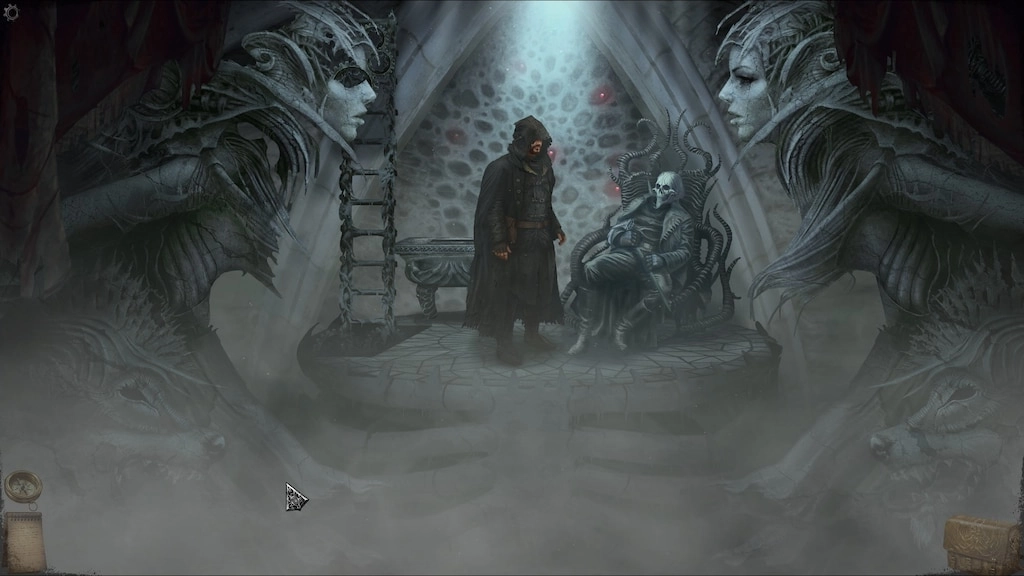
traditional point-and-click foundations
Mechanically, Tormentum II remains a traditional point-and-click adventure. The player examines scenes, collects objects, combines information, operates mechanisms and speaks with inhabitants to open new routes. There is no attempt to disguise the genre beneath action systems or unnecessary movement mechanics. That confidence works in the game’s favour because the slow, deliberate structure gives each location space to establish itself. Most puzzles are integrated naturally into the world. Mechanical devices resemble products of the culture that built them, symbolic locks match the surrounding mythology and inventory items usually have functions that can be understood through observation. The better puzzles require attention rather than random experimentation, asking the player to notice a sequence, interpret a visual clue or connect information found in different parts of an island. Difficulty is generally approachable. Tormentum II wants players to continue discovering its world rather than remain trapped for hours in one room. This helps maintain narrative momentum, although experienced point-and-click players may occasionally wish for more elaborate multi-stage problems. Some solutions become clear as soon as the required objects are collected, reducing a puzzle to execution rather than deduction. A greater challenge comes from identifying every relevant interaction. The absence of a comprehensive tool for highlighting objects can create moments in which progress depends on noticing one small element inside an extremely detailed background. An early review similarly criticized the lack of an object-identification feature and described portions of the writing as overly opaque. The artwork is so rich that practical information can occasionally disappear inside it. This is not a constant problem, but it reveals the tension between visual composition and interface clarity. Tormentum II wants each screen to look like a complete painting, while point-and-click design requires interactive elements to remain readable. Most locations balance those priorities well; a few allow beauty to interfere with navigation. The traditional mechanics also explain why the score should remain below the exceptional 90-point range. The game presents an unforgettable world, but it does not redefine interaction within that world. Its puzzle systems are solid and frequently satisfying, yet the visual and atmospheric achievements clearly exceed the mechanical innovation.
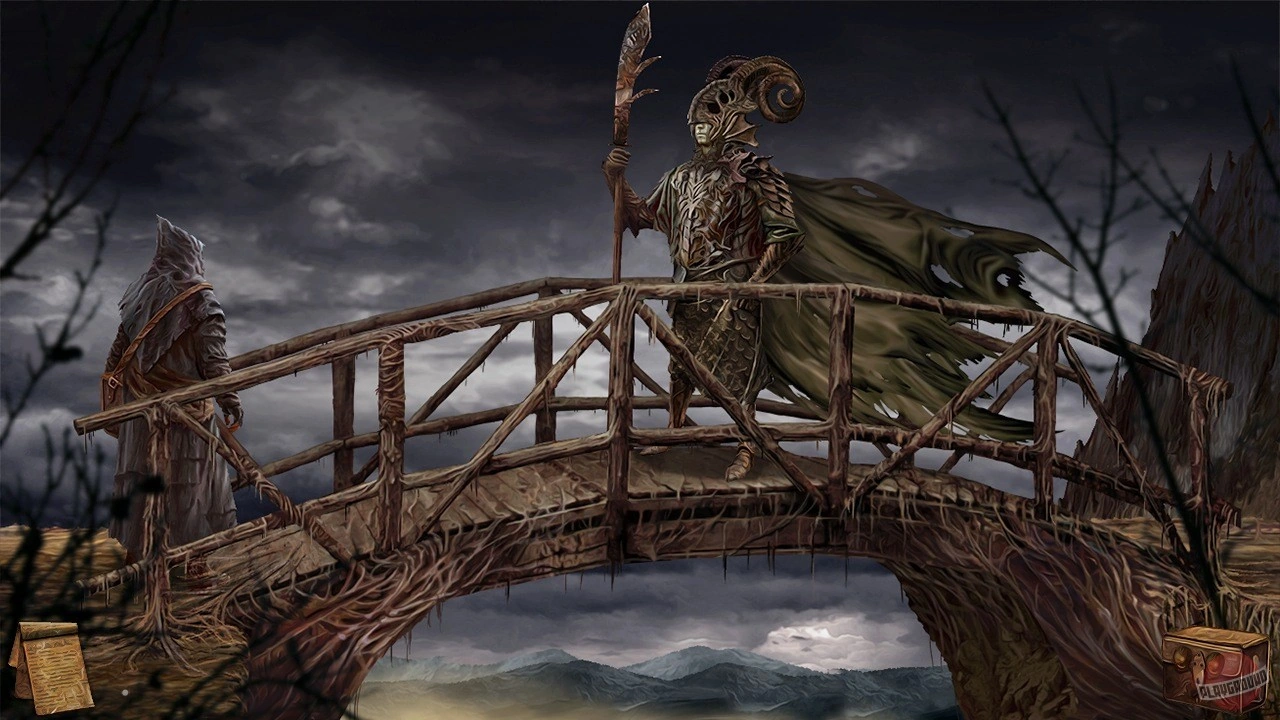
choices without comfort
Moral decisions return from the original concept, but the sequel benefits from placing them inside a more developed narrative structure. David encounters inhabitants whose circumstances often challenge the first impression created by their appearance. A grotesque figure may be suffering rather than threatening, while a seemingly reasonable character may be protecting a system built on cruelty. The game rarely pauses to announce that an important choice has appeared. Decisions can emerge naturally from dialogue, the use of an inventory object or the order in which tasks are completed. This makes consequences feel connected to behaviour rather than to a separate morality menu. Not every decision carries equal dramatic power. Some consequences are more visible than others, and the multiple endings naturally provide the greatest summary of David’s actions. The official material confirms that choices influence the characters he meets and lead toward different conclusions. The system gives replaying the adventure a reason beyond solving familiar puzzles again, although the value of a second journey depends on how strongly the player wants to examine alternate outcomes. The strongest choices do not ask which reward is preferable. They ask what responsibility David has toward beings created inside an artificial world. If their emotions, memories and suffering feel authentic to them, does their digital origin reduce their value? If the simulation has developed beyond its original design, does its creator retain the right to destroy or reshape it? Tormentum II does not turn these questions into long philosophical lectures. It embeds them inside encounters with characters whose lives can be altered permanently. That restraint makes the moral dimension more effective. The game provides enough context to make decisions uncomfortable, then allows consequences and imagery to carry the argument.
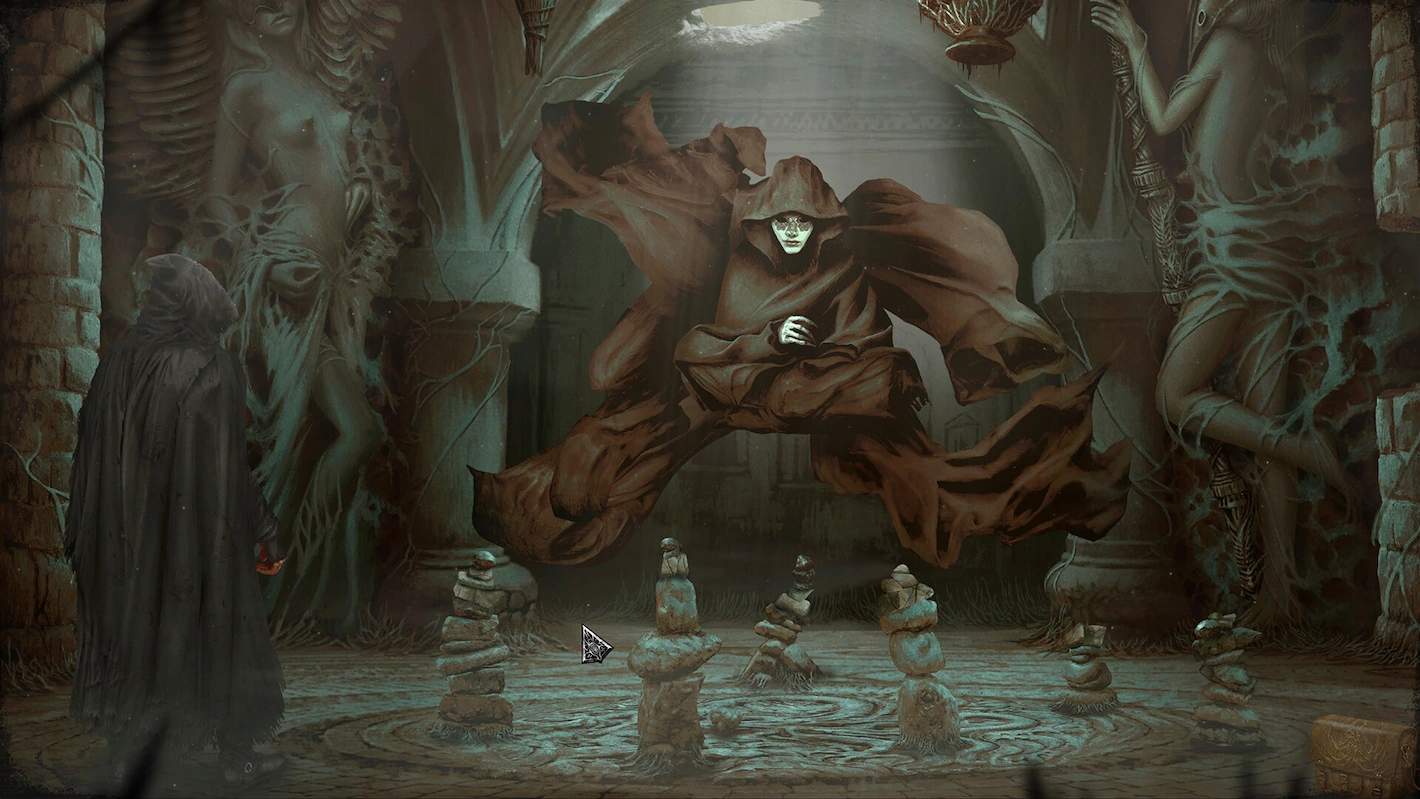
a small team with an enormous vision
The scale becomes more impressive when considered alongside its development. Tormentum II spent approximately eight years in production, and reporting around the release identifies Piotr Ruszkowski and Łukasz Rutkowski as the two primary developers behind the project. The game does not look like a compromise designed around limited resources. It looks like the result of an unusually specific artistic vision protected for long enough to reach completion. That long development period is occasionally visible in less flattering ways. Some interface conventions feel conservative, and the game’s fundamental interaction remains close to an older generation of point-and-click adventures. Animation is used selectively rather than constantly, while conversations do not possess the cinematic staging of a large-budget narrative production. None of those limitations damage the central experience because Tormentum II understands where its resources have the greatest value. A more elaborate character-animation system would not necessarily improve the oppressive stillness of its scenes. Fully cinematic dialogue could distract from the painted composition. The game chooses illustration, atmosphere and environmental identity over spectacle, and that decision consistently serves its strengths. The result is one of those rare independent games that could not easily be reproduced by a larger studio following market research. Its imagery is too bleak, its pace too deliberate and its subject too strange to feel designed for broad approval. The game has a specific audience, but it respects that audience rather than diluting its identity to attract everyone.
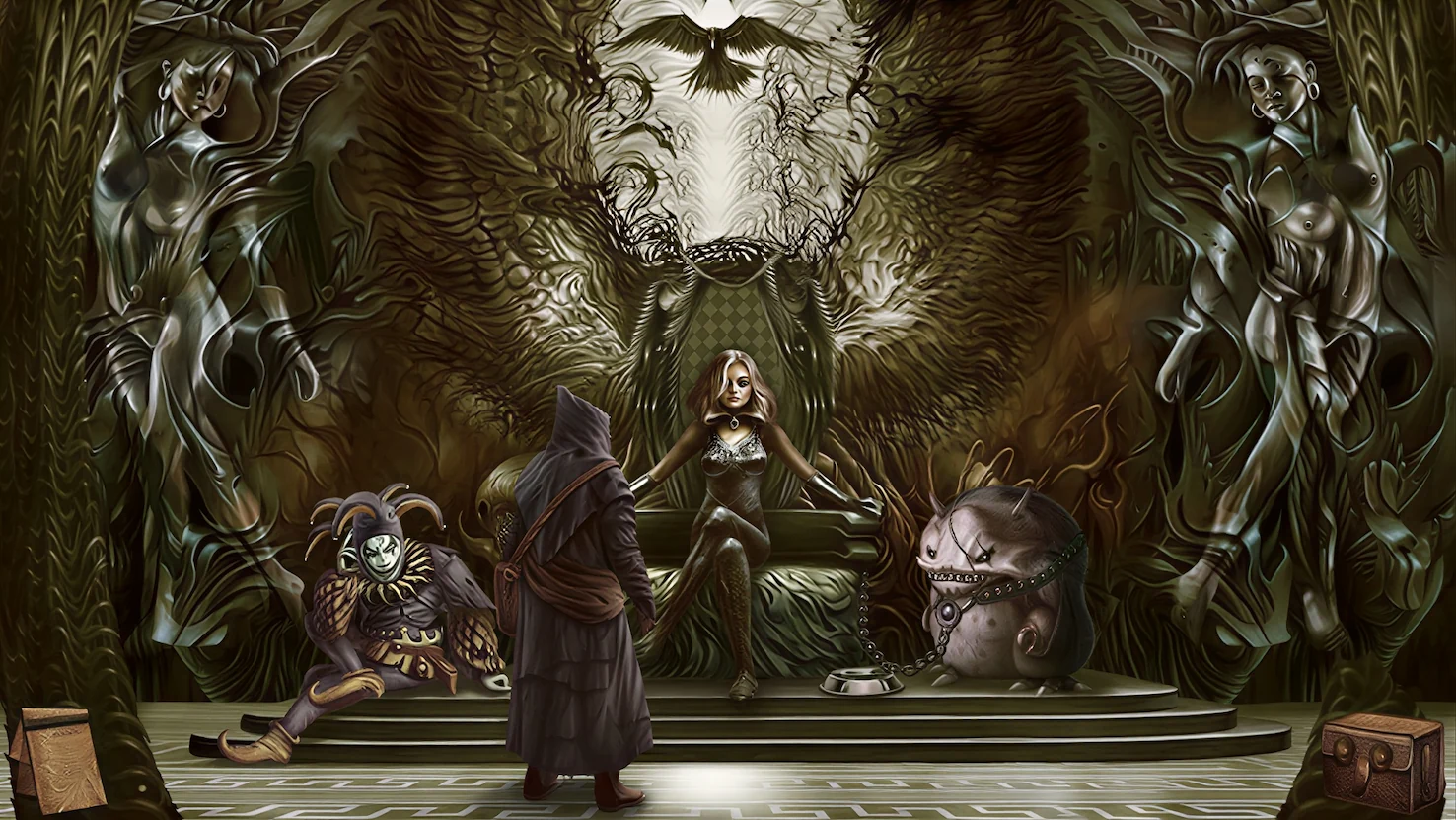
longer, deeper and more complete
Tormentum II is a standalone story, so knowledge of Dark Sorrow is not required. The sequel preserves the original’s visual philosophy and moral unease while significantly expanding the amount of content. The expected duration is approximately eight to twelve hours depending on pace, puzzle-solving and how thoroughly each environment is examined. The longer structure gives the world room to develop, but it also exposes occasional variations in momentum. Some islands combine narrative, exploration and puzzle progression with excellent rhythm. Others require more routine movement between familiar screens or delay the next major revelation behind several smaller interactions. This never becomes a serious pacing problem. Point-and-click adventures naturally depend on observation and backtracking, and Tormentum II’s backgrounds are strong enough to make revisiting them less tiring than it would be in a visually ordinary game. The important distinction is that the adventure rarely feels padded merely to justify its development time. The standalone approach is equally successful. Returning players will recognise the artistic identity and design philosophy, but newcomers can enter without studying the first game’s events. This avoids one of the common problems with long-delayed sequels: requiring the audience to remember details from a title released more than a decade earlier. The sequel honours Dark Sorrow by preserving what made it memorable rather than repeating its exact journey. It understands that Tormentum is not one protagonist, one location or one mythology. It is a particular way of turning art, horror and moral uncertainty into exploration.
where the nightmare weakens
Tormentum II’s weaknesses are real, but they appear mostly in areas where the game is solid rather than extraordinary. Puzzle design supports the adventure effectively, yet only some problems match the imagination visible in the backgrounds. Too many are resolved through familiar inventory logic, short visual sequences or direct use of recently collected objects. The writing also moves between effective restraint and excessive obscurity. Ambiguity gives the world depth, but certain lines sound designed primarily to remain mysterious. Symbolism is strongest when attached to a character, location or consequence; it is weaker when several abstract statements accumulate without enough emotional or narrative grounding. Interactive readability can become an issue inside highly detailed scenes. Important objects are not always clearly separated from decorative elements, and missing one small point of interaction can interrupt progress more than a genuinely difficult puzzle would. This is avoidable frustration rather than meaningful challenge. Replay value is naturally limited by the genre. Multiple endings and alternate choices justify another journey, but puzzle solutions remain known after the first completion. The second playthrough therefore becomes more about consequences and interpretation than discovery. These reservations explain why 85 is the appropriate score. Tormentum II is not mechanically flawless, and its narrative occasionally values mystery more than clarity. Yet those weaknesses never overpower the artistic achievement, the atmosphere or the desire to see what waits inside the next impossible structure.