REVIEW | THE SINKING CITY 2 | LOVECRAFT MEETS RESIDENT EVIL 
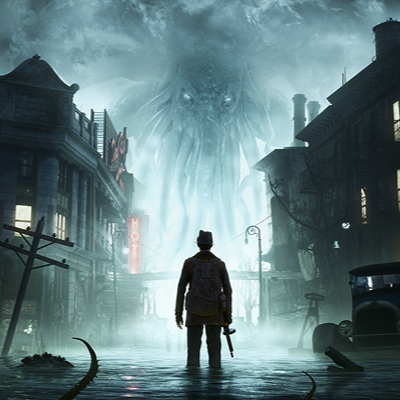
Flooded streets, buildings slowly surrendering to black water and creatures using dead human bodies as something between shelter and machinery The Sinking City has never lacked imagery capable of making a place feel fundamentally wrong. What the original game lacked was a mechanical structure equally capable of sustaining that feeling. Frogwares built an evocative Lovecraftian world around investigation, but combat, traversal and the large open environment too often existed beside its best ideas rather than strengthening them. There were moments when Oakmont looked like the perfect setting for a survival horror game, yet the systems underneath rarely generated the same level of unease as the city itself. Its mysteries could be fascinating, but too much of the tension disappeared the moment exploration turned into routine movement between objectives. That disconnect always left the impression that Frogwares had created the right world around the wrong kind of game. The Sinking City 2 makes the sort of change that could easily alienate an established audience: it leaves the detective-heavy open world behind and rebuilds itself as a third-person survival horror set in 1920s Arkham. Released on August 18, 2026, the sequel places exploration, limited resources, interconnected environments and combat at the center of the experience. What initially looks like Frogwares moving dangerously close to Resident Evil turns out to be one of the smartest decisions the studio has made. The similarities are obvious, but for once this world has a gameplay structure strong enough to carry its atmosphere rather than merely accompany it.
a different city needs a different game
Calvin Rafferty arrives in Arkham searching for a way to save Faye Bennett after a disastrous ritual leaves her caught between reality and the Dreamlands, giving The Sinking City 2 an entirely new protagonist and story rather than forcing one of the original game’s endings into canon. That separation matters because Frogwares has changed almost everything around the narrative as well. Instead of another enormous city filled with investigation gates and long connective routes, Arkham is divided into more deliberate locations such as streets, hospitals, markets and other districts built around exploration, shortcuts and gradual discovery. Frogwares itself describes the philosophy clearly: leaving the old open-world structure allowed the team to put a story, secret or threat into individual rooms instead of spreading content across unnecessary space. The result feels less sprawling but considerably more substantial. You spend less time moving toward something interesting and more time already inside something interesting, which is exactly the sort of discipline the original often lacked. There is still enough freedom to search, double back and occasionally wander in the wrong direction, but Arkham now feels constructed rather than merely populated. It is a smaller canvas used with much greater confidence.
survival suits arkham
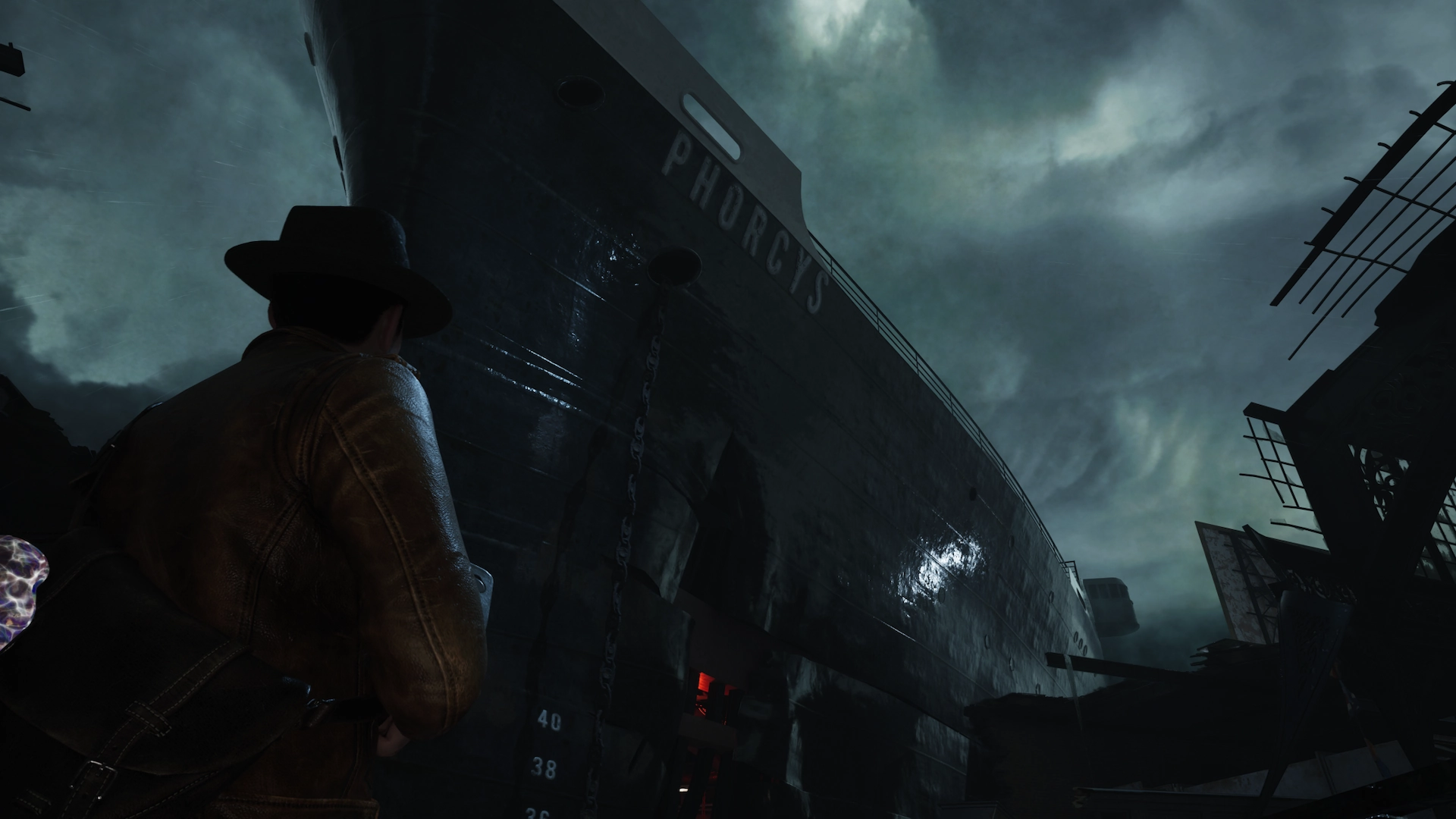
The Resident Evil influence becomes impossible to ignore once the game starts teaching you how to read its environments. Locked doors become future shortcuts, unexplored rooms remain in the back of your mind, ammunition competes with healing items and other resources, and a return trip through a familiar corridor can suddenly matter because you now possess the tool or information needed to open something previously inaccessible. The official steam description openly emphasizes inventory management, puzzles, unlocked shortcuts, supplies and upgrades, so Frogwares is not hiding where its priorities have moved. The important question is whether these systems feel naturally attached to The Sinking City, and surprisingly, they do. Lovecraftian horror benefits enormously from making the player uncertain about what lies beyond the next door and whether the ammunition in their pocket will be enough to deal with it. Arkham becomes more oppressive because its architecture now creates mechanical tension instead of merely visual atmosphere. There is a satisfaction in gradually understanding a hostile location, opening a route back to safety and realizing that a confusing network of rooms has become something you can mentally navigate. That is classic survival-horror design, but the drowned streets, occult imagery and deeply unhealthy architecture prevent it from feeling like a simple Capcom imitation. Frogwares has borrowed the grammar, not the identity.
investigation without the handbrake
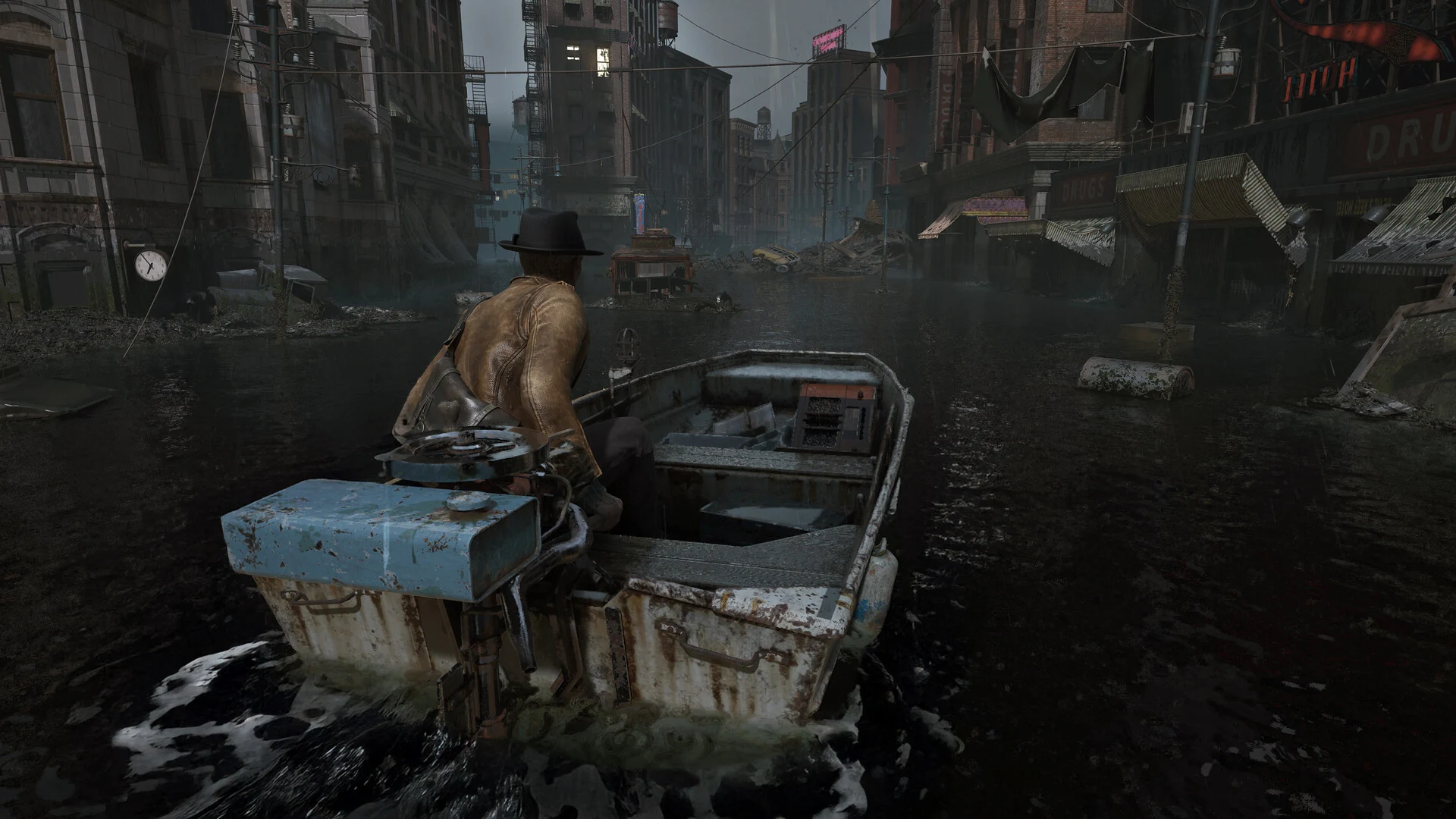
Reducing the detective component could have removed the one thing most immediately associated with Frogwares, yet The Sinking City 2 finds a better compromise than simply abandoning it. Investigation is now largely something curiosity leads you toward rather than a mandatory barrier standing between the player and the next story objective. Optional mysteries can reward Calvin with upgrades, talents, inventory expansion or other practical advantages, which connects deduction directly to the survival loop instead of keeping it in a separate compartment. Frogwares specifically describes this as investigation running alongside exploration rather than gating progression, and that distinction fundamentally changes the pace. You can follow an unusual trail because the environment made you curious, not because the game refuses to continue until every clue has been clicked. That also makes successful discoveries feel more personal; you found something because you paid attention. The system is undeniably lighter than the investigation mechanics of the first game, and players who considered those mechanics the main attraction may understandably miss their prominence. For this sequel, however, the trade makes sense. Frogwares has not deleted its detective DNA — it has finally found a way to make that DNA support a horror game instead of constantly stopping one.
combat finally belongs here
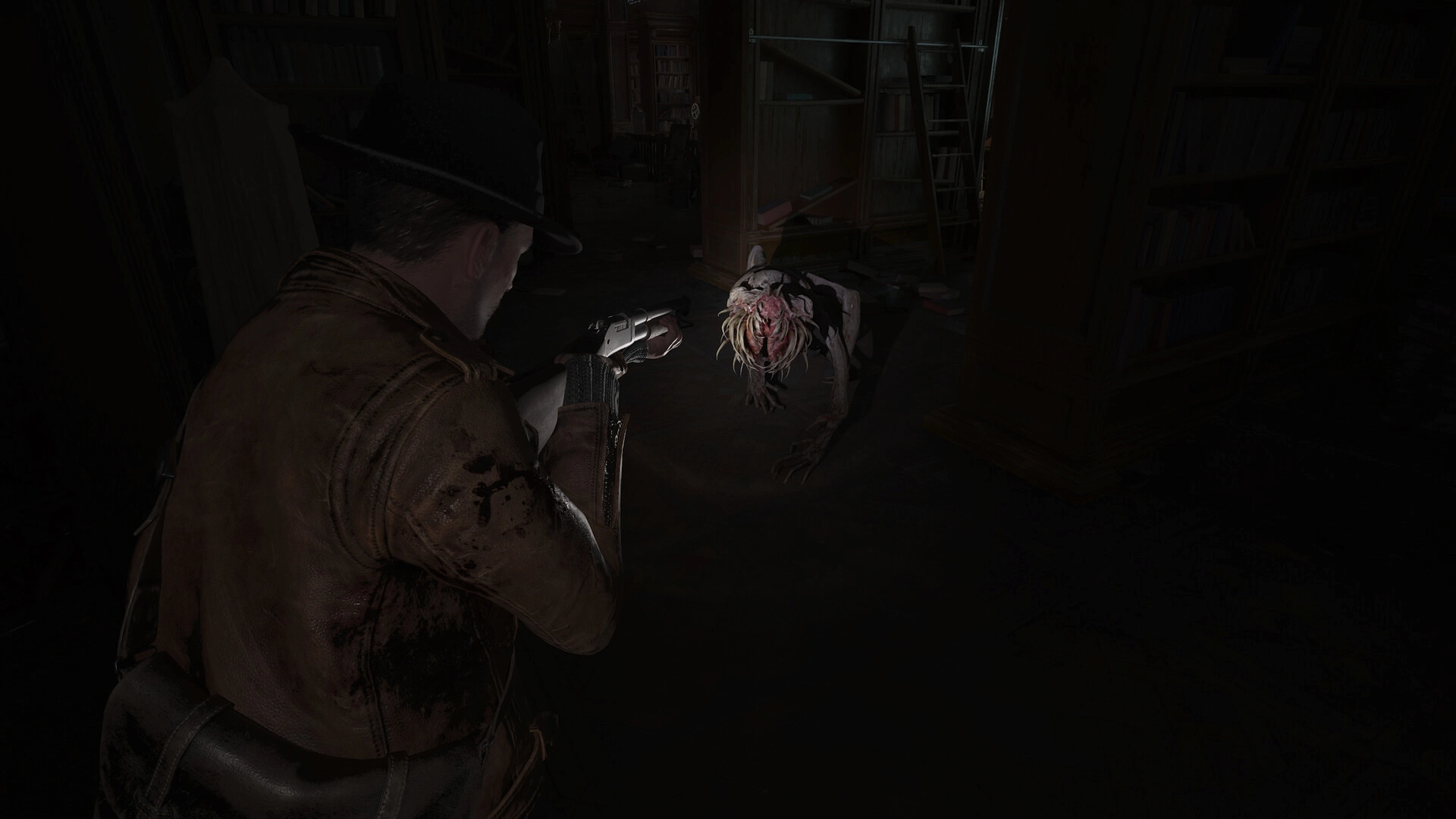
Combat was one of the original game’s weakest links because fighting monsters rarely felt as interesting as discovering why they were there. The Sinking City 2 does not suddenly turn Frogwares into Capcom, but it makes an enormous improvement by designing combat around resource pressure, positioning and enemy behavior rather than simply putting guns into the player’s hands. Calvin can dodge, punch and stomp, weapons can be improved, and different talents can reinforce particular approaches, while scarce ammunition discourages thoughtless shooting. Frogwares also designed several enemy types around distinctive behavior rather than health bars alone, including Slither parasites that can use corpses and force the player to think about what happens after an enemy hits the floor. A room containing two monsters can therefore become a resource calculation before the first shot is fired: kill them, avoid them, spend healing resources if the fight turns ugly, or retreat and return later better prepared. That is exactly the sort of decision survival horror needs. The weakness is execution at the extremes. Close-range encounters can become untidy, aiming lacks the absolute precision of the genre leaders and groups of aggressive enemies sometimes expose rough collision or animation transitions. None of this makes combat poor. It simply reminds you that Frogwares has found the right design considerably faster than it has mastered every mechanical detail inside it.
things that should not be alive
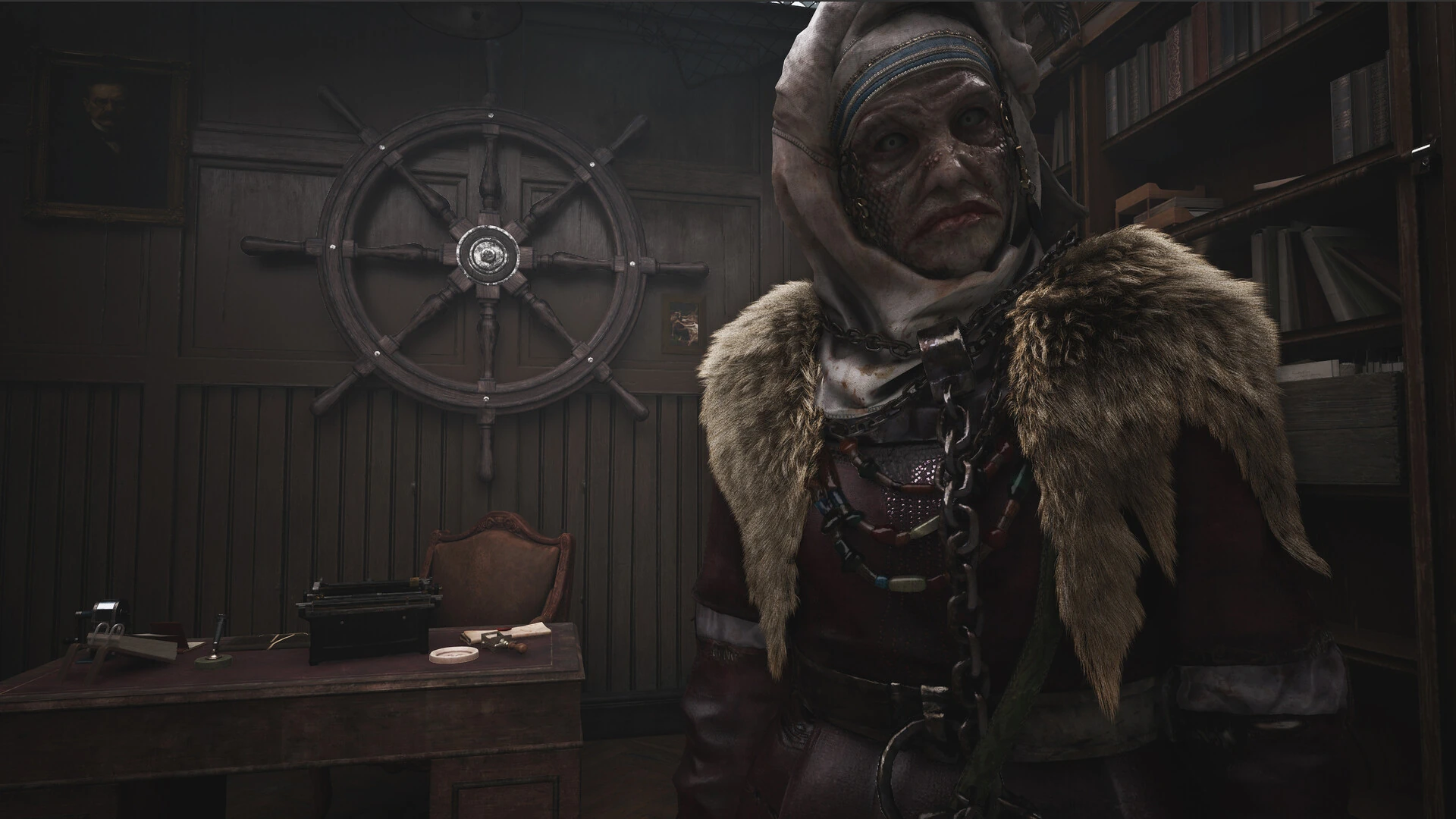
Creature design is where The Sinking City 2 can step away from its inspirations and become unmistakably Frogwares. The Slither are particularly effective because they turn the dead into something more disturbing than ordinary zombies: bodies become vessels operated by deep-sea parasites, with limbs positioned incorrectly and movement suggesting that whatever is controlling the corpse only partially understands the anatomy it inherited. Other creatures approach the player differently, from the evasive Stygian Harvester to Deep Ones and the much larger Acheronian Juggernaut, whose size and attack patterns turn tight environments into positioning problems rather than simple damage checks. Frogwares rebuilt returning monster concepts and expanded their behaviors specifically to suit the sequel’s stronger combat focus. Sound contributes almost as much as visual design; hearing something move before you can identify where it is remains one of the simplest and most effective tricks in the genre. The weakness becomes visible later when familiar enemy types begin appearing often enough that the initial uncertainty fades. There are memorable creatures here, but not quite enough of them to maintain the opening hours’ sense that Arkham could produce something completely unfamiliar at any moment. A broader bestiary would have pushed the combat and exploration closer to the exceptional. What exists, however, has character, and that matters more than filling rooms with interchangeable monsters.
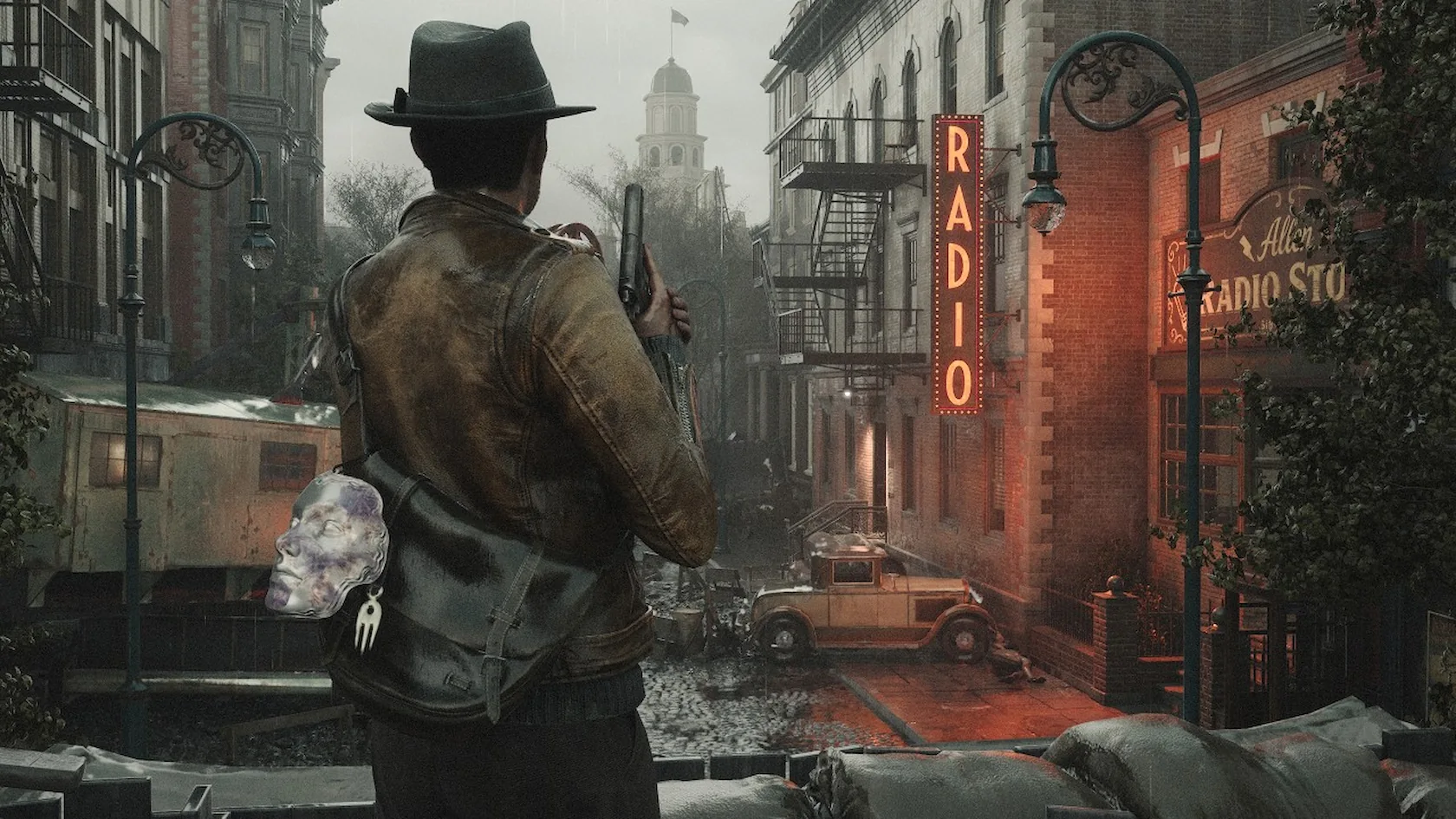
every bullet has a job
Scarcity is another area where Frogwares understands the lesson it is borrowing. Ammunition has value precisely because the game does not want every encounter solved by unloading a weapon until the room goes silent, and inventory restrictions make supplies feel like decisions rather than collectibles automatically disappearing into an infinite pocket. Finding ammunition while running low can genuinely change your confidence about exploring another room, while uncovering an inventory expansion becomes far more exciting than such a mundane reward has any right to be. The pressure also encourages the player to think several steps ahead: carrying more healing may mean leaving crafting materials behind, while preparing heavily for combat can reduce room for whatever might be discovered during the expedition. This works extremely well until the inventory begins producing administration instead of tension. Weapons, important objects and crafting materials can occupy enough space that trips to storage become more frequent than the pacing benefits from, and crafting never quite develops into a system deep enough to justify all of the inventory friction surrounding its resources. PC Gamer similarly identified the limited grid and crafting layer as areas where the survival systems can become cumbersome rather than meaningful. The distinction is important: limited inventory is not the problem. Survival horror needs limits. The problem is that The Sinking City 2 occasionally makes managing those limits more tedious than frightening.
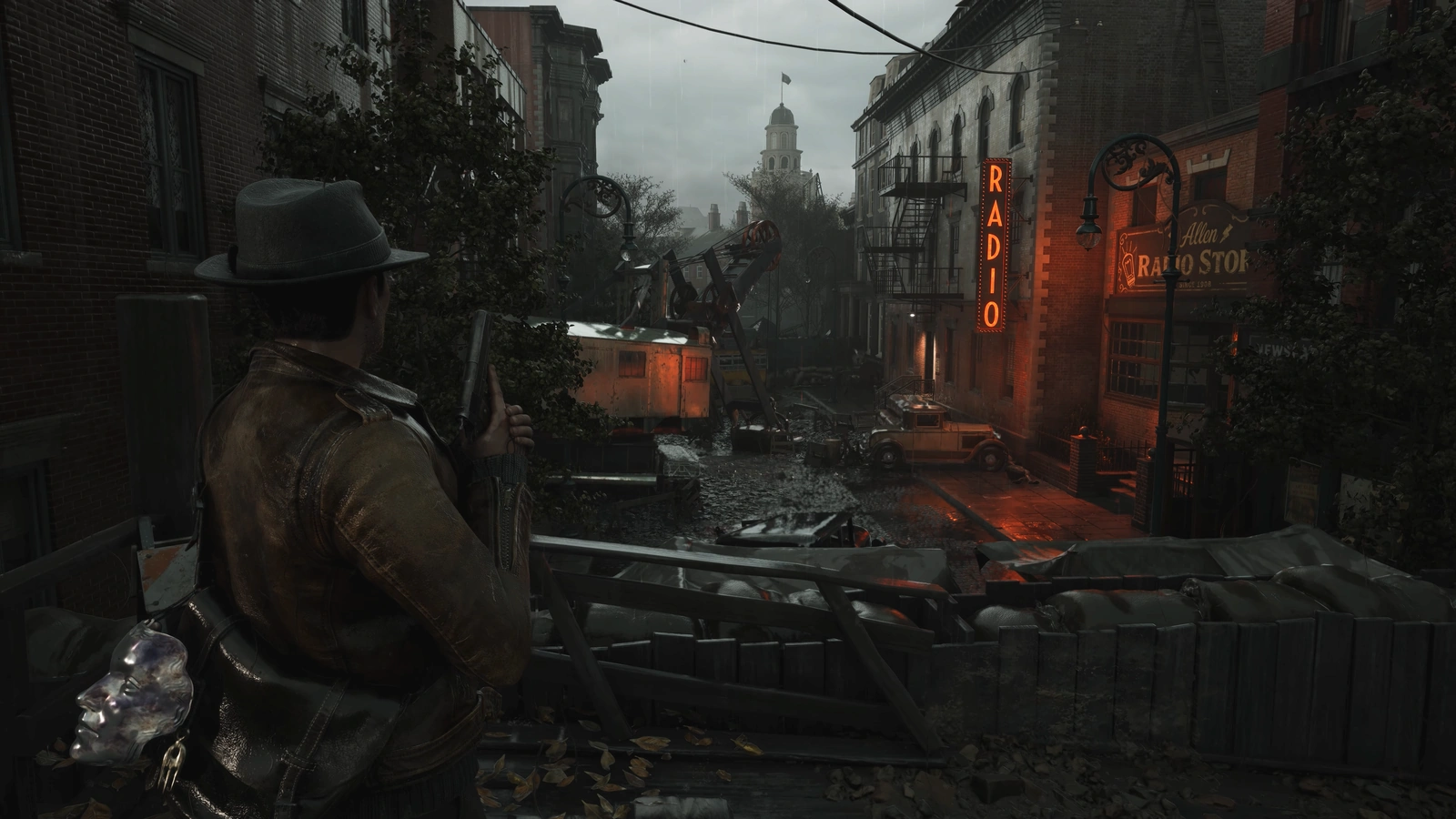
a city that rewards nosiness
Perhaps the strongest sign that Frogwares understands its new genre is how often exploration produces something worthwhile. Arkham does not simply decorate the route toward the next objective with extra rooms; it repeatedly creates reasons to leave that route entirely. Optional investigations, hidden upgrades, resources, locked containers and environmental details turn apparently insignificant spaces into small opportunities, and shortcuts gradually reshape the way larger locations are navigated. The official design philosophy was to make the new, focused environments dense enough that individual rooms could justify being searched, and that ambition is visible throughout the game. This creates one of survival horror’s best psychological tricks: knowing that entering an unexplored room may cost ammunition while also knowing that whatever is inside could make the next hour easier. The game rarely needs a glowing icon to create that temptation. A half-open door or suspicious corridor is often enough. Exploration therefore becomes more than completionism; it is a method of building Calvin into a better survivor. Even backtracking generally has purpose because new information or unlocked routes change how previously visited areas function. The Sinking City 2 is at its best when the objective marker points one way and the architecture convinces you to go somewhere else.
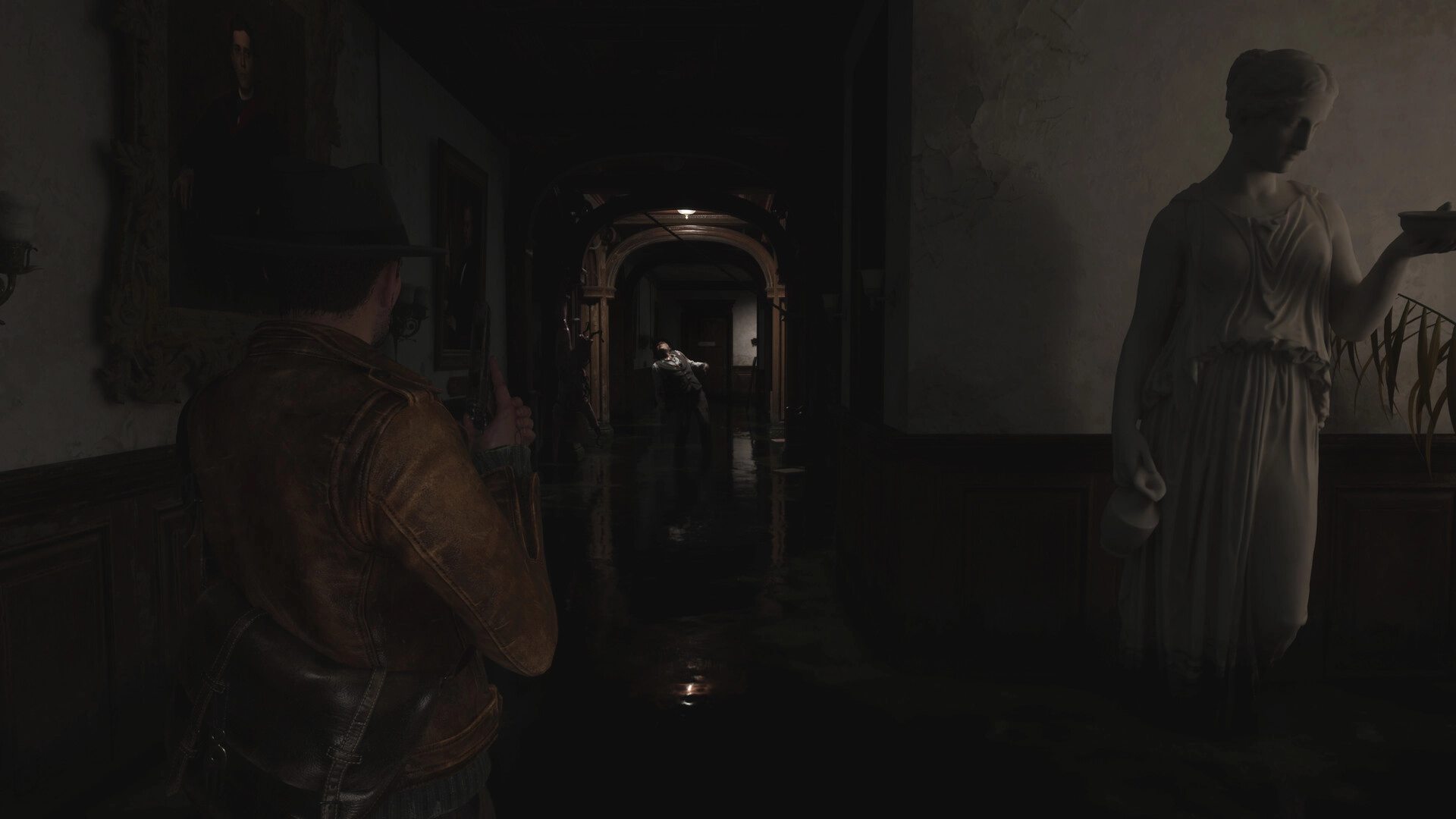
love at the center of cosmic indifference
Beneath the flood, monsters and impossible architecture is a surprisingly personal story. Calvin’s reason for entering this nightmare is Faye, whose fate following an occult ritual gives the game a human objective before the broader supernatural stakes begin swallowing everything around it. Frogwares describes the story as one concerned with devotion, sacrifice, loneliness and the uncomfortable difference between doing what is morally decent and doing what is necessary to survive. This smaller emotional center is a good choice because cosmic horror can become strangely impersonal when every revelation simply introduces another ancient entity larger than the previous one. Calvin has something understandable to lose even when the forces surrounding him are deliberately impossible to understand. The writing does not always exploit that premise as effectively as the environment does. Character animation can still feel stiff, some emotional exchanges lack the natural rhythm required to make the relationship completely convincing, and the final portion of the story arrives with less breathing room than some earlier sections deserve. PC Gamer also found the ending noticeably abrupt. Even so, the relationship gives the narrative an anchor, and the game wisely avoids drowning that anchor beneath endless Mythos exposition.
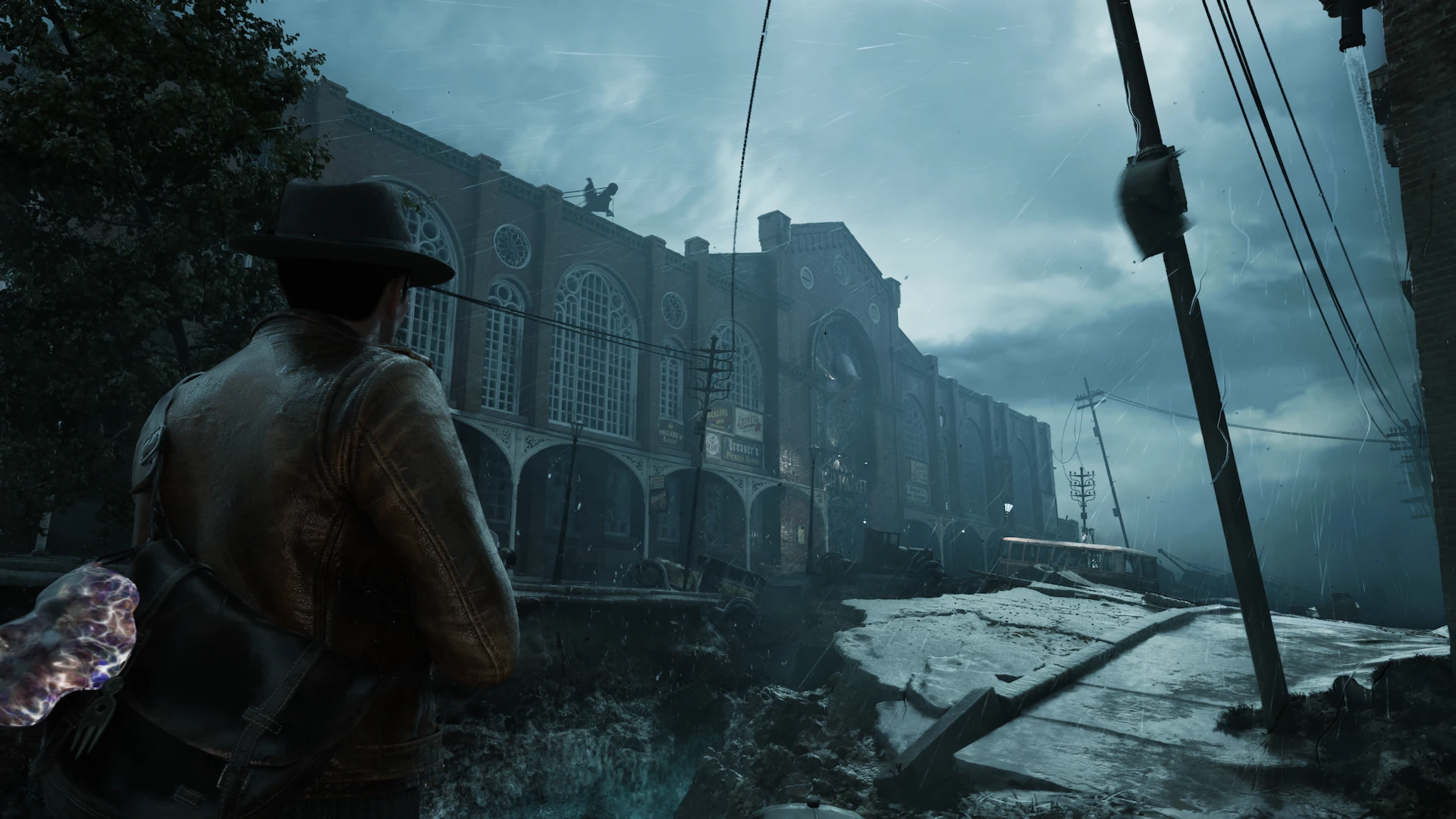
arkham looks sick in all the right ways
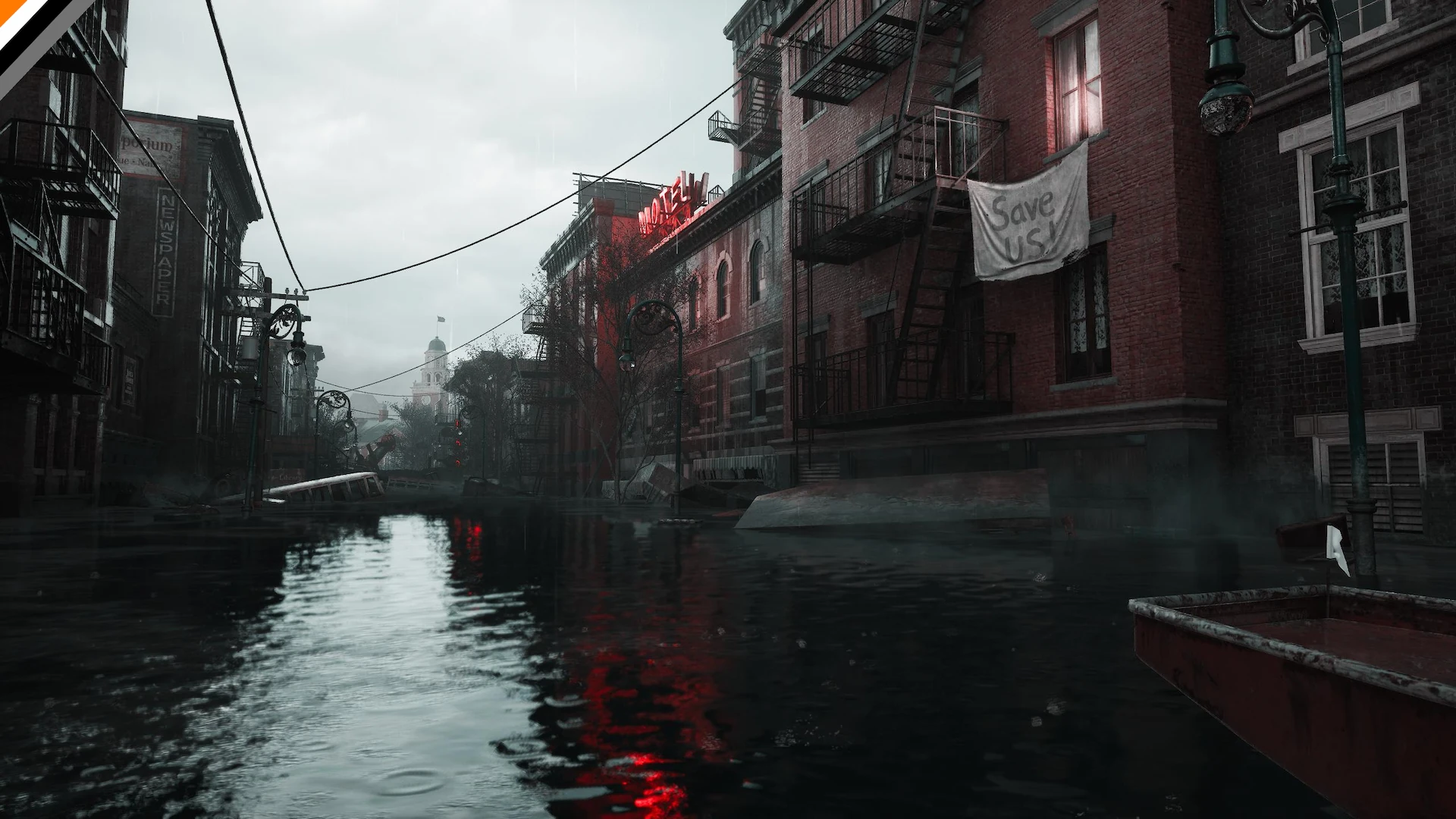
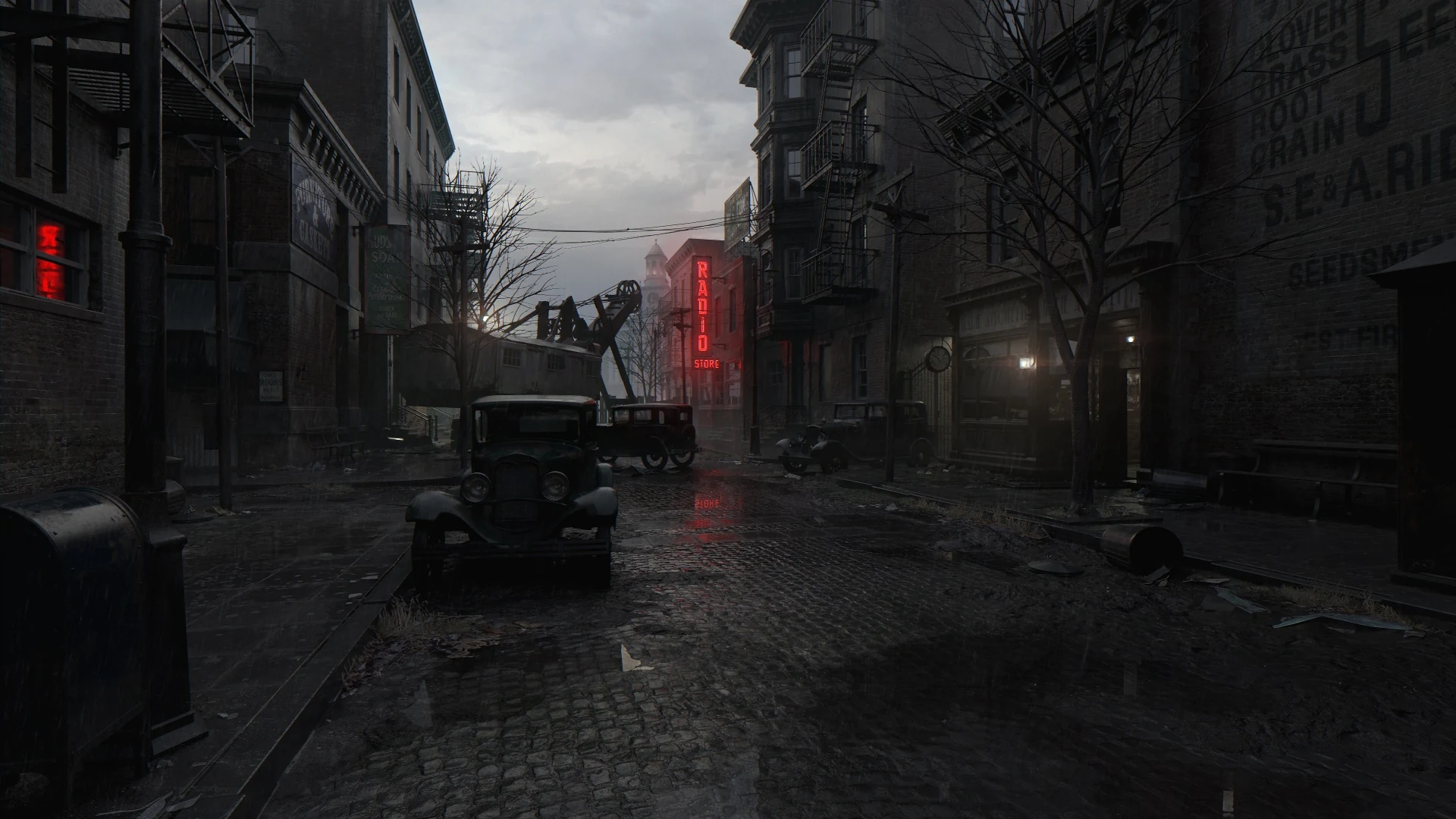
There is a difference between a horror environment that is dark and one that feels diseased, and The Sinking City 2 frequently achieves the latter. Arkham’s flooded streets, battered Art Deco interiors, abandoned businesses, rotting buildings and organic contamination make the city look as though the supernatural disaster has physically entered its materials. Lighting works especially well when it leaves enough information visible to make exploration possible while allowing doorways, basements and distant corners to remain threatening. Sound design completes the effect with water, distant movement, creature noises and long stretches where the absence of sound becomes uncomfortable by itself. The production is not flawless: repeated assets, occasional stiffness and technical inconsistencies occasionally remind you that this is not a project built with the resources behind Resident Evil. Frogwares’ current support center already lists a dedicated The Sinking City 2 section containing gameplay questions, technical issues and patch notes, including specific troubleshooting for graphics-related problems. Yet the artistic direction consistently survives those rough edges. Technical perfection can make a game smooth; it cannot manufacture atmosphere. Frogwares already possesses the harder half of that equation.
frogwares has found the right shape
The most important achievement of The Sinking City 2 is not that Frogwares has produced a convincing Resident Evil alternative. It is that the studio has discovered a structure capable of strengthening nearly everything it was already good at. Smaller interconnected locations make environmental storytelling more concentrated, scarcity makes monsters consequential, combat gives exploration risk, investigation rewards attention and Lovecraftian imagery finally exists inside a gameplay loop that can sustain dread for more than a few minutes at a time. This does mean sacrificing part of what made the original unusual, particularly its heavier detective focus and open-world freedom, and some players will reasonably prefer that older identity. But a sequel does not improve simply by making every previous system larger. Sometimes it improves by understanding which systems were fighting each other. The Sinking City 2 feels like Frogwares making that realization in real time. Even more encouraging is that investigation has not disappeared; it has been repositioned in a way that leaves room for the studio to deepen it again without sacrificing pacing. This direction has somewhere to go. The next game does not need to become more like Resident Evil it needs to become even better at combining this survival-horror foundation with the particular investigative instincts only Frogwares can provide.