REVIEW | TES IV: OBLIVION | REMASTERED | THE OLD BLADE STILL CUTS
The first steps out of the Imperial Prison still have that strange pull. The stone walls, the sudden daylight, the hills opening in front of you, that feeling that the game is quietly saying: go anywhere, make a mistake, find trouble. It does not work because everything is modern now, and it does not work because Cyrodiil suddenly feels like a completely new place. It works because Oblivion was always built around a very specific kind of fantasy: bright hills, broken ruins, awkward faces, sudden danger, strange humor, huge gates in the sky, and a world that sometimes feels like it was written by a serious fantasy author and performed by a theatre group that had one afternoon to rehearse. That mixture should not work as well as it does, but somehow it still does. The remaster makes the world easier to return to, but the real reason it still matters is older than the new lighting. Oblivion Remastered does not erase that identity. That is both its biggest strength and its most obvious limitation. It brings the game forward visually, makes the world easier to look at for modern eyes, sharpens the atmosphere, improves the presentation, and gives Cyrodiil a stronger physical presence. Forests look fuller, ruins feel less flat, the sky has more drama, and the old fantasy postcard finally has more weight behind it. At the same time, the remaster keeps enough of the old bones that nobody should walk into it expecting a full modern RPG remake. This is still Oblivion. Beautiful, charming, strange, uneven, sometimes clumsy, sometimes brilliant, and still somehow more alive than many cleaner games.
where the old magic meets old problems
The result is a remaster that feels valuable, but not fearless. It respects the original too much in some places and maybe not enough in others. It understands that players wanted the old game back with better light, stronger landscapes, richer atmosphere and a smoother road into the experience. On that level, it succeeds. Cyrodiil has presence again, and the first hours can easily pull you back into that old Bethesda rhythm of roads, caves, guilds, rumors and bad decisions. But the remaster does not fully answer the harder question: what should Oblivion play like almost twenty years later? The visual side clearly received love, but the mechanical side feels more protected than improved. Combat, animation response, feedback and some older friction points still carry too much of the original stiffness. That is where the score lands. Not low, because the game still works and the world still has real power. Not higher, because some of the old problems were left standing too proudly. Oblivion Remastered is a strong return, but it could have been a braver one.
cyrodiil looks like memory with better weather
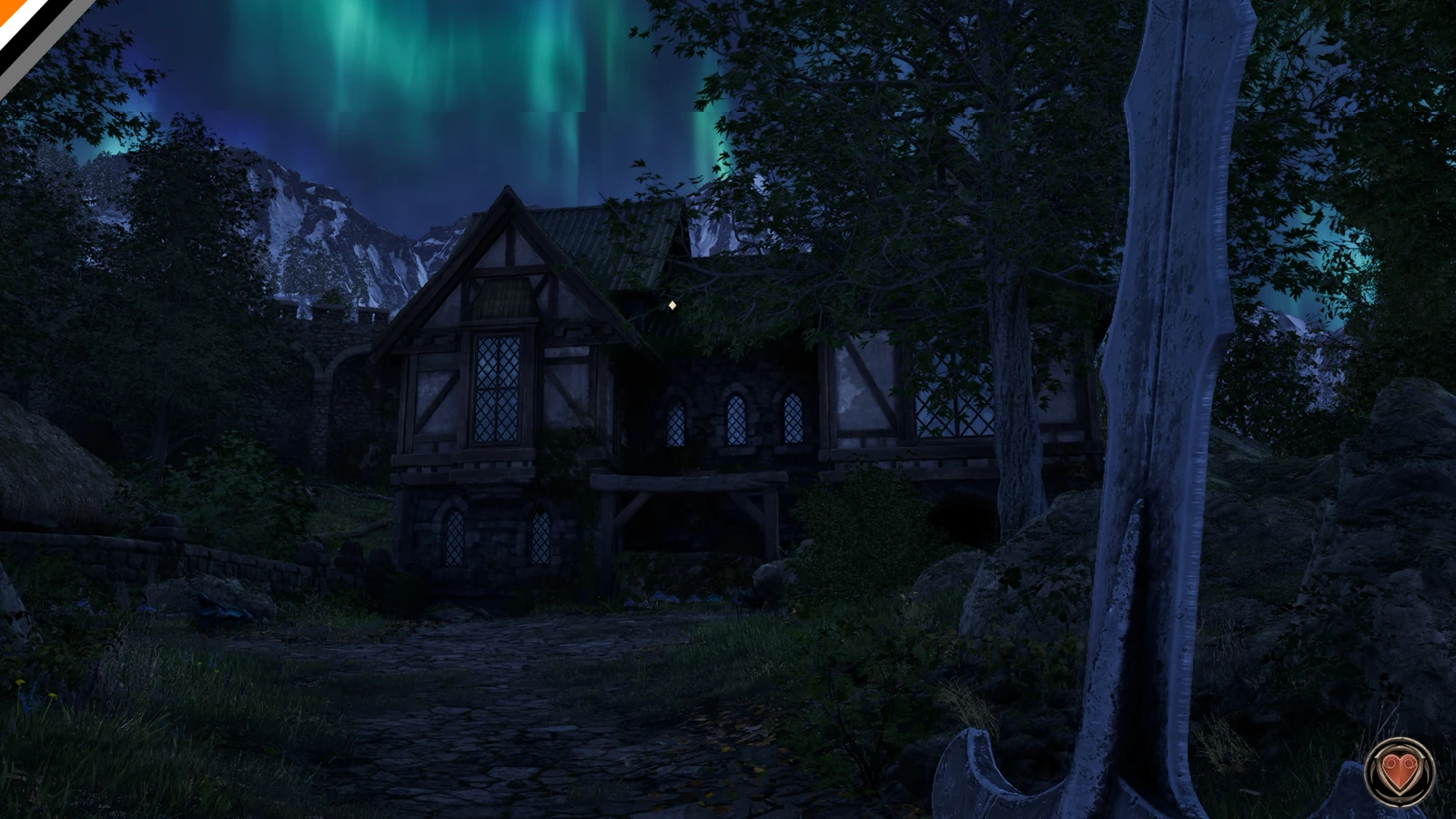
The strongest improvement is immediate. Cyrodiil no longer feels like an old screenshot stretched across modern hardware. The forests have more weight, stone has more texture, light sits better on hills and buildings, and the world carries a more cinematic sense of distance. The Imperial City looks less like a clean model placed in the middle of a map and more like a place that belongs to the landscape around it. The old roads, forts, caves and countryside paths have a more convincing visual rhythm now. The remaster does not turn Oblivion into a completely different world. It keeps the familiar shape, which is important. If the remake had pushed too hard toward dark realism, it would have lost the bright, slightly theatrical fantasy tone that made the original so easy to remember. Oblivion was never Skyrim. It was warmer, greener, stranger and more colorful. The remaster keeps that personality, but gives it enough visual depth to feel less fragile in 2025 and beyond. The lighting helps more than anything. A sunset over Cyrodiil now carries a better sense of atmosphere. Dungeon entrances feel heavier. Ruins look less flat. Oblivion gates still have that dramatic red nightmare energy, but now the contrast between the peaceful open world and the burning Daedric invasion feels stronger. That contrast was always one of Oblivion’s best tricks. The remaster simply makes it easier to feel. Character models are improved, but this is also where the old Oblivion face problem never completely leaves the room. Some NPCs look better, some look strange in a newer way, and some still carry that unforgettable Elder Scrolls stiffness. It can be funny, distracting, charming or awkward depending on the moment. The remaster improves presentation, but it does not fully solve the original game’s human problem. In a strange way, maybe it should not. Oblivion without slightly odd NPC energy would almost stop being Oblivion.

the old blade still cuts
Combat is the part where the remaster earns both respect and criticism. Melee still works in that old direct way: sword, shield, timing, movement, impact, block, swing again. It does not have the precision of a modern action RPG, and it does not pretend to. The game is still built around stats, skills, character growth and old-school role-playing logic more than pure mechanical depth. That can feel refreshing. Many modern games are obsessed with perfectly tuned combat loops, dodge windows, stamina management, animation canceling, parry timing and difficulty curves built for endless video analysis. Oblivion comes from a different school. It lets the player grow through doing, wander into trouble, become stronger in messy ways, and sometimes win fights because the character build, gear and preparation finally started to matter. There is still pleasure in that. A blade character feels different from a magic-heavy character. Sneak changes the rhythm. Archery has its own slower satisfaction. Shield play remains simple but useful. Magic still gives Oblivion a wide sense of possibility, especially when the player starts mixing spells, schools and playstyle choices instead of treating combat like a straight line. The problem is not that the combat is old. The problem is that the remaster sometimes feels too careful with it. This was the place where more attention could have helped without destroying the original feel. Melee did not need to become Dark Souls. Archery did not need to become a modern shooter. Magic did not need a full rebuild. But the physical feedback, enemy reactions, animation transitions and general combat weight could have used more confidence. The old blade still cuts, yes. It just could have been sharpened a little more. That is the personal minus here. The remaster does a lot to make Oblivion look more alive, but it does not always make the player’s hands feel like they are holding a more modern version of the same game. A few more mechanical improvements would have pushed this review higher. Instead, the game remains strong because Oblivion itself is strong, not because every old system was treated with the care it deserved.
role-playing still has that old bethesda danger
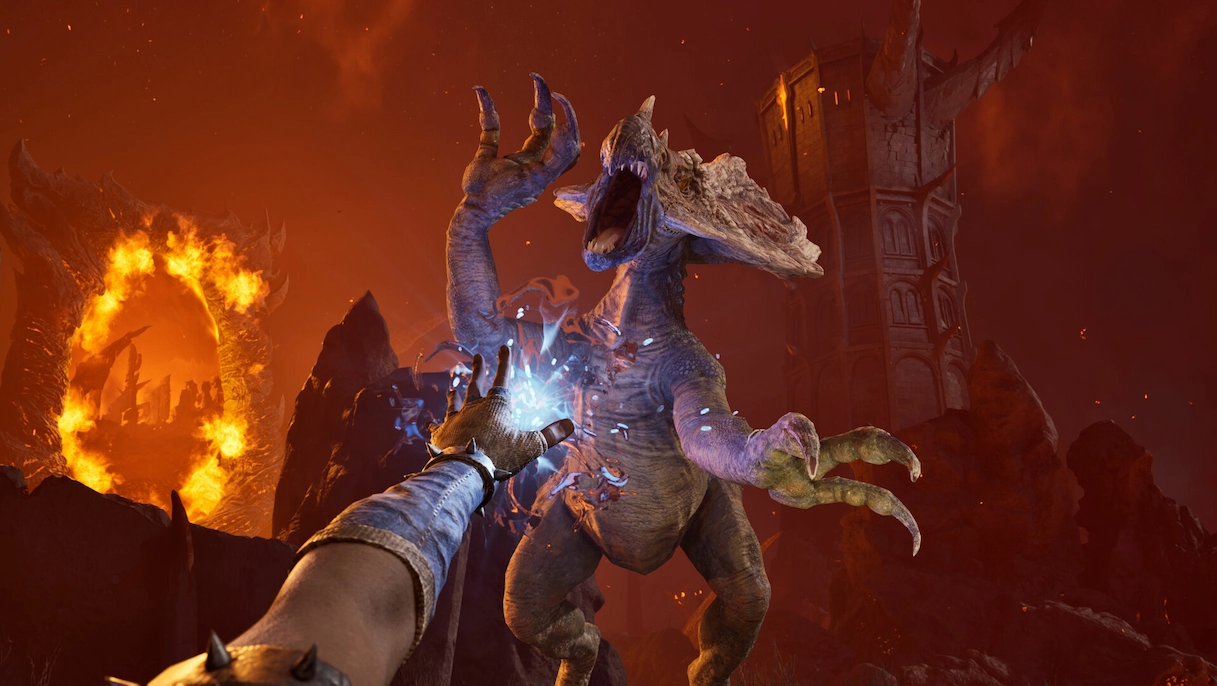
Oblivion remains one of Bethesda’s most interesting role-playing sandboxes because it is not afraid of being uneven. The world is full of quests that begin simply and then wander into stranger places. A normal errand can become a Daedric problem. A guild line can shift tone. A small town can hide something ugly. A cave can be forgettable, and then five minutes later the game throws a memorable little story at you for no reason. The remaster benefits from that original structure. Modern visuals make exploration more inviting, but the old quest design is what keeps the game moving. Oblivion does not always write with subtlety, but it often writes with energy. It wants the player to see something, chase something, steal something, join something, betray something, or open a door that probably should have remained closed. The guilds are still a major reason to play. The Dark Brotherhood remains one of the game’s defining pieces, not because every mission is mechanically perfect, but because the tone is so sharp and memorable. The Thieves Guild still has that old stealth-fantasy appeal. The Mages Guild and Fighters Guild are more traditional, but they help build the sense that Cyrodiil is a working RPG world, not just a pretty map with markers. The main quest is still dramatic in a very 2006 way. It has scale, gates, destiny, royal blood, demonic pressure and Patrick Stewart energy at the front door. It also has repetition, especially around Oblivion gates. The remaster makes those hellish spaces more visually striking, but the structure can still drag. Closing gates is exciting at first, then familiar, then sometimes tiring. Better visuals do not fully fix repeated design. Still, Oblivion has a gift many cleaner RPGs do not have. It lets the world feel slightly unstable. NPCs talk oddly. Systems interact in funny ways. Guards overreact. Quests can jump from serious to ridiculous without warning. The game’s imperfections are not always bugs in the emotional sense. Sometimes they become texture.

a remaster, not a rebirth
The biggest discussion around this release is simple: how much should a remaster change? Oblivion Remastered takes the safer road. It improves the visual experience heavily, modernizes parts of the presentation, makes the game more approachable, and leaves the core identity mostly intact. That will be exactly what many players wanted. Anyone who loved the original and wanted a better-looking, easier-to-return-to version will probably feel at home quickly. But this approach has a cost. Some old systems still feel rough because the world around them now looks more expensive. The better the lighting gets, the more obvious certain mechanical leftovers become. The cleaner the environments look, the more noticeable old animation logic can feel. The more modern the image becomes, the more the player expects the hands, menus and movement to follow. That mismatch does not ruin the game, but it follows it. It is especially clear during combat, character interaction and some quest flow moments. The remaster often looks like it wants to sit beside modern RPGs, while parts of the design still speak the language of 2006. Sometimes that contrast is charming. Sometimes it feels like unfinished business. The better solution would not have been a full remake that erased Oblivion. That would be dangerous. Too much modernization could flatten the personality. The game’s oddness is part of the reason people remember it. But more careful work on mechanical feel, combat feedback, NPC interaction flow and some old friction points would have respected the game without turning it into something else. That is why 84 feels right. This is a strong remaster, but not the definitive modernization it could have been.
the world still wins
Even with those complaints, Cyrodiil still has power. The open world remains inviting because it is easy to move through, easy to get distracted in, and easy to remember. You can follow the main story, ignore it, join guilds, hunt ruins, steal from houses, chase random rumors, build a strange character, or simply walk until something happens. The remaster makes that old loop more attractive. The best parts of Oblivion still happen when the game stops trying to impress and simply lets the player exist inside its systems. You leave a city, follow a road, see a ruin, get attacked, survive badly, loot something, discover a cave, forget your original objective, and return to town carrying three new problems. That is the old Bethesda rhythm. It still works here. Modern RPGs often have better combat, better writing discipline, better interface logic and better technical stability. Many of them also feel more controlled. Oblivion is messier. It lets the player slip between heroic fantasy, comedy, horror, dungeon crawling and complete nonsense. That mixture is hard to manufacture now because so many big games are afraid of looking strange. Oblivion has never been afraid of looking strange. The remaster gives that strangeness a better stage. It does not always polish the right things, but it understands the value of the place. Cyrodiil is still not just a map. It is a mood. It is bright grass and broken stone. It is a guard yelling too loudly. It is a cave you should not enter. It is a Daedric gate burning in the distance. It is a sword that feels old but still lands.
technical side and performance expectations
The remaster is much heavier than the original, which is expected but still worth saying clearly. This is not old Oblivion with a texture pack. The visual upgrade changes the hardware conversation completely. Players should not expect the original game’s light footprint or easy performance behavior. Modern lighting, denser assets and a newer rendering layer ask for a stronger PC. On a decent modern machine, the game can look impressive, but performance consistency matters more than peak screenshots. A remaster like this needs to feel smooth during exploration, combat, city movement and Oblivion gate sequences. Frame pacing, stutter and heavy scenes can hurt the experience more than a normal graphical setting drop, because Oblivion’s rhythm depends on walking, reacting and wandering without constant technical distraction. This is also where the remaster shows its limits as a modern product. It carries old Bethesda DNA and newer technical demands at the same time. That combination can be beautiful when it works, and annoying when it does not. Players who expect a perfectly polished modern RPG may be less forgiving. Players who understand what Oblivion is will probably tolerate more, but tolerance should not become an excuse. A remaster of this importance deserved careful long-term support. Oblivion is not a small release. It is one of the most important RPGs Bethesda ever made, and bringing it back creates expectations. Performance, bugs, visual consistency and quality-of-life issues matter because the game is not only selling nostalgia. It is asking new players to take it seriously too.
the old soul survives the remaster
Oblivion Remastered succeeds where it matters most at first glance: Cyrodiil looks alive again. The world gains atmosphere, distance, light and presence without completely losing the colorful fantasy tone of the original. It feels like memory cleaned up, not memory replaced.The original quest structure still carries the game. Guilds, side quests, Daedric weirdness, towns, ruins and random discoveries give the player reasons to wander. The remaster does not need to invent a new soul because the old one is still there.The role-playing loop remains satisfying. Skills, builds, gear, magic, exploration and faction choices still create that old Elder Scrolls feeling where the player slowly becomes a strange product of their own habits.The visual upgrade makes returning to Oblivion much easier. New players will still notice the age underneath, but they will not have to fight the original presentation in the same way.The game keeps its personality. The awkwardness, humor, dramatic fantasy, odd NPC energy and slightly broken charm are still part of the package. It does not become generic.

the remaster stops short of the blade
The remaster could have done more with mechanics. Combat feedback, animation feel, enemy reactions and some old friction points needed more attention. The game plays better because the presentation is better, but not always because the systems were modernized enough. Melee still works, but it can feel too close to its old form. For some players that will be nostalgic. For others, especially new players, it may feel stiff beside modern RPGs. Some quest and world repetition remains. Oblivion gates look stronger now, but repetition is still repetition. The visual upgrade can make old design seams easier to notice. Better lighting and richer assets sometimes stand next to dated interaction, old animation logic or stiff NPC behavior. Performance expectations are higher now, and the remaster is no longer a lightweight classic. PC players need to treat it as a modern release, not as an old game dressed up cheaply.Oblivion Remastered is a strong return, but not a complete transformation. It brings Cyrodiil back with better light, richer atmosphere and a much stronger visual presence, while keeping the strange charm that made the original so memorable. The world still works. The quests still work. The old Elder Scrolls rhythm still works. The reason it stops at 84 is simple: more attention should have been given to improving the mechanics. Not replacing the game. Not turning it into a different RPG. Just refining the combat feel, animation response, feedback and old friction enough to make the remaster feel more complete in the hands, not only on the screen. The old blade still cuts. It just could have been sharpened better.