REVIEW | STAR WARS ZERO COMPANY | MORE THAN STAR WARS XCOM
Star Wars has spent most of its gaming life selling scale. Star Destroyers crossing the sky, lightsabers carving through rooms, armies colliding while John Williams or somebody doing a very convincing impression of him makes sure you understand that Something Important Is Happening. star wars zero company chooses almost the opposite approach. Its best moments happen when the galaxy temporarily stops mattering and your entire attention shrinks to one damaged piece of cover, an Operator with two health bars left and three Action Points that suddenly seem nowhere near enough. Bit Reactor’s debut takes place during the twilight of the Clone Wars and puts former Republic officer Hawks in command of a mercenary outfit drawn from people who would normally have very little reason to trust one another. The obvious comparison is XCOM, and Zero Company never wastes energy pretending otherwise. Cover, hit percentages, squad development, injuries, tactical positioning and the possibility of losing people are written into its DNA. But after a few layers are peeled back, this is not simply XCOM wearing clone armor. Its three-point action economy, shared Advantage resource, Bonds, unusually flexible character building and much stronger cinematic presentation give it a personality of its own. It occasionally plays things safer than it should, and the PC version arrives with technical roughness that a game this polished-looking really should not have, but the important part survives: Zero Company makes commanding a small Star Wars squad consistently interesting. Bit Reactor has found a part of this universe that works beautifully when the explosions become smaller and the decisions become harder. The game launched on August 27 for PC, PS5 and Xbox Series X|S.
three action points, and suddenly the old rules loosen up
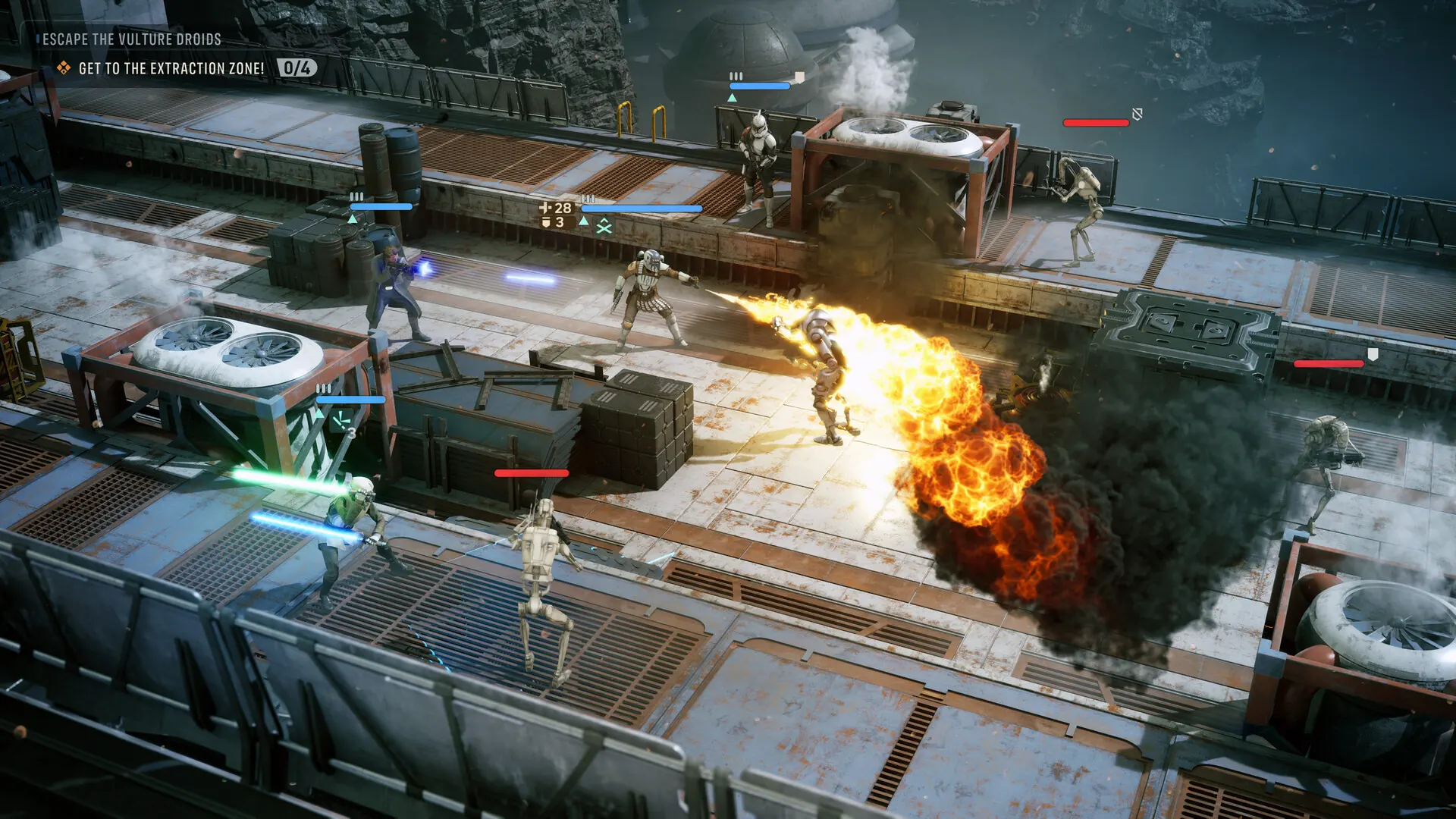
Three Action Points per Operator sounds like the kind of feature that belongs in a bullet list, but it quietly defines almost everything good about Zero Company’s combat. Movement consumes AP according to distance, weapons have different AP costs, utilities generally ask for a point, abilities compete for the same turn and Overwatch becomes the decision you make when you are finally willing to say, “Right, this Operator is done.” Actions can be taken in almost any order, so a turn rarely feels like choosing between one move and one attack. You can fire first, discover that the target somehow survived your beautifully calculated 80-percent shot, relocate into safer cover and still have enough room to prepare for the enemy response. Or everything can go wrong immediately and the remaining points become damage control. That flexibility creates a surprisingly natural rhythm. Zero Company is still mathematical underneath the percentages, ranges and cover rules never disappear but it gives you enough freedom that good turns often feel improvised rather than solved in advance. Overwatch benefits enormously from this structure. Its adjustable cone and AP investment make it more deliberate than a generic “shoot the first thing that moves” command, yet Bit Reactor is smart enough not to let an Overwatch crawl become the universal answer. Some objectives want you defending territory; others need explosives planted, prisoners rescued or a squad extracted before the battlefield becomes unpleasant. A beautiful firing lane is less impressive when the mission is politely informing you that you needed to leave two turns ago.
advantage is where zero company begins to feel like a real team
The shared Advantage pool is the system that turns several individually competent Operators into something resembling a company. Successful hits build Advantage, which can then be spent on powerful abilities without consuming the Operator’s normal AP: extra actions, accuracy boosts, rocket strikes, taunts and other tools capable of turning a mediocre turn into a small tactical robbery. More importantly, because the resource belongs to the squad rather than one character, the order in which Operators act becomes part of the strategy. One soldier can create an opening another character actually finishes. Call for Backup pushes the same idea further by letting a teammate contribute firepower, and eventually Bonds add permanent Cross Training bonuses between Operators who repeatedly deploy together. When these systems overlap, Zero Company is fantastic. Force Push an enemy out of safety, send them through an Overwatch cone, bring another Operator into the attack and suddenly a plan that looked slightly ridiculous five seconds earlier becomes the cleanest move on the board. There is genuine pleasure in those little sequences because they make the squad feel interconnected instead of like four action figures waiting for their individual turn. Bonds are not flawless, however. Relationships that have accumulated strong permanent benefits naturally make a familiar pair attractive, and that can work against one of the game’s other pleasures: experimenting with the broader roster. The system designed to make you care about who fights together can occasionally make you reluctant to separate them. That tension is interesting, but it also means squad rotation is not always as frictionless as the large pool of recruits initially suggests.
these people give the percentages a reason to matter
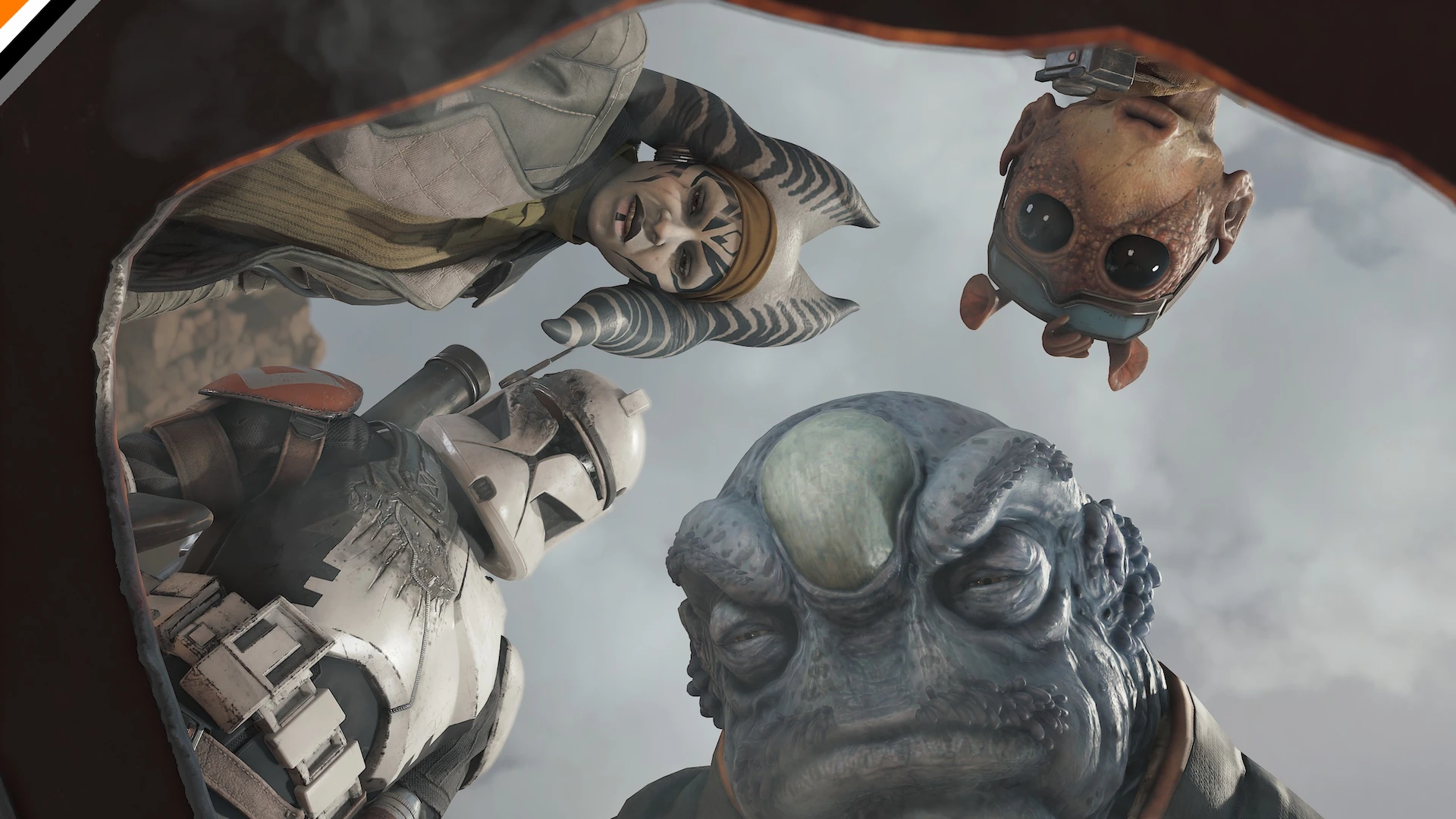
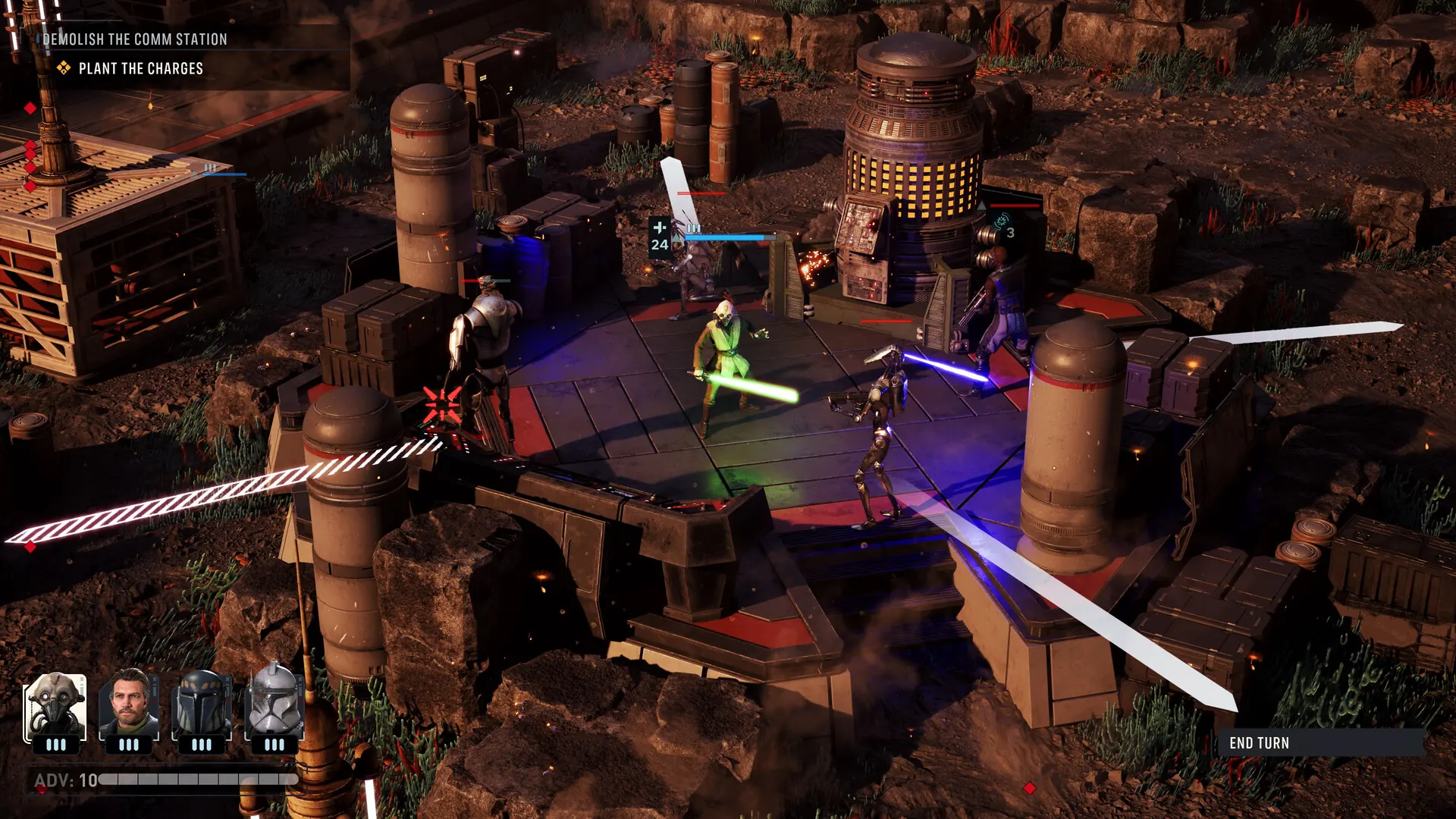
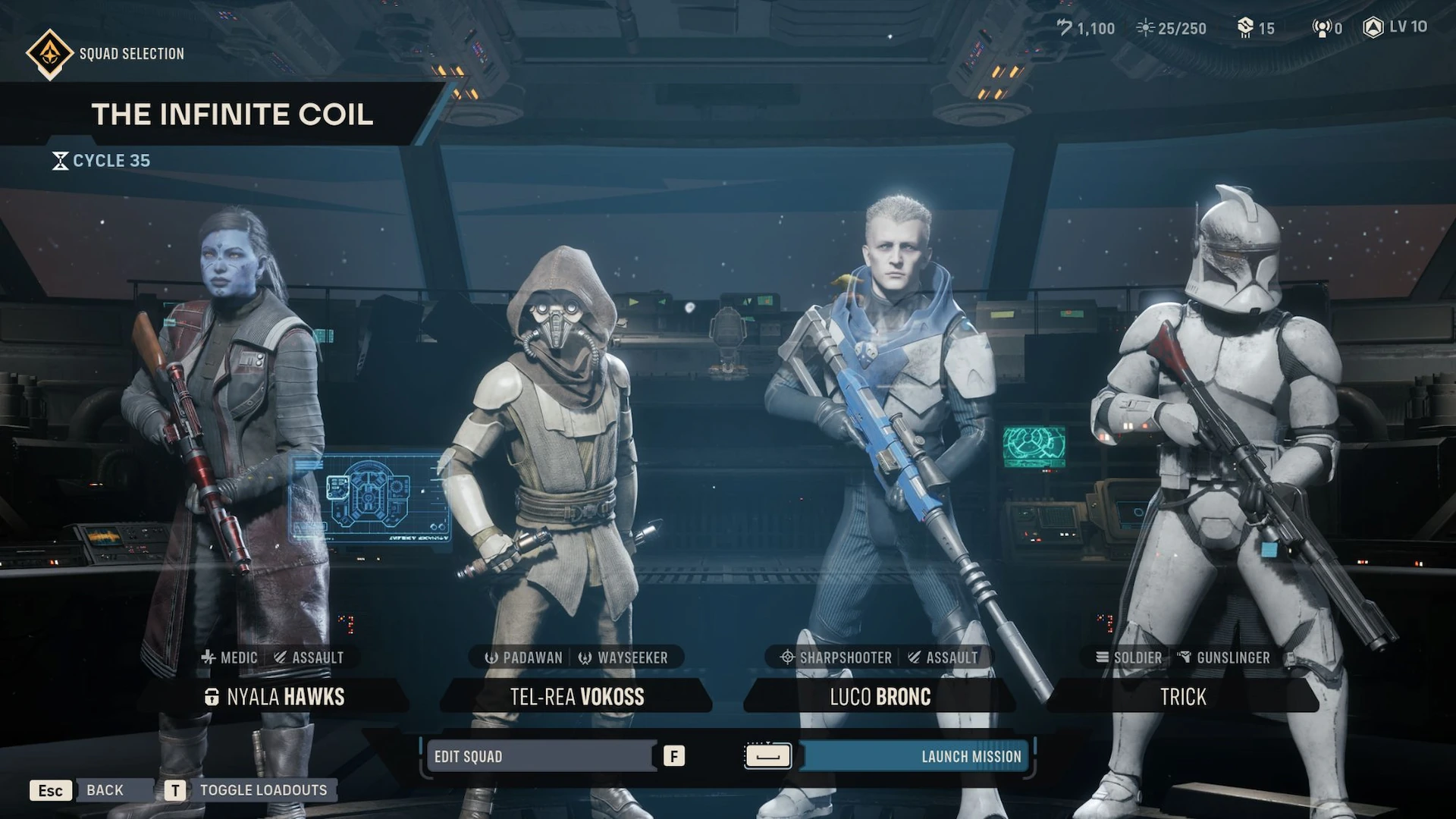
Tactical games have always known a dirty little trick: give somebody a name, let them survive long enough and players will eventually become emotionally unreasonable about them. Zero Company goes further by mixing fully customizable recruits with authored Operators who carry actual histories into the war. Hawks can be personalized in species, appearance, clothing and specialization, while people such as clone veteran Trick, Tognath Jedi Padawan Tel-Rea Vokoss, Mandalorian Cly Kullervo and Umbaran sniper Luco Bronc arrive with identities that naturally complicate the idea of everyone happily serving Republic interests. Luco defended Umbara against the Republic, Cly has her own revenge to pursue, Tel-Rea carries the weight of her fallen Master and Trick represents a military life Hawks already left behind. None of this turns Zero Company into Mass Effect with a tactical camera, nor should it. The relationships are there to make the company feel less disposable and to give the tactical systems emotional leverage. That works. An injury matters more when it belongs to someone whose place in the squad has become familiar; permadeath matters because three injuries can permanently remove an Operator on the standard ruleset, although the feature can be disabled for players who would rather keep the drama without potentially deleting a favourite character. Hawks is the exception: losing the protagonist simply fails the mission. The story surrounding the Infinite Coil and its leader Kundri Fathom is solid enough to keep the campaign moving, but the company itself is more memorable than the central threat. Zero Company is at its strongest when the war feels personal, not when it reminds you that another galaxy-sized catastrophe needs stopping.
the den is where victories stop being isolated battles
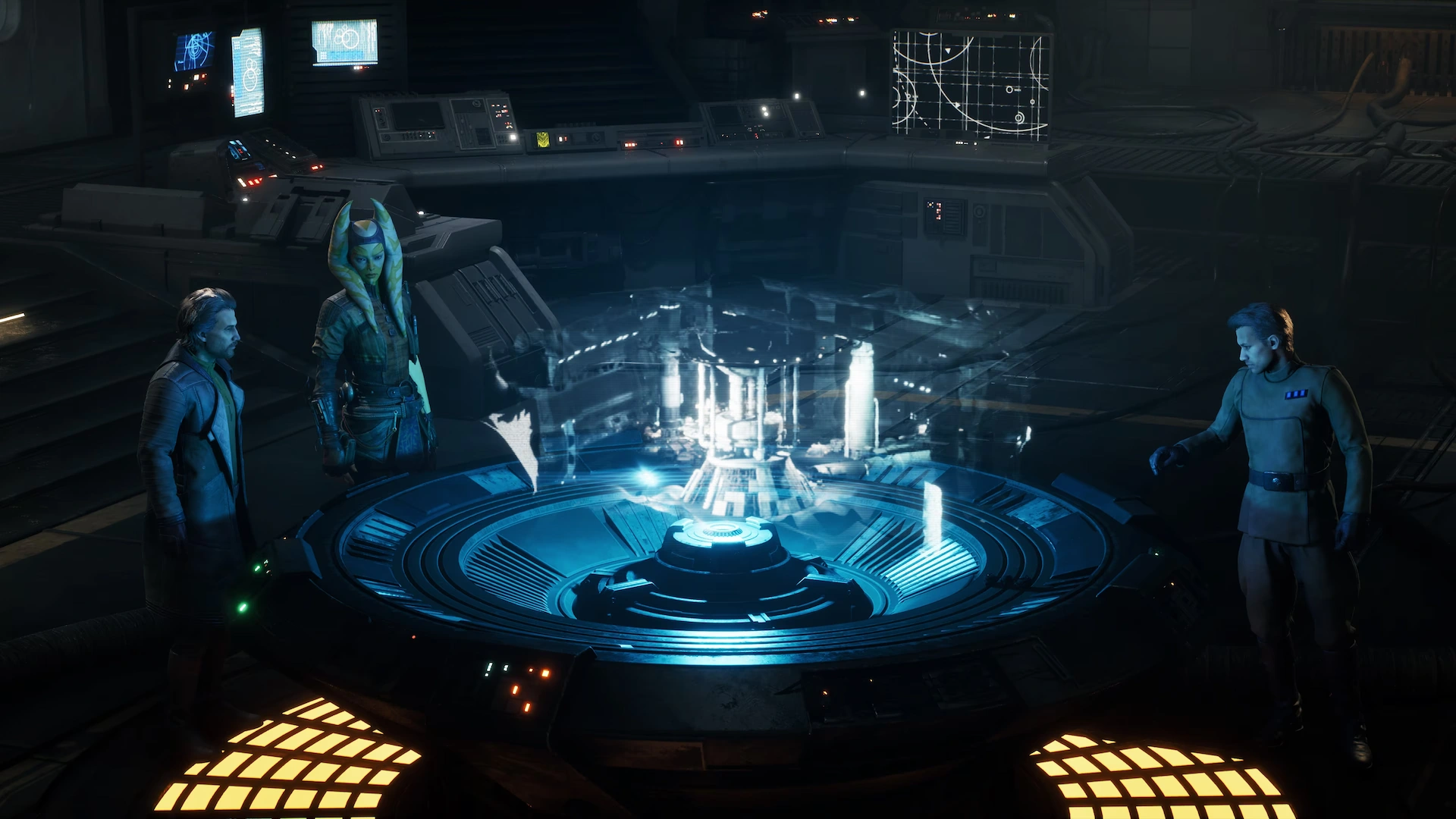
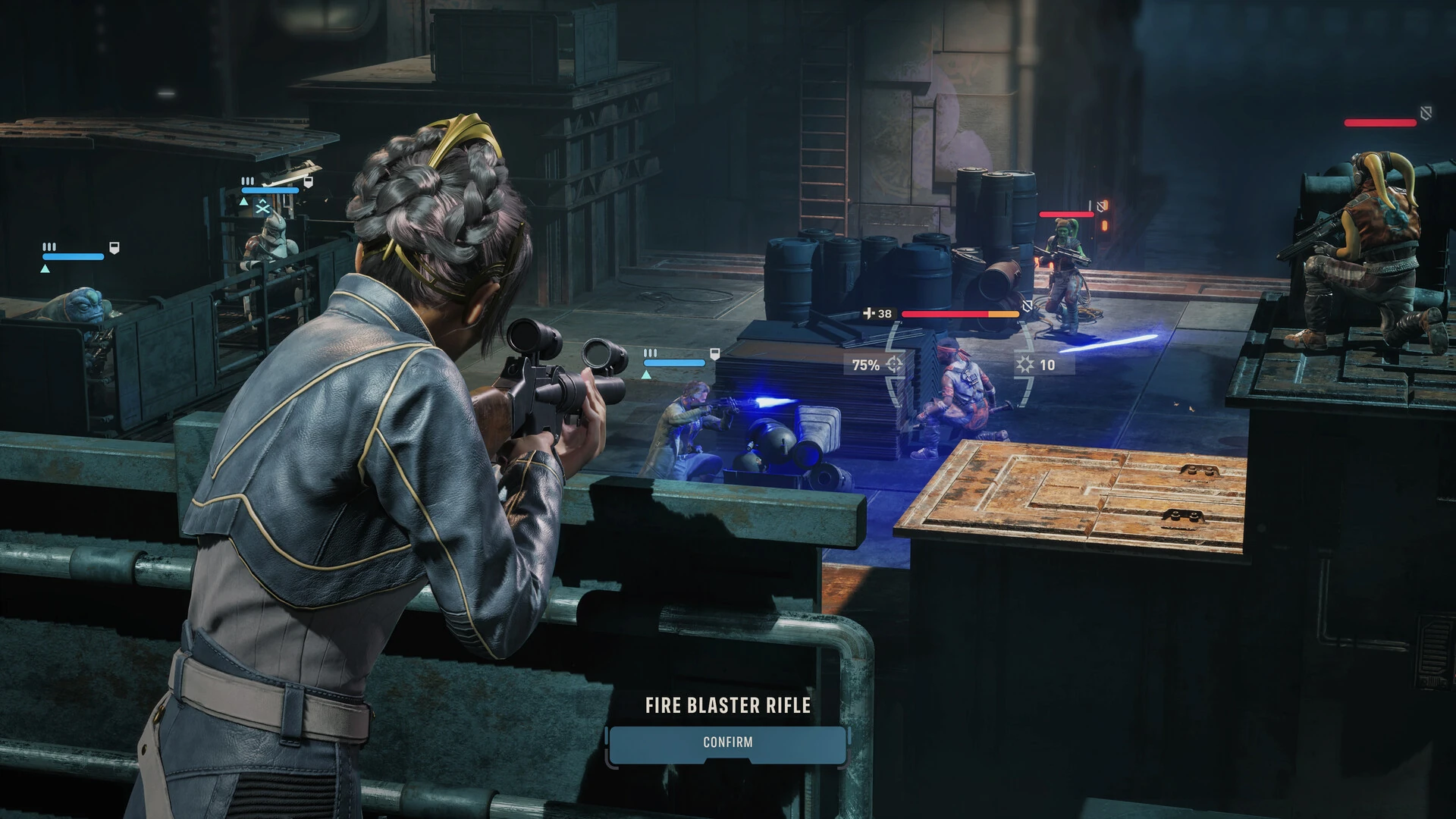
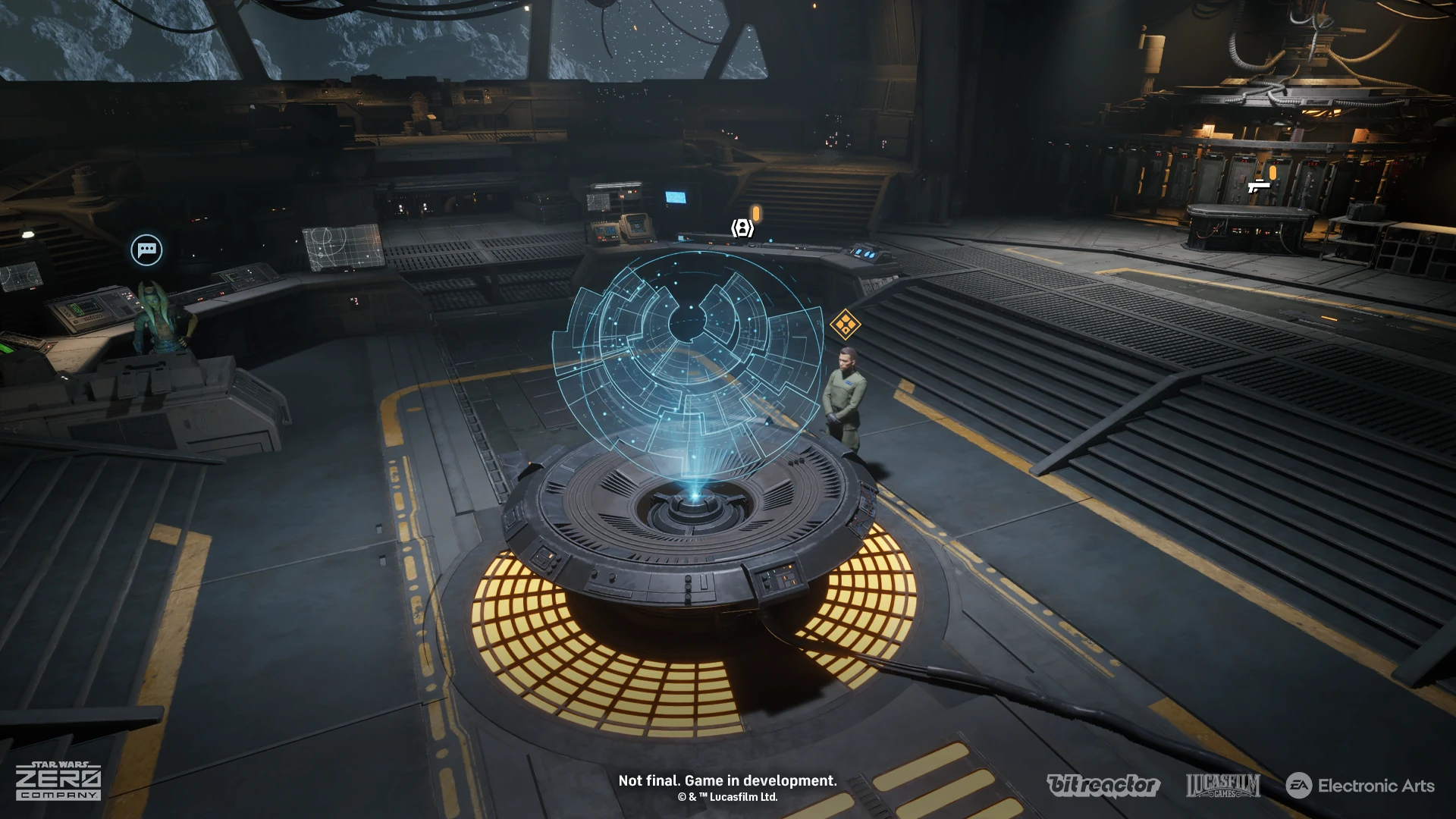
The Den, Zero Company’s base on the Ring of Kafrene, gives the combat consequences beyond whether the mission-complete screen appears. This is where injuries are treated, recruits are hired, weapons and utilities are configured, facilities are upgraded, Bonds are managed and the next chunk of trouble is selected from the Holotable. Tactical Missions advance the campaign cycle, while Operations consume Intel and can return Credits, equipment, influence or choices that affect relationships and future opportunities. Some activities expire, which is crucial because it prevents the strategic layer from becoming a giant checklist you methodically vacuum clean before allowing the plot to continue. There is almost always something else that would have been useful. Another weapon modification. Another Operator you would like to recruit. Another wound you wish you could heal immediately instead of carrying the compromised soldier into the next decision. That modest pressure is enough to make the Den matter without burying the player under grand-strategy administration. The third-person perspective used in the base and during certain story exploration sequences also gives the campaign a physical sense of place that a stack of management menus never could. Yet this is one area where ambition and execution are not equally strong. Walking around can be atmospheric, but mechanically these passages are considerably thinner than the tactical layer. The developers themselves describe the exploration portions as a minor facet, and that is exactly how they feel: useful texture rather than a second pillar of the game. Zero Company is better for having them, but nobody is going to finish a particularly sharp tactical mission and think, “Excellent, now I hope there is a corridor.”
mission design keeps asking you to move the furniture
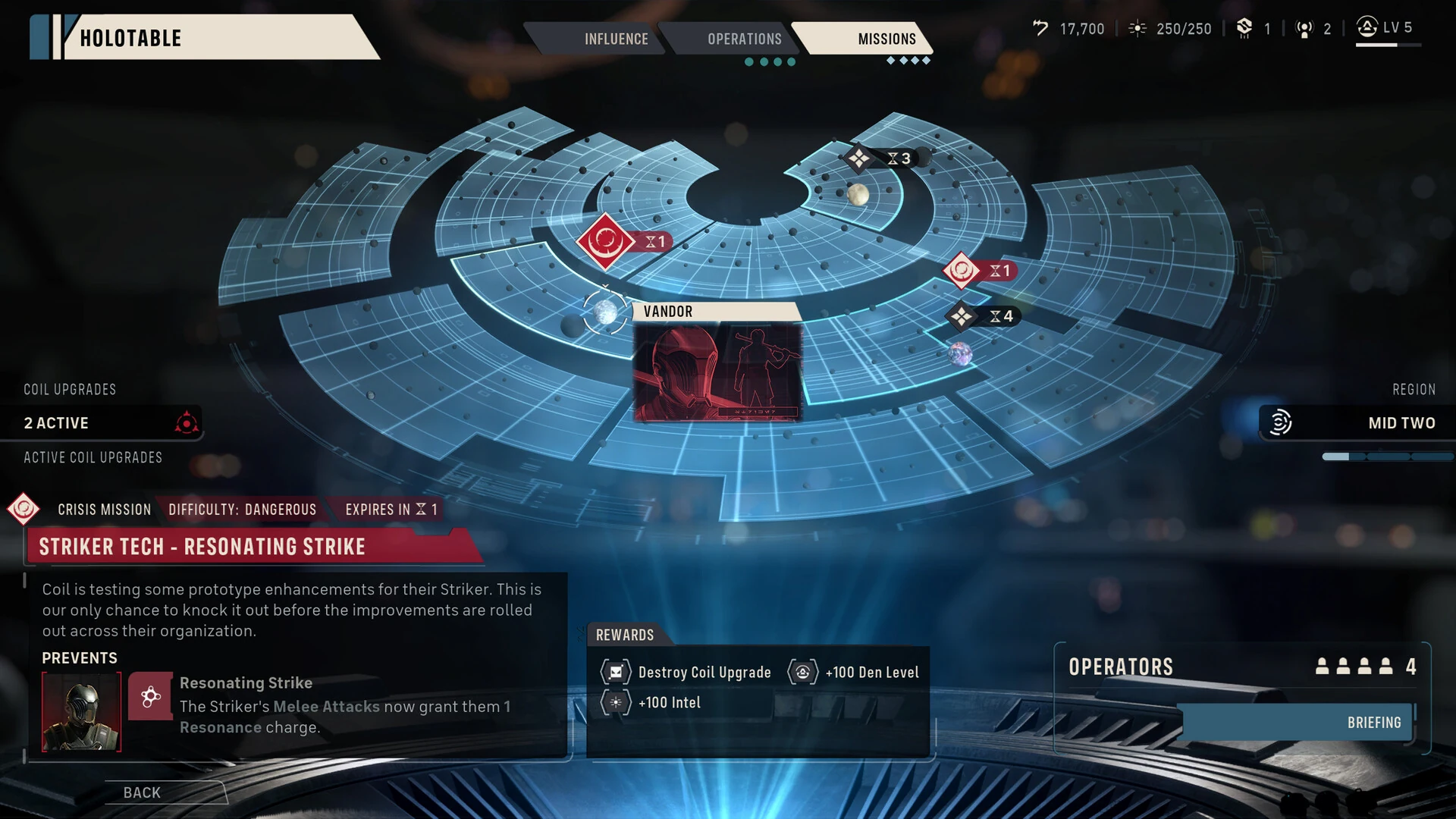
Good tactics systems become boring surprisingly quickly when every battlefield rewards the same answer. Zero Company avoids that problem by regularly changing what “winning” actually means. Sabotage, rescue, retrieval, direct combat and character-focused narrative missions all push the squad toward different priorities, and enemy factions complicate the equation further. Separatist droids give Ion equipment obvious value, Infinite Coil units force more deliberate target priority because of their abilities, and Outlaws lean on numbers. The absence of traditional fog of war could have flattened much of the uncertainty, but line of sight, map geometry and objective pressure compensate surprisingly well. More importantly, the environments allow enough tactical mischief to stop combat from becoming an exchange of blaster percentages. Cover can be destroyed. Enemies can be knocked into hazards or sent off ledges. Reinforcement routes can be covered before they become a problem. A Force user can rearrange somebody’s afternoon by throwing them directly into another Operator’s firing arc. These are small victories, but small victories are exactly what this genre feeds on. Zero Company understands that the satisfying part is rarely watching a health bar hit zero; it is realizing that three systems can be combined in a way that makes the health bar’s opinion irrelevant. Not every mission reaches that level, and the game still occasionally settles into familiar “take cover, flank, shoot” territory, but it changes the question often enough that a successful solution rarely becomes permanent doctrine.
customization is generous without turning everyone into soup
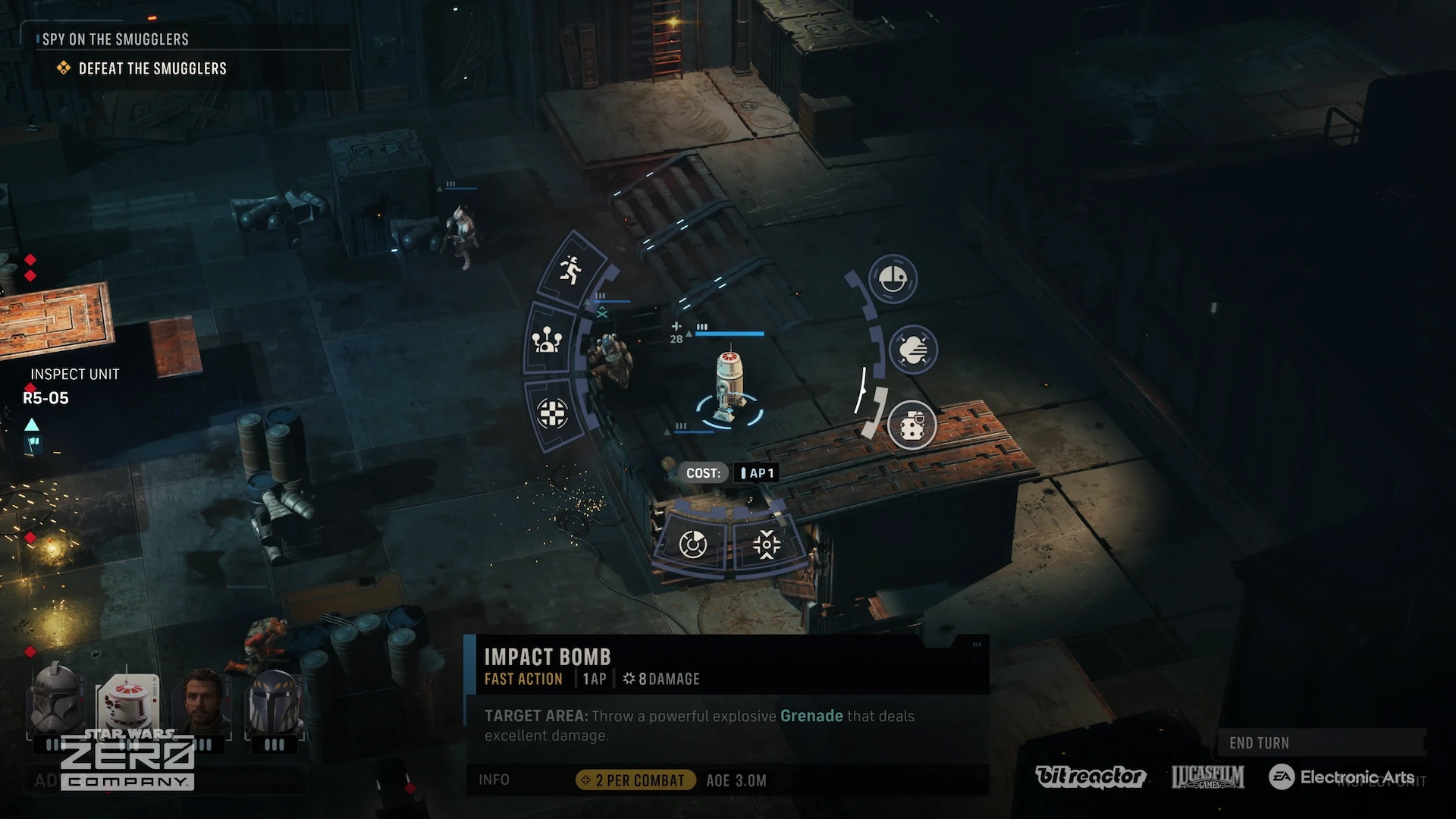
There are eight standard Specializations Assault, Gunslinger, Heavy, Medic, Scoundrel, Scout, Sharpshooter and Soldier and the underlying flexibility is greater than those labels initially imply. Operators can be reshaped through Focus progression, weapons, utilities, modifications and in many cases a changed Specialization, while authored characters and fully custom recruits can coexist in whatever proportion makes sense to the player. It would have been easy for this freedom to erase personality and leave every recruit feeling like the same tactical mannequin wearing different armor, but the distinction between authored characters, talents and squad roles does enough to prevent that. The four-Operator standard squad limit also forces decisions. You cannot bring every answer. A Heavy soaking attention, a Sharpshooter exploiting range, a Medic protecting against injuries and a mobile damage dealer might be wonderfully sensible until a mission exposes exactly what that configuration lacks. Respeccing is permissive enough to encourage experimentation rather than punish it, which suits a campaign where squad composition is supposed to be part of the story you create. There is also a frankly irresponsible amount of cosmetic temptation for anyone susceptible to Clone armor paint jobs, species options and weapon appearances. None of those visual choices affect stats, thankfully. Optimization already has enough ways to occupy the brain without asking whether the correct answer was secretly “better shoulder pads.”
it looks and sounds like star wars without constantly elbowing you in the ribs
Zero Company benefits enormously from choosing the Clone Wars without becoming another museum tour through famous scenes. The Republic and Separatists are the larger machinery surrounding the campaign, but this is a story about the less comfortable edges of that war: intelligence work, contractors, divided loyalties, people employed by institutions they do not necessarily admire and a squad that exists somewhere between military unit and collection of useful problems. That distance gives Bit Reactor room to use recognizable species, droids, armor, planets and technology without demanding applause every time something from canon enters the frame. The cinematics are largely rendered in real time so the customized Hawks and squad presentation remain visually consistent, and Gordy Haab’s score naturally understands the musical vocabulary of Star Wars. Combat also benefits from dropping the camera closer when an attack deserves a little theatre. A blaster shot is still a blaster shot, but good camera work and debris give it considerably more dignity than watching two chess pieces exchange numbers. The result is cinematic without forgetting that the actual game lives one layer above those close-ups. That balance matters. Zero Company wants to look like an expensive Star Wars production, but it usually knows when to hand control back before the spectacle becomes the point.
the story works better as glue than as the reason to buy the game
The campaign has enough character and momentum to justify its cinematic ambitions, but this is also where some of the boundaries become easier to see. Decisions can influence Bonds, side content and smaller story details, and squad composition can alter moments along the way, but the central narrative remains largely linear and ultimately heads toward the same conclusion. There are no romances, no sprawling branching routes and no dramatically different ending structure hidden behind the strategic map. Bit Reactor has been unusually straightforward about that, which is preferable to pretending otherwise. The advantage is focus: a 30–40 hour main campaign can keep introducing authored situations instead of dissolving into endless procedural warfare. The disadvantage is that some choices initially appear heavier than their eventual narrative reach. Kundri Fathom and the Infinite Coil provide a functional enemy, but the villains do not consistently generate the same interest as the strange collection of people standing on your side of the battlefield. In practice, that means Zero Company’s story works best as connective tissue—strong enough to make one mission lead naturally into the next, strong enough to give certain losses weight, but not quite strong enough to become the reason the game stays in memory. The battles do that. The squad often does that. The plot occasionally watches them do it.
the pc version is where the 85 loses its missing points
If the rest of Zero Company makes a persuasive argument for a score near 90, its PC launch provides the rebuttal. The important word is inconsistency. Some reviewers encountered relatively minor problems and reported a broadly polished experience, while others documented crashes, freezes, stutters and unexpectedly poor performance even on powerful hardware. That range makes sweeping declarations irresponsible; the PC version is not universally broken, but it is clearly not behaving with the same reliability for everyone. Launch-day Steam reviews currently sit in the Mostly Positive range at roughly 78 percent positive, and technical complaints are a visible part of the discussion. For a turn-based tactics game, a frame-rate wobble does not destroy the experience in the way it would in a twitch shooter, but a crash near the end of a long mission is another species of irritation entirely. The game’s visual ambition partly explains the GPU load, but strategy players are not suddenly required to become emotionally understanding because the lighting looks nice. Zero Company deserves credit for being good enough that many people keep reopening it after technical problems; it should not receive credit for requiring that patience in the first place. This is the clearest blemish on an otherwise remarkably confident debut and the biggest reason the final number stops at 85 instead of drifting into the low 90s.
a complete campaign, not another forever-game obligation
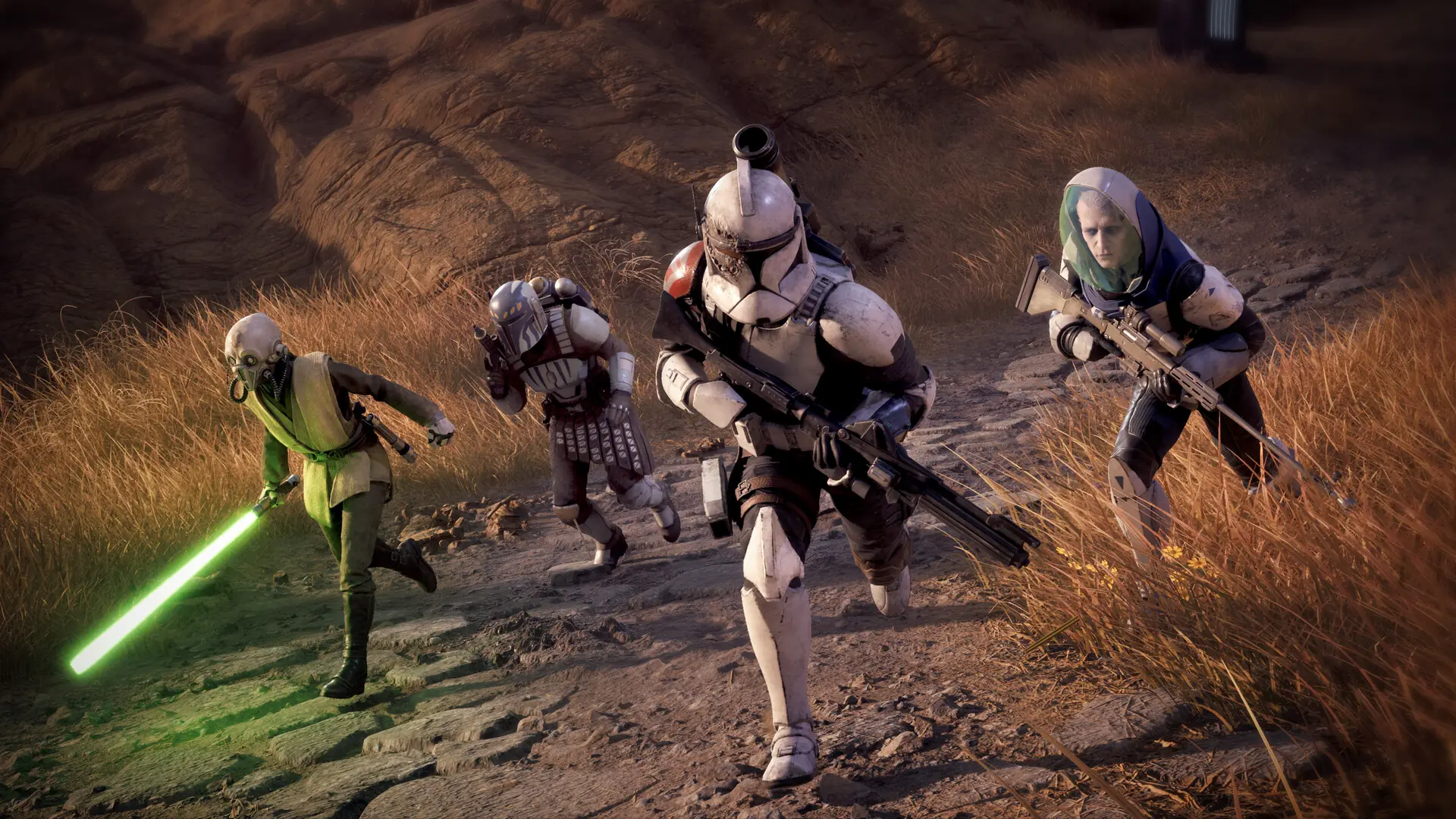
Bit Reactor estimates around 30–40 hours for the main campaign, which is enough time for Bonds, upgrades, roster choices and injuries to develop genuine history without making Zero Company feel like employment. There is no New Game+ at launch, although subsequent playthroughs unlock some customization options, and there is currently no official mod support planned. Those omissions inevitably limit its long-term ceiling beside something like XCOM 2, whose modding scene transformed an already replayable game into a small tactical ecosystem of its own. But not every strategy release needs to become furniture. Zero Company is clearly built around the idea of a shaped campaign: different squads, tactical approaches, difficulty and permadeath settings can change how the journey feels, while the broad narrative still has a beginning and an end. There is something refreshing about that. It provides enough systems to tempt another run without standing outside your house at 3 AM whispering that your live-service dailies have reset. At $49.99 on Steam, the standard edition also launches below the now-common premium AAA price, and EA says there are currently no plans for additional microtransactions. The absence of official modding remains disappointing for a tactics game with this much mechanical potential, but judged as a complete campaign rather than a decade-long platform, the package is substantial.