REVIEW | ASUS ROG THOR III PLATINUM 1000W | 
 THE QUIET BACKBONE
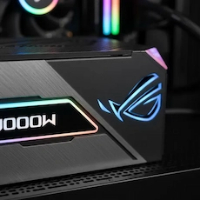
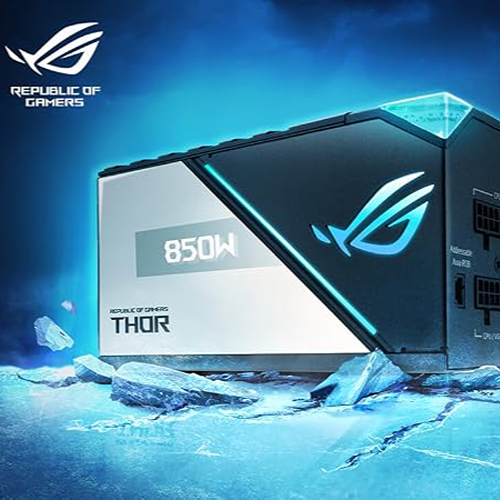
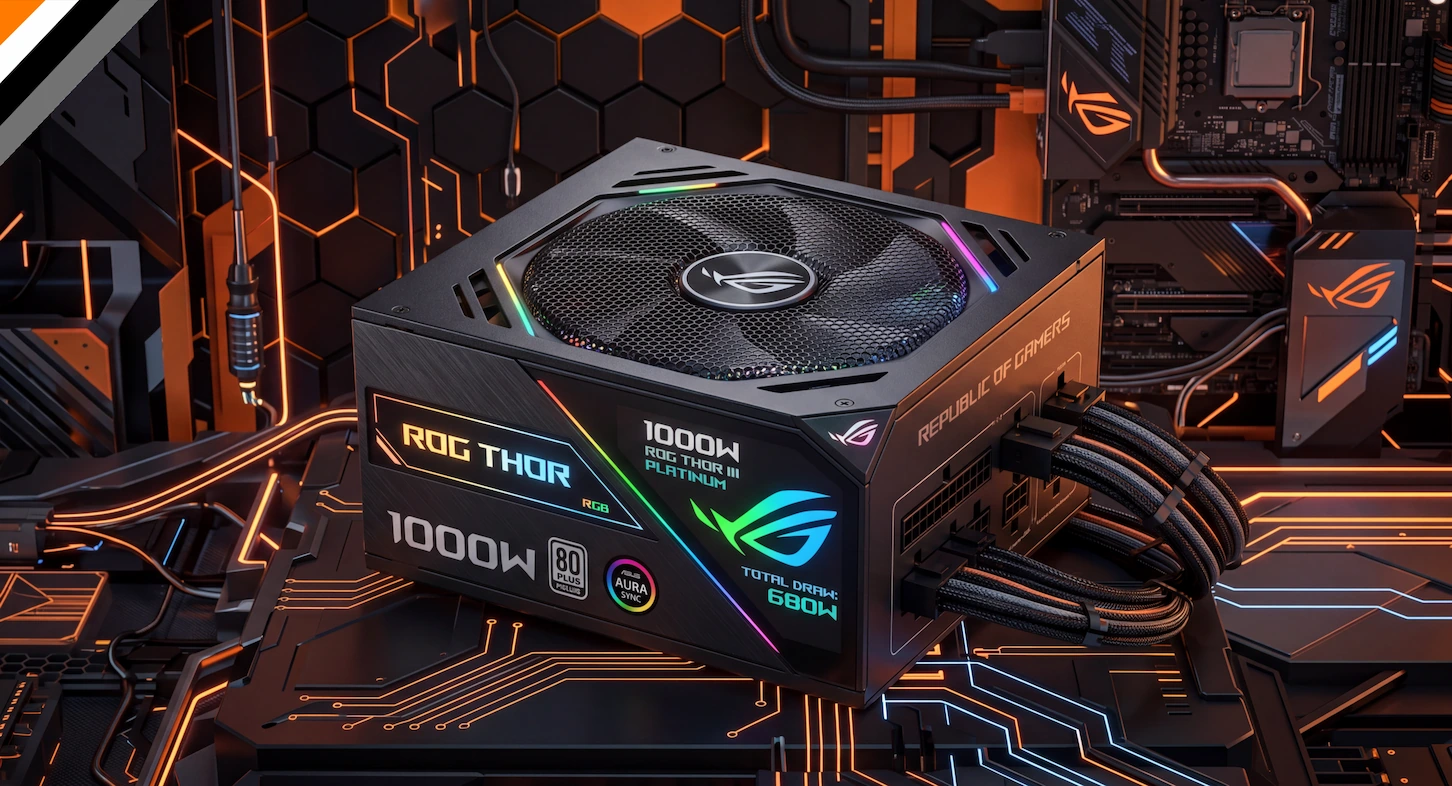
The ASUS ROG Thor III Platinum 1000W arrives in a hardware landscape that looks very different from the one power supplies were designed for even a few years ago. GPUs no longer draw power in a smooth, predictable curve. CPUs spike and dip based on boost behavior, background workloads, and aggressive thermal management algorithms. A modern PSU is not just a box that converts AC to DC; it is the electrical backbone that determines whether a high-end PC behaves calmly under pressure or becomes unstable when the system is pushed into real-world gaming and rendering scenarios. Thor III Platinum 1000W is ASUS’ attempt to build a power supply that acknowledges this reality and responds to it with a design that prioritizes stability, transient handling, and long-term reliability over flashy wattage numbers alone. From the outside, Thor III Platinum 1000W presents itself as a premium product even before it is installed. The housing is rigid and well-finished, with tight panel tolerances and a clear sense that this unit is not meant to flex or rattle inside a case. The visual identity is unmistakably ROG, but it is not purely cosmetic. The chassis design supports controlled airflow patterns and structural rigidity, both of which matter when the PSU is expected to handle sustained high loads over long periods. This is not a unit built for budget builds or casual upgrades. It is designed for systems that will live under heavy load and are expected to remain electrically stable for years.
electrical design and internal architecture
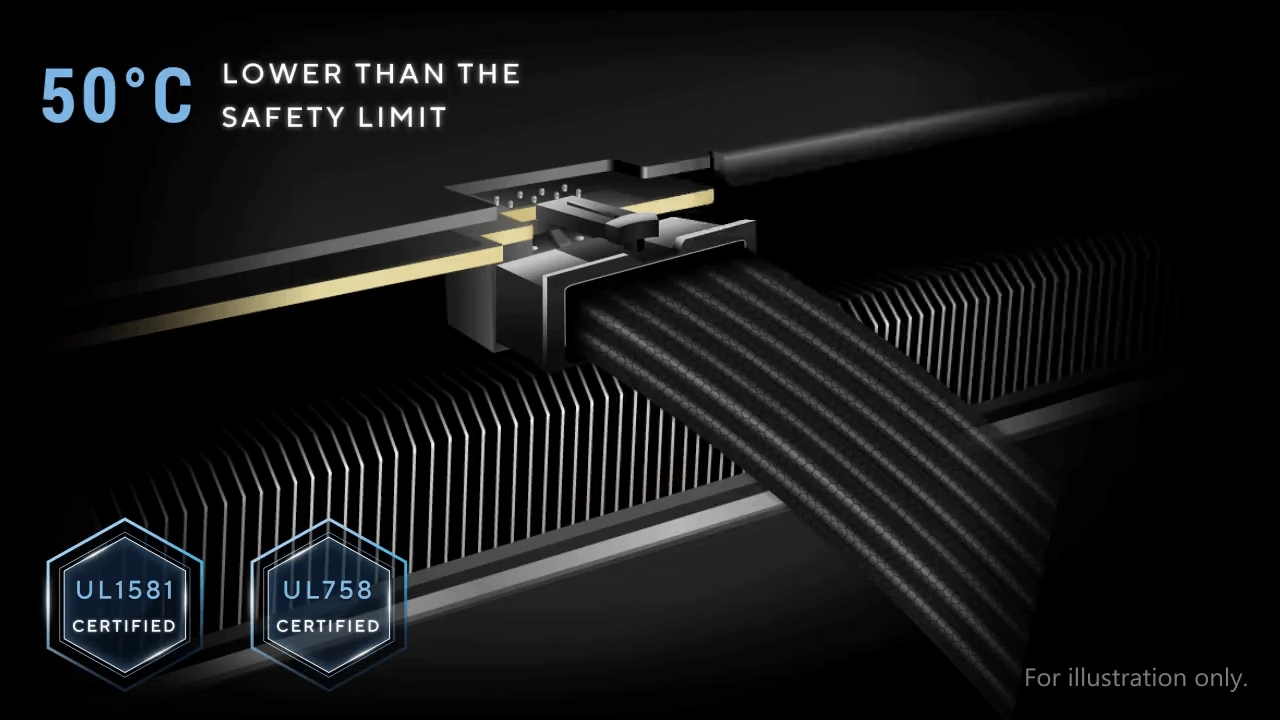
At the heart of the Thor III Platinum 1000W is a modern electrical design that reflects how premium PSUs are evolving. ASUS has adopted a high-efficiency topology that integrates GaN-based power stages, allowing higher switching frequencies with lower energy loss compared to traditional silicon MOSFET designs. Gallium nitride components are not simply a marketing feature; they enable tighter voltage regulation and improved transient response while reducing heat generation. In practical terms, this means the PSU can respond more quickly to sudden changes in load without producing excessive ripple or letting voltage rails sag or overshoot beyond safe tolerances. This electrical architecture is paired with high-quality capacitors selected for longevity and thermal stability. Over time, capacitors are among the first components in a PSU to degrade, especially when exposed to repeated thermal cycling and ripple stress. By combining a high-efficiency design with components rated for extended service life, ASUS aims to extend the usable lifespan of the PSU beyond what is typical for mid-range units. This matters for users who treat their PSU as a long-term investment and expect to reuse it across multiple system upgrades rather than replacing it every time they change major components. The Thor III Platinum 1000W is fully compliant with the ATX 3.1 specification and includes native PCIe 5.1 support through the updated 12V-2×6 connector. This is not a minor revision. Early implementations of the 12VHPWR connector revealed practical weaknesses in how connectors handled high current and physical stress. The updated connector standard improves contact reliability and reduces the risk of overheating when cables are bent or stressed near the plug. In real-world use, this translates into a more robust connection for modern GPUs that draw large amounts of power through a single high-current cable. The PSU is also designed to tolerate the transient load spikes defined by ATX 3.x, meaning it can handle short bursts of power draw significantly above its nominal rating without tripping protections or destabilizing output rails.
voltage regulation, ripple control, and stability under load
Voltage regulation and ripple suppression are often invisible qualities until they fail. When a PSU struggles in these areas, the symptoms can range from subtle instability to full system shutdowns under load. The Thor III Platinum 1000W is engineered to maintain tight voltage regulation across its rails even when subjected to rapid load changes from modern GPUs and CPUs. This matters most in scenarios where both major components are under stress simultaneously, such as during heavy gaming, rendering workloads, or combined CPU-GPU stress tests. Ripple and noise on the output rails are controlled well enough to avoid placing unnecessary stress on downstream components such as motherboard VRMs and GPU power stages. Over long periods, excessive ripple can accelerate component aging and increase the likelihood of instability. While most users never measure ripple directly, the practical outcome is a system that behaves more predictably under sustained stress. This stability is one of the main reasons high-end PSUs are worth considering for performance-oriented systems, even when wattage alone might suggest that cheaper units would suffice.
efficiency, thermal behavior, and acoustic performance
Platinum efficiency certification places the Thor III Platinum 1000W among the most efficient consumer PSUs available. Efficiency is not only about saving a few watts on the power bill. Higher efficiency means less energy is wasted as heat, which directly reduces internal temperatures and the burden on the cooling system. Lower internal temperatures slow down component aging and reduce the likelihood that the PSU will become noisy under moderate load. In real-world usage, the cooling behavior of the Thor III Platinum 1000W reflects this efficiency advantage. The large fan is tuned to remain quiet during light and moderate loads, allowing the PSU to blend into the background noise floor of the system. Under heavier loads, the fan ramps up gradually rather than aggressively, avoiding sudden changes in acoustic profile that can be distracting. This behavior is particularly noticeable in high-end gaming systems where GPU and case fan noise dominate the soundscape. The PSU does not add a sharp or intrusive tone to that mix, which is an important quality-of-life factor for users who care about system acoustics.

cable system, modularity, and practical installation
The modular cable system on the Thor III Platinum 1000W reflects a focus on durability and electrical integrity rather than minimalism. The cables are thick and well-insulated, designed to handle high currents without excessive voltage drop or thermal buildup. This choice improves long-term reliability but introduces some practical challenges during installation, especially in compact cases with limited cable management space. Builders working with mid-tower or full tower cases will find cable routing manageable with some planning, but small form factor builds may require extra patience and careful layout to avoid obstructing airflow or stressing connectors. Once installed, the modular system provides flexibility in cable selection, reducing clutter and improving airflow compared to non-modular designs. Over time, this also makes maintenance and component upgrades easier, as cables can be reconfigured or replaced without disturbing the entire PSU installation. This aligns with the idea of the Thor III Platinum 1000W as a long-term foundation component rather than a disposable part of the system.
the oled display and the role of visual feedback
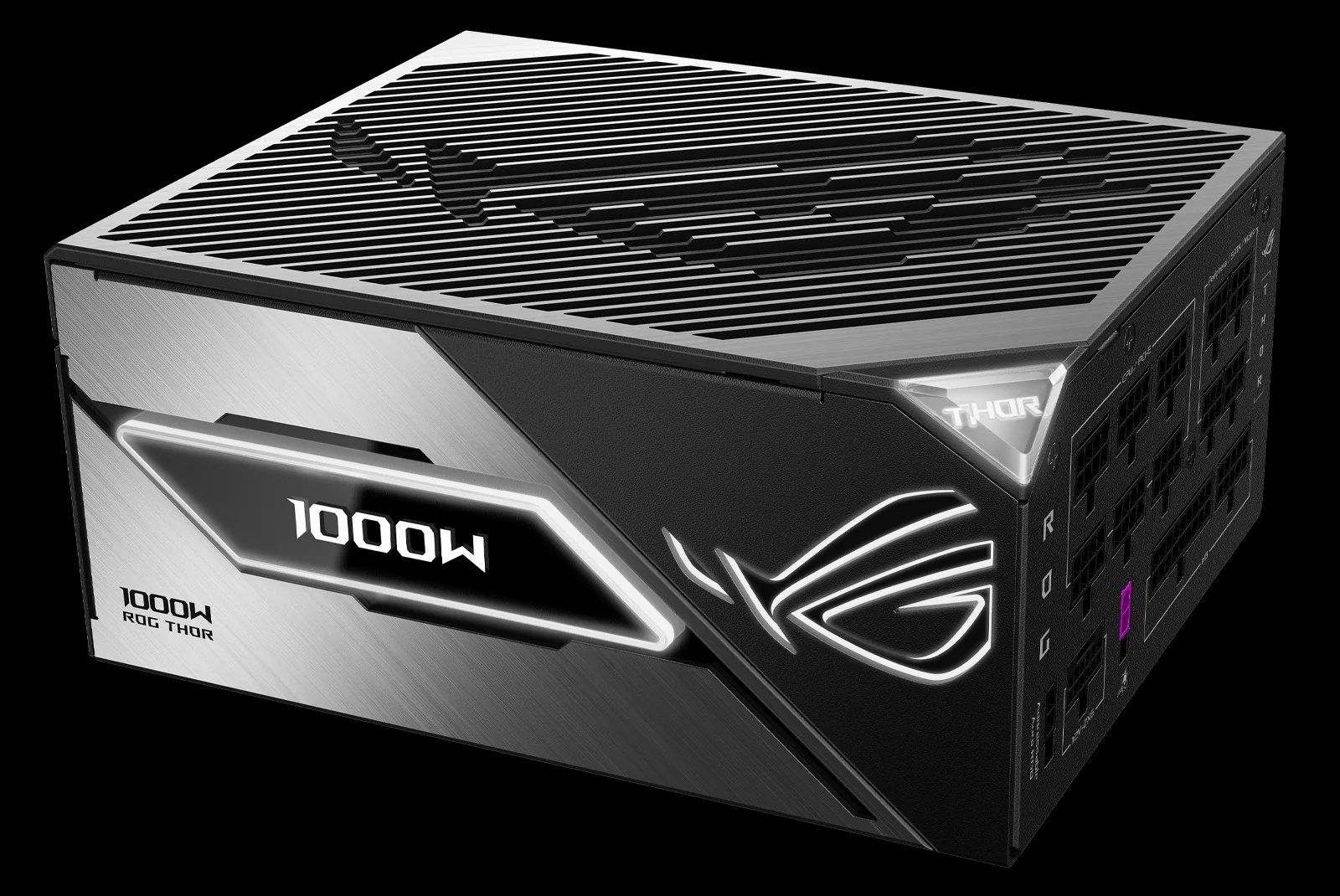
One of the signature features of the ROG Thor series is the integrated OLED display that shows real-time power draw. On the Thor III Platinum 1000W, this feature remains primarily informational and aesthetic. It allows users to observe how much power their system is drawing during different workloads, providing a tangible sense of how hardware behavior changes between idle, gaming, and heavy stress scenarios. While this information can be obtained through software monitoring tools, the display offers immediate feedback without requiring additional overlays or applications. From a functional perspective, the OLED display does not improve performance or stability. It adds to the premium feel of the product and may appeal to users who enjoy visual feedback and hardware monitoring as part of the overall PC-building experience. For some, this feature is part of the identity of the Thor series. For others, it is an unnecessary luxury that contributes to the higher price. Either way, it reflects ASUS’ positioning of this PSU as a premium, enthusiast-oriented product rather than a purely utilitarian component.
real-world use cases and long-term value
In practical system builds, the Thor III Platinum 1000W is well-suited for high-end single-GPU systems that pair modern flagship GPUs with high-core-count CPUs. The 1000W capacity provides comfortable headroom for such configurations, allowing the PSU to operate in an efficient and quiet range most of the time. This headroom also accommodates future upgrades within the same performance tier without requiring an immediate PSU replacement. For users building extreme workstation systems with multiple GPUs or heavily overclocked configurations, higher wattage models may offer more margin. However, for the majority of enthusiast gaming and content creation builds, 1000W represents a balanced point between capability and practicality. The PSU’s design prioritizes consistent power delivery and stability under unpredictable load patterns, which is increasingly important as hardware behavior becomes less linear and more dynamic. Long-term value is where premium PSUs attempt to justify their cost. The combination of high efficiency, robust internal components, modern standard compliance, and refined cooling behavior suggests that the Thor III Platinum 1000W is designed to remain relevant and reliable across multiple hardware generations. For users who plan to keep their PSU through several upgrade cycles, the initial investment can be amortized over many years of stable operation.
pricing, positioning, and who this psu is really for
The price of the Thor III Platinum 1000W places it firmly in the premium segment. It is not aimed at builders looking for the cheapest way to power a gaming PC. Many mid-range PSUs can deliver sufficient wattage and acceptable stability for typical gaming systems. What ASUS is offering here is a higher level of electrical refinement, modern standard compliance, and build quality that targets users who prioritize long-term reliability and predictable behavior under load. This PSU makes the most sense in builds where power stability and future compatibility are considered part of the system’s overall performance profile. In such systems, the PSU is not just a supporting component but a critical foundation that influences how confidently the rest of the hardware can be pushed. For builders who value that foundation and are willing to pay for it, the Thor III Platinum 1000W fits naturally into a high-end system design philosophy.