
REHAUNTED | A SHORT DETECTIVE HORROR WITH NO EASY ANSWERS
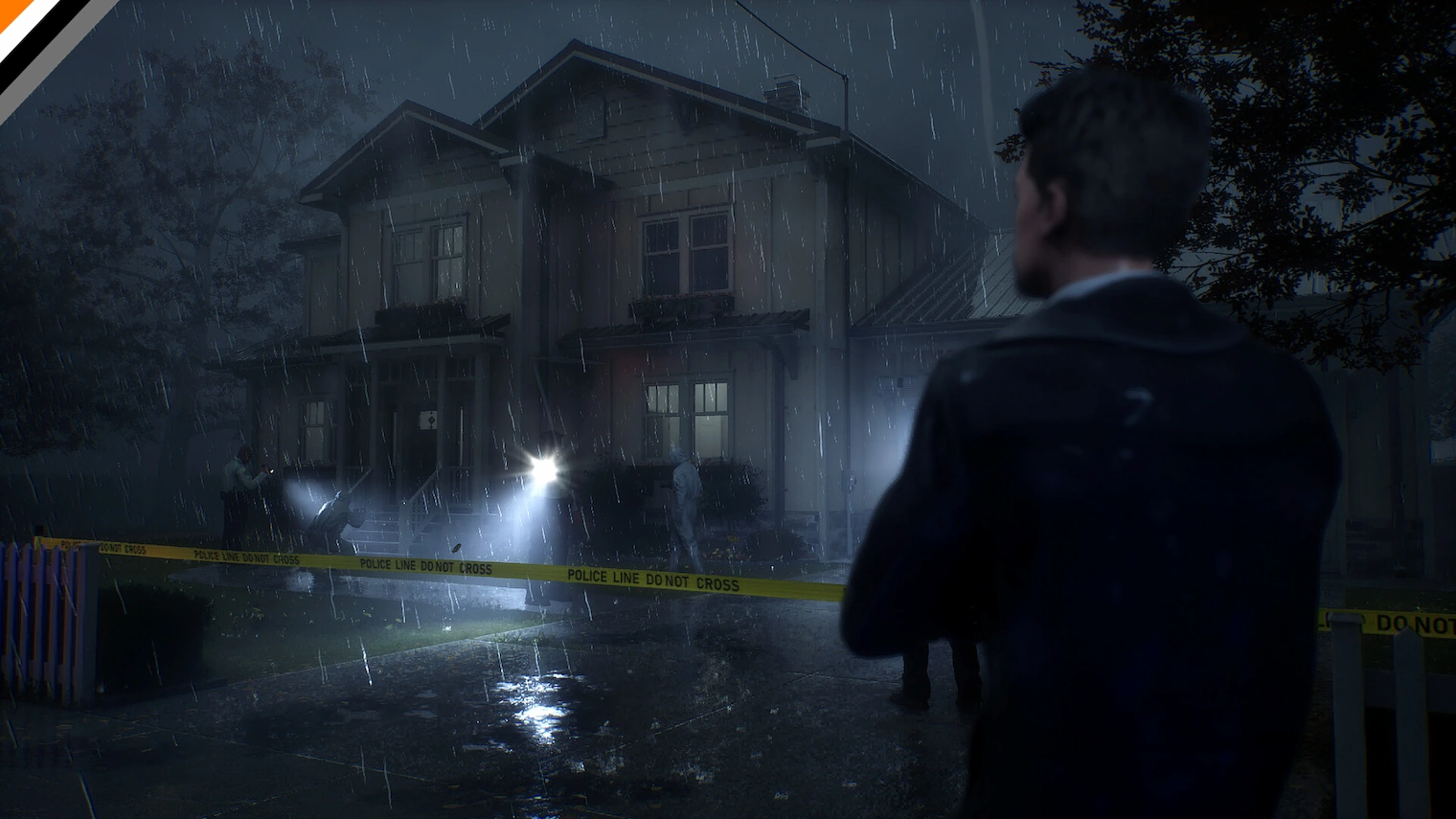
A young woman is dead inside her home, the rooms are filled with evidence and detective Connor Raines appears to have been handed a case that should be solved by method rather than instinct. Rehaunted quickly tears that assumption apart. The newly announced first-person psychological detective horror game from Cauchemar builds its entire identity around a crime scene that refuses to remain logically stable: blood traces, fingerprints, recordings, personal belongings and hidden details begin pointing in different directions, forcing the player to examine not only what happened inside the house, but whether the evidence itself can still be trusted. The game is currently planned for PC through Steam in Q3 2026, and its first trailer presents a compact horror investigation that seems more interested in doubt, reconstruction and uncomfortable discovery than conventional combat. Every object inside the house may carry part of the answer, yet each new discovery also threatens to weaken the theory built around the previous one. That gives the investigation a more personal and unsettling rhythm, with the player repeatedly returning to familiar rooms and seeing them differently as the case develops. Instead of separating detective work from horror, Rehaunted appears determined to make the act of searching itself the source of tension.
a crime scene that refuses to stay simple
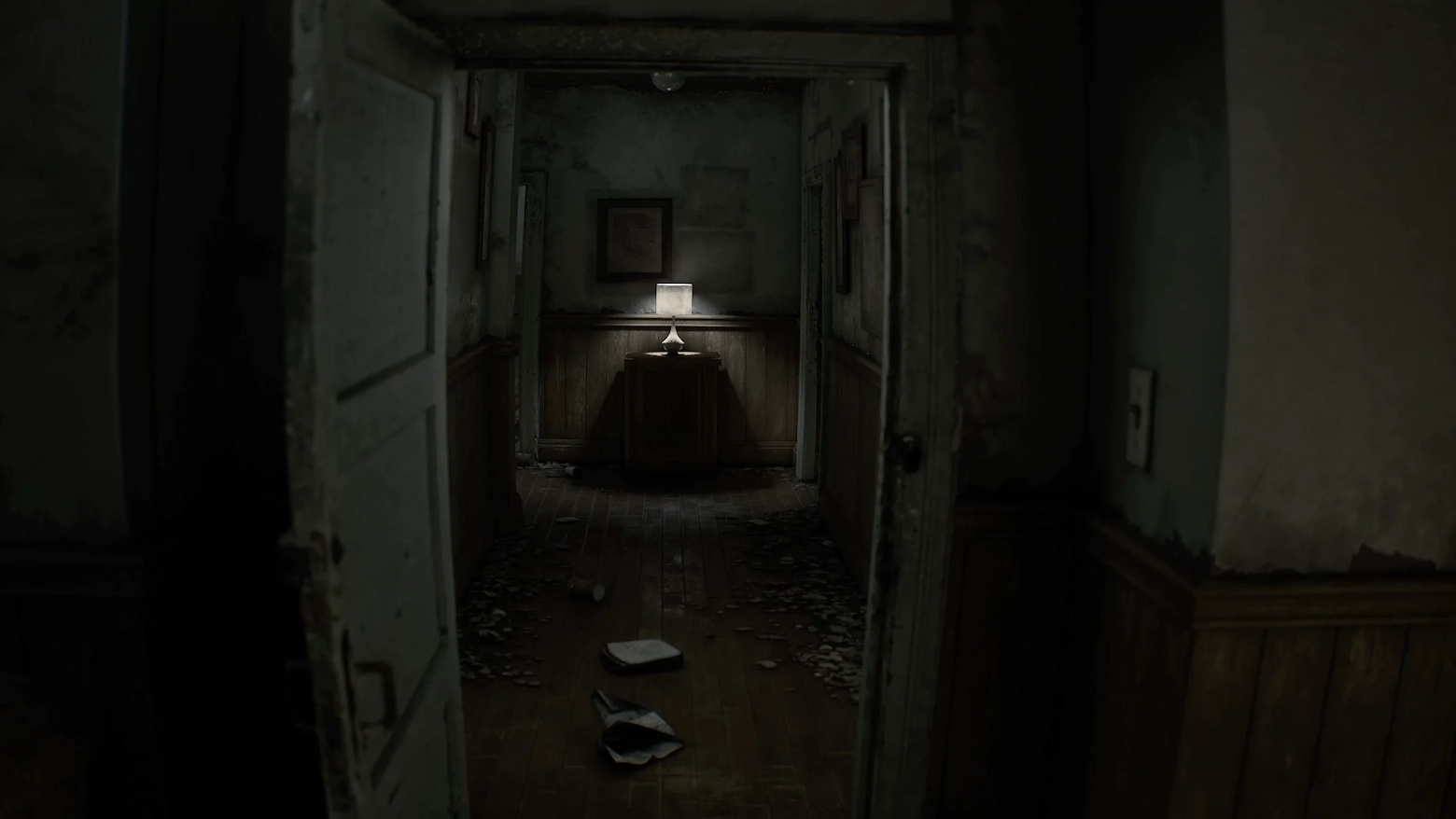
Rehaunted begins with Connor Raines entering the home of a young woman found dead, but the official description makes it clear that the victim is only the starting point. Every room contains another part of the case, while the growing collection of clues begins to contradict the version of events that initially looked obvious. The player will search through realistic domestic spaces, uncover concealed evidence and attempt to reconstruct the final hours before the crime, yet the game reportedly avoids delivering a clean answer through a traditional objective marker or final explanatory sequence. Instead, evidence must be connected and interpreted through an investigation system that allows the player to form conclusions from what has been found. That approach could give Rehaunted more substance than the usual haunted-house walk, provided its contradictions are built around genuine detective reasoning rather than simply withholding information until the final scare.
detective tools replace conventional firepower
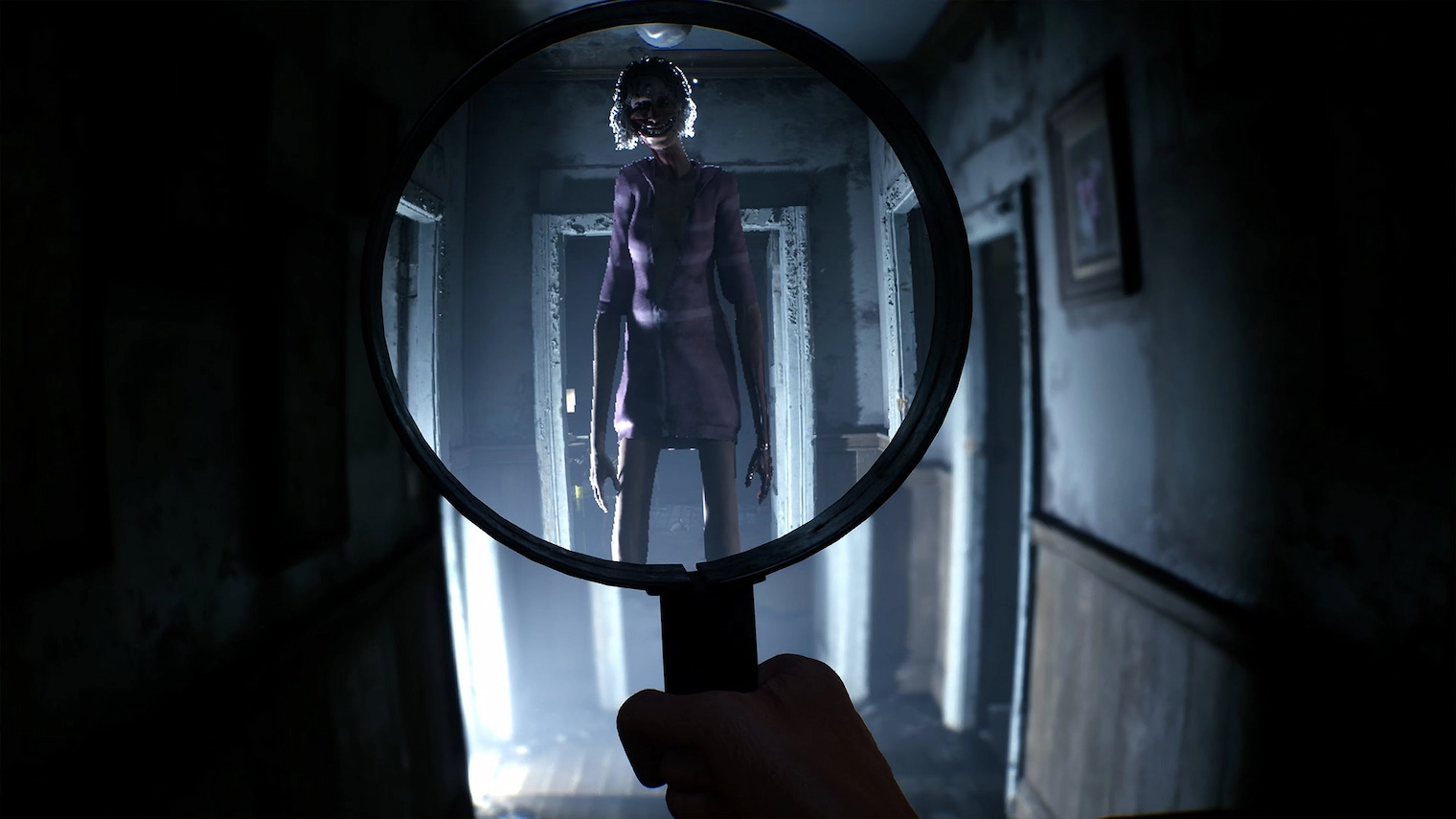
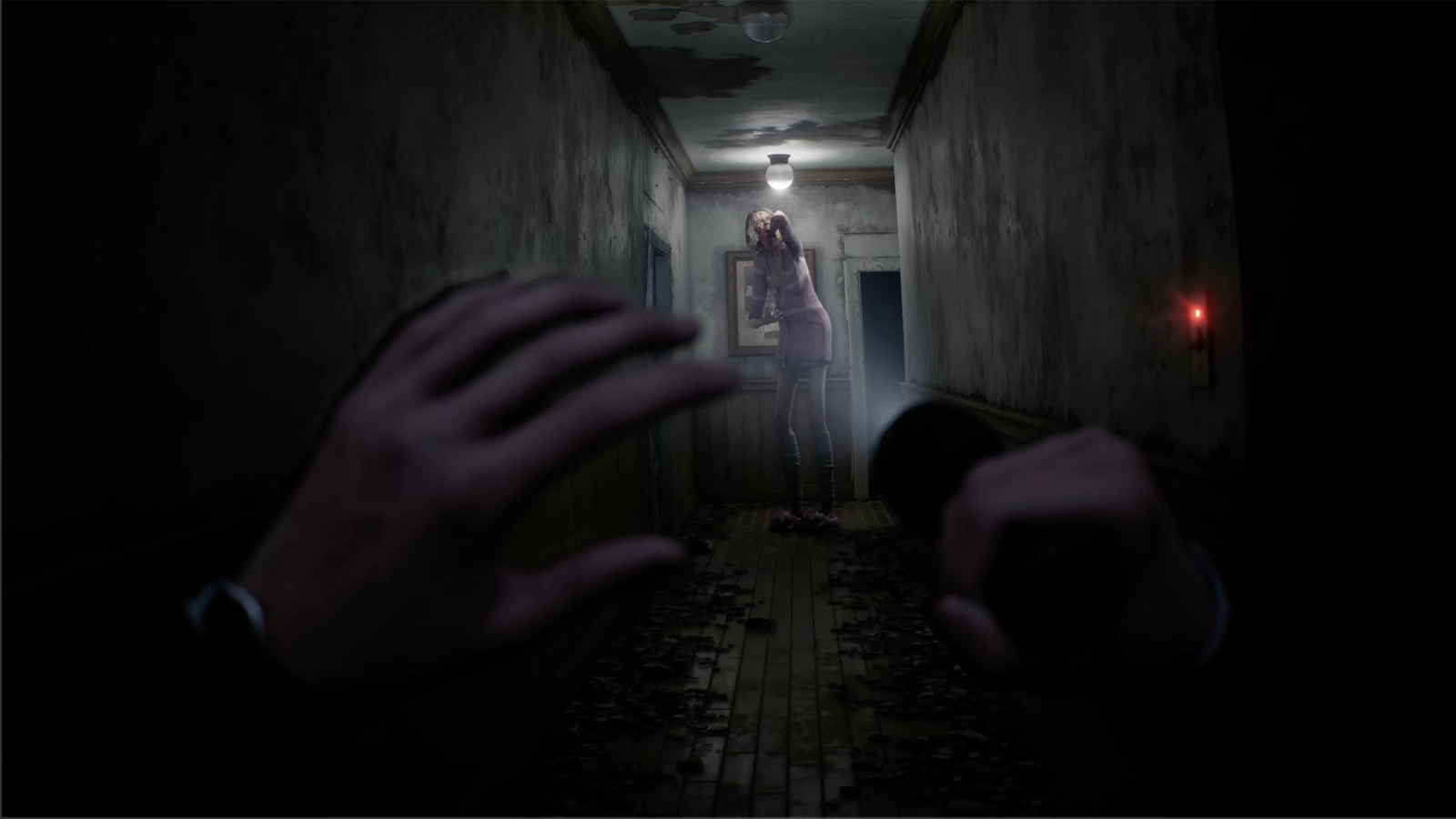
The investigation is supported by a UV flashlight, camera, magnifier, evidence board and walkie-talkie, giving the player several ways to inspect details that are invisible or easily missed during a normal search. Connor also remains in radio contact with another detective, and dialogue choices can open additional parts of the story, question assumptions or redirect attention toward a different interpretation of the evidence. The evidence board appears to be the centre of this process, connecting discoveries and helping reconstruct events without openly confirming whether the player has reached the correct answer. Rehaunted therefore seems to be using horror as pressure around the detective work rather than replacing that work with constant pursuit sequences. Its strongest idea is not merely that the house may be haunted, but that the supernatural presence could make every apparently reliable clue feel compromised.
a short investigation with a narrow focus
Cauchemar describes Rehaunted as a two-to-three-hour experience, which places it firmly in the compact narrative-horror category. That runtime will not appeal to players looking for a long survival campaign, but it could suit a game built around one location, one victim and a concentrated chain of discoveries. The Steam page promises cinematic visuals, oppressive sound design, realistic environments and supernatural moments that build gradually during the investigation. The listed PC requirements currently call for Windows 11, 16 GB of RAM, 10 GB of storage and at least a GTX 1070 Ti, while an RTX 3070 is listed for the recommended configuration. Those requirements seem relatively demanding for a short indoor horror game, although they may change before release and the recommended memory entry on Steam presently appears to contain an obvious typo.