
PREVIEW | VERSE PROJECT | A 1:1 SCALE SPACE MMO
A small spacecraft hangs above the curved horizon of a planet while every moon, asteroid and distant world continues moving along an orbit derived from the real Solar System. This is the enormous foundation behind Verse Project, an upcoming multiplayer space simulator from independent developer Synthes Games. Planned for PC during 2026, the project attempts to reproduce the Solar System at a 1:1 scale, placing celestial bodies in their real proportions and orbital positions while allowing players to travel between planets, moons, stations and open space without conventional loading screens. Verse Project is not structured around a traditional single-player campaign or a succession of authored story missions. Its central promise is a persistent online universe in which exploration, mining, trading, engineering, faction conflict and space combat create the activity. A technical playtest is already available through Steam by request, but the developers openly describe it as an early version whose mechanics and scope may change significantly. That distinction matters because Verse Project is selling an exceptionally ambitious destination while the currently playable material remains a demonstration of the systems required to reach it.
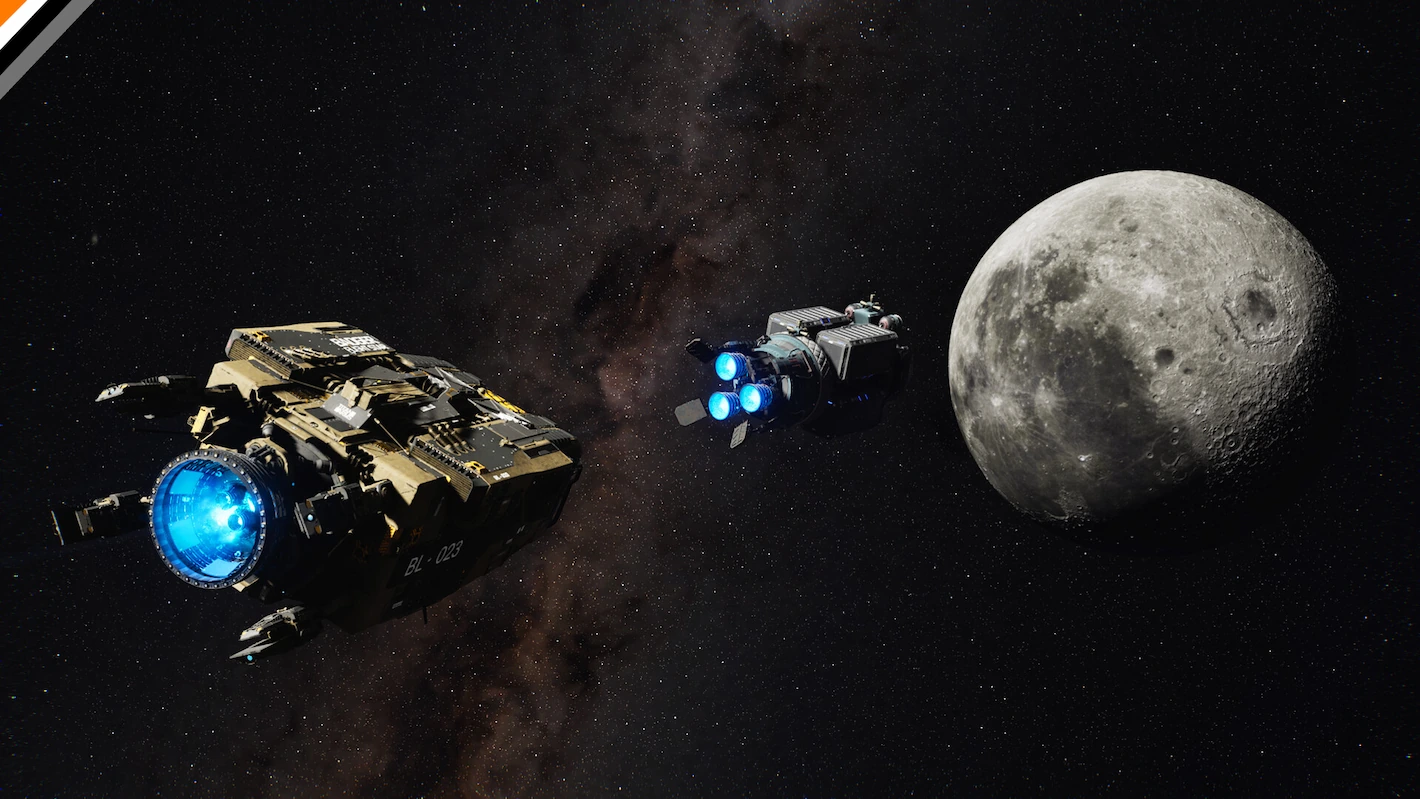
the solar system becomes the entire open world
Verse Project is not proposing a fictional galaxy filled with compressed star systems positioned minutes apart. Its playable universe is based on our own Solar System and generated using real scientific data, with planets, moons and asteroids represented at full scale. Flight physics are intended to remain close to reality, placing greater importance on velocity, momentum, approach angles and controlled landings than on simply pointing a ship toward a marker and holding the accelerator. This gives the project a clear identity among space games, but true scale creates an immediate design problem: actual astronomical distances are enormous. A realistic model can produce powerful feelings of isolation and discovery, yet it can also create long periods in which very little appears to happen. Verse Project therefore needs travel systems that preserve the meaning of distance without turning every journey into empty waiting. The absence of loading screens can strengthen immersion, but seamless transitions alone will not make the space between destinations interesting. Navigation, ship management, resource planning, communication and unexpected events must provide enough activity for distance to feel like part of the adventure rather than an obstacle placed between useful locations.
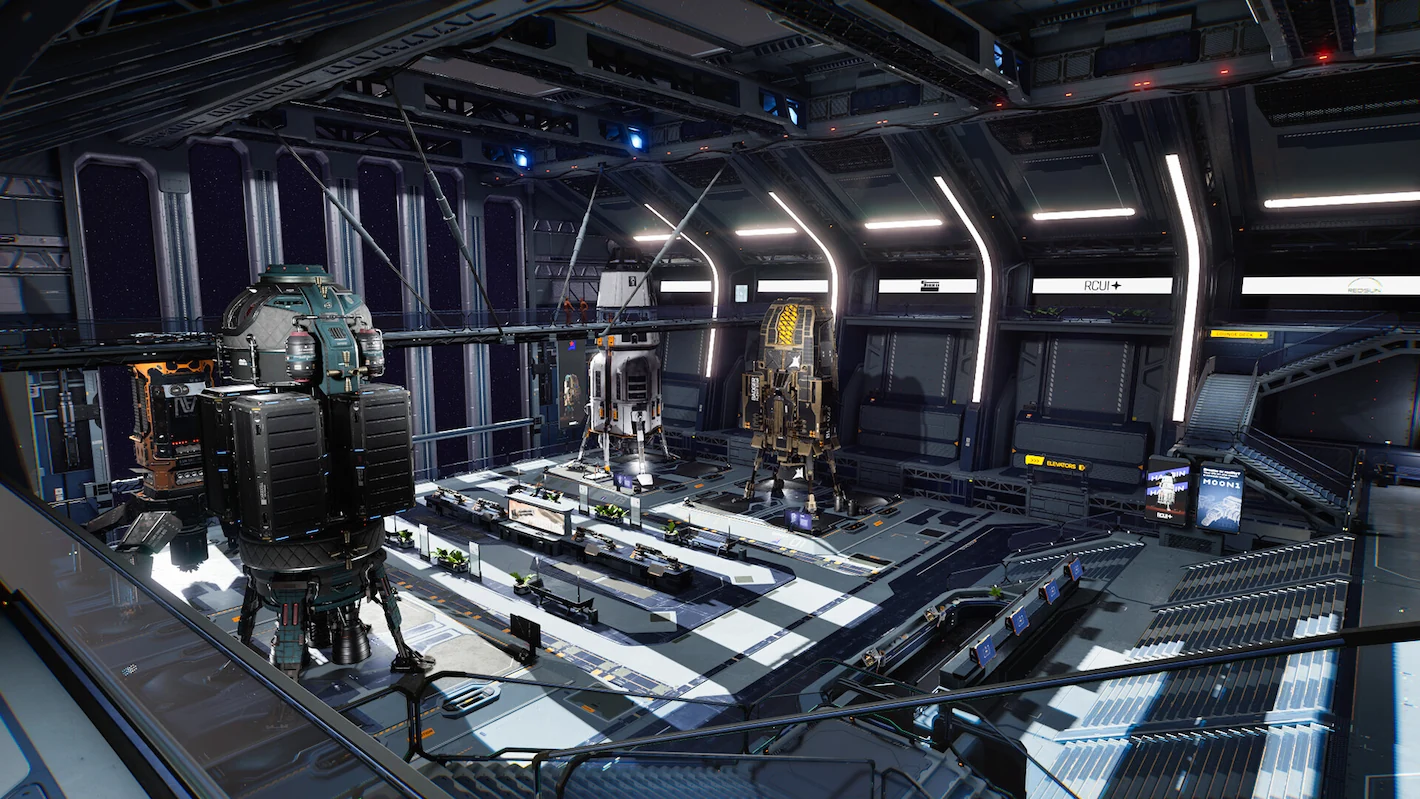
one shared universe replaces separate servers
Synthes Games describes Verse Project as a single-shard experience, meaning players are intended to coexist inside one connected universe rather than being divided across unrelated servers. The economy, corporate relationships, faction wars and global events should respond to collective player activity, allowing actions in one region to influence opportunities elsewhere. Miners may discover valuable deposits on planets, moons or asteroids and install extraction equipment, while merchants transport those resources toward distant buyers. Combat-oriented players can pursue hazardous missions or fight for control, and corporations can form alliances, compete over territory and establish their own objectives. This structure provides the game with something a scripted campaign cannot easily reproduce: history created through changing relationships between thousands of participants. It also introduces serious technical and social demands. A shared universe needs stable servers, effective matchmaking, controls against exploitation and an economy capable of resisting manipulation by its wealthiest or most organized groups. New players must also be able to find meaningful roles without feeling that every profitable activity and important region was claimed years before they arrived.
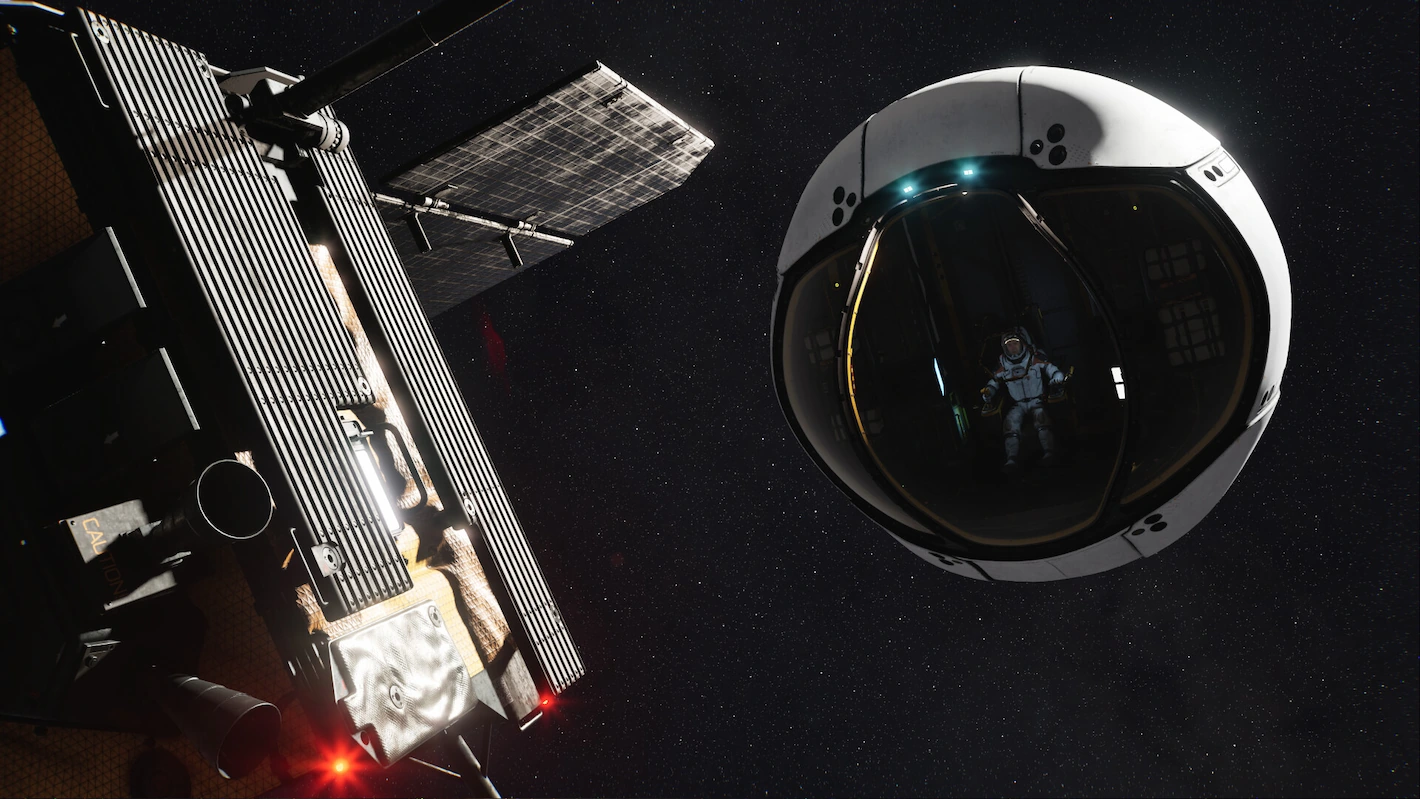
exploration, industry and combat must support one another
The official material presents several broad career directions rather than a fixed character class system. Players can explore remote regions, mine resources, trade goods, operate spacecraft and participate in battles, with the expectation that these activities feed into a wider economy. This interdependence could become one of Verse Project’s strongest qualities. Exploration has greater purpose when discoveries reveal new mining opportunities; mining becomes more valuable when traders must move materials through dangerous space; combat gains context when ships protect routes, resources or corporate interests rather than fighting only for a scoreboard. The difficulty will be ensuring that every profession contains enough mechanical depth to remain satisfying on its own. Mining cannot consist entirely of holding one control until a container fills, trading needs more than repeatedly following the most profitable route, and exploration requires discoveries that remain meaningful after other players have already visited the same locations. Space battles also need to respect the project’s physical approach without becoming inaccessible to anyone who has not studied orbital mechanics. Verse Project’s systems must connect naturally, but each one also needs a reason for players to specialize and return.
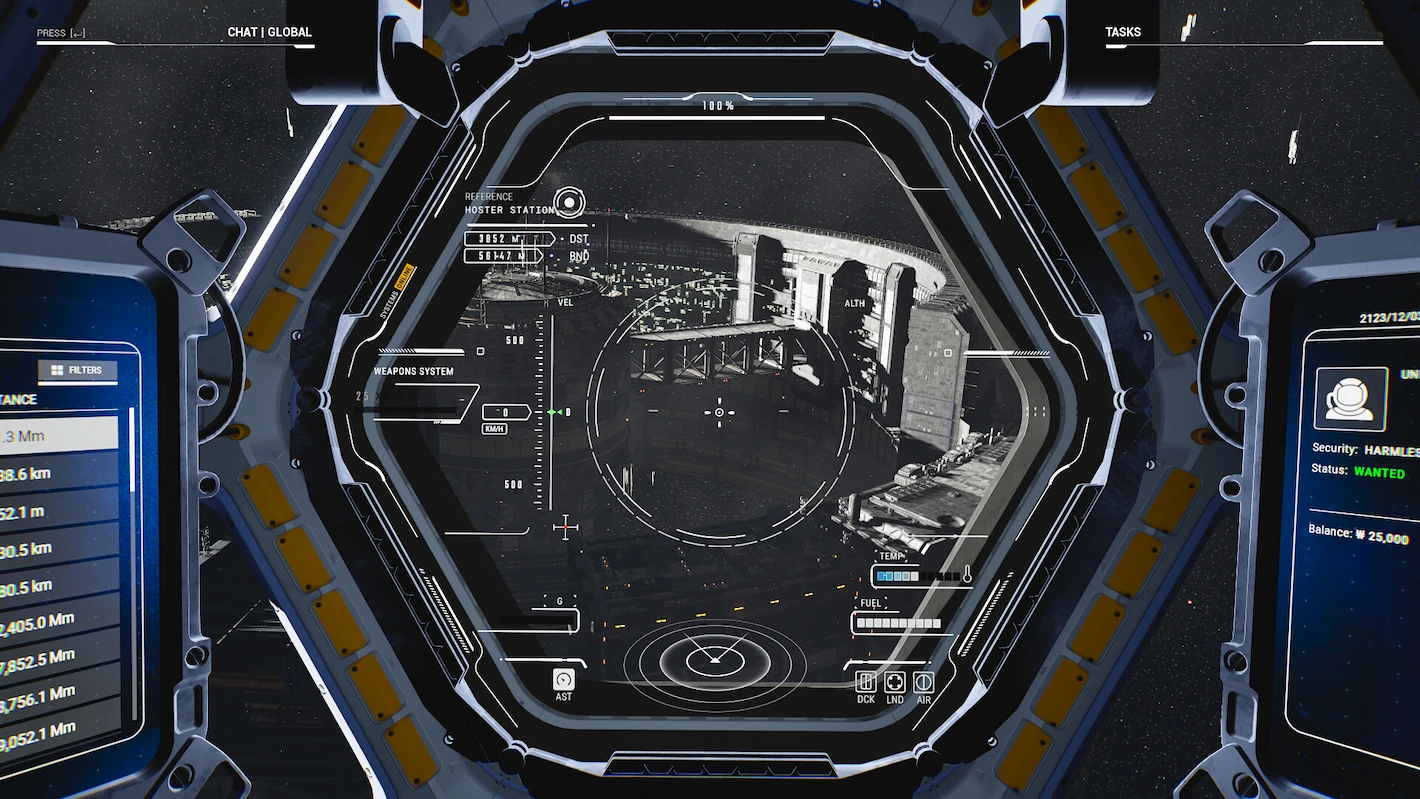
there is no confirmed single-player campaign
Steam currently identifies Verse Project through MMO, multiplayer and co-op features, and neither the store page nor the official website announces a separate story campaign. Players may still be able to travel, mine, trade or complete PvE activities without continuously joining a group, but they will be doing so inside the persistent online universe. The world is designed around shared events, player-influenced economics and interaction between corporations rather than a private sequence of cinematic missions with a defined protagonist and ending. For players seeking something comparable to a traditional single-player space adventure, this is an important limitation to understand before following the project. Solo-friendly gameplay and a single-player campaign are not interchangeable. Verse Project could support independent pilots who prefer minimal social interaction, but its main systems will still depend on an active connected world and broadband internet. How well the game accommodates those pilots remains unclear, particularly when powerful corporations begin controlling valuable resources or popular routes. Synthes Games will need to explain whether solo players can progress meaningfully, access major activities and survive competitive regions without becoming permanent supporting characters in someone else’s organization.

a technical foundation still searching for its finished game
Verse Project is already accessible through a Steam Playtest, but the developers describe the available build as a technical demonstration focused on flight simulation and basic world interactions. The final release is currently listed only for 2026, without a precise date, and Steam still shows no finished-product user reviews. This early status should shape expectations. Generating a full-scale Solar System and allowing seamless physical travel are impressive technical goals, but a playable universe also needs clear progression, reliable persistence, varied locations, readable interfaces, convincing ship interiors and enough reasons to make each journey. The project’s recommended PC specification currently includes an Intel Core i7-12700 or Ryzen 7 7800X3D, 16GB of memory and an RTX 3070 Ti or RX 6800 XT, suggesting that its large environments and simulation systems may be demanding even before the full universe is populated. Optimization will therefore be crucial, particularly for an MMO that needs a broad and stable player base. Verse Project should be judged not by how much virtual space it contains, but by how much meaningful activity it can place inside that space.