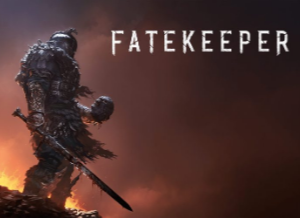
PREVIEW | THE RELIC: FIRST GUARDIAN | HEAVY COMBAT IN A BROKEN WORLD
Rain, ruined villages, heavy weapons, monsters with sad histories, and a hero who looks like he has walked too far into someone else’s nightmare. The Relic: First Guardian immediately has the kind of image that works for an action RPG. It does not look clean, heroic or bright. It looks wounded, as if the world was broken long before the player arrived and every road is only leading deeper into old damage. The atmosphere is not built around simple darkness, but around the feeling that every creature, every abandoned place and every strange ritual has something buried behind it.Project Cloud Games is building a dark fantasy action RPG inspired by Asian and Korean folklore, with a focus on aggressive combat, boss encounters and a world where every monster seems to carry a story before the fight begins. That gives the game a stronger early hook than just another heavy-blade action RPG. If the combat has weight and the folklore influence is used with care, The Relic: First Guardian could become one of the more interesting dark fantasy games to watch in 2026.
That is the most interesting part. The Relic: First Guardian is not only selling itself as another game with a big sword and angry creatures. Its strongest early hook is the idea that the bosses are not just health bars waiting at the end of an arena. PC Gamer describes the game as a folklore-rooted action RPG with tragic boss encounters, boss journals and a dark atmosphere built around grief, memory and supernatural violence. That gives the game a better angle than “new soulslike with monsters,” because the emotional weight of the enemies could become part of the reason to continue, not only part of the cutscene before combat. The game is currently expected in early 2026, with Project Cloud Games as the developer. Early coverage points to PC availability through Steam, and the game is already being watched by action RPG fans because it combines dark fantasy presentation, fast combat and a different progression system from the usual level-based RPG structure. That makes it preview-worthy for pcdoorz. There is enough here to watch closely, but also enough unanswered questions to stay cautious.
a dark action rpg that does not want to look clean
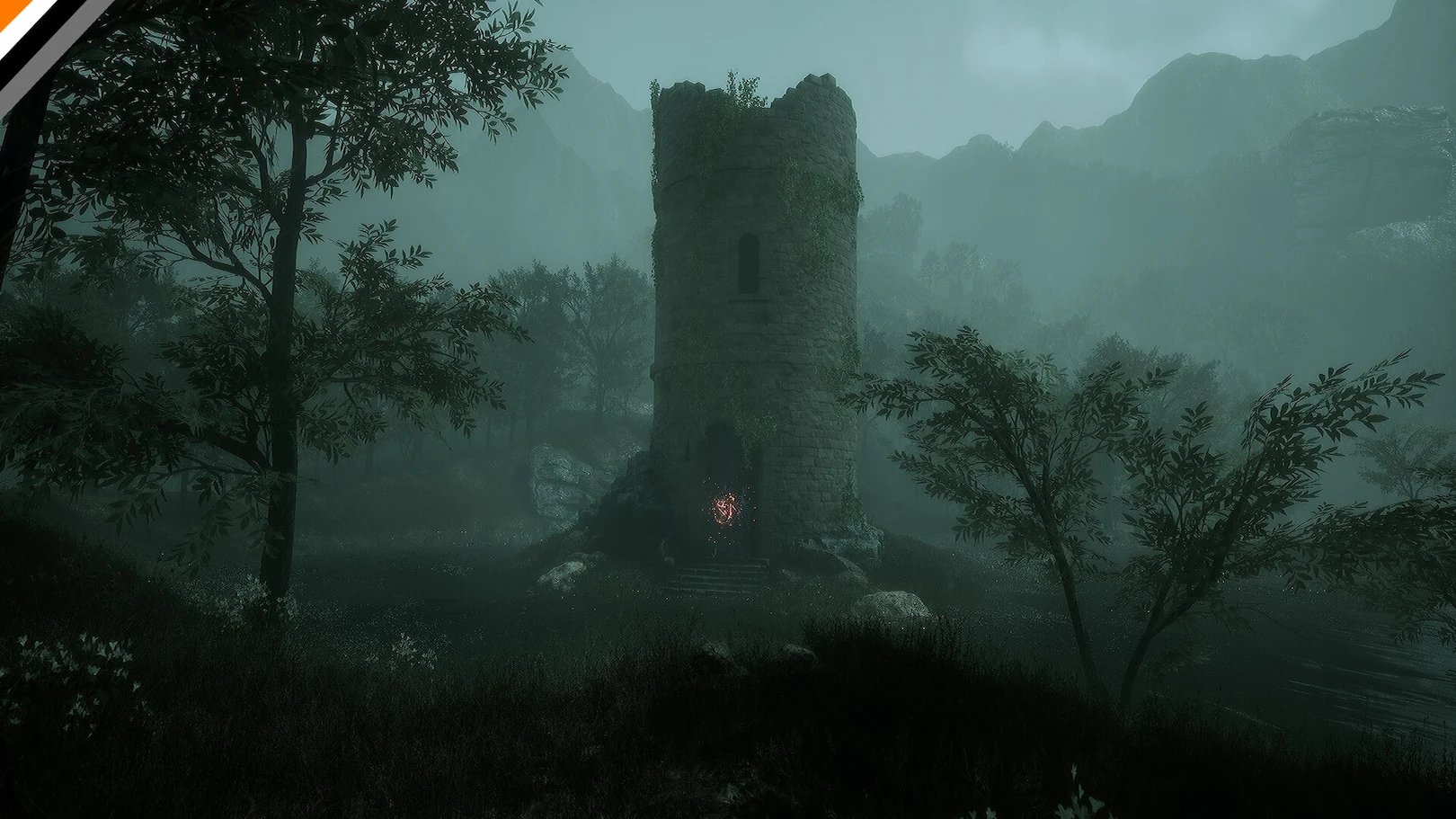
The first thing The Relic: First Guardian gets right is mood. The world does not look like a place waiting to be saved with a clean heroic speech. It looks exhausted. The trailers and early descriptions lean into rain, fog, war-damaged places, monsters, memory and old folklore energy. That matters because action RPGs need more than enemy variety. They need a world that makes the combat feel like it belongs there. A dark fantasy game can easily become generic if it only uses black armor, ruined buildings and large bosses. The Relic has a better chance because the folklore angle gives it a different flavor. Korean and broader Asian mythic influence could help separate it from the usual European medieval fantasy look. The danger, of course, is that atmosphere alone is not enough. The game needs good level design, strong enemy behavior and proper pacing if that mood is going to survive beyond the first trailer. Still, the visual direction is promising. This does not look like a colorful loot grinder or a clean heroic fantasy RPG. It looks heavier, more personal and more violent in tone. For a PC audience that likes dark action RPGs but is tired of the same gothic castle setup, that alone gives The Relic a reason to exist.
the bosses may be the real center of the game
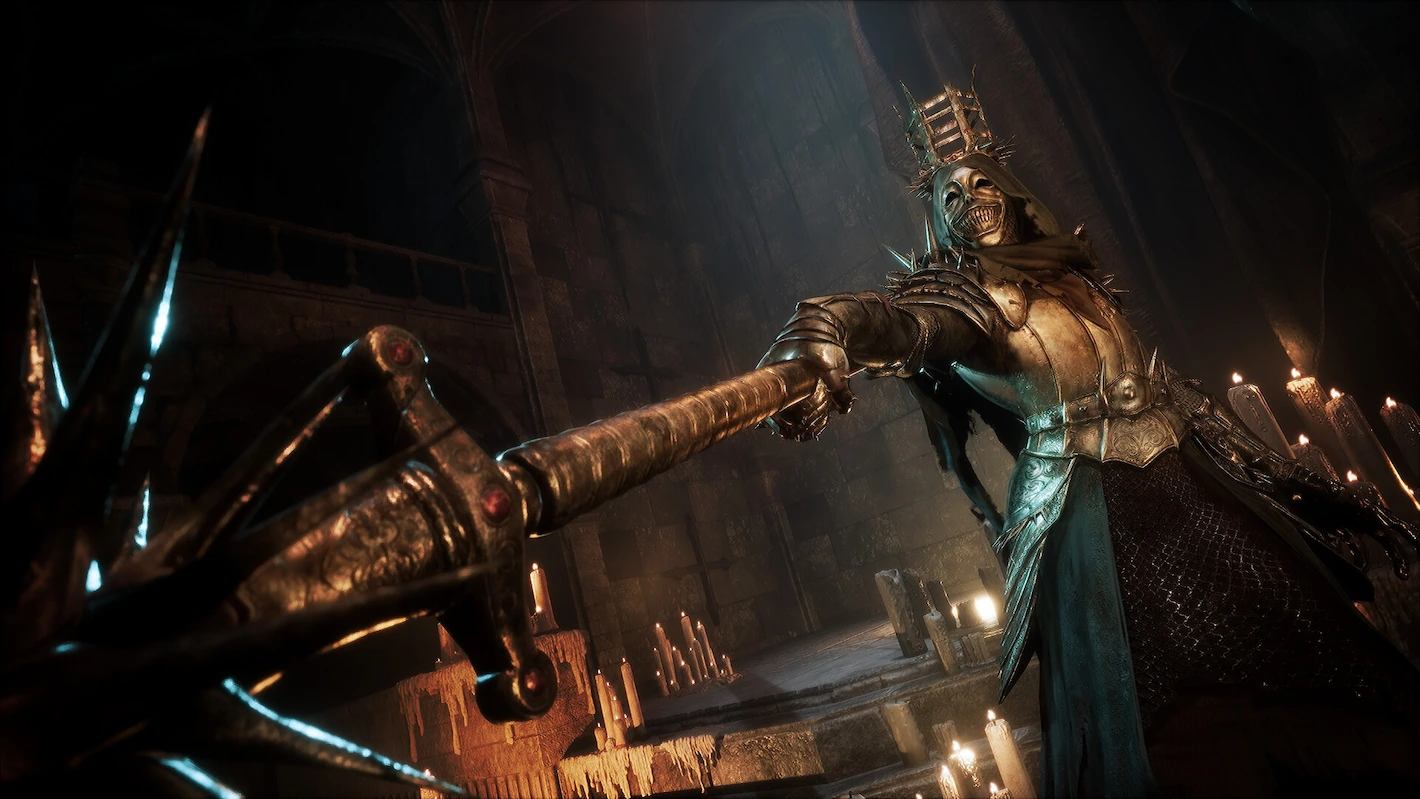
The boss focus is the strongest preview hook. PC Gamer reported that The Relic: First Guardian has a large number of boss fights, with some coverage mentioning over 70 boss encounters and another preview discussing over 80 Brutals, each with its own story or tragic background. The exact number may depend on how the studio labels major bosses, Brutals and encounters, but the message is clear: boss fights are not a side feature. They are central to the identity of the game. That can be very good or very dangerous. A game built around bosses needs variety. If the bosses only look different but play the same, the idea will collapse. If each fight has a different rhythm, a different emotional setup and a different mechanical problem, then The Relic could become one of those games where players remember specific fights long after finishing it. The tragic boss angle is also interesting. A monster with a backstory does not automatically become meaningful, but it can change how the fight feels. When a boss is tied to grief, loss or corruption, the battle can carry more weight than “kill the big thing.” The important part will be restraint. If every boss screams tragedy too loudly, the idea can become melodrama. If the game lets the player discover the story through journals, environment and aftermath, it could work much better. For pcdoorz, this is the part to watch hardest. The Relic will not be judged only by how many bosses it has. It will be judged by how many of them feel worth remembering.
combat looks fast, aggressive and heavy
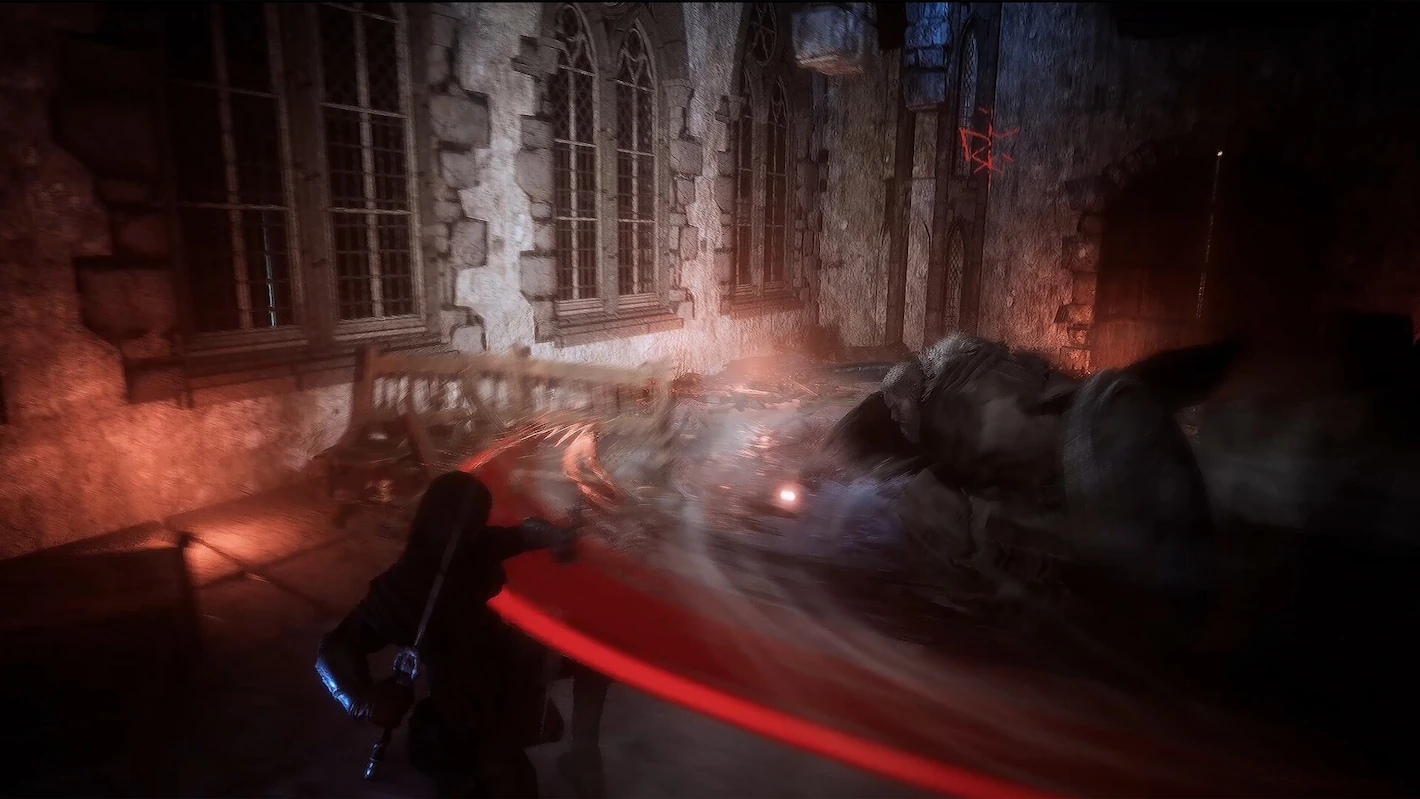
The combat footage shown so far suggests a game that wants both speed and weight. PC Gamer described stylish, fast-paced action with dashes, acrobatic movement, parry options and a stamina-free combat system, which means the game may not follow the slower Souls-style rhythm exactly. That is important. A lot of modern dark fantasy action RPGs get called soulslike immediately, but The Relic may be aiming for something more aggressive and more flexible. No stamina is a big design choice. It can make combat feel more open and more explosive, because the player is not constantly waiting for a bar to recover. It can also create problems if the game does not control enemy pressure, animation commitment and defensive timing carefully. Without stamina, the challenge needs to come from positioning, timing, enemy patterns, punish windows and smart encounter design. Otherwise combat can become too spam-heavy. The weapon variety also sounds important. Early reporting mentions more than 50 weapons, which suggests the game wants players to build a combat identity around gear rather than one fixed hero style. Big blades, fast weapons, shields, parries and acrobatic attacks can all support different playstyles if the system has enough depth. The risk is that a large weapon count can become cosmetic if too many weapons feel similar. The Relic needs weapons that change how the player approaches space, enemies and boss pressure. The best version of this combat would be aggressive but readable. Fast but not weightless. Stylish but not chaotic. If Project Cloud Games can hit that balance, The Relic could stand apart from the usual action RPG crowd.
no traditional leveling could make builds more interesting
One of the more unusual details is the progression system. The Relic: First Guardian is reportedly moving away from traditional level-based character growth. Instead, player strength and playstyle are tied to weapons, runes, items and crafting choices. PC Gamer specifically notes that the game is not built around standard RPG leveling, which could make builds easier to change and more dependent on equipment decisions. That is a strong idea if it works. Level systems can be satisfying, but they can also trap the player into one build too early. A gear-first system could encourage experimentation. If a player finds a new weapon or rune combination, the game can immediately open a different combat style without forcing hours of grinding. That fits an action RPG where boss fights and combat identity seem central. But this system needs careful balancing. If gear is everything, loot quality and crafting depth become extremely important. The game must avoid turning progression into random stat chasing. Runes, crafting and weapons need to create meaningful decisions, not just slightly bigger numbers. The player should feel like a build is being shaped, not just equipped. This could become one of The Relic’s best features. It could also become one of its biggest problems if the economy, loot drops or crafting materials feel messy. For now, it is one of the main reasons the game is more interesting than a simple dark fantasy combat trailer.
the world needs to be more than a path between bosses
Early coverage describes The Relic as taking place in a semi-open world. That gives the game room to breathe, but it also creates expectations. A semi-open action RPG needs strong routes, secrets, optional fights, environmental storytelling and reasons to explore. If the world only connects one boss arena to another, the structure may feel thin. The folklore and tragedy angle could help here. A village, forest, shrine or battlefield should not only be a backdrop. It should carry the story of what happened there. Boss journals are a good start, but the environment itself needs to speak. Broken homes, abandoned weapons, strange rituals, weather changes and enemy placement can all tell the player what kind of place they have entered before dialogue explains it. The world also needs pacing. Too many boss fights without quieter exploration can become exhausting. Too much empty wandering between fights can make the game feel stretched. The Relic needs a strong rhythm: investigation, discovery, danger, combat, consequence, and then another reason to continue. If Project Cloud Games can make the world feel like a place haunted by the bosses rather than a map filled with them, the game will have a much stronger identity.
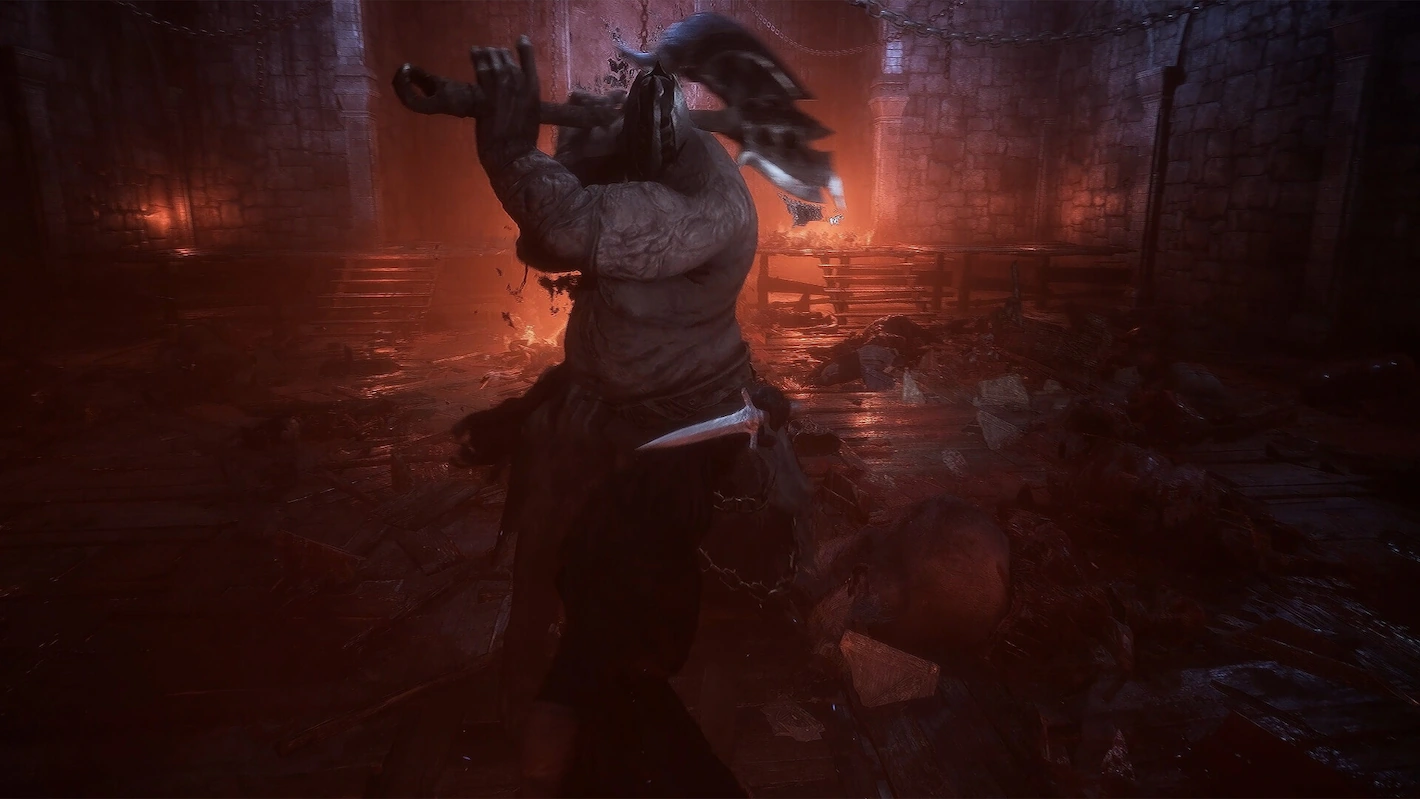
The Relic: First Guardian is preview-worthy because it has a real identity forming around it. Dark fantasy action RPGs are common now, but this one has several details worth watching: Korean folklore influence, tragic boss stories, no traditional leveling, gear-and-rune build shaping, stamina-free combat and a large boss roster. That is enough to separate it from a normal “new action RPG announced” article. The cautious side is also clear. We need to see more real gameplay, boss variety, PC performance, build depth and world structure. Trailer mood is not the same as a full game. A large boss count is not automatically better. No stamina can either create freedom or remove tension. Gear-first progression can either make builds flexible or turn progression into item noise. These are the questions that will decide whether The Relic becomes genuinely strong or only looks strong before release. For now, the right tone is interested but not blind. The game has style. It has a hook. It has a studio trying to make something with a different folklore texture. That deserves attention, especially from PC players who like action RPGs with heavy atmosphere and dangerous combat.