
PREVIEW | THE BLOOD OF DAWNWALKER | THE 30-DAY CURSE
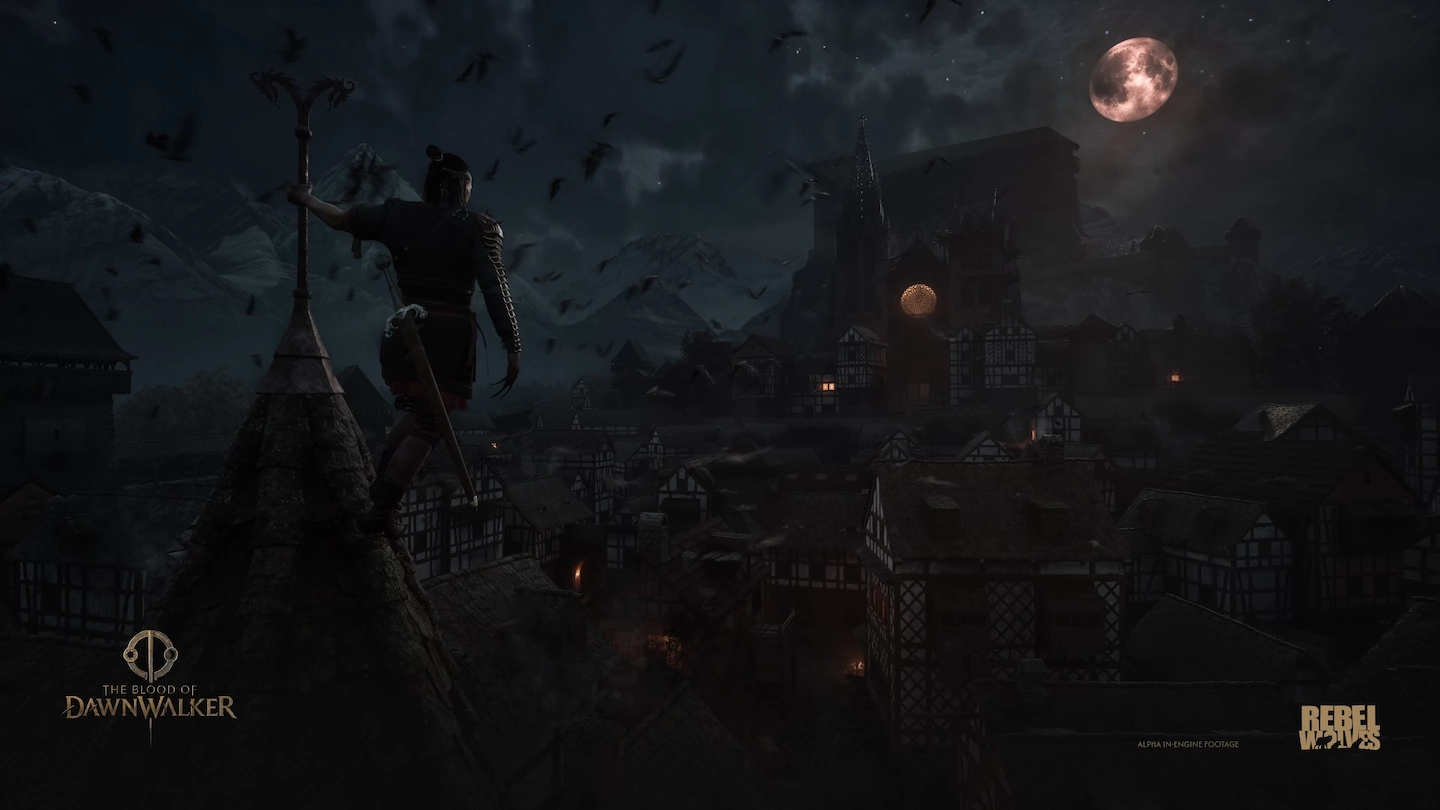
A medieval valley under vampire rule, a family running out of time and a protagonist trapped between human weakness and monstrous hunger give The Blood of Dawnwalker a sharper identity than another dark fantasy RPG with swords, castles and blood on the stone. Rebel Wolves is not selling only mood here. The studio is building its first major game around pressure, dual nature and consequence, with Coen moving through a world where daylight and night are not just visual filters, but two different states of survival. The game is currently planned for September 3, 2026, with PC, PlayStation 5 and Xbox Series X/S listed as platforms, while Rebel Wolves develops and Bandai Namco publishes the project. The premise is simple enough to understand quickly, but strong enough to carry a real RPG structure. Coen has 30 days and nights to save his family, and that limit immediately changes the usual fantasy adventure rhythm. This is not a hero wandering forever until the main quest politely waits for him. The world has a clock, the story has a deadline, and the player has to decide what is worth spending time on. That alone gives The Blood of Dawnwalker a stronger dramatic shape than many open-world RPGs that talk about danger while letting the player ignore danger for dozens of hours.
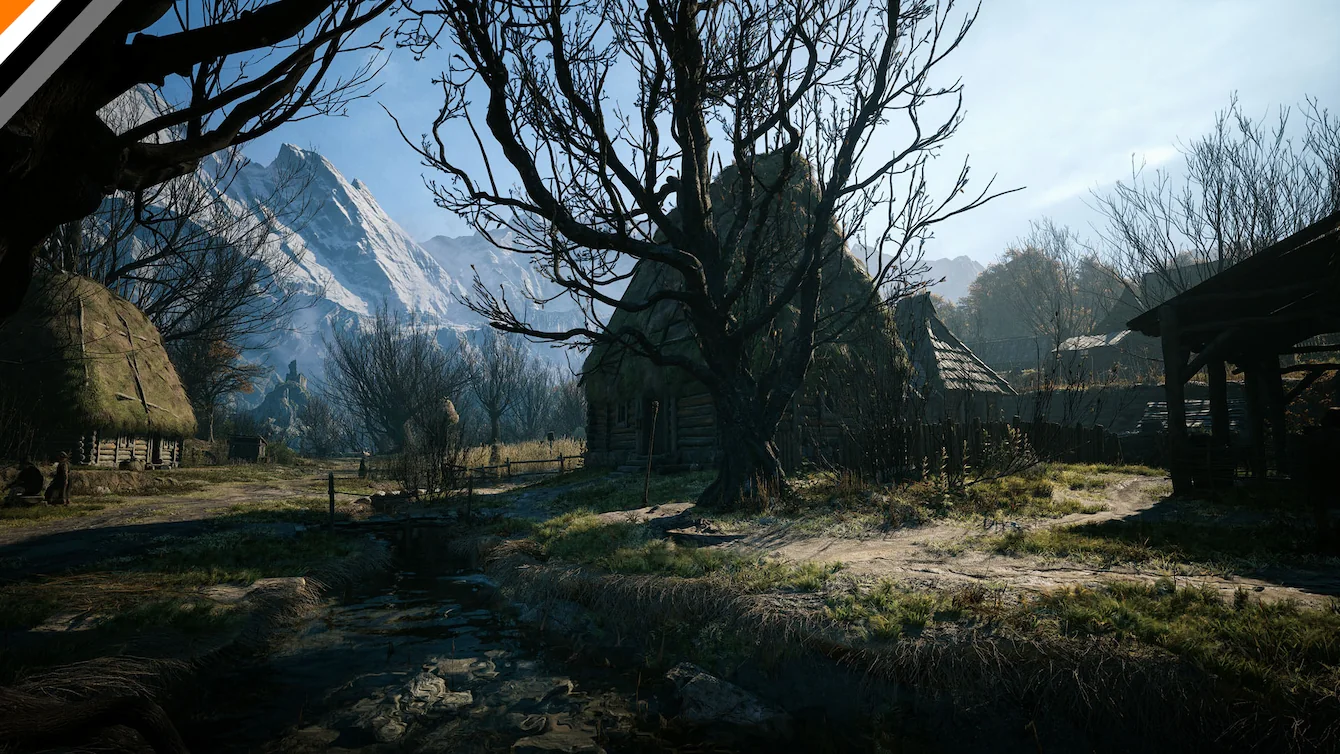
a dark rpg built around time, not just vampires
The most important idea behind The Blood of Dawnwalker is not simply that Coen is part human and part vampire. The stronger idea is that his condition exists inside a limited campaign structure. The game gives him 30 days and nights to reach the central goal, but the timer is not designed as constant punishment for walking, looking around or exploring. Reported details describe a system where meaningful quest actions move time forward, while exploration itself does not automatically burn the calendar. That difference matters a lot, because a strict countdown can easily ruin an RPG if it turns curiosity into a mistake. This is where the game could become more interesting than its vampire fantasy suggests at first glance. Time is not just a number in the corner. It can become a resource. Taking one quest may mean losing the chance to solve another. Helping one person may leave someone else exposed. Preparing Coen properly may make him stronger, but preparation itself has a cost if it pushes the calendar forward. The best version of this system would make every larger decision feel slightly uncomfortable, not because the game is trying to annoy the player, but because Coen’s situation is supposed to be uncomfortable. That structure also gives the narrative more bite. Many RPGs promise consequences, but consequences often arrive late, safely hidden in ending slides or reputation changes. Dawnwalker sounds more direct. If time moves when the player commits to important actions, the consequences sit inside the journey itself. The world does not need to shout every outcome. It only needs to make the player feel that each completed task has taken something away from the remaining window. For a dark fantasy RPG, that is a much better foundation than simply adding more monsters, more blood and more ruined villages.
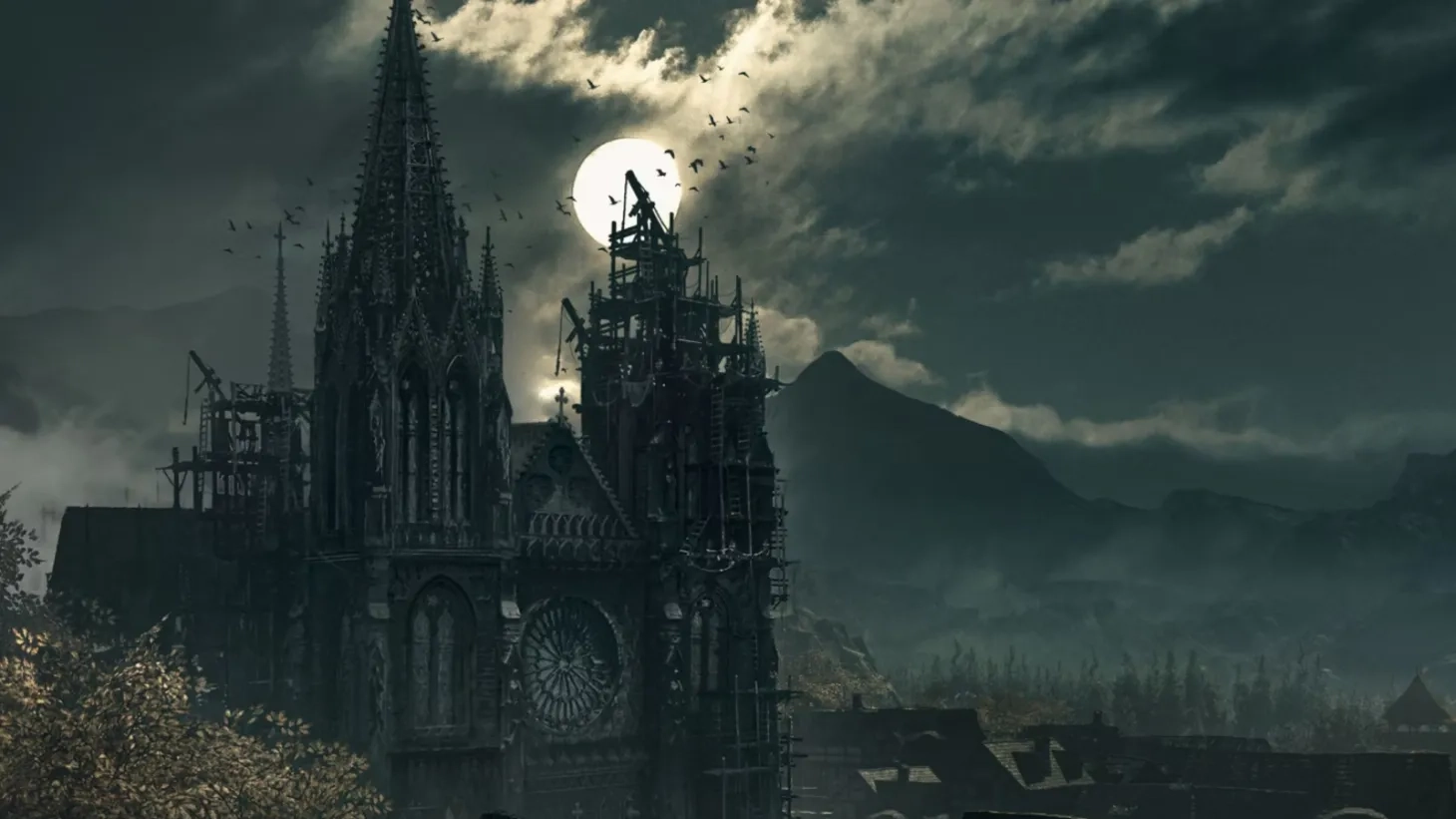
human by day, vampire by night
Coen’s split nature gives The Blood of Dawnwalker its second major hook. During the day, his human side appears to lean toward grounded swordplay, social contact, investigation and less direct solutions. At night, the vampire side opens a more aggressive and supernatural toolset, including movement and combat abilities that change how the player can approach the same world. Reports have described vampiric traversal, wall movement, quick repositioning and more violent night-time options, while daylight leaves more room for human interaction and problem-solving. That day-and-night split is important because it can give quests two different lives. A village during daylight can be a place of conversation, suspicion and fragile alliances. The same location at night can become a hunting ground, a stealth route or a place where Coen’s power makes him more dangerous but less human. If Rebel Wolves uses this properly, the player will not only ask where to go, but when to go there. The same objective could feel different depending on whether Coen arrives as a man still capable of passing through society, or as something that belongs more to the rooftops, shadows and blood. The risk is that the system becomes cosmetic. A vampire night mode is not enough by itself. The game needs quests that actually respond to Coen’s condition, not just enemies that behave differently after sunset. A daytime solution should not feel like the slower version of the “real” night-time route. A night-time attack should not simply become the cool option every time. The strongest version of Dawnwalker would make both sides useful, dangerous and morally complicated. Being human should have advantages. Being a vampire should have power. Neither side should feel completely safe.
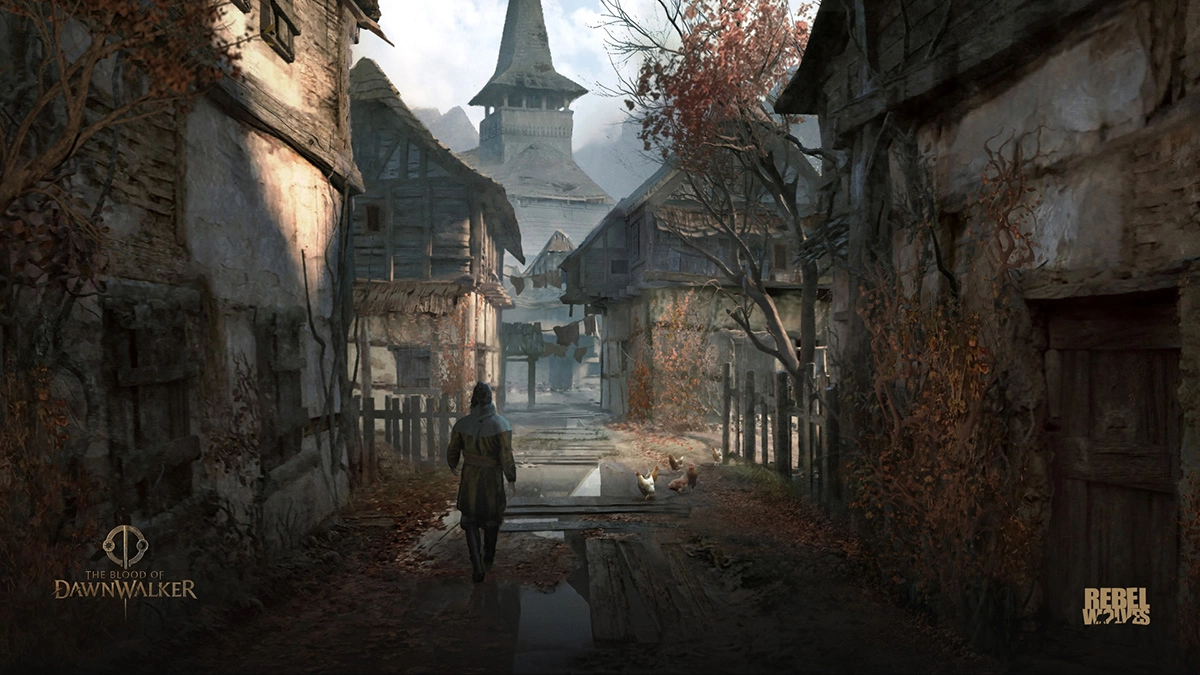
combat needs weight, not only style
The Blood of Dawnwalker is being presented as an action RPG, so its combat will matter as much as its premise. A strong story structure can bring players in, but weak combat can make even the best RPG concept feel like work. Early descriptions point toward melee fighting, supernatural abilities and a different combat identity depending on Coen’s state. Daytime combat appears more grounded, while night-time play leans harder into vampiric force, mobility and blood-driven aggression. That kind of contrast can work very well if the game gives both systems enough precision. Sword combat needs impact, timing and readable enemies. Vampire combat needs speed and danger without turning into visual noise. The player should feel the difference between holding a line as a human and tearing through space as something less restrained. The best action RPGs do not only give the player abilities. They make those abilities feel connected to the character’s body, fear and limits. Dawnwalker has the setup for that. Coen is not just unlocking powers because the skill tree needs more icons. His powers are part of the curse, and the combat should make that clear. The other major question is enemy design. A vampire RPG can easily become repetitive if every encounter is just another guard, beast or dark creature waiting to be killed. The world needs pressure from different directions: human enemies who fear or hunt Coen, supernatural forces that understand what he is becoming, and situations where fighting is possible but not always wise. If Rebel Wolves manages to connect combat with consequence, Dawnwalker could avoid the usual action RPG trap where every problem eventually becomes a battle arena.
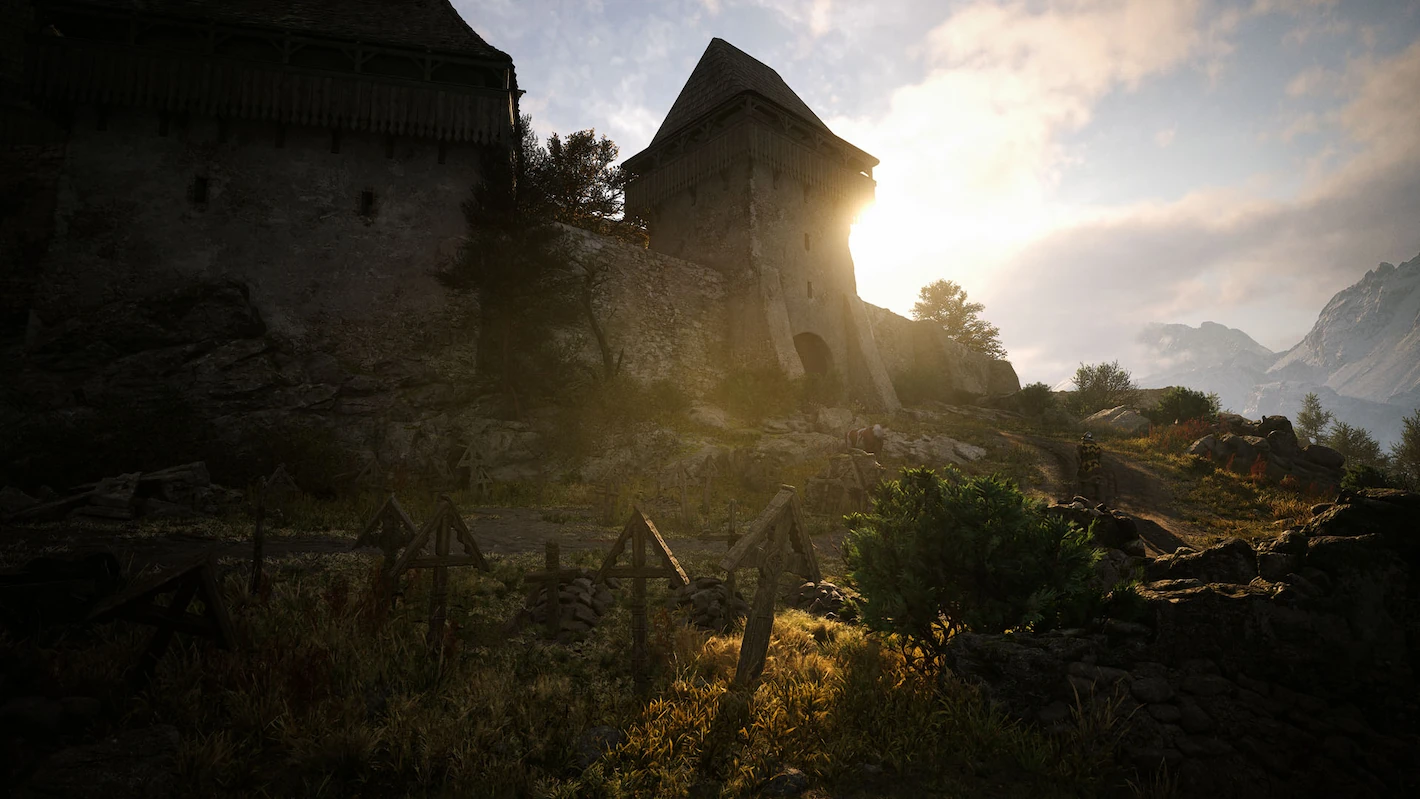
the witcher shadow is real, but it should not define the game
The Witcher comparison will follow this project everywhere, and there is no point pretending otherwise. Rebel Wolves includes developers with major CD Projekt history, including Konrad Tomaszkiewicz, who directed The Witcher 3. That connection gives The Blood of Dawnwalker instant attention, especially among players who still want dense quests, morally dirty choices and a world that feels shaped by people rather than checklist design. But the comparison can also damage the game if it becomes the only way people talk about it. The Blood of Dawnwalker does not need to be “The Witcher with vampires.” That is too small and too lazy for what the project seems to be attempting. The stronger pitch is a dark fantasy narrative sandbox where time, identity and quest order matter. Coen is not Geralt with fangs. His problem is different, his pressure is different, and the structure around him looks more compressed. The Witcher 3 had the feeling of a massive journey through a wounded world. Dawnwalker seems more like a tightening circle. That difference is useful. A smaller, sharper RPG can sometimes hit harder than a huge one. If the 30-day structure makes the world feel urgent, Rebel Wolves does not need to chase endless scale. It needs dense design. It needs quests with weight, routes that feel intentional and consequences that players can understand without needing a spreadsheet. A valley that reacts properly can be more memorable than a giant map filled with polite distractions.
why this one deserves attention
The Blood of Dawnwalker stands out because it has a real mechanical question at its center: what does the player sacrifice when time is limited? That question is stronger than “how big is the map” or “how many abilities are in the skill tree.” It also fits the vampire theme better than a normal power fantasy would. Vampires are not interesting only because they are strong. They are interesting because power usually comes with hunger, isolation, danger and compromise. Coen’s situation seems built around that tension. The game also arrives at a moment when many RPGs are trying to sound reactive, but not all of them are willing to build systems that can actually support failure. Dawnwalker’s reported structure, with non-linear questing and time passing through meaningful actions, suggests a project that wants consequences to be part of normal play rather than rare special moments. That is ambitious. It is also risky. If the player feels punished for engaging with content, the system could become frustrating. If the game is too soft, the 30-day curse could become decorative. The balance has to be exact. That balance is what makes this preview interesting. We do not know yet whether Rebel Wolves will land everything, but the design goals are strong enough to justify attention before release. This is not just a vampire game. It is an RPG trying to make time, power and moral discomfort work together. That is enough to separate it from darker games that rely mainly on atmosphere and monster design.