
PREVIEW | NOBLEMEN: 1941 | COMMAND THE WAR, FIGHT THE BATTLE
The year is 1941, but history has already broken apart. A devastating plague has reduced the world’s population, food and resources have become scarce, religious dogma has replaced reason in many places, and the surviving nations are fighting a war filled with technology and creatures that never belonged in the real Second World War. Noblemen: 1941 takes that ruined setting and builds a hybrid around it, combining third-person shooting with large-scale real-time strategy, tactical command and RPG progression. Developed and published by Foursaken Media, the game places players in control of a Nobleman, one of the few individuals wealthy and powerful enough to possess superior armor, specialized weapons and a personal army. Battles are not designed as isolated shooter missions where friendly soldiers exist only as moving scenery. Players recruit units, deploy defenses, manage resources, protect supply lines, capture important positions and personally enter combat alongside infantry, artillery, tanks, mechs and experimental troops. Noblemen: 1941 is currently planned for PC in 2026, and while the footage shown so far cannot prove how smoothly all these layers will work together, its combination of alternate history, battlefield command and direct action already gives it a stronger identity than another conventional World War II shooter.
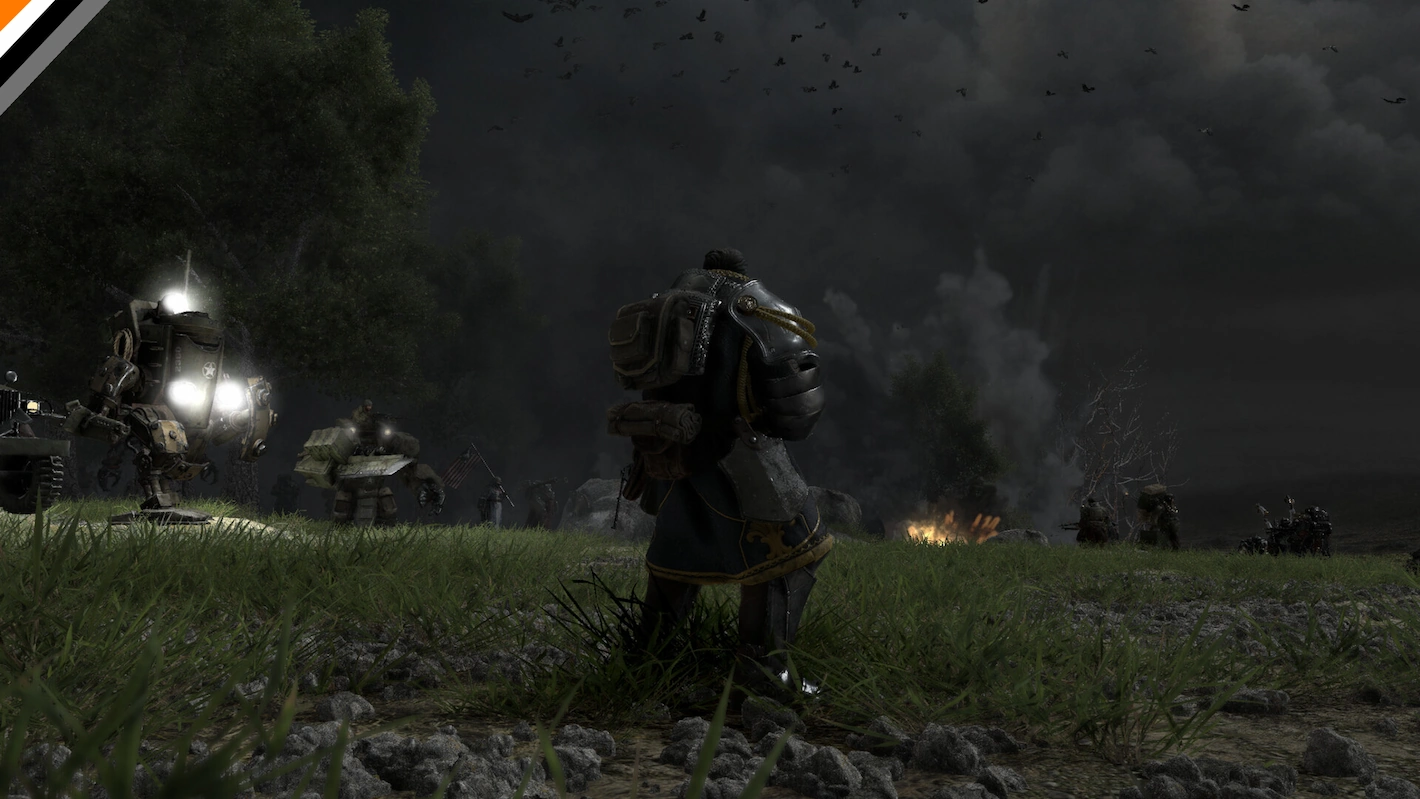
a second world war that never existed
Foursaken Media is using recognizable history as a foundation rather than a restriction. Locations, military structures and several battlefield situations draw from the real war, but the Great Plague has pushed this timeline toward something much darker and less predictable. Heavy armor and shields return to modern battlefields, soldiers fight at close range beside firearms, and experimental technology has developed into battle suits, mechs and other machines capable of changing the balance of an engagement. The enemy roster moves even further from history through plague-infected ghouls and vampires, turning some battles into a collision between industrial warfare and gothic horror. That mixture could easily become visual noise, but the strongest material shown so far treats these elements as consequences of the same broken world rather than separate ideas forced together for spectacle. Scarcity, disease and ideological collapse have changed the direction of technology and the way nations use their soldiers. The result is not a clean dieselpunk fantasy filled only with impressive machines; it is a world that appears exhausted, muddy and desperate, where advanced equipment exists beside ruined settlements and human forces that can no longer afford conventional limits. The setting gives Noblemen: 1941 room to surprise the player without abandoning the strategic language of the period. Artillery, fortified positions, suppression and armored movement still matter, but the appearance of a heavily protected Nobleman or an unnatural plague creature can force an army to respond to something that no historical doctrine was designed to handle.
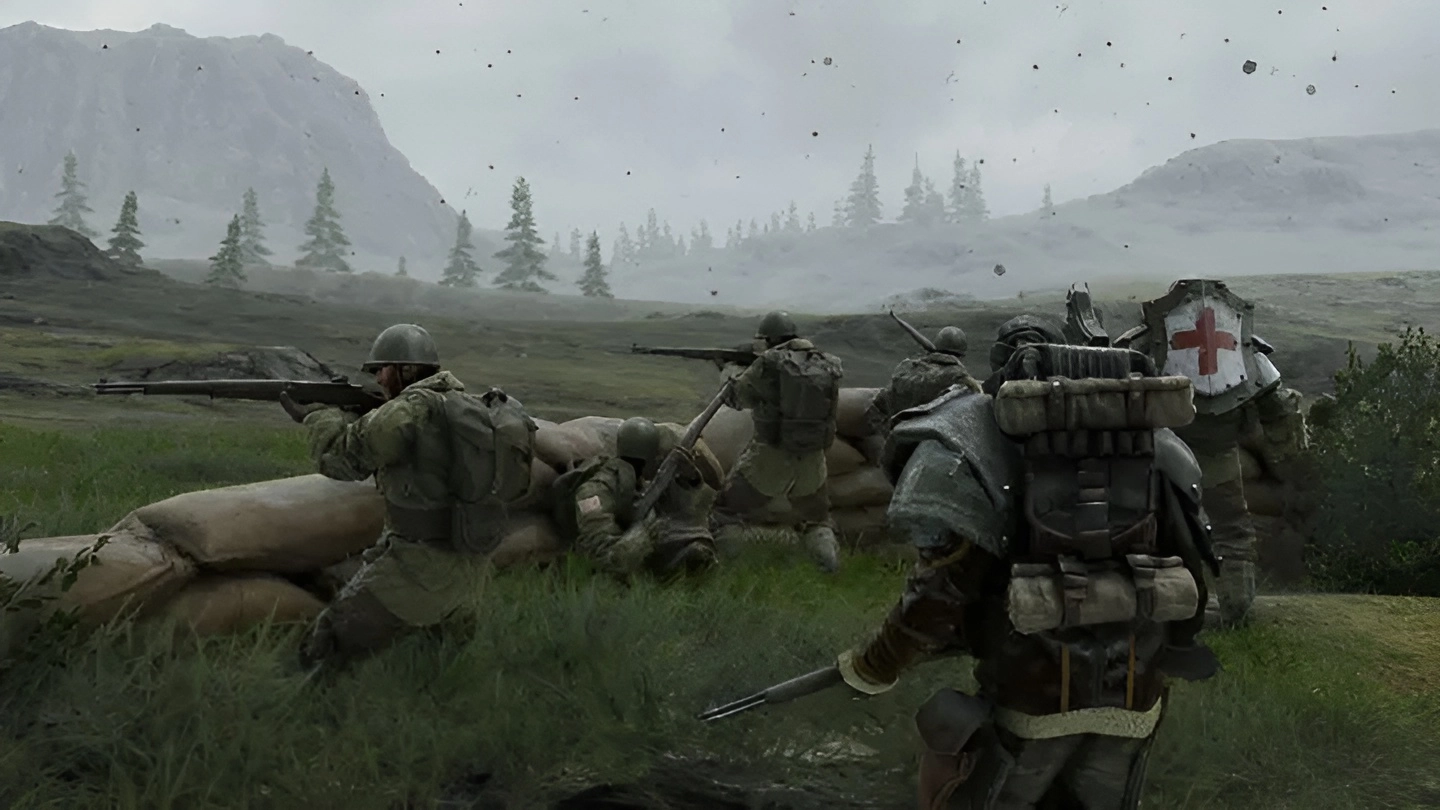
the commander does not remain behind the map
The central promise is the ability to move naturally between issuing orders and participating in the battle. Players can recruit different unit types, place them where their strengths matter and then fight beside them from a third-person perspective. Tactical Pause can be activated when more precise control is needed, allowing specific commands to be given without demanding the speed of a traditional competitive RTS. That should make the strategic layer accessible without reducing it to a collection of automatic support abilities. Infantry, armor, artillery and specialist units each have counters and practical battlefield roles, while fortifications and constructed positions can reshape the ground before or during an attack. The player-controlled Nobleman acts as more than an observing general. Direct combat skill, equipment and positioning can influence the outcome, especially when ordinary troops need support against armored or experimental enemies. This creates an appealing division of responsibility: the army establishes control across the battlefield, while the Nobleman can intervene wherever the line begins to fail. The danger is that one half of the design may overpower the other. If the player character can eliminate entire formations alone, unit command becomes decorative. If the Nobleman feels weak or slow compared with the larger strategic tools, entering combat may become an unnecessary risk. Foursaken Media will need to ensure that personal action and military planning solve different problems, allowing the player to feel powerful without making the rest of the army irrelevant.

combat built around pressure and penetration
Noblemen: 1941 is not describing its gunplay as a simple arcade system. Armor penetration, projectile behavior, suppression, morale and battlefield awareness are intended to determine how units respond and how effectively weapons perform against different targets. Soldiers exposed to sustained fire may lose effectiveness even when they are not immediately killed, while armored opponents should require the correct ammunition, weapon type or tactical angle rather than a larger number of ordinary hits. Unit AI is being modeled around period combat doctrines, with soldiers expected to seek useful positions and engage according to their role. These systems could give the large battles more credibility because victory would depend on creating pressure, breaking organization and using combined arms instead of merely reducing visible health bars. Noblemen also possess abilities capable of changing the local situation, including artillery support, air attacks and rapidly constructed battlefield structures. The mixture sounds broad, but it needs clear feedback. Players must understand when an attack failed because of armor, poor positioning, low morale or an unsuitable unit, especially while simultaneously controlling a character in third person. Too much invisible simulation could make defeat feel arbitrary, while excessive interface information could interfere with the scale and atmosphere of combat. The best solution would allow the battlefield itself to communicate what is happening: troops refusing to advance under heavy fire, rounds failing against armor, officers attempting to restore control and defensive lines visibly weakening before they collapse.
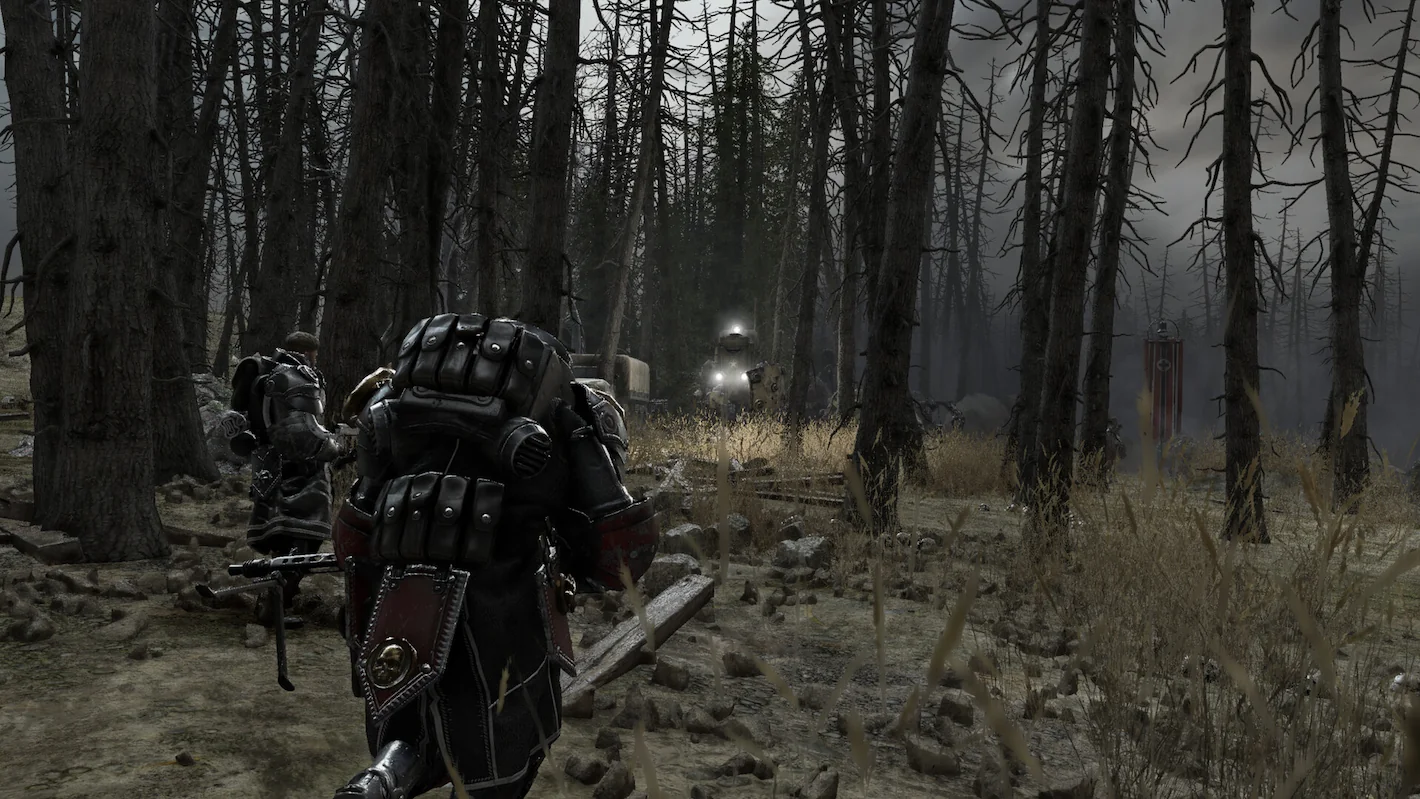
three nations, three different wars
The campaign will include three playable nations, each with its own Noblemen, units, equipment, abilities and strategic identity. Foursaken Media describes the factions as asymmetrical, meaning the difference should go beyond uniforms and slightly adjusted weapon statistics. One nation may depend on stronger armor or disciplined formations, another on mobility and support abilities, while a third could make heavier use of experimental technology or less conventional troops. Each faction receives its own single-player campaign, allowing the wider conflict to be viewed from several positions rather than through one supposedly neutral hero. This structure could also strengthen the worldbuilding. A ruined alternate 1941 should not be understood in the same way by every nation, particularly when propaganda, religion, disease and access to technology have reshaped society. The Noblemen themselves may represent different interpretations of leadership: national symbols to some people, necessary protectors to others and privileged commanders sacrificing ordinary soldiers from a safe social position. The official material already contrasts heroic language about Noblemen carrying the burden of war with a colder description of common people as pieces moved across a board. That tension could give the campaigns more weight if the writing is willing to question the power fantasy instead of simply celebrating it. Three factions also improve replay value, but only if their campaigns, battlefield tools and strategic pressures genuinely demand different thinking.
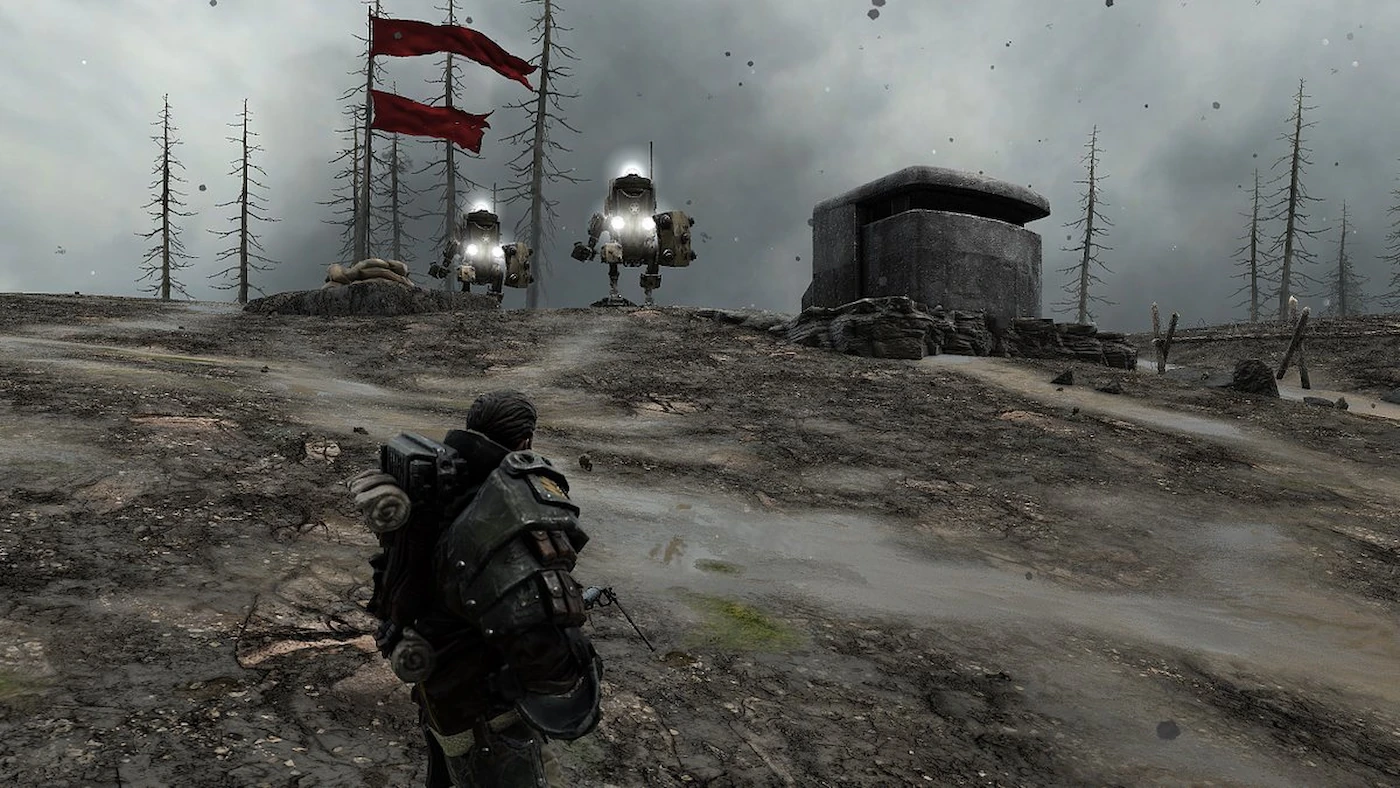
from battlefield victories to a wider campaign
Individual engagements sit inside a larger real-time campaign where resources, logistics, defenses and territorial control continue to matter. Players plan attacks, capture and protect important locations, reinforce positions and maintain the practical systems that allow armies to keep fighting. The strategic map is intended to evolve as multiple factions move and contest territory, giving each battle consequences beyond completing a mission objective. A captured location may open a route, protect supplies or provide resources needed for future operations, while losing a defensive position can expose territory that appeared secure. Character progression runs beside this military development. Noblemen gain experience, move through skill trees, unlock new abilities and customize a mixture of historical and fictional equipment. This should create two connected forms of growth: the individual commander becomes more capable, while the campaign provides access to stronger units and broader strategic options. Noblemen: 1941 therefore has the potential to create battles that feel earned by earlier decisions rather than selected from a menu. A successful offensive might begin with resource management and positioning long before the player enters the field. The major uncertainty is pacing. Strategic management must remain meaningful without repeatedly delaying the third-person combat, while battles need enough variety to prevent the campaign from becoming a sequence of similar assaults against fortified locations.