PREVIEW | COMPANY OF HEROES 3: FINAL STAND | A DIFFERENT KIND OF COMPANY
Company of Heroes has never been a series that chases trends, and that’s one of the reasons it has remained relevant for so many years. Instead of relying on massive armies or flashy spectacle, it has always rewarded smart tactics, careful positioning and making the right decision when the battlefield is at its most chaotic. Final Stand keeps those familiar foundations intact, but it also introduces one of the biggest changes the franchise has attempted in years. Rather than delivering another traditional campaign or expanding the competitive multiplayer formula, this standalone experience leans into roguelite progression and relentless wave-based survival. It’s a direction few expected, yet after seeing what Relic has revealed so far, it feels less like a gimmick and more like an interesting way to experience Company of Heroes from a completely different angle.
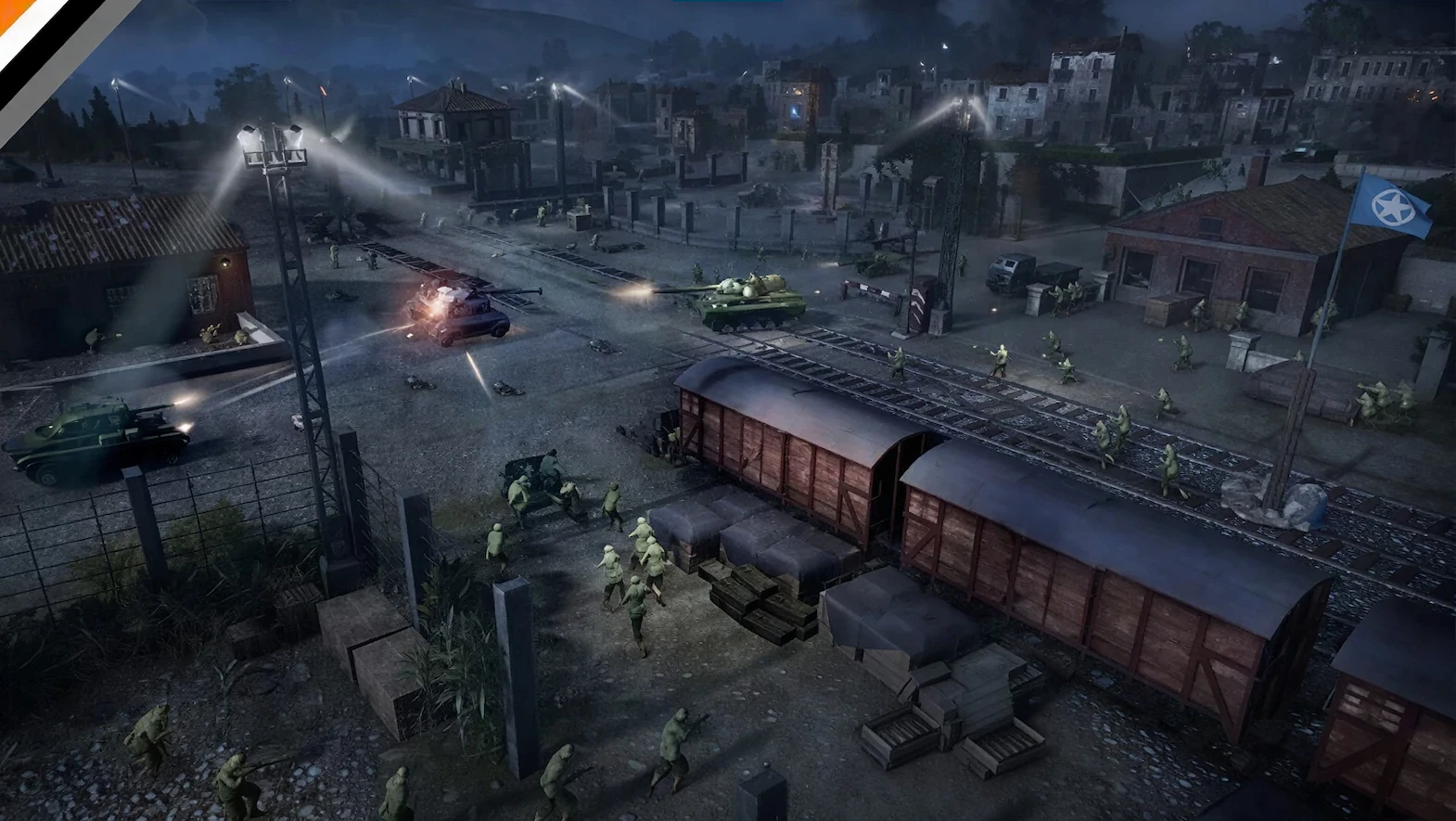
At first glance the concept sounds unusual, perhaps even risky. Company of Heroes has always been about adapting to unpredictable battlefields, but surviving against increasingly dangerous enemy waves while permanently improving your forces between runs introduces a completely different rhythm. Instead of focusing on capturing territory across large maps, Final Stand asks a much simpler question: how long can your army survive when every new assault becomes more dangerous than the last? Surprisingly, that question may be exactly what gives this project its identity.
a different kind of war
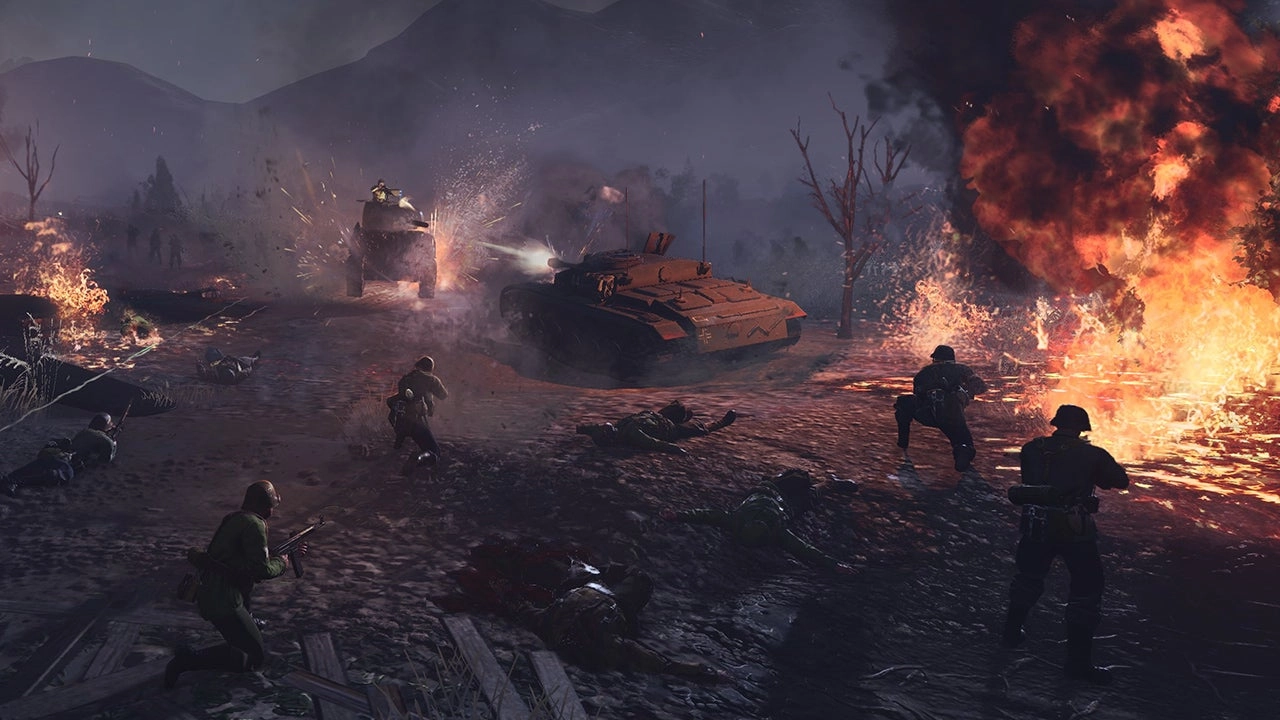
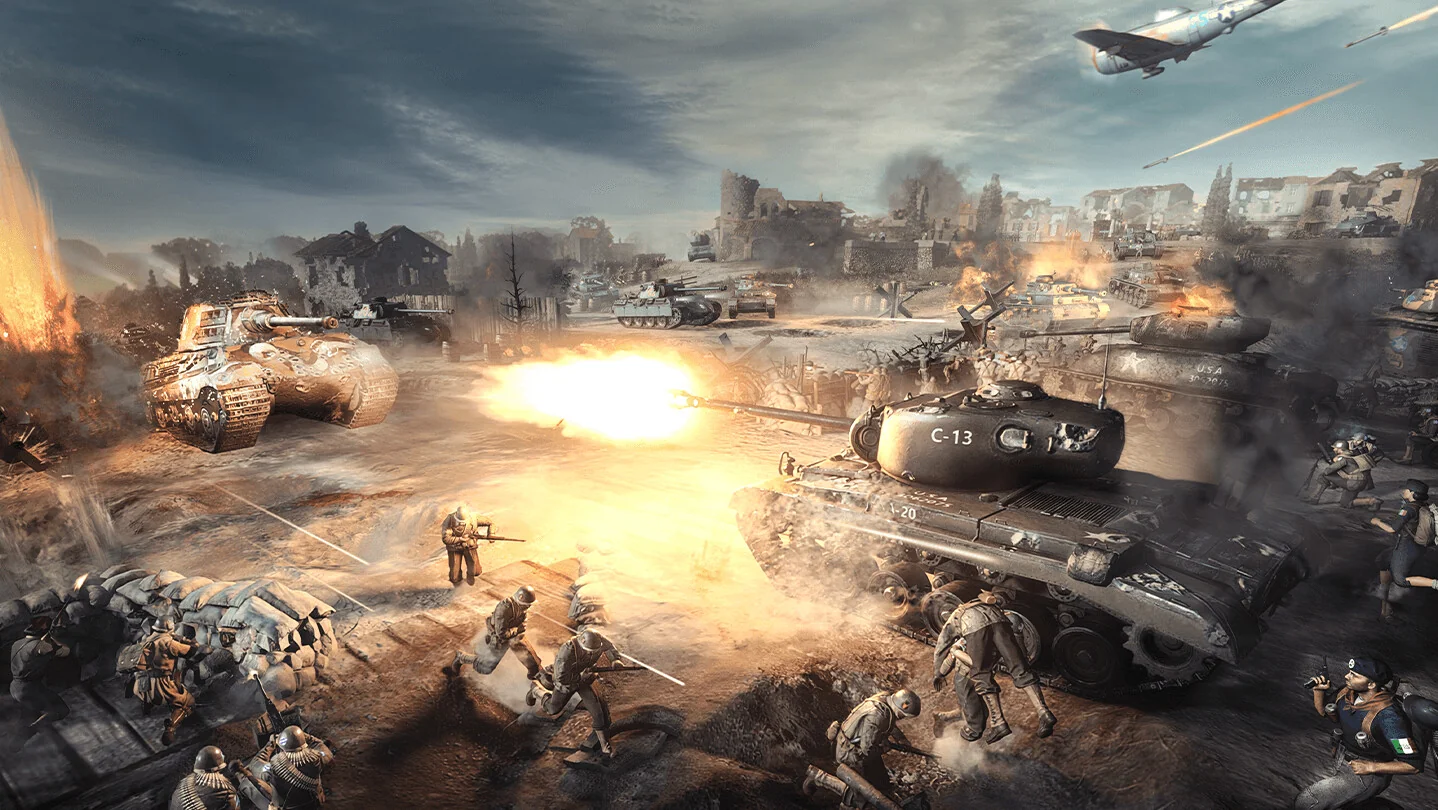
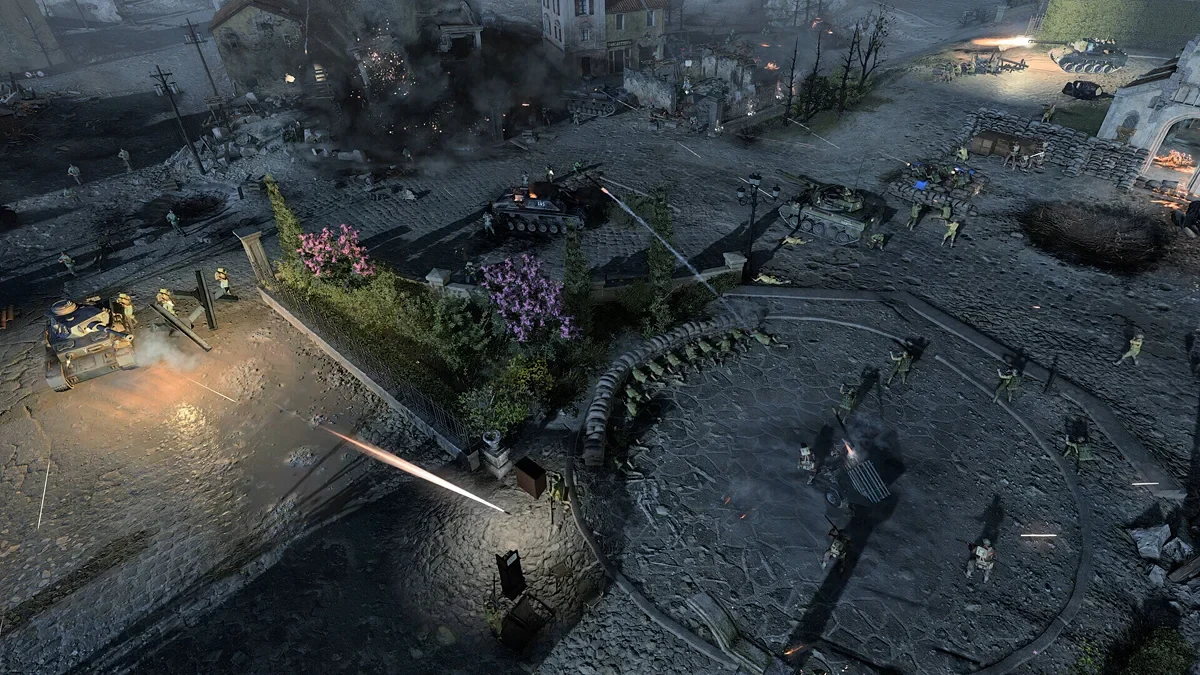
The core gameplay revolves around defending strategic positions through twelve escalating waves before eventually unlocking Endless Mode for those confident enough to keep fighting. Every completed wave grants new opportunities to strengthen your army, encouraging players to experiment with different upgrades, commander abilities and tactical approaches. Since every run unfolds differently, adapting on the fly appears to be just as important as planning ahead. Relic has also confirmed four playable factions, multiple difficulty levels and dozens of special events capable of changing the flow of a match. Enemy commanders won’t simply send larger armies your way they’ll introduce entirely new battlefield problems that force players to rethink their strategy. Boss encounters, elite units and dynamic battlefield modifiers should prevent matches from becoming repetitive, something wave-based games often struggle to avoid. Perhaps the most interesting aspect is that the developers aren’t trying to replace traditional Company of Heroes gameplay. Unit positioning, cover mechanics, suppression and tactical decision-making remain at the center of every battle. Instead, Final Stand places those familiar mechanics inside a faster, more replayable structure where each failed attempt becomes another opportunity to improve during the next run.
roguelite meets rts
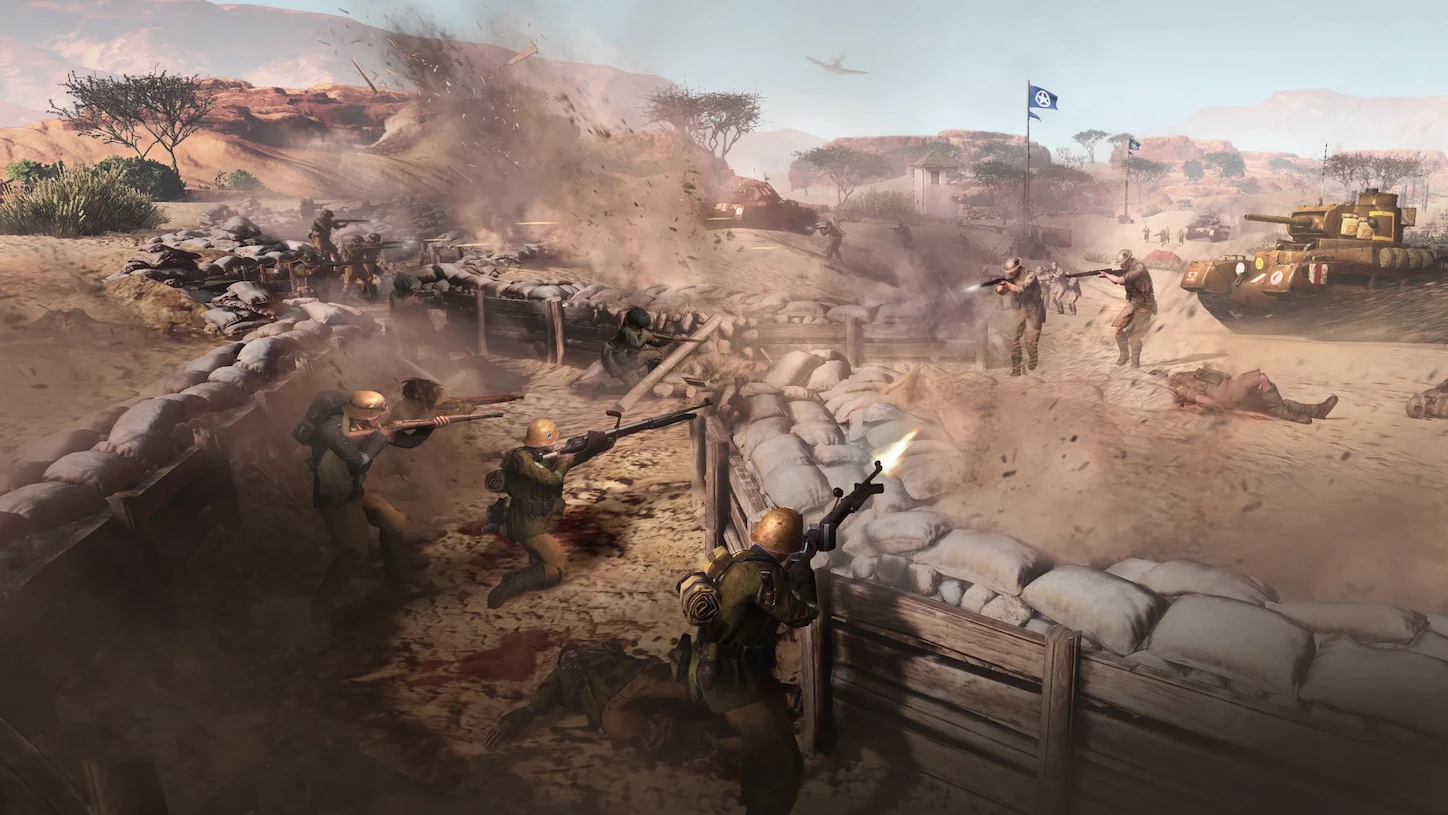
The combination of roguelite systems and real-time strategy isn’t something we see very often, especially from a franchise this established. While countless action games have successfully embraced procedural progression over the past decade, RTS developers have generally remained conservative. Final Stand looks ready to challenge that trend. Permanent progression appears designed to reward experimentation rather than punish failure. Unlocking new upgrades, commander paths and tactical options should gradually expand the number of viable strategies instead of simply making future attempts easier. That’s an important distinction because Company of Heroes has always been at its best when players are encouraged to think creatively instead of relying on one optimal solution. The addition of cooperative play could also become one of the mode’s biggest strengths. Defending increasingly impossible odds alongside another player naturally fits the defensive nature of Company of Heroes, and coordinating artillery, armor and infantry roles has the potential to create some genuinely memorable moments.
more than a side project
It’s easy to dismiss standalone expansions as smaller experiments, but Final Stand doesn’t look like a simple bonus mode packaged into an existing game. The amount of confirmed systems, enemy variety, progression mechanics and replayability suggests that Relic is treating this as a substantial experience in its own right. Whether longtime veterans will embrace the roguelite direction remains an open question. Some players may miss the larger strategic campaigns and traditional multiplayer battles the series is known for. On the other hand, Final Stand isn’t trying to replace those experiences. Instead, it offers an alternative way to enjoy Company of Heroes while preserving the tactical depth that made the franchise successful in the first place. If Relic manages to balance progression carefully while keeping every run challenging and unpredictable, this could become one of the more refreshing strategy releases of the year. The idea may sound unconventional on paper, but sometimes established franchises need exactly this kind of calculated risk to stay exciting.