
PREVIEW | BLIGHT: SURVIVAL | MEDIEVAL STEEL AGAINST THE PLAGUE
Two kingdoms continue spilling blood across a disputed border while something far worse grows beneath the bodies left behind. The fallen do not remain silent, the infection spreads through a land already exhausted by war, and every expedition beyond the relative safety of camp becomes a decision between securing what has been found and risking everything for greater rewards. Blight: Survival is a third-person PvE action-horror game that combines heavy medieval combat with systems inspired by roguelites and extraction games. Players can enter alone or form a company of up to four warriors, fighting both hostile humans and infected creatures while advancing toward the source of the Blight itself. Developed by Haenir Studio and published by Behaviour Interactive, the PC project remains without a confirmed release date, but continued development updates and revised combat footage have transformed it into one of Steam’s most closely watched upcoming games. The project has already attracted more than 1.5 million wishlists, yet the developers have chosen not to rush toward a public launch before the rebuilt combat, mission structure and cooperative systems are ready to support the complete experience.
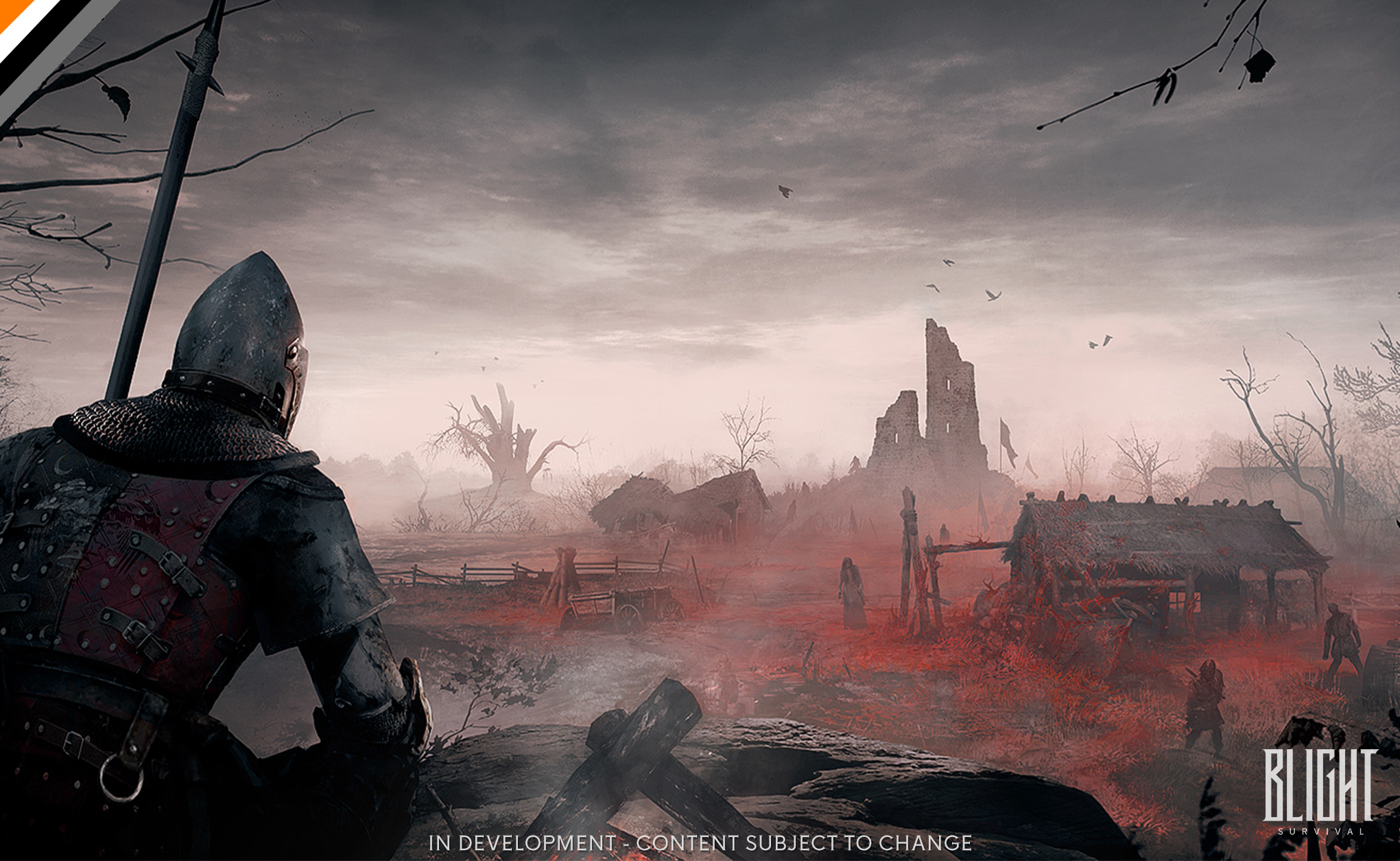
war created the perfect ground for something worse
Blight: Survival takes place in the no man’s land separating two kingdoms trapped in a seemingly endless conflict. Blood from the dead has fed a new strain of the Blight, allowing the affliction to spread through the contested territory and transform people into hostile creatures. With the kingdoms too consumed by their own war to respond effectively, the task falls to a group known as the Writhens, warriors prepared to enter the infected region and attempt to destroy the source. That setting gives the game a stronger foundation than simply placing monsters inside medieval scenery because human violence has not stopped simply because another threat appeared. Soldiers, bandits and competing interests continue occupying the same land, turning each expedition into a confrontation with enemies that require different responses. An infected figure may attack without self-preservation, while an armed human can defend, reposition, use armour and coordinate with others. The conflict between the two kingdoms also explains why the Blight has spread so rapidly: the land is filled with corpses, institutions are failing and those capable of organizing resistance remain focused on one another. The infection is not replacing the war but feeding upon it, creating a world where broken armour, temporary fortifications, ruined farms and contaminated settlements reveal how far the region had already fallen before the dead began moving again.
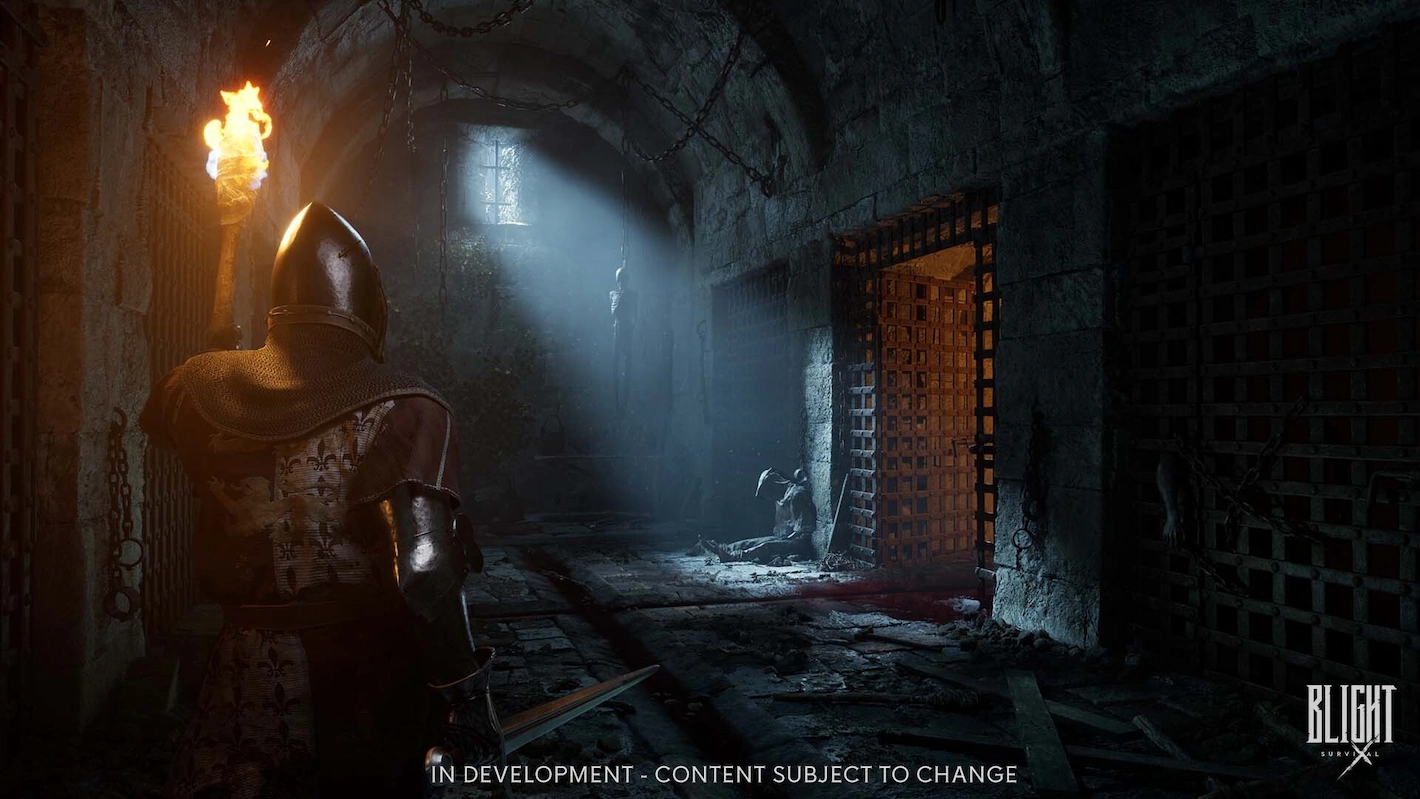
dangerous expeditions instead of a conventional open world
Despite its broad landscapes and exploratory presentation, Blight: Survival is not currently described as a conventional seamless open-world game. The intended structure instead revolves around mission-based regions connected to a central camp where players prepare, improve equipment and decide when to begin another expedition. That approach fits the extraction influence because players enter hostile territory, search for weapons, armour and crafting materials, then decide whether to retreat with their gains or continue deeper into greater danger. Returning to camp is not simply fast travel after completing a checklist; it is the point at which temporary discoveries become secure progress. Continuing beyond the safest exit should therefore create a genuine argument inside the player’s mind. One more structure may contain better equipment, but reaching it may expose the entire group to a fight they are no longer prepared to survive. A limited mission structure may also allow Haenir Studio to create more deliberate environments than an enormous open world filled with repeated activities, shaping enemy placement, shortcuts, hidden routes and changing levels of danger around specific journeys. Extraction mechanics work best when greed becomes more dangerous than ignorance, and Blight: Survival has the right foundation for that tension because the equipment being carried feels physical, valuable and difficult to replace.
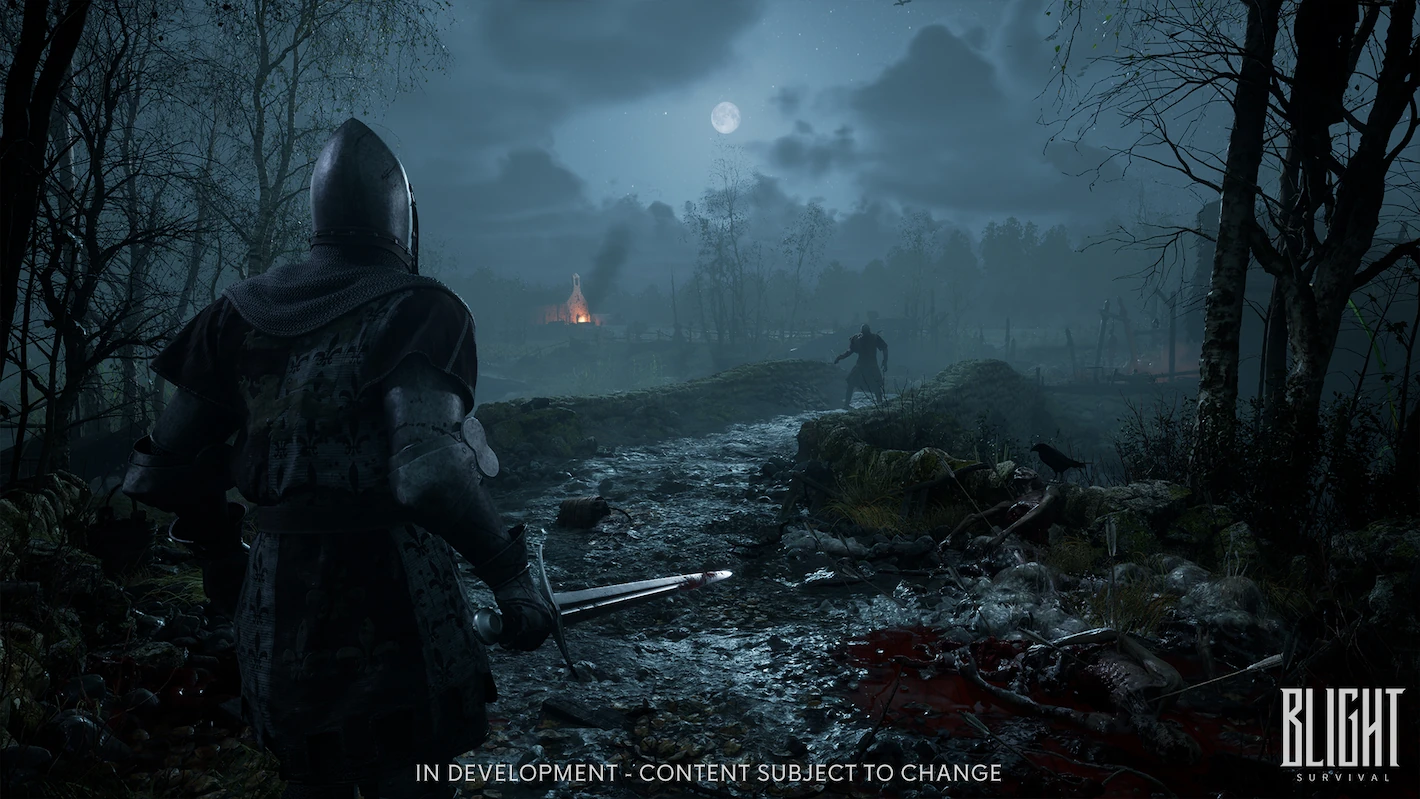
combat must be felt, not merely seen
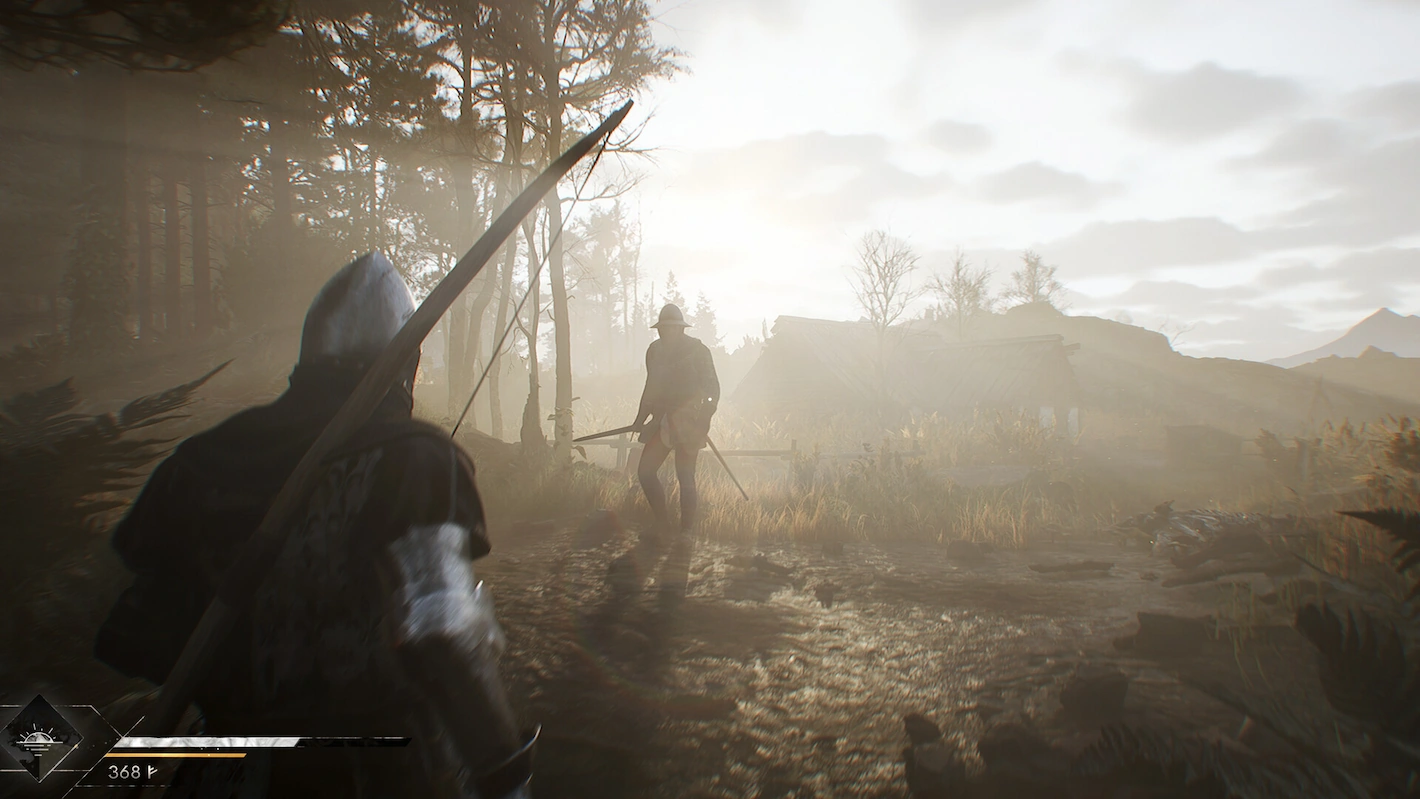
Combat has become the central focus of the project’s extended development. After partnering with Behaviour Interactive, Haenir Studio stepped back from parts of the earlier version and began rebuilding core systems to better serve the original vision. The developers concluded that substantial reconstruction was necessary rather than continuing to place new content on foundations they no longer considered strong enough. The goal is to make every collision feel physical, with weapons communicating their weight through animation, sound, enemy reaction and the time required to recover from a committed attack. That direction is particularly important for a medieval action game because swords and shields should not behave like weightless tools repeatedly passing through health bars. Armour needs to influence how attacks are read, shield impacts should create space or interrupt momentum, and a poorly timed heavy strike should leave the attacker exposed rather than functioning as a stronger version of the same input. Earlier developer information has mentioned one- and two-handed swords, shields, bows and daggers, alongside light and heavy attacks, parrying, kicks, tackles and stealth takedowns. Individual details may still change during development, but the intended direction remains clear: Blight: Survival wants a flexible melee system built around timing, positioning and physical response rather than endless attack combinations. The greatest challenge will be preserving clarity because heavy animation can create convincing force, but attacks must remain responsive enough for players to react and recover without feeling trapped inside their own movements.
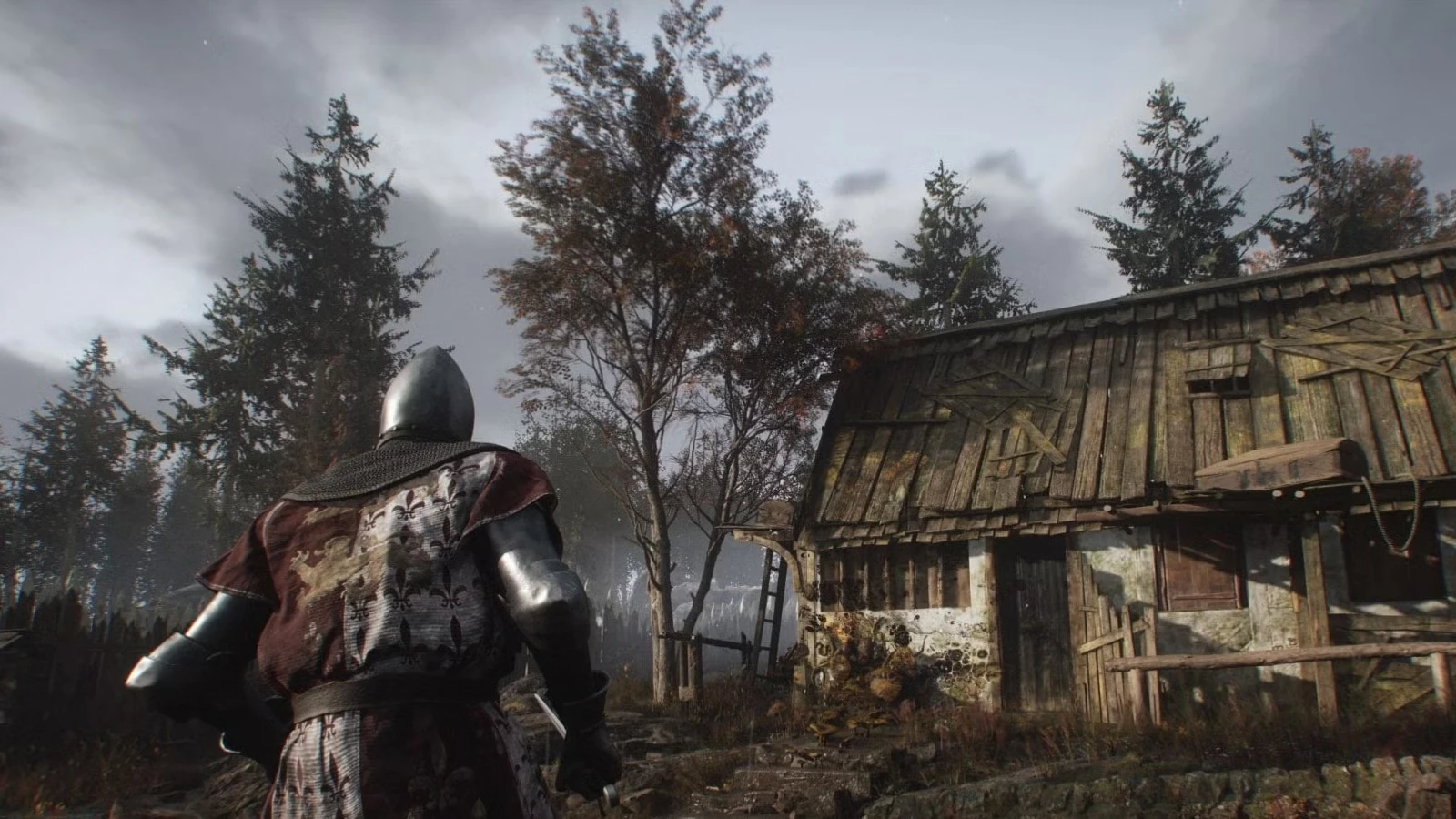
human enemies may be as dangerous as the infected
The official description repeatedly emphasizes that players will fight both mortals and monsters, and that distinction can prevent combat from settling into one predictable rhythm. Infected opponents may disregard fear, pain and conventional tactics, continuing to advance after attacks that would force a human soldier to retreat. Their danger can come from unusual movement, numbers and the uncertainty of how far the infection has changed them. Human enemies should create a different problem by using armour, defending narrow passages, attacking from range and coordinating their pressure. Fighting them should demand greater attention to weapon reach, guard position and surrounding terrain. Encounters become especially interesting when those groups occupy the same space. A battle against armed humans may attract infected creatures, forcing both sides to react to a third threat while players decide whether to intervene, wait for enemies to weaken one another or use the disorder to pass unnoticed. The horror should not depend only on grotesque creatures. Entering an abandoned military position and realizing that its inhabitants remain alive and unwilling to share their supplies can be just as threatening as discovering that the dead have begun to move. Haenir Studio has previously suggested that major enemies and bosses will remain broadly humanoid to preserve the grounded visual direction rather than shifting toward unrestricted high fantasy, which suits a world where the Blight distorts recognizable medieval life instead of replacing it with something entirely separate.
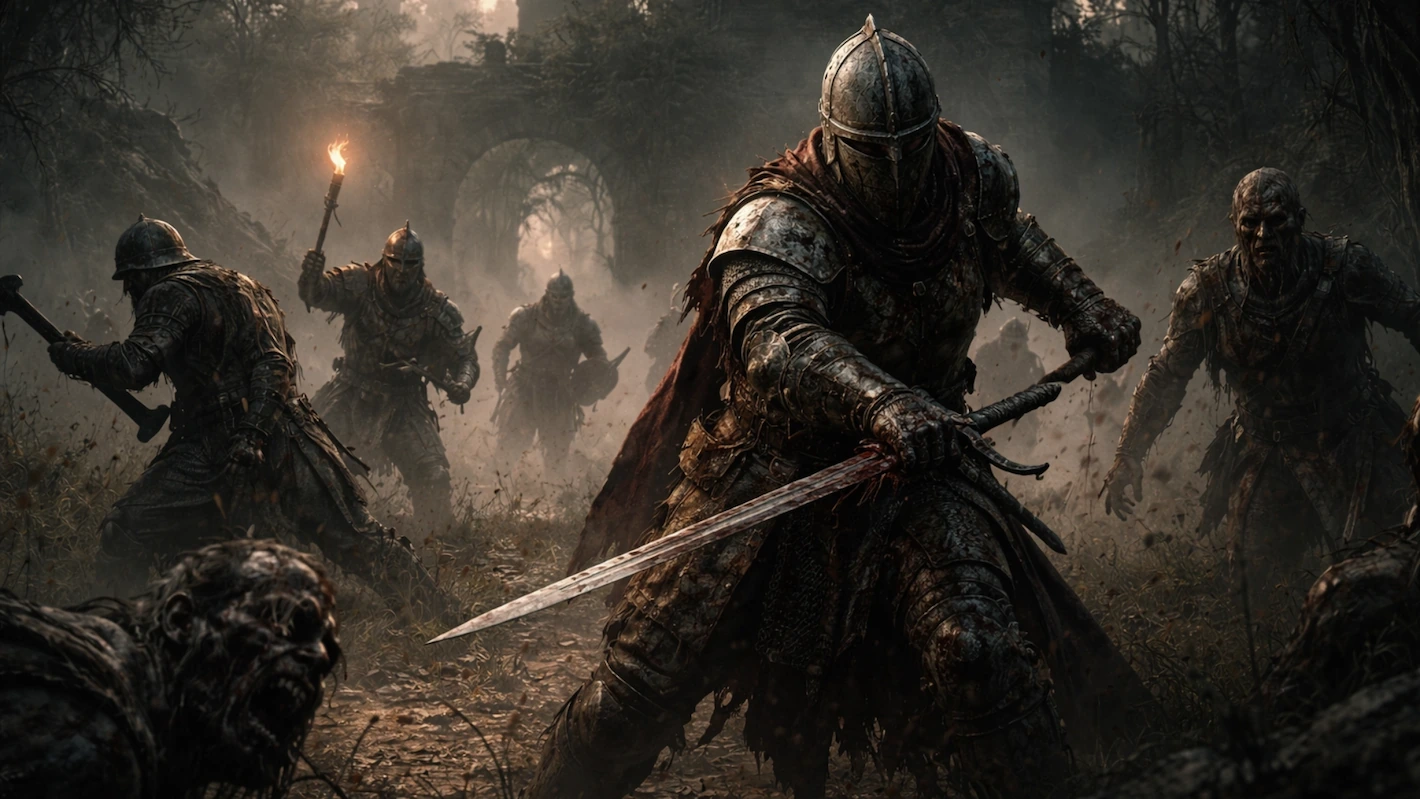
co-op without abandoning solo play
Blight: Survival supports solo play and online cooperation for groups of up to four. Four-player co-op naturally fits the expedition structure because one player can hold a narrow entrance with a shield while another attacks from range, a wounded member may need protection during retreat and different weapons can allow the group to respond to a wider range of encounters than one warrior could manage alone. Communication may determine whether an expedition ends successfully because one player choosing to advance can expose the entire company, while splitting up may uncover supplies more quickly but leave individuals unable to respond when an encounter turns against them. Retreating together requires more discipline than every person independently running toward the exit. The game should still preserve vulnerability, and increasing the group to four players cannot simply multiply enemy numbers until every fight becomes a crowded horde battle. Cooperation should create tactical options rather than erase fear. Solo balance will be equally important because Steam officially lists single-player support, meaning the game must remain a complete experience without requiring human companions. Enemy health, group composition and mission objectives need to adapt intelligently rather than making solo players fight encounters designed for four. The developers have not announced a traditional class system, and earlier information instead indicated that equipment and character customization would determine playstyle, allowing players to specialize without selecting permanent named roles.
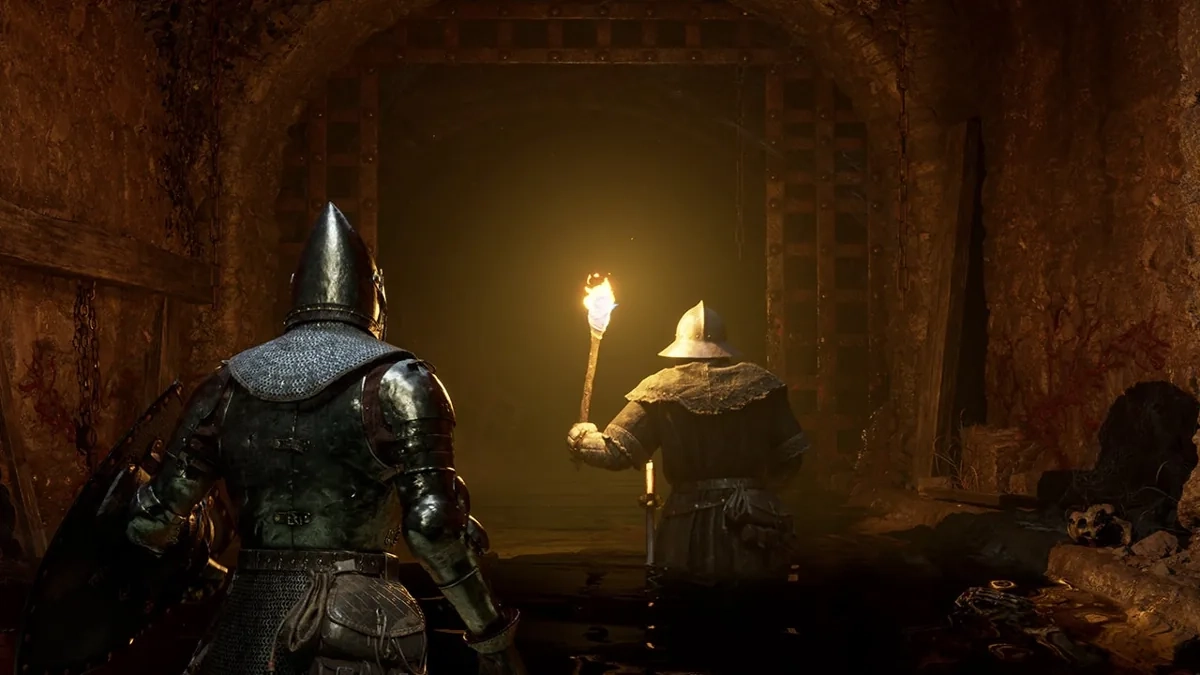
camp is where risk becomes progress
Between missions, players return to a central camp where recovered materials and equipment contribute to preparation and longer-term development. Available developer information describes crafting and upgrading as part of this hub loop, with the camp itself expected to develop over time. The camp needs to become more than a collection of menus. Its appearance should reflect successful expeditions, recovered resources and the growing ability of the Writhens to enter more dangerous territory. New facilities, characters and visible preparation could give players a stronger sense that every return has changed their position in the wider conflict. Progression must also respect the extraction structure. Powerful equipment should make the group more capable, but never eliminate the possibility of loss. Should upgrades eventually make ordinary enemies irrelevant, the decision to continue deeper will lose much of its tension. Crafting can support experimentation when new equipment changes tactics rather than providing slightly larger numbers. A heavier shield may protect a narrow formation but reduce mobility, a long weapon may control distance in open terrain while becoming awkward inside buildings and stronger armour may improve survival while affecting stamina or noise. The ideal loop is straightforward: enter, survive, return stronger and use that strength to travel farther. The difficulty lies in preventing the camp from making every future expedition routine.
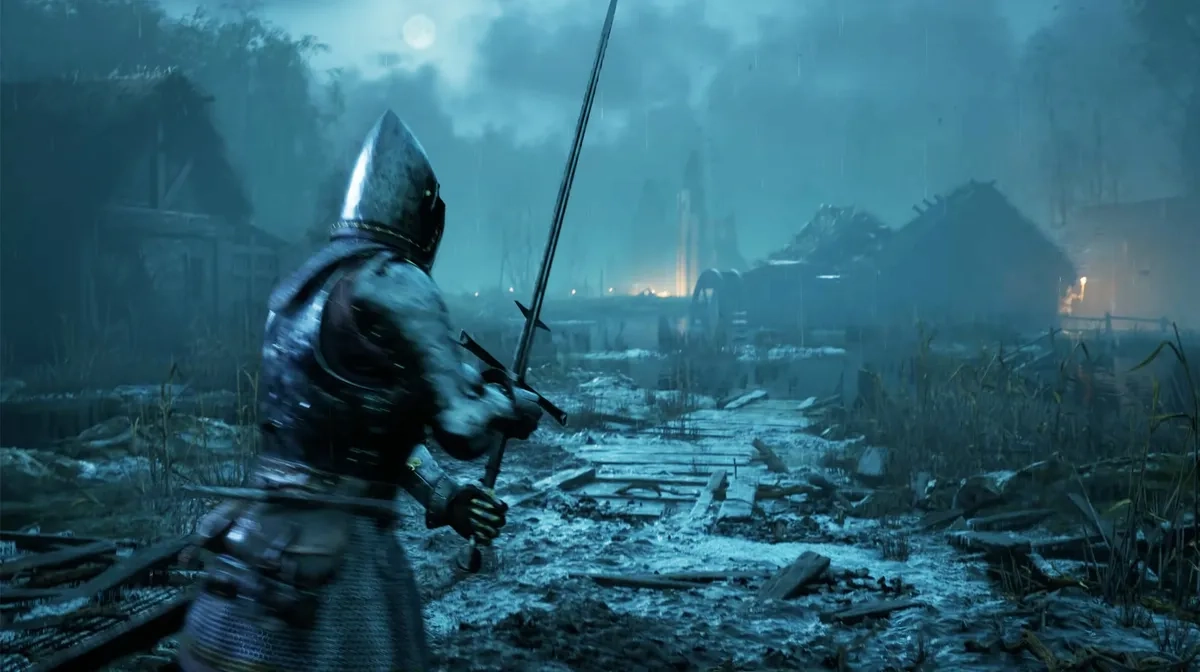
a medieval world that resists fantasy excess
Blight: Survival uses an alternate medieval setting rather than claiming strict historical reconstruction. Earlier developer communication placed it within a version of fourteenth-century Europe while acknowledging artistic liberties in armour, weapons and combat. That balance gives Haenir Studio room to create a convincing world without becoming trapped by exact historical simulation. Armour can draw from recognizable European forms while serving gameplay readability, and weapons can feel plausible while supporting distinct tactical roles. The infection provides the major departure from history, but the remaining environment appears intentionally grounded. Villages, fortifications, marshes and battlefields should look as though ordinary people lived and fought there before the Blight arrived. Recent development material has shown mist-covered marshland as one of the environments under construction, suggesting limited visibility, wet terrain and the possibility that threats can remain concealed until the group is already committed to crossing. Environmental variation will be essential because a marsh should change movement and visibility, a ruined settlement can create close-range encounters and opportunities for searching buildings, open battlefields expose the group to distant threats and forests can hide both supplies and ambushes. The world already possesses a powerful visual premise: medieval Europe weakened by war and overtaken by an infection nourished by its dead. The final game must ensure that this premise affects gameplay rather than existing only as attractive background scenery.
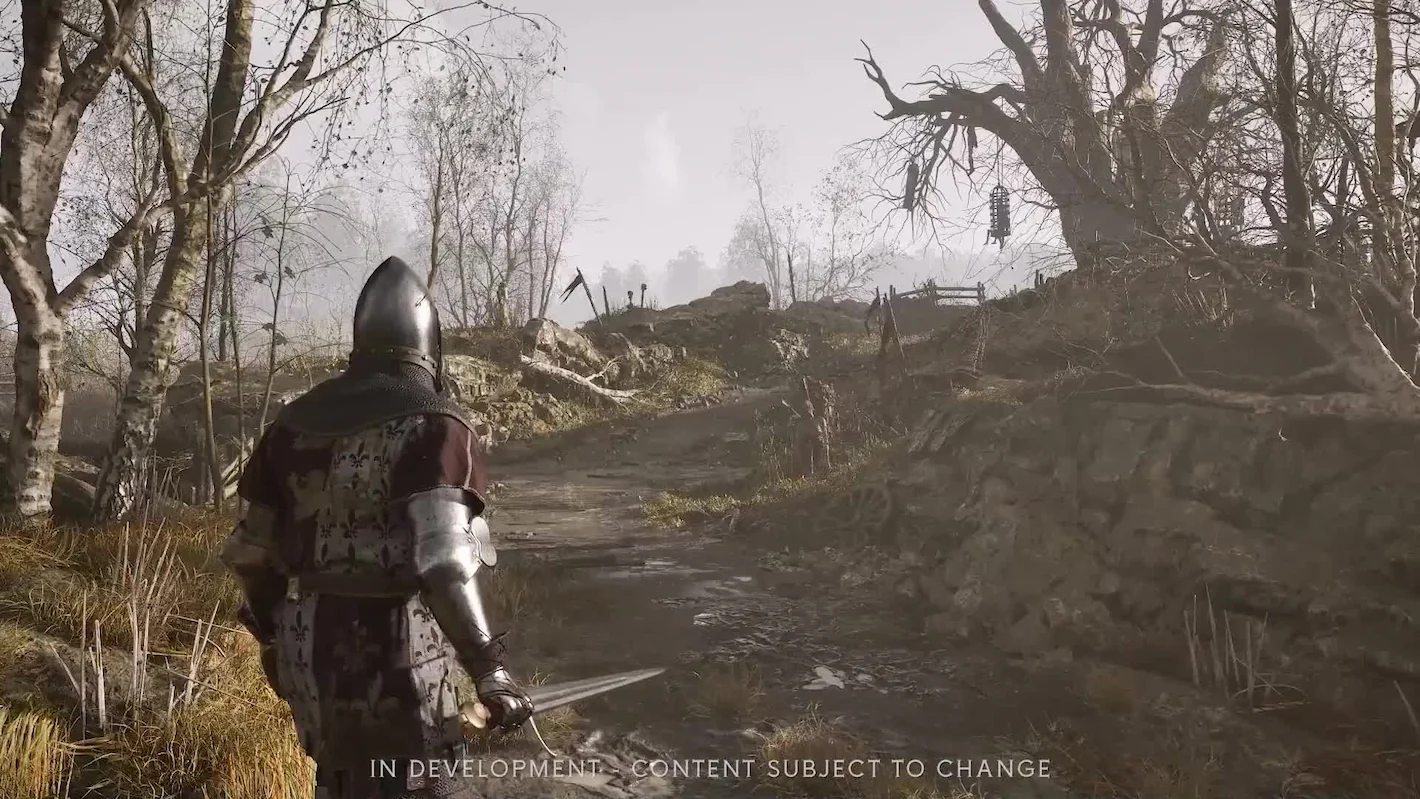
the rebuild was a risk worth taking
Blight: Survival first gained widespread attention through its early gameplay reveal, which established the central fantasy long before the game was close to completion. Years later, the project still has no release window, largely because the developers chose to rebuild important systems rather than continue toward a date with mechanics they no longer believed could carry the full experience. That decision extended the wait, but it also appears more responsible than releasing a game whose combat failed to support its own premise. The partnership with Behaviour Interactive gave Haenir Studio additional production support and an opportunity to reconsider how the original concept should function at full scale. Public comments from both teams indicate that combat physicality and immersion have received particular attention during this process. Reconstruction does not guarantee success, and systems can remain in development for years without achieving the desired result, but the revised material appears more focused on tactile interaction rather than simply increasing spectacle. That is encouraging because combat will be repeated throughout every expedition, and its quality matters more than the number of environments shown in a trailer. The project’s enormous wishlist count demonstrates the level of interest but also increases the pressure surrounding every update. Haenir Studio is no longer developing an obscure experiment observed by a small community; it is carrying expectations normally placed on much larger productions.

no release date, and that may be for the best
Steam currently lists the release date only as to be announced, and developer communication has avoided promising a year before the team can support it. That uncertainty may frustrate players who have followed Blight: Survival since its original reveal, but announcing an artificial date would provide little value. The project has already undergone a substantial systems rebuild, and its combat, mission structure, cooperative functionality and progression all need to work together before release. Closed invitation-based playtests are planned as part of development, allowing selected participants to provide feedback before the full launch, while public access, a demo and an Early Access release have not been confirmed. System requirements are also absent from the Steam page, so performance cannot yet be assessed responsibly. The dense environments, physical combat and four-player networking may place significant demands on both hardware and optimization, but any specific expectation would currently be speculation. Patience is the correct position. Blight: Survival already has attention; what it needs now is not another promise but evidence that the rebuilt systems can maintain their quality across a complete expedition.
what blight: survival must prove
The concept is immediately attractive: a company of medieval warriors enters plague-ridden territory, fights humans and infected creatures, recovers equipment and decides how much further to risk before returning to safety. The full game must prove that this loop remains interesting beyond its first hours. Missions need meaningful variation rather than different arrangements of the same enemies and rewards. The infection must change locations and encounters in ways that feel unpredictable without becoming random. Combat needs weight without sluggishness, human and infected opponents require distinct behaviours, solo play must feel intentional rather than like an incomplete version of co-op and four-player groups should gain tactical possibilities without turning horror into effortless crowd control. Progression must strengthen players without removing fear, while equipment should produce different approaches rather than one obvious hierarchy. Returning to camp should feel satisfying, but leaving it must always restore the uncertainty that defines the game. The world must also explain why destroying the Blight matters beyond completing a mission objective. The Writhens, the two kingdoms and the people trapped between them need enough context to make each expedition feel like more than a profitable journey through infected territory. Most importantly, Haenir Studio must preserve the restrained identity visible in the current material. Blight: Survival does not need enormous fantasy creatures or constant magical spectacle to become memorable. Its strength lies in recognizable medieval desperation interrupted by something unnatural growing directly from human violence.