EXTERNAL GRAPHICS CARD | THE PC IDEA THAT NEVER FULLY LANDED
An external GPU still sounds like one of the smartest PC ideas ever put on paper. Keep the laptop thin, light, and quiet when you are moving around, then come home, plug in a proper graphics card, and suddenly that same machine becomes a gaming or creator setup with real muscle. No full desktop tower, no second PC, no complicated upgrade cycle every few years. Just one portable system with optional power when you need it. The concept is clean, almost elegant, and that is exactly why it remains frustrating. External GPUs were supposed to become a normal part of the PC upgrade path, but they never fully landed. They arrived, worked, impressed a specific group of users, and then stayed stuck in that strange space between brilliant solution and awkward compromise. The basic appeal is still strong. Many people do not want a large desktop anymore, but they also do not want to be trapped inside laptop GPU limitations forever. A modern ultrabook, handheld PC, or compact mini PC can be excellent for daily work, travel, media, and light gaming, but once serious GPU power enters the conversation, the limits show quickly. An eGPU promises a different future. Instead of buying a heavier gaming laptop or building a full desktop, you add an external graphics dock and use a desktop GPU when the device is on a desk. For students, travelers, creators, and people with small rooms, that idea still makes real sense.
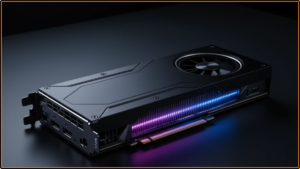
The problem is that the dream has always been cleaner than the reality. Traditional eGPU setups usually require a Thunderbolt or USB4 connection, an enclosure, a desktop graphics card, power delivery, drivers, cables, and a host machine that cooperates properly. By the time everything is added together, the price can become uncomfortable. The enclosure alone can cost enough to make people question the entire setup, and then the GPU still has to be purchased separately. Razer’s Thunderbolt 5 Core X V2, for example, was reported as a $350 chassis that still requires a separate desktop GPU and compatible power supply, which shows why the value argument can become difficult fast. Bandwidth is the other old problem. A desktop GPU normally sits directly on the motherboard with far more PCIe bandwidth than most external connections can provide. Thunderbolt 4 and USB4 can work well, but they still introduce overhead and limits compared to a native PCIe slot. Some newer discussion around USB4 eGPUs suggests that real-world performance can be good enough in many scenarios, especially when the CPU and host system are not the bottleneck, but the setup is still not as simple as “desktop GPU performance through one cable.” The result depends on the game, resolution, external monitor use, CPU performance, driver behavior, and the connection standard.
OCuLink is probably the most interesting reason the external GPU idea is not dead. Unlike Thunderbolt, OCuLink is a more direct PCIe-style connection and can offer higher effective bandwidth with less overhead. PC Gamer notes that a four-lane OCuLink connection can reach 64 GT/s compared with Thunderbolt’s 40 GT/s, making it a more direct, higher-bandwidth route to the PCIe bus. That matters because eGPU performance is not only about the graphics card. It is about how cleanly the host system can feed the card. OCuLink does not magically remove every limitation, but it makes the whole idea feel less like a workaround and more like a proper expansion path. The catch is that OCuLink is not consumer-friendly enough yet. Most normal laptops do not have it. Many users still need specific mini PCs, handhelds, docks, or niche devices to take advantage of it. That is the classic eGPU problem all over again: the better version exists, but not in the place where most people need it. USB4 and Thunderbolt are easier to find, but they bring more compromise. OCuLink is more direct and exciting, but it is less common and less polished for average users. A good external GPU future needs both: the performance of a serious connection and the convenience of a normal port that people already have.
Handheld gaming PCs and mini PCs may be the place where external GPUs finally get another chance. Devices like handheld Windows gaming machines are powerful for their size, but their integrated graphics can only go so far. A dockable GPU setup makes more sense there than it ever did for some traditional laptops. Play handheld on the couch, then connect to a monitor, keyboard, mouse, and external GPU at a desk. That is the kind of use case where the eGPU dream feels practical again. Recent mini PCs with both USB4 and OCuLink also show that manufacturers are starting to treat external GPU support as a real selling point instead of an experimental side feature. TechRadar reported on a low-cost GMK K12 mini PC with both OCuLink and USB4, specifically highlighting how those ports allow external GPU connectivity without internal modification. Still, the external GPU market has a trust problem. Too many people remember expensive enclosures, inconsistent performance, driver headaches, hot cables, poor value, and setups that worked beautifully for one user and terribly for another. That kind of reputation is hard to erase. PC gamers like flexibility, but they also like clear upgrade paths. A desktop GPU slot is simple. A laptop with a built-in GPU is simple. An external GPU is not always simple. It asks the user to understand bandwidth, ports, compatibility, power, dock quality, and sometimes whether a game behaves better on an external monitor than on the laptop’s internal screen. That is a lot to ask from someone who just wants more FPS.

The idea becomes even more complicated when pricing enters the room. If an eGPU enclosure costs a few hundred dollars, and the user still needs to buy a GPU, the total cost can approach or exceed a budget gaming desktop. At that point, the question becomes uncomfortable: is the user paying for performance, or paying for elegance? Sometimes elegance is worth it. A clean single-machine setup can be perfect for a small apartment, a student desk, or a creator who wants one laptop to handle everything. But for pure performance-per-dollar, a normal desktop often wins. That is why eGPU never became the obvious upgrade path for everyone. It made sense for a specific user, not the whole market.
Thunderbolt 5 may help, but it will not solve everything by itself. More bandwidth gives external GPUs a better foundation, and products like ASUS XG Mobile show that companies still see value in the idea. The 2025 ASUS XG Mobile was announced as a Thunderbolt 5 external GPU and dock with up to an RTX 5090 mobile chip, multiple ports, and a compact design, but its reported high-end pricing also shows the premium problem clearly. Better technology helps, but if the result is still extremely expensive, the mainstream problem remains. That is why the future of eGPU may depend less on raw performance and more on standardization. The dream version is not a giant box with a strange cable and unclear compatibility. The dream version is simple: every serious laptop, handheld, and mini PC has a reliable high-bandwidth external GPU port; docks are affordable; power delivery is clean; drivers behave normally; and users can plug in a GPU without feeling like they are building a science project. Until that happens, external GPUs will stay interesting but uneven, loved by enthusiasts and ignored by most regular buyers. The strangest part is that the core idea still feels right. A modular PC future should exist. People should be able to own a portable system and add graphics power only when needed. It fits modern life better than carrying a heavy gaming laptop or keeping a large desktop tower forever. The problem is not the concept. The problem is the execution around it: cost, bandwidth, ports, cables, docks, compatibility, and the messy reality of turning a beautiful idea into something normal people actually buy.
External GPUs never fully landed because they asked the market to accept too many compromises at once. They were expensive when they needed to be obvious, technical when they needed to be easy, and inconsistent when they needed to feel trustworthy. But the idea is not finished. USB4, Thunderbolt 5, OCuLink, handheld PCs, and compact mini PCs are all quietly pulling the concept back into relevance. Maybe the eGPU was never meant to replace the desktop. Maybe its real future is smaller and smarter: a dockable power upgrade for the new generation of portable PCs. That may not be the revolution people imagined years ago, but it might finally be the version that makes sense.