CONTROL RESONANT | LENGTH, COMBAT AND WORLD STRUCTURE REVEALED
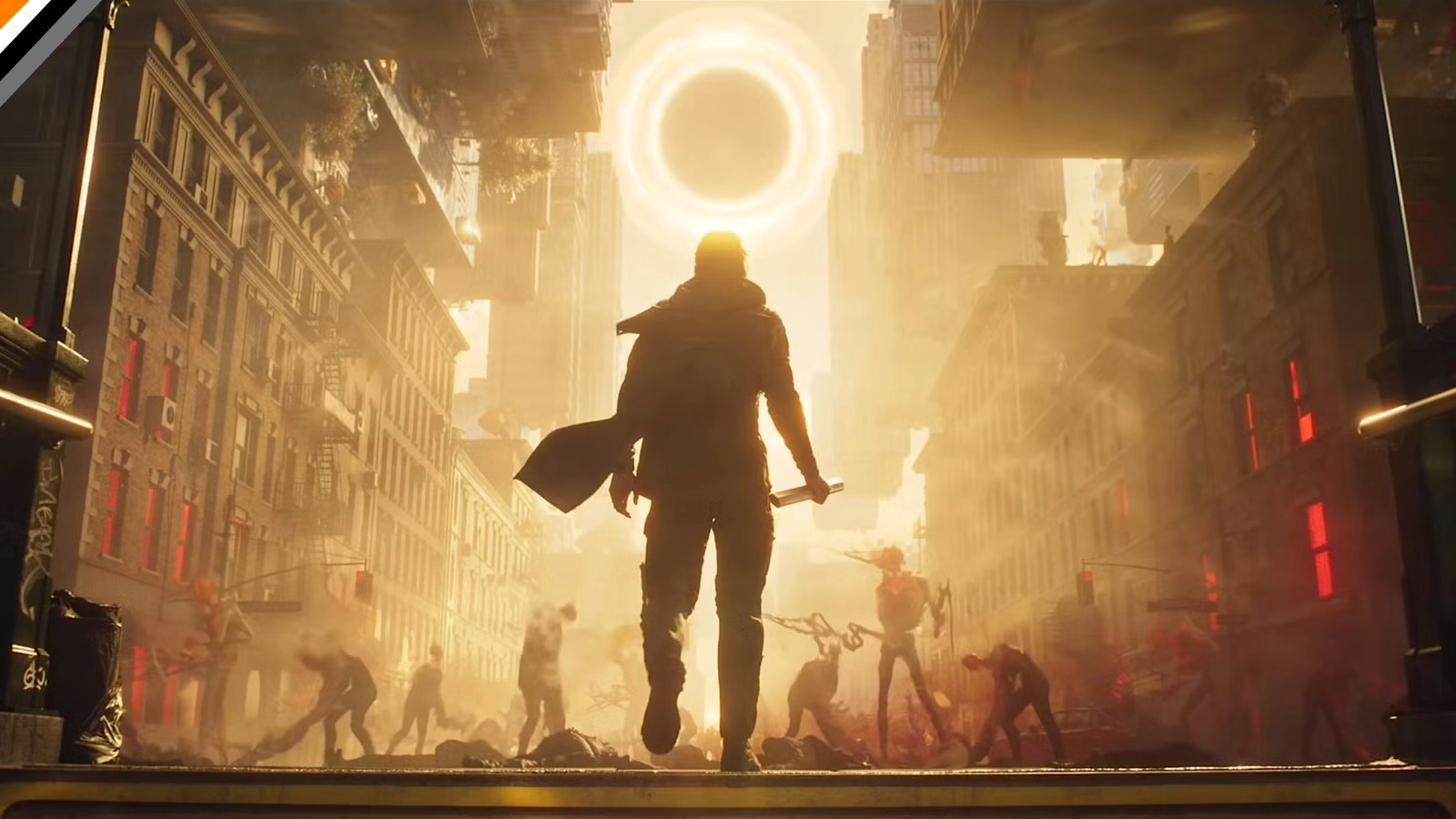
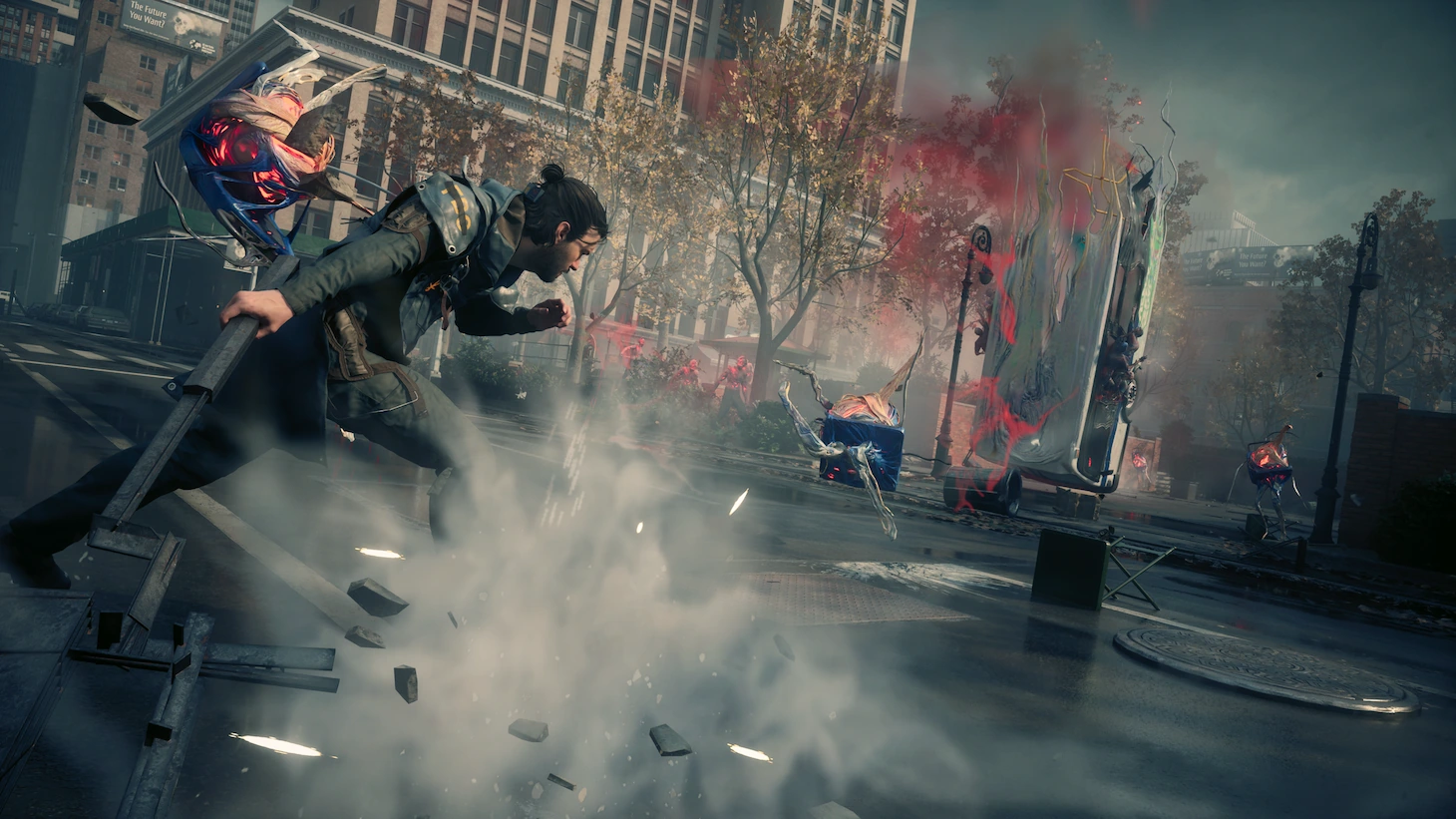
A shape-shifting weapon crashes through an enemy at close range while pieces of a distorted Manhattan rise from the street and become part of the attack. Remedy Entertainment has revealed new details about the length and combat structure of Control Resonant, confirming that Dylan Faden’s main journey should take approximately 30 hours, while players pursuing side activities, hidden encounters and broader completion may spend close to 50 hours inside the game. That would make Resonant the longest Remedy production so far, but the larger number is only part of the story. The sequel is also moving away from Jesse Faden’s ranged-first combat and placing Dylan inside a much more aggressive melee-focused system built around the Aberrant, a supernatural weapon capable of changing between several physical forms. Remedy is not abandoning telekinesis, environmental destruction or the strange physical chaos associated with Control, but those elements will now support close-range combat rather than primarily extending gunplay from a safe distance.
melee takes control
The Aberrant replaces the Service Weapon as the center of the combat system, transforming into heavy blades, crushing weapons and other melee configurations designed for different distances and enemy types. Dylan can combine those forms with telekinetic powers, fast traversal and environmental attacks, creating a system that appears closer to an expressive action RPG than a conventional third-person shooter. Remedy has mentioned inspiration from hack-and-slash combat, but the objective is not to turn Resonant into a direct imitation of Devil May Cry or another established series. The studio wants every transformation to remain connected to the physical identity of Control, where furniture, concrete, enemies and supernatural forces can collide inside the same encounter. The major question is whether each Aberrant form will create a genuinely different tactical purpose or merely provide new animations over similar damage values. A transforming weapon only becomes meaningful when reach, speed, crowd control and risk change with its shape.
more control does not automatically mean better combat
Moving closer to enemies creates opportunities for stronger physical impact, but it also places more pressure on animation, camera control and battlefield readability. Control could become chaotic even when Jesse fought from medium range, and Resonant will now place Dylan directly inside groups of enemies while objects, powers and environmental destruction continue filling the screen. Close combat must remain responsive enough for the player to understand when an attack can be interrupted, which enemy represents the immediate danger and how quickly Dylan can move away from a failed combination. Remedy is also expanding build options, equipment and role-playing statistics, allowing players to shape different approaches to combat. Greater customization could provide long-term depth across a 30-hour campaign, although too many small percentages and equipment modifiers could weaken the immediacy of a system that should primarily succeed through movement, timing and creative use of powers.
thirty hours across a distorted manhattan
Control Resonant will not use a conventional seamless open world. Manhattan is instead divided into large handcrafted zones containing optional activities, hidden encounters and areas shaped by different paranormal conditions. This structure should give Remedy more room than the Oldest House without forcing the studio to fill one enormous map with repeated objectives. Each district can have its own visual identity, environmental rules and strange local events, while optional exploration provides the additional content required to extend completion toward 50 hours. The approach sounds promising because Remedy’s strongest locations usually feel deliberately authored rather than generated around a checklist. Length remains a risk, however. A larger world and more side content are valuable only when they preserve narrative pressure and continue producing meaningful discoveries. Thirty hours of dense paranormal storytelling could become Remedy’s most substantial achievement; fifty hours of repeated combat encounters and scattered upgrades would only make the same ideas feel thinner.