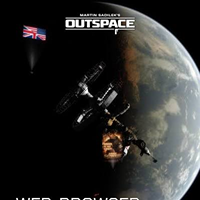
CLICK & PLAY | MARTIN SADÍLEK’S OUTSPACE | A SPACE IN YOUR BROWSER
A browser tab does not normally suggest enormous orbital stations, real-time fleet battles, industrial supply chains and journeys measured in actual travel time, yet that unlikely combination is precisely where Outspace establishes its identity. Created by Czech solo developer Martin Sadílek, this free online strategy game places players inside a persistent three-dimensional universe that runs without a conventional installation while attempting to preserve the scale, patience and interconnected systems associated with much larger PC productions. The current SOL server remains in Early Access and beta development, but the available foundation already reaches far beyond the usual browser-game formula: ships can be directed with familiar RTS controls, resources are mined and refined, equipment is manufactured through a player-supported industry, and trade prices respond to supply, demand and location. Outspace is not built for a five-minute distraction dressed as strategy. It is a long-term MMO simulation in which distance matters, economic decisions create consequences and a station can gradually become the centre of an organisation rather than another disposable base on a small competitive map.
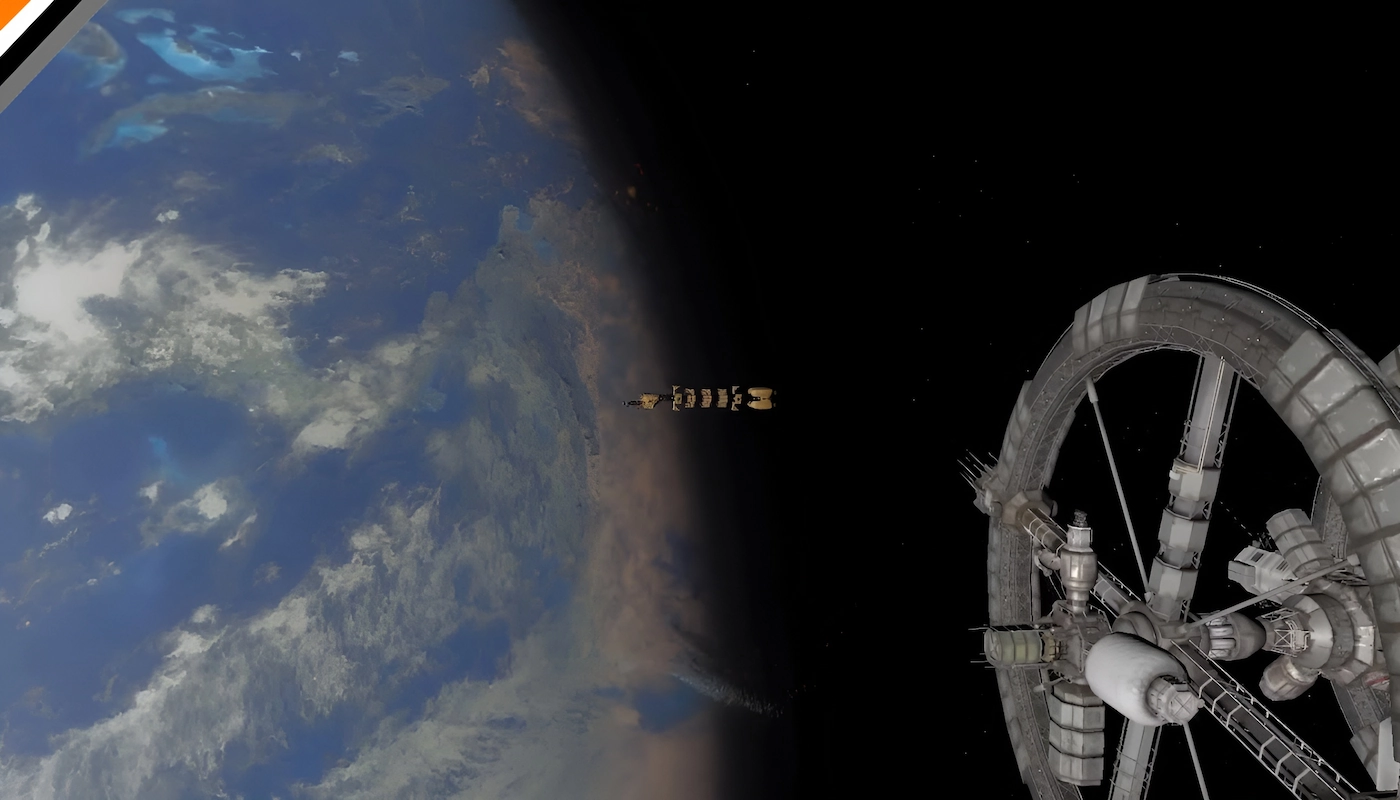
one developer built a persistent space society
The scale of the project becomes more unusual once its development structure is considered. Outspace has been created primarily by Martin Sadílek rather than a conventional studio, with development tracing back roughly a decade and the public browser version entering open beta in 2022. The objective was not simply to place a familiar base-building interface over a star map. Its systems attempt to simulate a society spread across space, where ships, stations, crews, resources and manufactured components belong to the same economic structure. Players can establish organisations, construct orbital facilities, operate production chains and cooperate with others while remaining economically independent. The official guides describe Zones that allow separate organisations to share technology, equipment, protection and infrastructure, creating a model closer to a federation of connected players than a traditional guild functioning only as a chat room and raid list. That level of ambition does not mean the experience immediately feels like a polished big-budget release. Menus, interfaces and information density reflect a project still expanding its systems, and new players should expect a learning period before the relationship between ships, crew, stations and markets becomes clear. Yet the rougher edges are also connected to the game’s strongest quality: Outspace has not been reduced to a sequence of simplified mobile-style timers with a space skin placed over them. Its world is designed around persistence. Productive actions generate experience, station facilities have diminishing returns when identical modules are stacked, and corporate stations evolve through player activity. These details may initially appear excessive, but they give decisions a purpose beyond watching numbers increase. A station is not only a construction menu; it is an economic and logistical object whose location, workforce, equipment and surrounding relationships determine what it can become.

the economy is not waiting for a single player
Many strategy games claim to offer a player-driven economy while allowing NPC systems to quietly supply everything important. Outspace moves much closer to the literal meaning of the phrase. The official description states that items, ship components and weapons are manufactured by players, while trade is organised through local station marketplaces and the wider TradeLink network. Sellers determine prices and quantities, stations may charge transaction or storage fees, and distant offers require buyers to consider travel distance, docking access and their relationship with the station owner. A cheap component located in another region is therefore not automatically the best purchase. Someone must travel to collect it, move it safely and decide whether the price difference justifies the journey. This creates room for several play styles that do not depend on constant combat. A player may mine and refine resources, transport goods between markets, manufacture specialised equipment or profit from differences between local prices. The EXC currency is used for materials, modules, station construction and crew recruitment, linking economic activity directly to expansion rather than treating money as a disconnected score. Market offers gradually lose public visibility, station owners earn from fees, and organisations can divide labour between production, transport and protection. Outspace may be presented as an MMO RTS, but its deeper identity appears closer to an economic space simulation where military power depends upon functioning industry. A large warship cannot exist because a build timer reached zero; its modules, weapons and supporting infrastructure must emerge from an economy in which other players also have priorities, shortages and opportunities.

real-time control inside a very long game
When conflict begins, ships are controlled through recognisable real-time strategy commands. Units can be selected, moved and directed toward targets while the player maintains an overview of the battlefield. This prevents Outspace from becoming a purely menu-driven management game, but the combat remains connected to preparation. Ship construction, equipment, crew development and access to replacement components influence what can be risked once a fleet leaves safety. Certain corporate stations provide protected starting areas where attacks are disabled, giving new players space to understand the systems before entering more dangerous regions.The larger rhythm is considerably slower than a conventional RTS match. Outspace advertises a real-scale universe where distant travel takes meaningful time, making geography a strategic restriction rather than a decorative background. Wormhole gates can eventually open access to unexplored systems, potentially granting the first arrivals an economic and positional advantage. That scale will appeal to players who enjoy long-term planning, logistics and gradual development, but it also means the game is unlikely to satisfy anyone looking for a complete empire within one evening. Progress is persistent, relationships matter and important decisions may continue producing consequences long after the browser tab has been closed. This is not speed presented as depth. It is a strategy game prepared to let distance, production and organisation slow the player down.
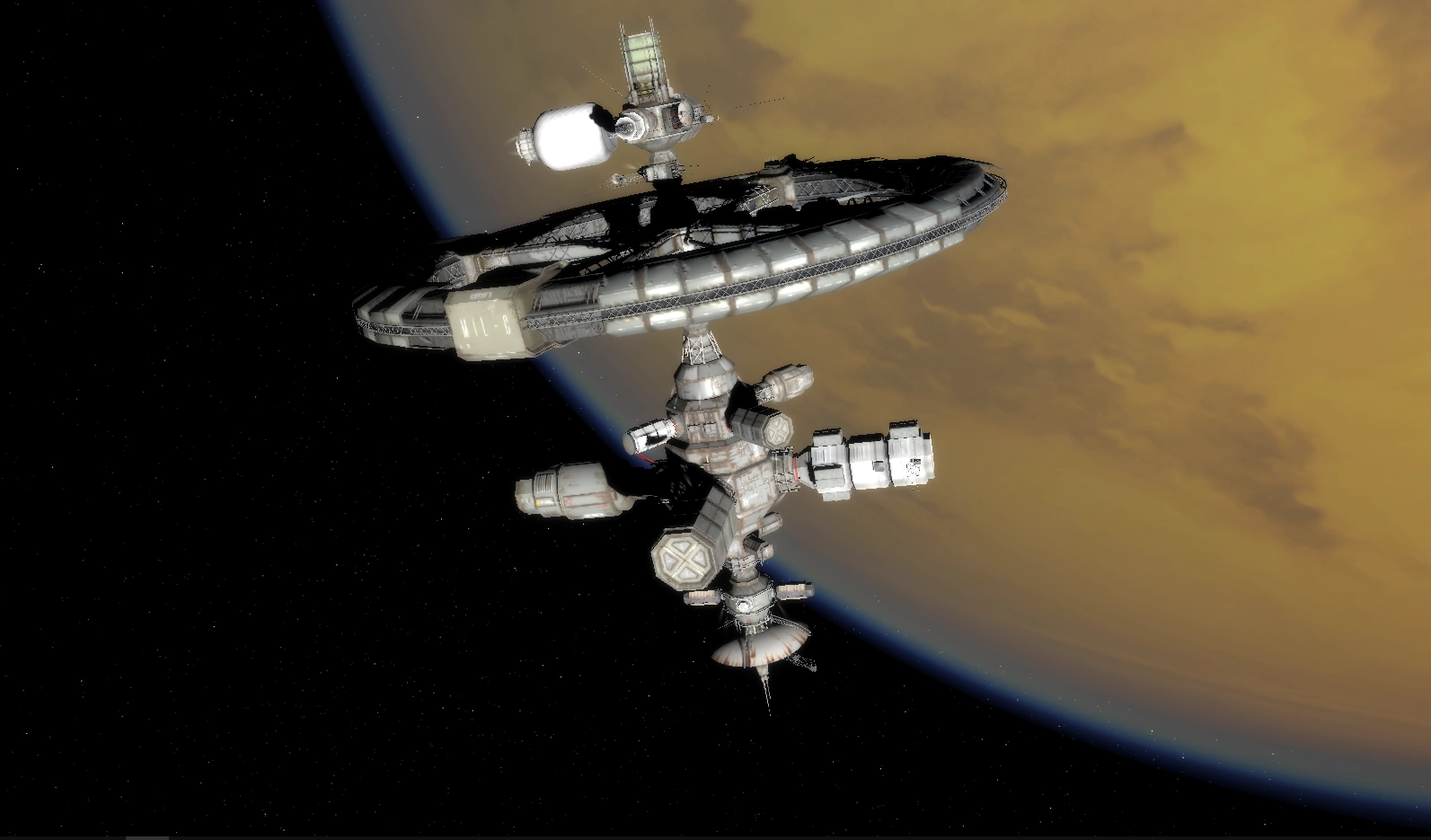
a browser game that does not think small
Running directly inside a modern browser is the feature that makes Outspace suitable for the new CLICK & PLAY category, but it should not define expectations too narrowly. No traditional installation is required, and the official version currently supports English, Czech and Polish. The game remains in beta development, with the SOL server receiving continuing updates and its systems documented through an unusually extensive official guide covering spacecraft, stations, mining, refining, trade, factions, lore and economic organisation. Its accessibility comes with an important distinction: free access does not mean the complete absence of monetisation. The official page states that the game contains purchases of digital goods or services using real money and requires visitors to meet the applicable age threshold for those purchases. That does not automatically define the quality of the underlying strategy systems, but it means the business model deserves the same scrutiny as any other free online game. Players should judge whether optional purchases remain separate from competitive and economic balance as development continues. The project is also not yet formally rated, so its beta status, purchase systems and evolving rules should be understood before treating it as a finished commercial product.
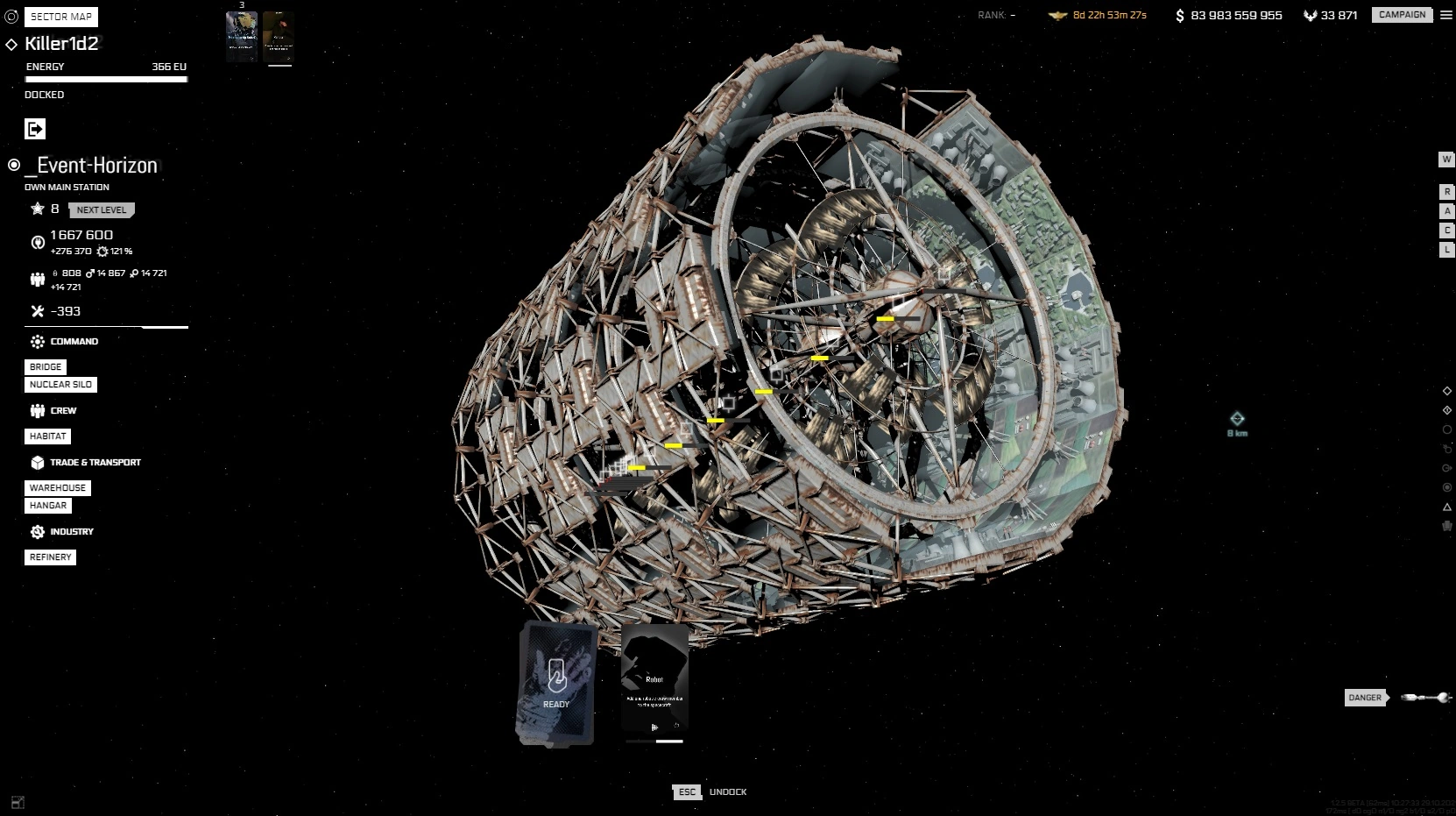
why it is worth a click
Outspace earns attention because its main ideas are unusually serious for a game that begins inside a browser. The three-dimensional presentation is not a substitute for strategy; it provides a readable space for fleets, stations and travel while the deeper game operates through production, commerce and cooperation. The persistent universe creates continuity between sessions, the market gives industrial activity a reason to exist, and real-time control keeps ships from becoming abstract icons moved only through spreadsheets. Its solo development history also gives the project a clear identity. Systems have been built around a specific vision of how a future space society might function rather than assembled from whichever mechanics currently dominate the free-to-play market. The limitations are equally clear. This is still a beta, the interface may require patience, and its long-term pace will not suit players expecting immediate rewards or short competitive rounds. A persistent player economy also depends heavily on population, trust and continued participation; even well-designed markets lose meaning when too few people produce, transport or purchase goods. Outspace therefore carries the risks found in every ambitious MMO, intensified by the realities of a solo-led project. Yet the fact that these questions are worth asking already separates it from most instant browser releases. It is not interesting merely because it runs without installation. It is interesting because it uses that accessibility to open the door toward a strategy game that could otherwise appear too specialised or demanding to approach.