
CLASSIC GAMES | DRAGON AGE: ORIGINS | WHEN DARK FANTASY HAD TEETH
A campfire, a tired party, blood on the armor, and a world that never lets heroism feel clean. Dragon Age: Origins still opens a very specific door in the memory of PC RPG players. It is the kind of game where the road between two decisions feels almost as important as the decision itself, because every village, ruin, castle and battlefield carries the same uncomfortable message: Ferelden is not waiting for a perfect hero. It is waiting for someone willing to pay the cost. The game is not only remembered because it had choices, companions, tactical combat or dark fantasy presentation. It is remembered because all of those pieces worked together with a certain weight. The companions were not just party slots, the battles were not just interruptions, and the choices were not clean moral decorations placed in front of the player for easy role-playing. Everything felt tied to a kingdom under pressure, a Blight moving across the land, and a Grey Warden story where survival often mattered more than purity.
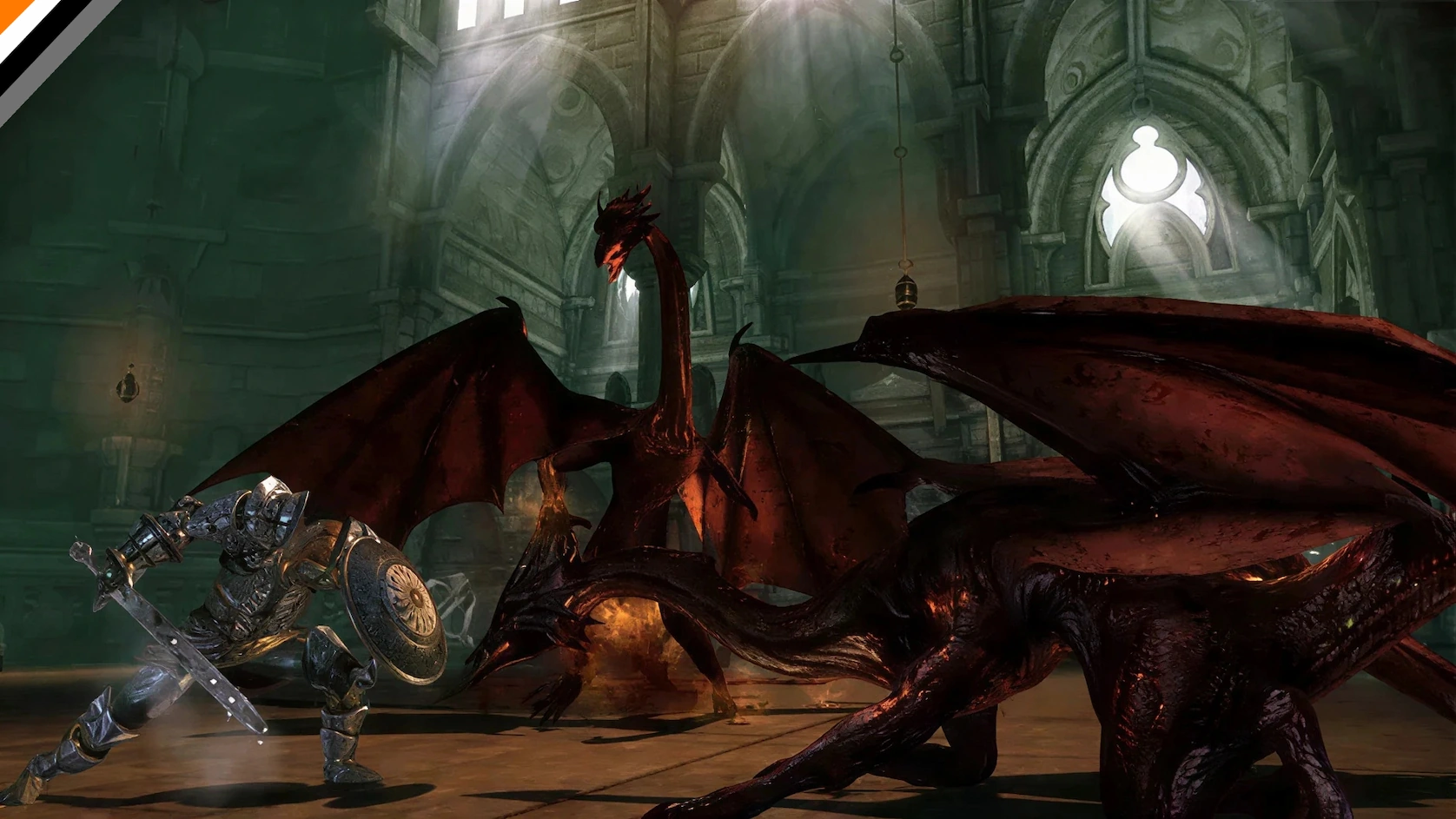
This is why Dragon Age: Origins belongs in Classic Games. Not because it was perfect in every system, and not because nostalgia should protect it from criticism. It belongs here because it still represents a kind of role-playing game that understood consequence, party identity and atmosphere as more than features on a box. BioWare built a world where the player was not simply collecting quests. The player was moving through a kingdom under pressure, carrying the responsibility of a Grey Warden while making decisions that rarely felt harmless. Ferelden is not the largest fantasy world ever made, but it has texture. Mud, castles, forests, old ruins, broken politics, religious authority, racial tension, noble houses, darkspawn, mages, templars and desperate people all sit inside the same uncomfortable fantasy machine. Dragon Age: Origins does not present fantasy as a clean heroic painting. It presents it as a place where survival often demands compromise, and where doing the right thing does not always look beautiful. That still matters.
a dark fantasy world that does not beg to be liked
Dragon Age: Origins is strongest when it lets Ferelden feel rough. This is not a world built around constant wonder. It is a world built around pressure. The Blight gives the main story its apocalyptic spine, but the real power of the game often comes from smaller conflicts: the way people talk about mages, elves, dwarves, nobles, commoners, religion and power. The world feels old because everyone inside it seems to have inherited problems they did not create but still help continue. That is what gives the game its classic status. The fantasy is not dark only because there is blood on the screen. It is dark because the systems of the world are ugly. The Circle of Magi is not only a location. It is an argument. The alienage is not only a poor district. It is a political wound. Orzammar is not only a dwarven city. It is a society trapped under tradition, ambition and caste. Redcliffe is not only a village under attack. It is a test of leadership, sacrifice and timing. Many RPGs give the player places to visit. Dragon Age: Origins gives the player places with problems. That difference is huge. Every major area has its own crisis, and the player is not just asked to clear enemies and move on. The player is asked to choose who gets power, who gets saved, who gets punished and what kind of cost is acceptable. That is where the game still feels sharper than expected. Its world may look dated today, but its dramatic structure still works because the locations are built around conflict instead of decoration.

the origin stories were more than a gimmick
The word “Origins” was not just a subtitle. The different opening stories gave the player a personal connection to the world before the main plot took over. Human noble, city elf, Dalish elf, dwarf noble, dwarf commoner, mage each beginning changed the emotional angle of the journey. It did not completely transform the whole game, but it gave the player a reason to care about Ferelden from a specific wound. That was smart RPG design. Before the player became a Grey Warden, they were someone else. A betrayed noble. A trapped mage. An elf facing humiliation. A dwarf crushed by politics or poverty. These origins helped the world feel less abstract. The player did not simply choose a race and class from a menu. They lived through a piece of the world’s cruelty before being pulled into the larger war. Modern RPGs often promise personal backgrounds but then reduce them to dialogue flavor. Dragon Age: Origins did more than that. The origin could return later, sometimes through conversations, recognition, emotional context or unresolved business. Even when the main plot became the same, the player’s relationship with the world was already colored by the beginning. That is one reason the game still has replay value. A new origin does not only change stats or a starting area. It changes the tone of the journey. It changes who the player feels like while making decisions.
party members that still feel like people
The companions are one of the biggest reasons Dragon Age: Origins survived. Alistair, Morrigan, Leliana, Sten, Wynne, Zevran, Oghren, Shale and the others are not just combat tools. They bring ideology, wounds, humor, contradictions and personal limits into the party. They approve, disapprove, argue, flirt, judge and sometimes force the player to think harder about a decision. That is what a party RPG needs. A good party is not a collection of useful abilities. It is a moving camp of opinions. Dragon Age: Origins understood that the campfire was almost as important as the battlefield. The quiet conversations between quests helped turn companions into people the player actually carried through the game emotionally, not only mechanically. Morrigan remains one of the most memorable companions because she is not written to be easily comfortable. She is sharp, selfish, intelligent and shaped by survival. Alistair works because his humor hides fear and responsibility. Leliana brings faith and trauma into the party without becoming only one thing. Sten is difficult, severe and strange from a Ferelden point of view. These characters do not all exist to flatter the player. They make the party feel alive. The approval system was sometimes simple, but it worked because the characters had clear values. A choice was not only a quest result. It was also a statement in front of your companions. That created tension. Sometimes the player was not only thinking about what Ferelden needed, but also about who in the party would never look at them the same way again.
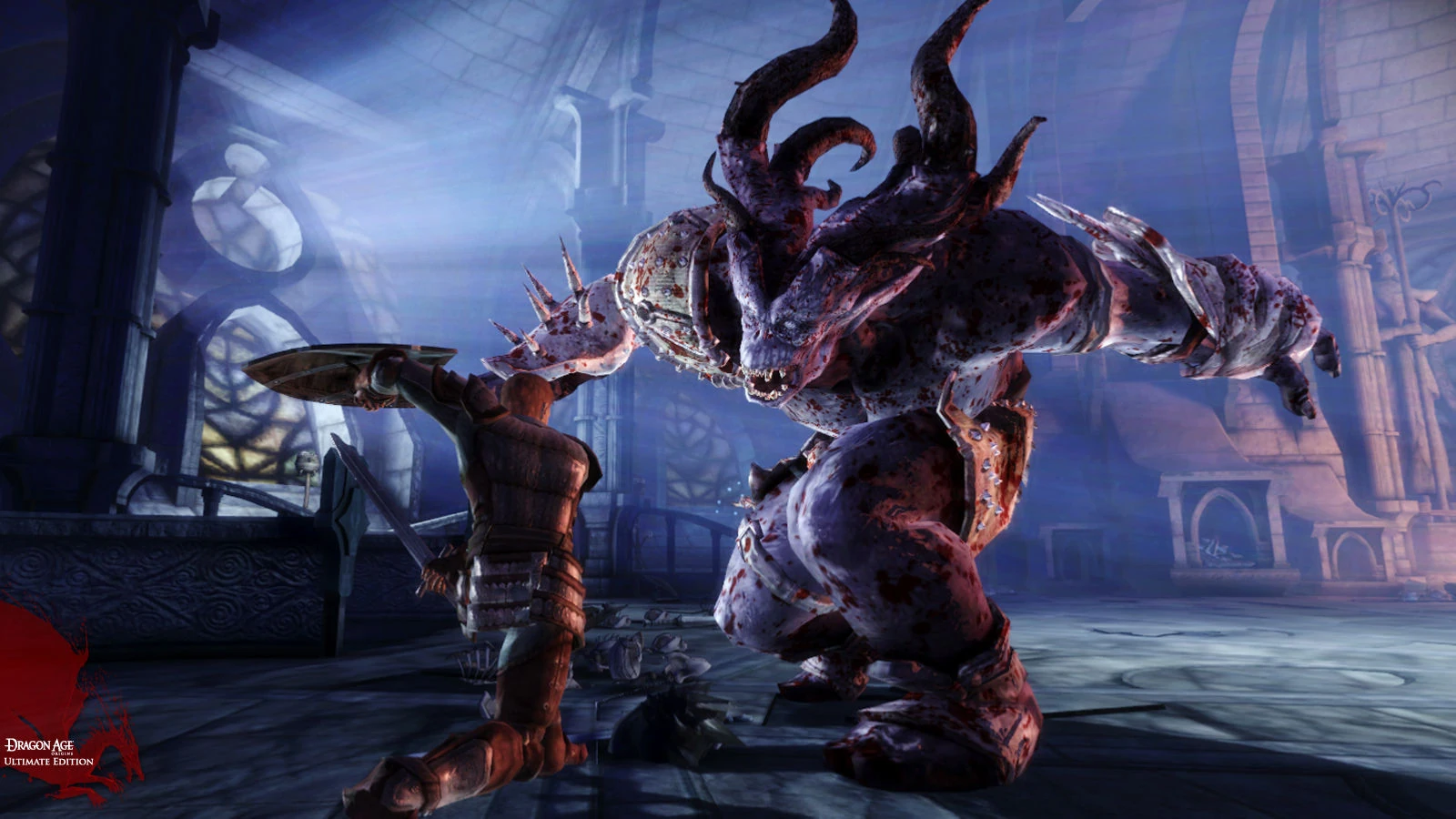
tactical combat with old pc rpg bones
Dragon Age: Origins is not a pure isometric classic, but its PC version clearly carries old tactical RPG blood. The player can pause combat, issue commands, position party members, control threat, manage spells and build a group around roles. Warrior, rogue and mage identities matter, and the game becomes much better when the player stops treating combat like simple real-time action. The tactical camera and pause system gave the PC version a stronger identity. Fights could be messy if played carelessly, especially on higher difficulty, but that was part of the appeal. Mages could dominate, warriors could hold the line, rogues could punish, and party setup mattered. Crowd control, healing, positioning and preparation all played a role. The combat is not flawless. Some encounters drag. Some animations are stiff. Balance can be uneven, and certain builds are clearly stronger than others. But the system has weight because the party matters. You are not only controlling one hero while companions decorate the screen. You are managing a group. That group-based combat is one of the reasons Dragon Age: Origins feels more like a PC RPG classic than many later cinematic RPGs. It allows planning. It allows pausing. It allows mistakes. It gives the player time to think, and in a proper party RPG, thinking is part of the fantasy.
choices that still feel heavy
Dragon Age: Origins is often remembered for its choices because many of them had the right kind of discomfort. They were not always morally clean. The game understood that a strong RPG choice is not simply “good option” and “evil option.” A strong choice makes the player question cost, loyalty, politics, survival and long-term consequences. The Landsmeet remains one of the best examples of BioWare’s old political design. It is not only a final council scene. It is the result of everything the player has done, everyone they have supported and every alliance they have shaped. By the time the player reaches that point, the story feels like it has been moving toward a political reckoning, not only a final battle. The game also has many smaller decisions that stay memorable because they are tied to specific people and places. What happens to the mages? Who rules Orzammar? How is Redcliffe handled? What kind of sacrifice is acceptable near the end? These choices work because they feel connected to the world’s structure, not just to a morality meter. That is a big reason Dragon Age: Origins still stands strong. Its choices were not perfect simulations, but they had dramatic force. They made the player feel like a Grey Warden making ugly decisions in a dying kingdom.
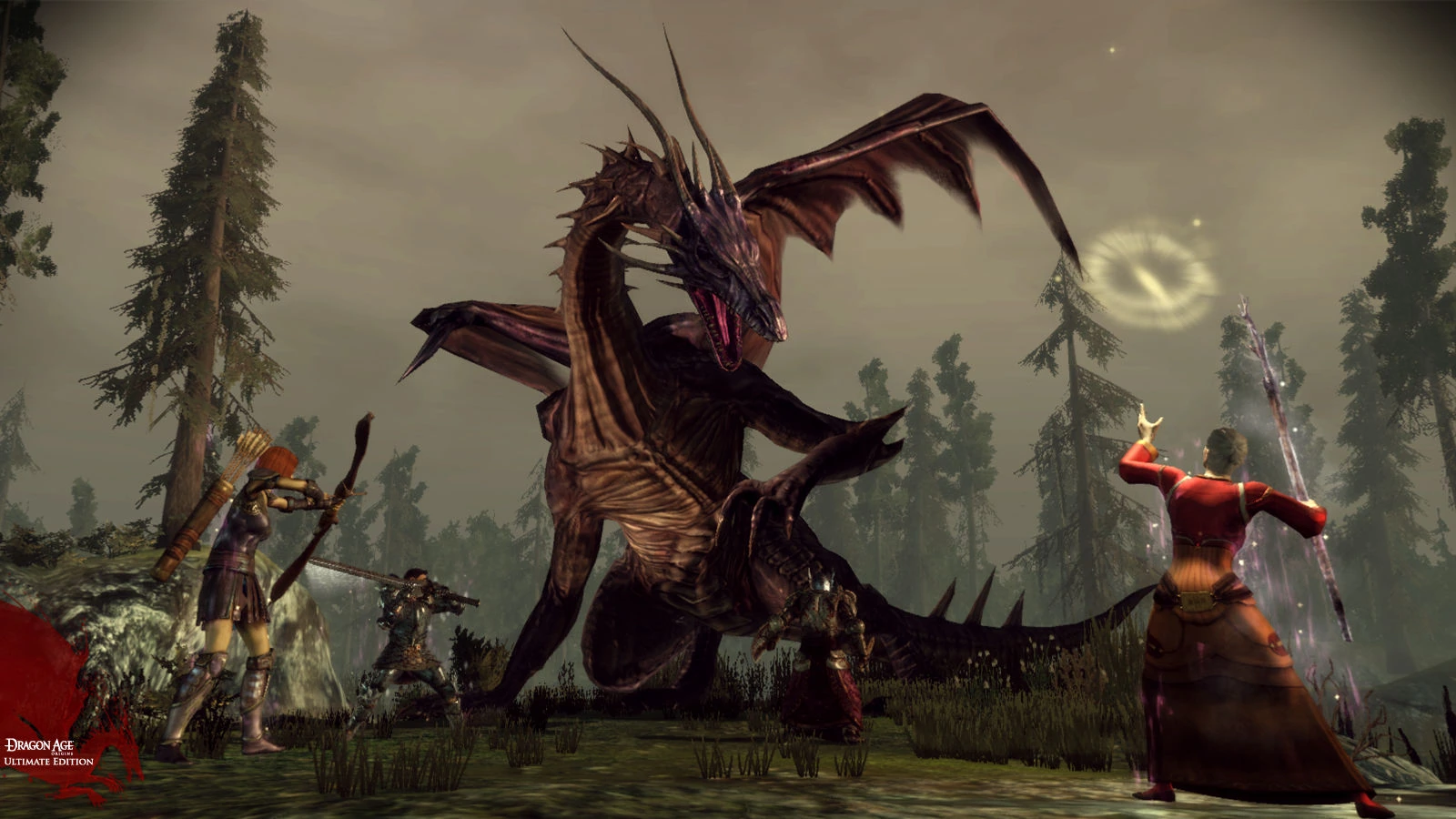
the presentation has aged, but the mood has not
Visually, Dragon Age: Origins is clearly an older game now. Character models, animations, textures and environments show their age. Some locations can feel flat by modern standards, and the game’s brown-heavy visual tone became a common joke over time. But age is not the same as failure. The presentation is dated, but the mood still works. The reason is art direction and writing support each other. The world feels dirty, cold and politically damaged. Even when the visuals are not technically impressive anymore, the atmosphere still carries the player because the world has a strong identity. The music, voice acting, dialogue and grim setting do a lot of work. The soundtrack especially helps the game feel bigger than its visuals. It gives the Grey Warden journey a tragic, almost old-legend quality. The voice performances also remain important, particularly for companions. A weaker cast would have exposed the game’s technical aging much more harshly. Instead, the characters still carry scenes because the writing and performance give them enough personality. Dragon Age: Origins does not look modern, but it still feels like itself. That is more important for a classic game than graphical survival alone.
why it still matters for pc players
For PC players, Dragon Age: Origins still matters because it represents a bridge between old CRPG design and more cinematic BioWare storytelling. It has party tactics, heavy dialogue, origin stories, companion approval, major choices and a dark fantasy world built around politics and consequence. At the same time, it is accessible enough that many players who did not grow up on older isometric RPGs could enter it and understand the appeal. That balance is rare. Too old-school, and the audience narrows. Too cinematic, and the RPG systems can become decoration. Dragon Age: Origins found a strong middle ground. It gave players a story with momentum, but still left room for builds, decisions, party management and role-playing identity. It also stands as a reminder of what BioWare once did extremely well. The studio’s best work was not only about romance, dialogue wheels or epic endings. It was about building a party, placing that party inside a world with real tension, and making the player feel responsible for the consequences. That is why the game remains important even after later Dragon Age entries changed direction. Dragon Age II had its own strengths. Inquisition expanded the scale. The Veilguard went even further into a different modern form. But Origins still holds a special place because it feels like the darkest, most tactical and most old-RPG entry in the series.
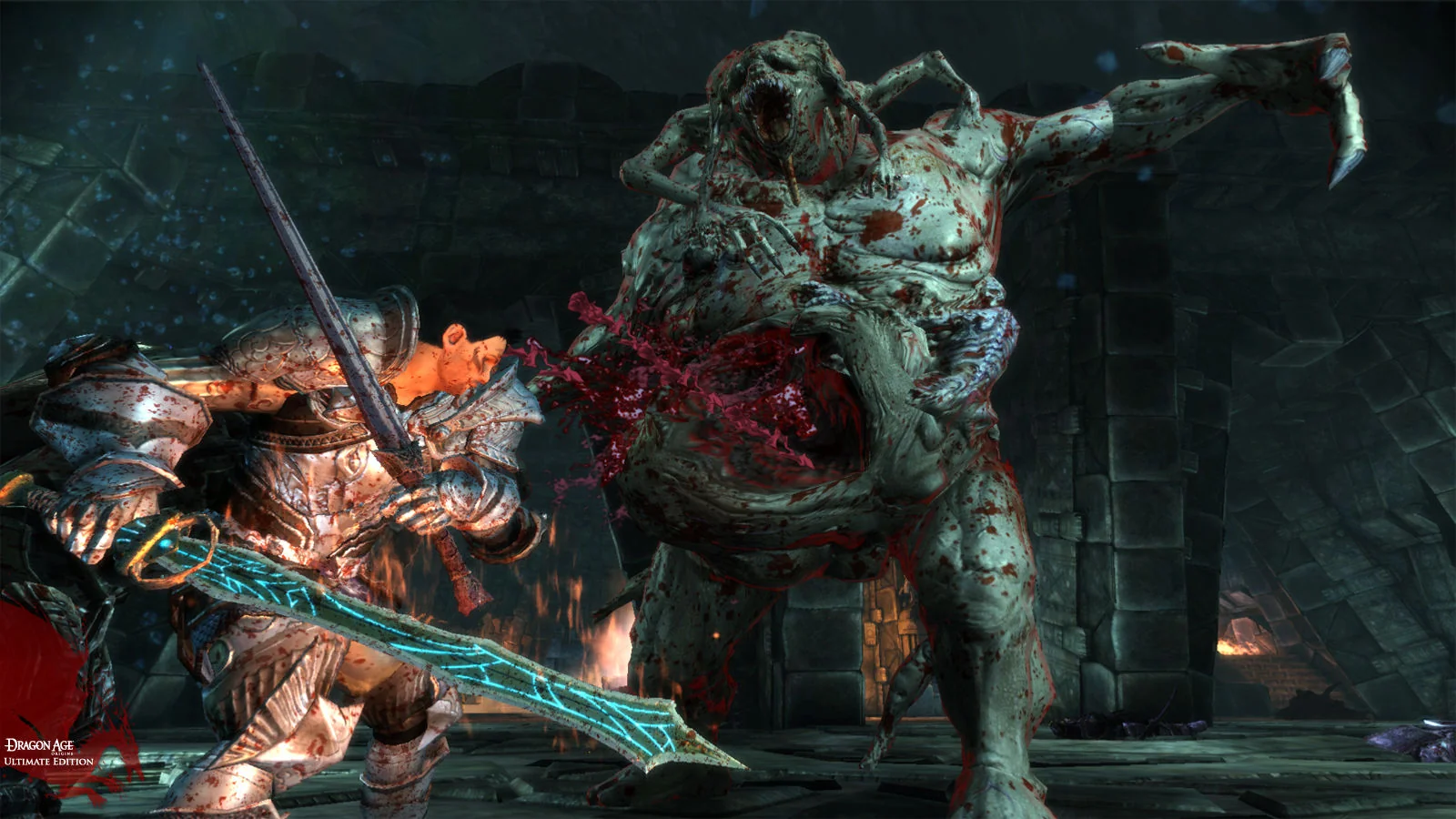
Calling Dragon Age: Origins a classic does not mean pretending it is smooth by modern standards. It has rough edges. Inventory management can become tiring. Some areas drag longer than they should. Combat pacing can feel slow. Visuals are dated. The UI can feel old. Some difficulty spikes are harsh, and not every quest is equally strong. But those flaws exist inside a game with a powerful core. The important parts still work: world, party, choice, consequence, atmosphere and tactical RPG identity. That is why the roughness feels acceptable. It is not the roughness of a game without direction. It is the roughness of a big RPG built with ambition. Many modern games are smoother but lighter. Dragon Age: Origins is heavier, messier and more demanding, but it gives back more in return. It asks the player to sit with the world, learn the party, accept consequences and think before acting. That is classic RPG energy.
who should play it today
Dragon Age: Origins is still worth playing for anyone who cares about party-based RPGs, dark fantasy, meaningful choices and companion-driven storytelling. It is especially important for players who discovered later BioWare games first and want to understand why many older fans still talk about Origins with such respect. It is not the best choice for someone who needs modern action combat, fast pacing or high-end visuals. The game asks for patience. It asks the player to accept older animation, slower battles and a more tactical rhythm. But if that is not a problem, Dragon Age: Origins still offers one of the strongest dark fantasy RPG journeys on PC. The best way to play it today is with the right expectations. Do not approach it as a modern cinematic action RPG. Approach it as a classic party-based RPG with cinematic elements, old-school bones and a world that still has teeth.

![DRAGON AGE: ORIGINS [2009]](https://pcdoorz.com/wp-content/uploads/2026/07/images-5.webp)