BEYOND PC | DEATH STRANDING MOVIE | A24 TAKES ON KOJIMA’S STRANGEST WORLD
A man walking across an empty landscape with cargo on his back should not sound like a natural movie pitch. It sounds slow, strange, maybe even impossible to sell in a normal Hollywood meeting. But that is exactly why Death Stranding is one of the more interesting game adaptations currently moving beyond the PC and console space. It is not a clean action brand. It is not a simple monster movie. It is not a military shooter, a superhero origin story, or a safe fantasy world with easy rules. It is lonely, heavy, symbolic, beautiful, uncomfortable, and often more interested in connection than combat. That makes the upcoming live-action Death Stranding film a risky idea, but also a far more interesting one than another standard game-to-movie conversion. A24 and Kojima Productions are working together on the project, with Michael Sarnoski attached to write and direct. That choice matters. Sarnoski is not the obvious “big blockbuster machine” name. His work on Pig and A Quiet Place: Day One points toward mood, silence, human pressure, atmosphere and careful world-building. For Death Stranding, that may be exactly the better direction. A film version does not need to become louder than the game. It needs to understand why the quiet parts mattered.
not just a direct translation
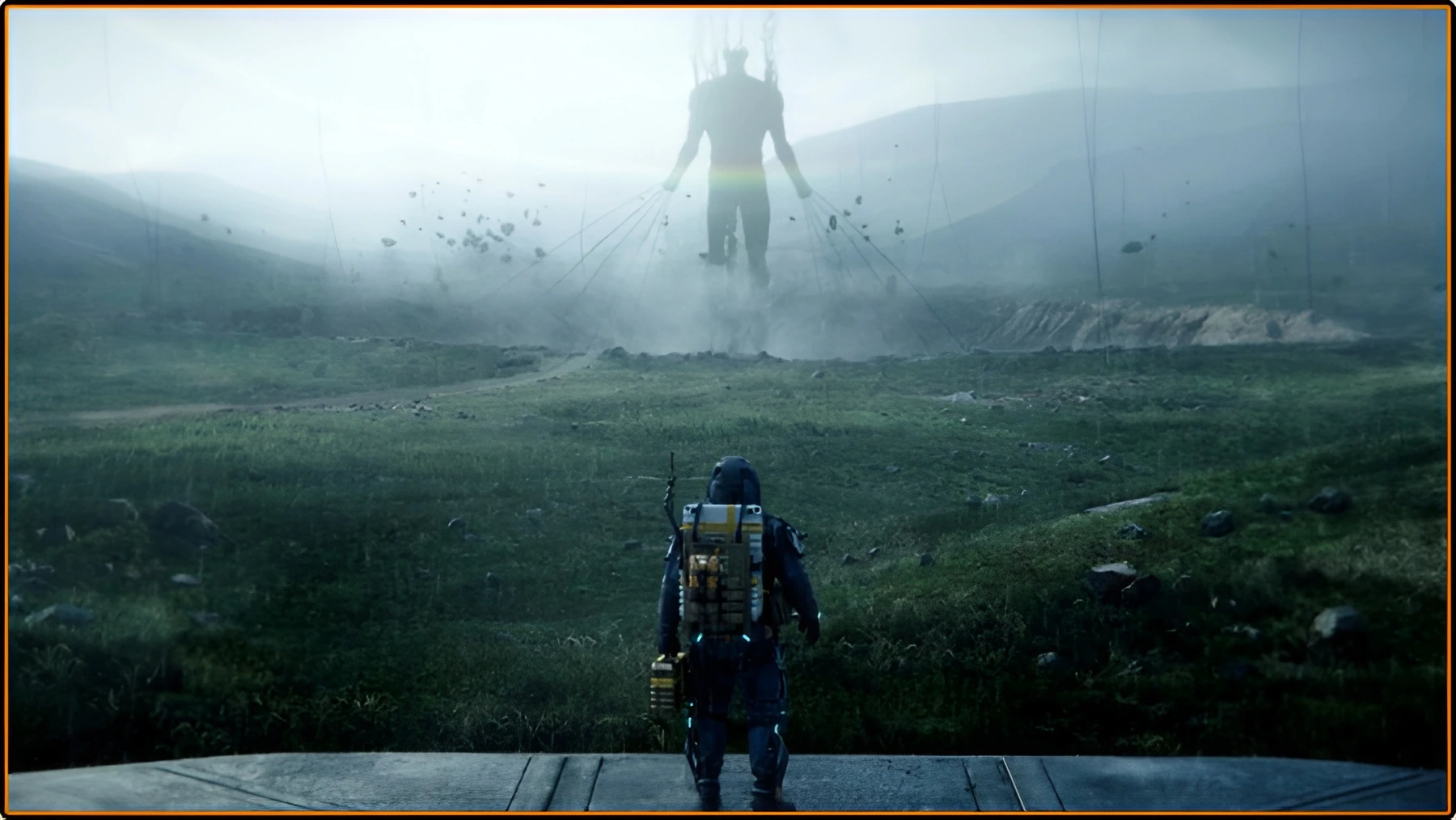
The smartest thing about this project so far is that it does not appear to be chasing a simple copy of the game. Death Stranding already exists as a huge cinematic experience. It has long cutscenes, famous faces, dramatic music, strange terminology, heavy symbolism and one of the most recognizable lead performances in modern gaming. Trying to compress all of that into a two-hour direct retelling would probably be the least interesting route. The better question is not “how do you remake the game as a movie?” It is “what can this world become when it is built for cinema from the beginning?” That is where the A24 angle becomes important. Death Stranding does not need to be treated like a checklist of recognizable things: Sam, BB, BTs, timefall, bridges, cargo, beaches, handprints and long walks. Those pieces matter, but the feeling matters more. The game was powerful because it made distance feel emotional. It made movement feel like labor. It turned delivery into survival, loneliness into design, and connection into something that had to be physically earned. A film can work if it understands that mood. It can fail quickly if it only borrows the iconography.
why a24 makes sense
On paper, A24 is a good match because Death Stranding is not easy material. It needs room for silence, weird images, grief, landscape, body horror, mystery and emotional discomfort. A more traditional studio might try to flatten it into a familiar post-apocalyptic action story. That would miss the point. Death Stranding is strange because it refuses to behave like a normal end-of-the-world story. Its world is broken, but not only through explosions and monsters. It is broken through isolation, fear of contact, fractured systems, damaged trust and a society that survives by linking distant people together. The supernatural threat is important, but the emotional threat is just as important: people have stopped knowing how to reach each other. That idea still feels cinematic. Maybe even more cinematic now than it did when the game first launched. A24 does not guarantee success, of course. A studio label alone does not make a good adaptation. But it does suggest that the project may be allowed to stay weird. That is the part worth watching.
the biggest risk is explaining too much
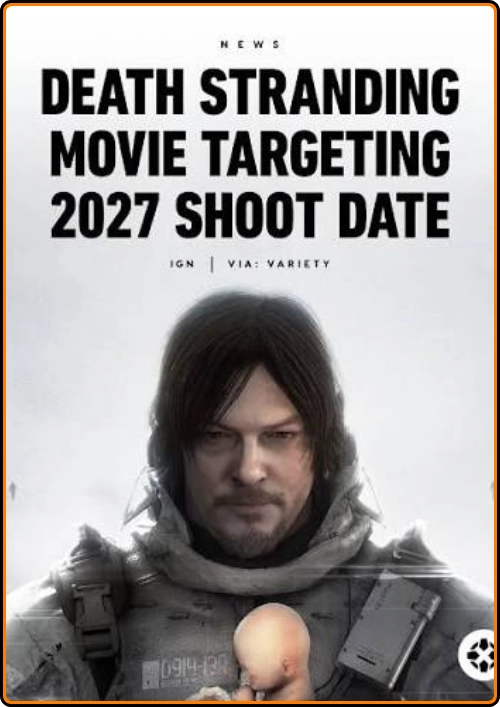
Death Stranding has always had one problem for newcomers: it can sound ridiculous when explained too directly. The names, systems and mythology are part of its identity, but they can also become heavy if thrown at an audience too quickly. A movie cannot spend half its runtime explaining every term. It needs to make the viewer feel the world before it tries to define every corner of it. That may be the real challenge for Sarnoski. The film has to communicate the fear of BTs, the danger of timefall, the sadness of a disconnected world and the strange logic of the Beach without becoming a glossary. The best version would trust images, sound, pacing and human behavior. Let the audience feel the emptiness of the world. Let a long road, a broken shelter or a distant signal carry meaning before characters start explaining the rules. This is where Death Stranding could become something special on screen. Its strongest images are already cinematic: a figure crossing impossible terrain, invisible things pressing into the world, rain that changes the body, a baby pod glowing in the dark, a human connection built across distance. Those ideas do not need to be over-explained if the film is confident enough. A direct Sam Bridges movie would be the easiest marketing choice, but maybe not the best creative one. Norman Reedus is strongly associated with the role, and fans will naturally wonder whether familiar faces will appear. Still, Death Stranding may work better as a new story inside the same universe. That would give the film freedom. It would not have to rush through the game’s plot. It would not have to replace hours of player experience with shortened scenes. It could follow another courier, another region, another group of survivors, or a smaller story shaped by the same broken world. That approach would also make the film more accessible to viewers who never played the game. The Death Stranding universe is bigger than one delivery route. A good film could prove that.