
REVIEW | TES IV OBLIVION REMASTERED | WHEN NOSTALGIA MEETS MODERN CRAFT 
When Oblivion first launched in 2006 it captivated players with its open world, ambition and the promise of freedom in the fantasy realm of Cyrodiil. Now in its 2025 remastered incarnation, the game arrives reborn on Unreal Engine 5 yet the goal is not a full remake, but a thoughtful revival. As someone returning to this world with years of gaming behind me, I approached Oblivion Remastered both with nostalgia and critical curiosity. The result is a game that often shines especially in its visuals and atmosphere but one that also reminds you how much the medium has evolved. With that in mind, here’s how the new version stacks up.
Story & Atmosphere
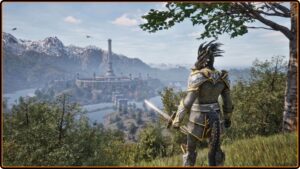
At its core, The Elder Scrolls IV: Oblivion Remastered remains a timeless tale of destiny, chaos, and resilience in the face of cosmic upheaval. The story begins in the dungeons beneath the Imperial City, a familiar yet freshly detailed environment where the player’s fate intertwines with the empire’s crumbling legacy. The assassination of Emperor Uriel Septim VII sets into motion a journey that transcends personal redemption, becoming a desperate quest to restore balance to Tamriel. What makes this remaster’s narrative stand out is not a rewritten plot it’s how the presentation reframes the emotional tone of the story we already know. Every major event, from closing the first Oblivion gate to discovering the last heir of the Septim bloodline, benefits from the enhanced cinematic direction and the environmental storytelling power of Unreal Engine 5. Cutscenes are rendered with greater fidelity, facial animations are more expressive, and lighting effects dramatically elevate key moments like the eerie crimson glow of the Deadlands reflecting off Daedric armor or the first sunrise over a liberated Kvatch. These visual improvements amplify the drama without rewriting history, allowing returning players to experience emotional beats with renewed intensity while introducing newcomers to a world that feels alive and reactive. The province of Cyrodiil has never looked or felt this alive. Cities like Bruma and Skingrad now radiate unique cultural identities through updated architecture, ambient NPC routines, and refined weather effects that influence mood and tone. The Imperial City, once a grand centerpiece but visually limited by 2006’s technology, now stands as a monumental hub that feels genuinely imperial. You can see smoke curling from blacksmith forges, guards changing shifts at dawn, and the glimmer of the White-Gold Tower visible from miles away, anchoring the entire region with a sense of permanence. Atmospherically, the remaster goes far beyond nostalgia. The forests of the Great Forest region are now dense and teeming with wildlife that behaves more naturally. In swamps near Leyawiin, fog rolls low and blends seamlessly with new volumetric lighting, creating a haunting tranquility that makes exploration both calming and unsettling. Dungeons have undergone perhaps the most striking transformation flickering torchlight reflects realistically off damp stone walls, while subtle environmental sounds (dripping water, shifting rubble, echoing footsteps) create an ever-present tension. Even the Daedric realms benefit from the modernization. The Deadlands, once repetitive in design, are now a vivid infernal nightmare with molten rivers that cast realistic heat distortion and embers swirling through the air. The reworked lighting and atmospheric density make these areas feel oppressive, emphasizing the apocalyptic tone of the story. This renewed environmental storytelling heightens the player’s awareness of what’s at stake, grounding the fantasy narrative in tangible realism. The remaster also refines pacing through more immersive transitions between quests and regions. Thanks to faster loading and improved environmental detail, exploration feels more organic no longer broken by immersion-killing pauses or visual pop-in. As a result, the journey from humble prisoner to hero of Cyrodiil unfolds with a cinematic flow that the original could only hint at. Ultimately, Oblivion Remastered succeeds in preserving the heart of its narrative the clash between mortal will and divine chaos while using modern technology to enhance its emotional resonance. The world breathes with newfound vitality, the people feel more real, and the stakes feel heavier than ever. This is no longer just a nostalgic return to Cyrodiil it’s an emotional rediscovery of why this world, and this story, remain unforgettable nearly two decades later.
Gameplay & Mechanics
A key strength of Oblivion Remastered is the way it preserves the signature framework of the original skill-based progression, faction questlines, and an emphasis on exploration—while smoothing rough edges. Character creation and advancement still center on usage of skills rather than fixed level‐ups, which gives a sense of organic growth. Combat has also been refined: animations are more fluid, spellcasting has better feedback, and overall responsiveness is improved. Sources like Wccftech note third-person controls and animations have been significantly polished. That said, some foundational mechanics still reflect the era of their origin. The level-scaling system which has long been controversial has been re-balanced, but not removed; you’ll still encounter odd difficulty spikes or strange enemy scaling. As PC Gamer observed: “Melee combat remains a disappointment …the AI seems pulled directly from 2006.” Quality-of-life changes (cleaner UI, better quest tracking, health auto-regen outside combat) go a long way toward modernising the experience, but those expecting the depth or polish of recent top-tier RPGs may find some systems showing their age.
Audio & Visual Presentation
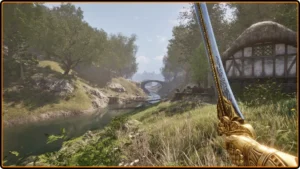
If there’s one area where Oblivion Remastered truly stands out, it’s in how it looks and sounds. Leveraging Unreal Engine 5’s Nanite and Lumen technologies, the world has been re-imagined with enhanced lighting, denser vegetation, longer draw distances and improved reflections. Reviewers at Next-Play describe it as “night and day difference compared to the original release.” Ambient audio has likewise been expanded: the orchestral score by Jeremy Soule sounds broader and richer, ambient effects layer in greater subtlety, and even the creaks, whispers and wildlife noise help build immersion. Character models and animations are updated to a point where returning players feel comfortable but not so much that the original look is lost. However, this visual leap comes with a cost. Multiple performance analyses find that the game demands more than the listed specs suggest even on XP-grade hardware you may encounter frame dips, especially in dense areas or with high settings. Also, despite the gorgeous visuals, voice assets and NPC interaction still carry the weight of older design, meaning you’ll occasionally hear repetitive lines or encounter dated facial animations.
Performance & Technical Notes
On paper it supports modern builds but real-world testing tells a more nuanced story. Minimum specs suggest AMD Ryzen 5 2600X or Intel i7-6800K with 16 GB RAM and GPU like Radeon RX 5700 or GTX 1070 Ti. Recommended specs push up to Ryzen 5 3600X or i5-10600K with 32 GB RAM and Radeon RX 6800 XT or RTX 2080. Yet PC users report that even hardware above these thresholds can encounter instability: some GPUs with 8GB VRAM struggle, stutters occur, and puzzlequest updates are required. Console versions tend to fare better in stability, but still suffer from long load times and occasional glitches. Bethesda has issued patches, but the consensus remains that this is a visually ambitious remaster that isn’t always optimised for all configurations. The verdict: if you have a modern high-end PC or console, you’ll likely enjoy it if not, you may need to dial down settings or accept imperfect performance.
Value & Content
Oblivion Remastered comes bundled with the full original game and expansions (Knights of the Nine, Shivering Isles), making it a comprehensive package. The remaster’s launch price sits reasonably for what you get an iconic RPG, modernised presentation and full content. For fans of the original, there’s strong value here. On the flip side, new players might compare this experience unfavourably with other modern RPGs offering deeper AI, seamless mod support or more fluid mechanics. One sticking point is the lack of official mod support at launch, which limits community creativity compared with earlier Bethesda games.
Conclusion
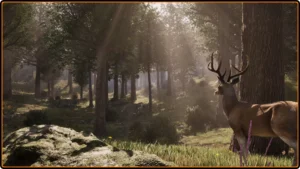
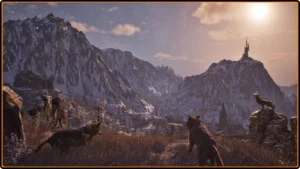
The Elder Scrolls IV: Oblivion Remastered is not simply a visual update it’s a tribute to one of the most formative RPGs ever made. It embodies what a modern remaster should strive for: technical modernization balanced with deep respect for the original’s soul. Bethesda and Virtuos have managed to rekindle that unmistakable Oblivion magic the sense of stepping into a living, breathing world where exploration feels meaningful and discovery is rewarded not just with loot, but with wonder.This remaster is, above all, a reaffirmation of what made the Elder Scrolls series revolutionary in the first place. The sense of player freedom, the intricate lore woven through every corner of Cyrodiil, and the poetic contrast between the mundane and the mythical all shine brighter than ever. Yet, what truly impresses is how the remaster doesn’t just rely on nostalgia; it elevates the emotional and thematic undertones of the original. Themes of fate, duty, and sacrifice are more palpable when presented in such a beautifully revitalized setting one where visual detail and sound design work in harmony to support the game’s narrative gravity. Technically, this is the most impressive version of Oblivion to date. From seamless loading zones and reworked combat animations to the nuanced lighting and physics-based effects, nearly every aspect of the presentation has been touched. Still, imperfections remain performance dips, especially on PC, and lingering AI quirks occasionally break immersion. These aren’t dealbreakers, but they remind us that this is still, at its foundation, a game from 2006 given a second life. And that’s perhaps its most fascinating duality: a game straddling two eras, where modern polish meets old-world design philosophy. Mechanically, the remaster embraces evolution through restraint. Bethesda resisted the urge to transform the gameplay entirely, instead fine-tuning what already worked and smoothing what didn’t. The rebalanced level-scaling, streamlined menus, and refined combat flow make for a smoother, more accessible experience, especially for newcomers. Yet it’s the intangibles the mood, the texture of the world, the way the music swells as you crest a hill and see the Imperial City glowing on the horizon that truly capture why Oblivion endures. Perhaps the most rewarding part of Oblivion Remastered is its ability to inspire a renewed sense of adventure. Even for those who’ve played the original countless times, returning to Cyrodiil feels different. The improved visuals and atmosphere breathe fresh life into familiar locations; guild questlines and side missions take on new emotional resonance simply because the world supporting them feels more believable and alive. And for players who missed Oblivion the first time around, this edition serves as the perfect gateway into the legendary world of Tamriel an introduction that feels both accessible and historically grounded.Still, this remaster’s value depends on expectation. If you’re seeking a reinvention on the scale of Final Fantasy VII Rebirth or Resident Evil 4 Remake, you may find Oblivion Remastered too conservative. It’s a faithful restoration, not a radical rebirth. But if you appreciate authenticity if you want to experience one of gaming’s great milestones the way it always should have looked and sounded then this remaster delivers with grace and confidence.