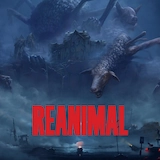
REVIEW | REANIMAL | PSYCHOLOGICAL HORROR DRIVEN BY MOOD & ISOLATION
Reanimal doesn’t throw horror at you from the dark. It doesn’t scream for attention, and it doesn’t rush to prove how disturbing it can be. It waits. It settles into the walls, into the air, into the silence between your footsteps. From the first minutes, it feels less like a game trying to scare you and more like a place that quietly resents your presence. You’re not meant to be here, and the world makes that clear without ever spelling it out. Doors creak with the weight of old decisions, corridors feel too narrow for comfort, and every sound carries the faint suggestion that something else is listening. Reanimal doesn’t hurry you. It lets the atmosphere do the slow, patient work of getting under your skin. This is a horror experience that understands restraint. It doesn’t rely on constant shock tactics or loud set pieces. Instead, it builds a mood that clings to you long after you’ve put the controller down. The environments feel deliberately designed to be uncomfortable, not because they’re filled with monsters at every turn, but because they feel abandoned in the wrong way. There’s a sense that something once lived here, suffered here, and never truly left. The game is at its strongest when you’re alone with that feeling, moving forward not because you want to, but because standing still feels even worse.

A World That Breathes in Silence
Reanimal’s environments are the backbone of its identity. Every location feels like it has a memory it doesn’t want to share, yet it leaks through the cracks in the walls and the flicker of broken lights. The visual design leans into decay, but not in an over-the-top way. This isn’t the kind of horror that splashes gore across every surface. It’s more restrained, more suggestive. Rusted metal, damp concrete, peeling paint, and rooms that feel like they’ve been empty for far too long. The spaces feel lived-in, then abandoned, then left to rot. That progression matters because it creates the feeling that you’re walking through the aftermath of something deeply wrong rather than a theme park built to scare you. Lighting plays a huge role here. Shadows aren’t just darkness; they feel thick, like they carry weight. Sometimes you’ll see movement that might be nothing more than your own reflection or the trick of a flickering bulb. Other times, the game makes you question whether what you saw was real at all. Reanimal uses light sparingly, often forcing you to navigate half-seen spaces where your imagination fills in the worst possibilities. The environments don’t scream danger. They whisper it, and that whisper is often more effective. What really sells the atmosphere is the sound design. The audio landscape in Reanimal is carefully layered, with distant creaks, muffled thumps, and low ambient tones that never quite let you relax. Silence is used as a tool, not as empty space. When the game goes quiet, it feels intentional, like the world is holding its breath along with you. Footsteps echo in a way that makes you feel small, and subtle environmental sounds hint at movement beyond your field of view. Even when nothing is happening, it feels like something could happen at any moment, and that tension becomes part of the experience.
Storytelling Through Unease
Reanimal doesn’t rely on heavy exposition or constant narrative dumps. Instead, it tells its story through the spaces you move through and the small details scattered across them. Notes, environmental clues, and fragmented hints paint a picture of what happened here without ever giving you the full story outright. This approach works well because it mirrors the emotional tone of the game. You’re not meant to fully understand everything. You’re meant to piece together fragments and live with the discomfort of not knowing the whole truth. The narrative that emerges feels personal and grounded in trauma, loss, and the aftermath of human decisions. There’s a quiet sadness running beneath the horror, a sense that whatever horrors exist in this world are not just monsters but reflections of deeper, more human pain. The game doesn’t romanticize that suffering. It presents it in a raw, uncomfortable way that makes the environments feel like echoes of emotional wounds rather than just spooky locations. What stands out is how the story respects the player’s intelligence. It doesn’t over-explain its themes or motivations. Instead, it trusts you to connect the dots. That trust adds to the immersion because you’re actively engaging with the world, not just consuming a pre-packaged narrative. The result is a story that lingers in your mind, not because of dramatic cutscenes, but because of the quiet moments where you realize what might have happened here.
Solo Experience as the Core of the Game
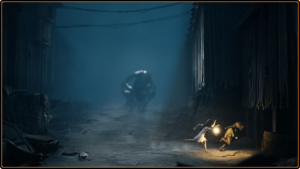
While Reanimal offers cooperative elements, the heart of the experience is undeniably the solo journey. Playing alone amplifies everything the game does well. The isolation becomes part of the horror, and the atmosphere feels heavier when there’s no one else to share the tension with. In solo play, every sound feels more threatening, every shadow more suspicious. There’s no safety net, no reassuring presence. It’s just you and the environment, and that’s where the game feels most honest. The pacing of solo play is carefully tuned to keep you on edge without overwhelming you. There are moments of relative calm where you can explore and take in the details, followed by stretches of heightened tension that test your nerves. This rhythm keeps the experience engaging without turning it into a constant barrage of scares. The fear in Reanimal comes from anticipation as much as from confrontation, and solo play leans into that beautifully. Emotionally, the solo experience feels more personal. The themes of isolation and vulnerability resonate more strongly when you’re navigating the world alone. You’re not just a player moving through a level; you feel like a presence intruding on a place that doesn’t want to be disturbed. That feeling of being unwelcome, of being watched by a world that remembers its pain, is central to Reanimal’s identity, and it lands best when you’re alone with it.
Mechanics That Stay Out of the Way
Reanimal’s gameplay mechanics are deliberately restrained. The game doesn’t try to reinvent the wheel or overwhelm you with complex systems. Movement feels grounded and slightly weighty, which adds to the sense of vulnerability. You’re not sprinting through environments like an action hero. You move carefully, deliberately, often hesitating before stepping into the unknown. That slower pace reinforces the horror because it forces you to commit to every decision. Interaction with the environment is simple but effective. You’re encouraged to explore, to examine objects, and to piece together clues, but the game doesn’t turn this into a tedious scavenger hunt. Puzzles are integrated into the environment in a way that feels natural, often requiring you to pay attention to subtle details rather than follow obvious markers. This design choice keeps you engaged with the world itself rather than pulling you out of the experience with artificial mechanics. Combat, where present, is not the focus. Reanimal doesn’t empower you with a large arsenal or encourage aggressive play. Encounters feel tense and often avoidable, reinforcing the idea that survival is about awareness and caution rather than brute force. This approach keeps the tone consistent with the game’s atmospheric goals. You’re not meant to dominate this world. You’re meant to survive it, and sometimes just barely.
The Emotional Weight of Atmosphere
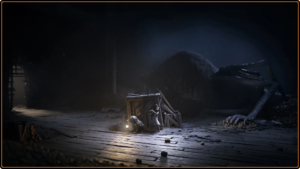
Atmosphere is not just a visual or auditory element in Reanimal. It’s the emotional backbone of the entire experience. The game understands that true horror often comes from mood rather than spectacle. The feeling of walking through a space that carries emotional residue, of sensing that something terrible happened here without being told exactly what, creates a lingering unease that sticks with you. This is where Reanimal truly shines. The environments don’t just look unsettling; they feel heavy. There’s a sense of emotional density to the world, as if every room is layered with memory and regret. That weight makes even simple exploration feel significant. You’re not just moving from point A to point B. You’re traversing a space that feels haunted by its past. This emotional texture gives the game a unique identity among horror titles, setting it apart from experiences that rely more heavily on shock value. Moments of quiet reflection are particularly effective. Sometimes you’ll find yourself standing in a room, listening to the ambient sound, taking in the small details of decay and neglect. These moments aren’t filled with action, but they’re filled with meaning. They give you space to absorb the atmosphere and let the tension sink in. In a genre that often prioritizes constant stimulation, Reanimal’s willingness to slow down feels refreshing and confident.
Technical Performance and Presentation
From a technical standpoint, Reanimal presents itself competently, with strong art direction and consistent performance. The visual style is cohesive, favoring moody lighting and detailed environments over flashy effects. Textures and environmental details hold up well, contributing to the believability of the world. The character models, while not the central focus, fit the tone of the game and don’t distract from the atmosphere. Performance is generally stable, and the game runs smoothly across supported platforms. Minor technical hiccups may appear, as with most releases, but nothing that fundamentally breaks the experience. Load times are reasonable, and transitions between areas feel seamless enough to maintain immersion. The interface stays out of the way, presenting only what’s necessary and avoiding clutter that could break the mood. The audio presentation deserves special mention. The sound design is one of the strongest aspects of Reanimal, with careful attention paid to environmental audio and subtle cues that enhance tension. Music is used sparingly, often giving way to ambient soundscapes that feel more organic and unsettling. When music does appear, it’s understated, reinforcing emotional beats rather than overwhelming them.
Co-op as a Secondary Option
Although cooperative play is available, it feels more like an optional layer than the intended core experience. Playing with another person can change the tone of the game significantly. The presence of a second player naturally reduces the sense of isolation, which is such a central part of Reanimal’s identity. While co-op can be enjoyable in its own way, it slightly dilutes the emotional weight and tension that make the solo experience so powerful. That doesn’t mean co-op is poorly implemented. It functions well enough and offers a different way to experience the world, especially for players who prefer shared experiences. However, the atmosphere and pacing feel more carefully tuned for solo play. The game’s design choices, from environmental storytelling to sound design, seem built around the idea of a lone player navigating an oppressive space. Co-op works, but it feels like an alternative flavor rather than the main dish.
Final Thoughts on the Experience
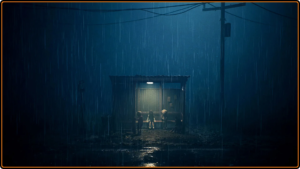
Reanimal is not a game that tries to impress with bombast or spectacle. Its strength lies in its patience, its restraint, and its commitment to atmosphere. The solo experience, in particular, stands out as a carefully crafted journey into isolation and unease. The world feels heavy with unspoken stories, and the game trusts you to sit with that weight rather than rushing you through it. The mechanics support the mood without getting in the way, and the storytelling respects your ability to engage with subtlety. Reanimal doesn’t aim to be the loudest or most shocking horror experience. It aims to be the one that lingers in your thoughts after you’ve turned the game off. In that, it succeeds. The atmosphere is the game’s greatest strength, and it’s woven into every aspect of the experience, from visual design to sound to pacing. If you’re looking for a horror game that values mood over spectacle and solitude over constant action, Reanimal delivers a memorable, unsettling journey. It’s not perfect, and some players may wish for more variety in mechanics or more explicit narrative beats. But for those willing to sink into its slow-burn horror, it offers an experience that feels cohesive, thoughtful, and emotionally resonant. Taken as a whole, Reanimal comfortably earns its 85 rating, carried by atmosphere and a strong solo experience.