REVIEW | CRONOS: THE NEW DAWN | IMMERSIVE HORROR IN A TIME-TORN LANDSCAPE
When I first launched Cronos: The New Dawn, I wasn’t entirely sure what to expect. Knowing it came from Bloober Team the same team behind the Silent Hill 2 remake my expectations were high. As the screen faded in and the first ruins of post-apocalyptic Poland appeared before me, I immediately felt the game pulling me in. And honestly, it did. This blend of retro-futuristic aesthetics, body horror, and a sense of future despair may not be perfect, but it definitely creates an atmosphere that sticks with you. You play as the “Traveller,” sent by a mysterious “Collective” to travel back to the 1980s and try to save fragments of past lives. Among futuristic ruins and desolate 80s buildings, you fight “orphans” humans turned into grotesque monsters. A unique mechanic requires you to burn each corpse quickly; otherwise, it merges into an even more dangerous foe. This “don’t let bodies merge” system changes the way you approach combat and survival, giving every encounter weight. Over roughly 15 hours of gameplay (without rushing), the game mixes horror, sci-fi mystery, and survival. While not flawless combat can become repetitive, and resources are scarce the feeling of tension and threat keeps you on edge.
Atmosphere and World: Ruins of the Past and Horror of the Future
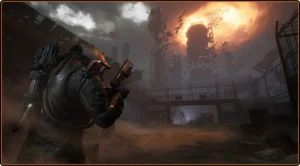
Where Cronos truly shines is in crafting a world that feels both haunting and alive. The game’s environment a careful fusion of brutalist 1980s architecture, dilapidated urban landscapes, and retro-futuristic technology radiates a somber beauty that lingers in your mind long after playing. Each street, corridor, and ruined building tells a story of collapse and neglect. Often, I found myself pausing to absorb the smoke-filled skylines, scattered debris, flickering neon lights, and the subtle interplay of shadows across crumbling walls. These visual cues aren’t just decoration they set a constant mood of tension and unease, making the world feel oppressive yet strangely captivating. Sound design amplifies this effect. The faint drip of water in a distant hallway, the metallic squeak of doors, whispers from unseen corners, and the occasional groan of a collapsing structure create a layered, immersive experience. The game rewards players who take the time to listen: even minor environmental noises can hint at hidden threats or guide exploration. Unlike many horror titles that rely on sudden loud noises or jump scares, Cronos builds a persistent psychological pressure. You feel a creeping dread as you navigate, a slow but steady tension that keeps you alert. Lighting plays a similarly crucial role. The interplay of harsh industrial lights, flickering neon signs, and deep shadows adds depth and realism. It enhances the narrative without dialogue, showing decay, abandonment, and the impact of past catastrophes. Even outdoor areas, often blanketed in fog or dim sunlight, feel atmospheric rather than empty, giving a sense of scale and history to the ruined cities. Despite these strengths, the level design occasionally undermines exploration. Many streets and interiors follow similar structural patterns, and certain zones reuse visual assets, which can reduce the sense of novelty. While the game creates a convincing world for short bursts, longer play sessions can make some areas feel familiar and predictable. Some players may crave more environmental variety such as contrasting rural landscapes, interior layouts, or unique landmark structures to sustain that initial awe and sense of discovery. Overall, the environment in Cronos is a character in its own right. It balances beauty, decay, and horror to create a living, breathing backdrop for the story and gameplay. While minor repetitiveness exists, the meticulous attention to visual and auditory detail elevates the experience, making the world compelling to explore, tense to traverse, and unforgettable in its haunting atmosphere.
Gameplay and Combat: Tension Through Limitations, But Not Without Frustration
Combat in Cronos blends strategy and panic. You can’t just spray bullets; ammo is scarce and resources are precious, so every shot counts. This scarcity adds weight to each encounter, reminiscent of classic survival horror games rather than modern “spray and pray” shooters. However, combat can feel repetitive at times. Enemy types and encounter patterns sometimes repeat, which can make late-game sections feel like a grind. The “burn bodies immediately” mechanic, while clever, can feel tedious when combined with scarce resources. The “essence” system adds another layer. Harvesting souls gives you power, but over time it starts to weigh on your character. Visual flares, whispers, and psychic pressure increase tension. This mechanic adds depth to combat and exploration, but in long sessions, it can become a bit overwhelming or distracting. While the horror moments land well, combat sometimes lacks fluidity and variety. It’s solid, but not the high-octane thrill some players may expect from a modern survival horror title.
Story and Motivation: A Journey Through Time and Human Tragedy
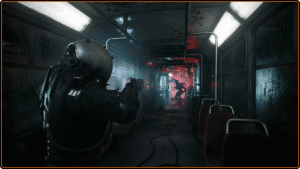
The narrative of Cronos: The New Dawn is one of the game’s most compelling aspects, weaving a tale that stretches across time and explores the fragility of human existence. Players move between a bleak post-apocalyptic future and the more familiar, yet equally haunting, 1980s, attempting to alter past events and prevent disastrous outcomes. The core mechanic of collecting essences fragments of lost lives reinforces the story by connecting gameplay directly to the human cost of the world’s collapse. Each essence harvested or lost tells a micro-story of regret, survival, or fleeting hope, adding emotional weight to the player’s actions. The storytelling is largely environmental and indirect. Audio logs, personal journals, and fragmented memories scattered throughout the game provide context for the desolation and tragedy that shaped this world. These elements paint vivid images of individuals struggling with fear, guilt, and loss, giving the player a sense of the broader societal collapse. The dialogue, while not polished to cinematic perfection, often feels raw and genuine, reflecting the desperation and humanity of those left behind. Occasionally, this roughness enhances immersion, making moments of quiet reflection and personal tragedy resonate more strongly. However, pacing can be uneven. Some sequences rely heavily on reading notes or listening to audio logs, which can feel like filler and momentarily halt the narrative momentum. Players may occasionally experience lulls where survival mechanics take precedence over story engagement, and tension dips as a result. Yet, these slower periods often serve as a breather before more intense sequences, providing contrast that heightens the impact of climactic moments. Characterization, though subtle, is effective. You encounter individuals whose motivations are ambiguous, sometimes morally gray, forcing players to interpret events and form their own emotional connections. This ambiguity adds depth, encouraging reflection on human nature, regret, and the consequences of inaction. While the story doesn’t always follow a tight, linear path, its fragmented, almost diary-like structure mirrors the fractured world it depicts, making the player feel as though they are piecing together lost histories themselves. Ultimately, the story of Cronos blends tragedy, mystery, and moral reflection. It rewards patient exploration, attentive listening, and engagement with the game’s world, making each discovery feel meaningful. While minor pacing issues exist and some narrative segments could feel slow for those eager for constant action, the game succeeds in creating a sense of urgency, empathy, and emotional investment that stays with players long after they step away from the console or PC.
Technical Aspects, Performance, and Issues
Visually, Cronos: The New Dawn makes a strong impression. The post-apocalyptic environments are richly detailed and atmospheric, from crumbling concrete structures and rusting industrial equipment to overgrown streets and flickering neon signs. The lighting and shadow effects are carefully crafted, creating a sense of depth and realism that pulls you into the world. Dynamic weather effects and subtle particle simulations, like drifting dust or falling ash, further enhance the immersion and make each scene feel lived-in, not just staged. Even small details, such as peeling paint, broken glass, or scattered debris, contribute to the sense of decay and reinforce the narrative of a society long abandoned. However, the technical performance is not without flaws. Frame drops and stuttering occur occasionally, particularly in more densely populated areas or during intense sequences involving multiple enemies and environmental effects. Slow texture loading can interrupt immersion, especially when entering new zones, and occasional camera jitter during tight corridors or combat encounters may throw off precision. These issues are more noticeable on mid-range or lower-end systems, but even high-end PCs sometimes experience minor hitches during prolonged sessions. While not game-breaking, they do remind players that the game is pushing ambitious visuals for a relatively modest engine. Level design is largely linear, which helps guide the player through the story but limits freedom of exploration. Backtracking and revisiting previously explored zones can feel repetitive, and the lack of verticality or hidden branching paths reduces the sense of discovery. That said, the linearity is partly mitigated by environmental storytelling small touches like destroyed murals, abandoned vehicles, and scattered personal effects help keep familiar areas interesting and layered with narrative clues. Audio is one of Cronos’ strongest technical assets. The soundscape is dense and layered, combining ambient environmental noises with subtle effects that enhance tension. Distant screams, metal creaks, wind through broken windows, and low-frequency rumbles all contribute to an atmosphere of unease. Music is used sparingly but effectively, accentuating suspense during key story beats without overwhelming the player. This careful sound design transforms ordinary exploration into nerve-wracking moments where even a single unexpected noise can trigger genuine tension. Despite these strengths, occasional glitches or minor visual inconsistencies can break immersion. Objects may clip through walls, shadows can flicker unnaturally, or some textures might fail to render perfectly at a distance. While these issues are relatively rare and don’t significantly hinder gameplay, they serve as small reminders that the game is ambitious in scope and experimental in design. Overall, the technical package of Cronos balances ambition with imperfections. Its visual and auditory design creates a highly immersive, tense world, even if performance and linear level design impose occasional limits. Players willing to tolerate minor hitches will find themselves deeply engaged in a game that carefully blends aesthetic detail with a pervasive sense of dread and mystery.
First-Person Impressions: Thrill and Frustration
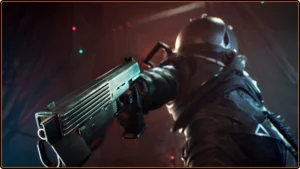
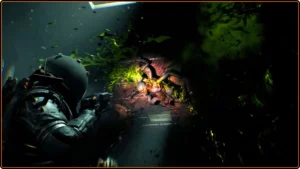
Playing Cronos:The New Dawn in first-person delivers moments of intense immersion that are hard to forget. There are times when the game truly captures the precariousness of survival: standing before a crumbling tower, low on ammo, listening to distant, echoing footsteps while your grip tightens around the controller or mouse. The sense of vulnerability is reinforced by subtle environmental cues flickering lights, shifting shadows, and distant metallic clangs making every movement feel deliberate and consequential. These instances, where tension builds naturally rather than being forced, are some of the most memorable experiences in the game. Yet, the game is far from perfect. Frustration can creep in during longer play sessions, particularly when unexpected enemy spawns catch you off guard, scarce resources make encounters punishing, or minor glitches interrupt gameplay. Certain areas may have repetitive enemy placements, and while the essence collection mechanic adds a narrative layer, it can occasionally feel cumbersome when visual or audio clutter overwhelms your focus. These moments can break immersion and create a sense of annoyance, especially when multiple small frustrations accumulate over time. Combat and navigation require both patience and strategy. The game encourages careful observation and thoughtful movement rather than aggressive rushing. While this deliberate pace enhances tension, it may feel slow to players used to more fast-paced action or shooters. On the other hand, when you succeed escaping a dangerous situation, defeating a challenging enemy, or piecing together environmental clues—the payoff is immensely satisfying. Each victory feels earned, and the interplay between careful exploration and sudden bursts of danger keeps you engaged. One of the game’s strengths lies in how it blends thrill with storytelling. Environmental storytelling, ambient sound cues, and scattered logs or notes create a living world that reacts to your presence. The horror elements are subtle but effective: psychological tension builds as you explore empty streets or decrepit buildings, and the occasional sudden movement or sound reinforces the feeling that danger is never far away. This approach rewards attentive players, making the world feel alive and unpredictable. Overall, Cronos: The New Dawn leans more toward “rewarding” than “frustrating.” While occasional annoyances and technical hiccups can interrupt the experience, the combination of suspenseful first-person exploration, atmospheric design, and a compelling story makes these flaws easier to forgive. Patience and persistence are rewarded, and the game’s tense, immersive moments remain etched in your memory, striking a balance between thrill, challenge, and narrative depth.