REVIEW | CANYON DEIMOS SGCH-4 GAMING CHAIR | A SENSIBLE TAKE ON MID-RANGE COMFORT
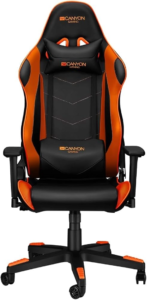
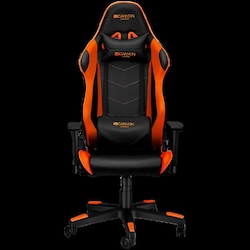
The Canyon Deimos GC-4 occupies a very specific and often underestimated position in the gaming chair market. It is not designed to challenge high-end ergonomic chairs, nor does it attempt to disguise itself as a premium product through exaggerated claims or unnecessary visual drama. Instead, it sits firmly in the mid-range category, aiming to provide structural reliability, acceptable ergonomics, and long-term usability at a price point that remains accessible. This positioning matters, because many gaming chairs fail precisely by pretending to be something they are not. The Deimos GC-4 avoids that trap by focusing on fundamentals rather than spectacle. What this chair is clearly designed for is prolonged daily use. It targets users who spend several hours at a desk every day, whether for gaming, work, or mixed usage, and who need something more substantial than a basic office chair but are not prepared to invest in high-end ergonomic seating. The design language is recognisably “gaming”, yet restrained enough to blend into a home office environment without dominating it. That balance between identity and practicality defines the entire product.
Construction and Structural Integrity
The core of the Deimos GC-4 is its steel frame, and this is where the chair immediately establishes credibility. A solid internal structure changes how a chair feels long before comfort comes into play. There is no flex when leaning back, no twisting sensation when shifting weight, and no audible creaking under normal use. This rigidity contributes directly to perceived quality and long-term confidence in the product. Chairs that rely heavily on plastic components often feel unstable over time, even if they appear acceptable at first. The GC-4 avoids that problem by building its foundation around metal where it matters most. The base and support components continue this theme of functional solidity. The five-point base distributes weight evenly, and the chair maintains balance even when fully reclined. The gas lift mechanism operates smoothly and predictably, with no sudden drops or delayed responses. Over extended use, this consistency becomes increasingly important, as instability in height adjustment or tilt mechanisms tends to worsen rather than improve. The Deimos GC-4 behaves like a chair designed to be used daily, not one meant to impress during the first week.
Seat Comfort and Cushioning
Seat comfort is one of the most critical factors in any chair designed for long sessions, and here the Deimos GC-4 delivers a measured, deliberate experience. The foam used in the seat base is dense rather than soft, prioritising support over immediate plushness. This approach may feel firm at first, but it pays off during extended sessions where softer foams tend to compress unevenly and lose their shape. After several hours of use, the seat maintains its structure and does not develop pressure hotspots that force frequent repositioning. The upholstery material is PU leather, chosen primarily for durability and ease of maintenance. While PU leather lacks the breathability of fabric or mesh, the surface finish here does not feel overly stiff or artificial. It strikes a balance between resilience and comfort, allowing the seat to remain supportive without feeling harsh. For users accustomed to standard gaming chairs, this material choice will feel familiar, and while it does not elevate the experience to a premium level, it remains appropriate for the chair’s intended category.
Backrest Design and Support
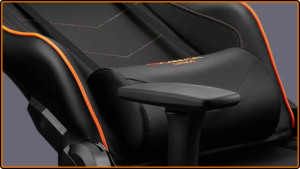
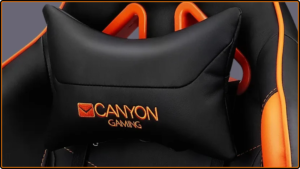
The backrest follows the traditional racing-style gaming chair silhouette, with a tall profile and moderately pronounced side bolsters. Importantly, these bolsters do not aggressively force the shoulders into a fixed position. Instead, they provide guidance rather than restriction, allowing the upper body to move naturally during use. This makes the chair suitable not only for gaming but also for tasks that require frequent posture changes, such as typing or creative work. Included lumbar and headrest cushions add a layer of adaptability to the backrest design. The lumbar cushion provides basic lower-back support, helping maintain spinal alignment during long periods of sitting. While it does not replace an integrated adjustable lumbar system, it is effective enough to reduce fatigue when positioned correctly. The headrest cushion supports the neck during reclined positions and relaxed postures, particularly during breaks. Both cushions are removable, allowing users to customise the setup rather than being forced into a single ergonomic configuration.
Adjustability and Ergonomic Control
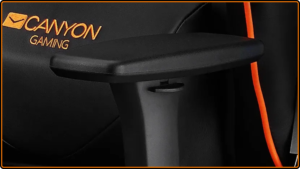
Adjustability is where the Deimos GC-4 demonstrates its strongest functional value. The reclining mechanism allows the backrest to move through a wide range of angles, and once locked into position, it remains stable without slipping. This gives users the freedom to shift between upright working positions and more relaxed postures without compromising support. The tilt resistance feels appropriately calibrated, offering controlled movement rather than sudden changes. The 3D adjustable armrests further enhance ergonomics. Height adjustment allows alignment with different desk heights, while forward and backward movement helps position the arms naturally relative to keyboard and mouse placement. The ability to angle the armrests inward or outward is particularly useful for reducing wrist and shoulder strain during long gaming sessions. While the armrest padding itself is firm, it provides consistent support without collapsing, which is preferable for maintaining proper arm positioning over time.
Mobility, Stability, and Daily Use
Mobility is handled by PU-coated casters that roll smoothly across a variety of surfaces. Movement feels controlled rather than loose, and the chair does not drift unintentionally when repositioned. This contributes to a sense of stability that remains consistent regardless of posture or recline angle. The overall weight of the chair also plays a role here, as it feels substantial enough to remain grounded without becoming cumbersome. In daily use, the Deimos GC-4 behaves predictably. Once adjusted, it does not require constant readjustment, and this lack of distraction is a key indicator of good design. The chair supports without drawing attention to itself, allowing users to focus on their activity rather than on discomfort or mechanical quirks. This reliability is often overlooked in reviews, but it is precisely what separates usable products from merely acceptable ones.
Limitations and Realistic Expectations
Despite its strengths, the Deimos GC-4 is not without limitations. The use of PU leather means thermal comfort can become an issue in warmer environments, particularly during extended sessions. Users sensitive to heat may need to compensate with room ventilation or breaks. Additionally, the lack of an integrated, adjustable lumbar mechanism limits fine-grained ergonomic control compared to higher-end chairs. The chair also does not offer advanced features such as synchronized tilt or dynamic back support, which are typically found in premium ergonomic seating. These omissions are expected at this price point, but they define the upper limit of what the GC-4 can offer. It is a chair designed to do many things well, not to excel in specialised ergonomic innovation.