
PREVIEW | FABLE: A CAREFUL REINTRODUCTION OF ALBION FOR A NEW GENERATION
The upcoming Fable is not trying to quietly slip back into relevance by leaning on nostalgia alone. This is a full reboot, a deliberate reintroduction of Albion as a modern fantasy world shaped by contemporary RPG design, current technology, and a new studio mindset. Developed by Playground Games under the publishing umbrella of Xbox Game Studios, the project immediately signals ambition. Playground is best known for technical excellence, fluid systems, and polished open worlds rather than traditional role-playing games, which makes this reboot especially interesting. Instead of mimicking the old formula piece by piece, the new Fable seems positioned to reinterpret what made the original series memorable: humor that cuts through fantasy clichés, a world that reacts to player behavior, and a tone that never takes itself too seriously, even when dealing with large themes like heroism, morality, and consequence.
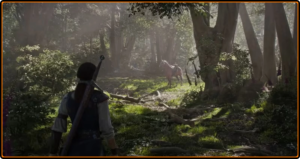
What stands out so far is that Microsoft has resisted over-explaining the game. Trailers and official material focus more on mood, character, and atmosphere than on raw mechanics. That restraint works in Fable’s favor. Albion appears vibrant, slightly absurd, and intentionally theatrical, a place where fairy-tale logic coexists with sharp British wit. This is important, because Fable without humor is simply another fantasy RPG, and everything shown so far suggests the developers understand that risk.
Tone, Humor, and World Identity
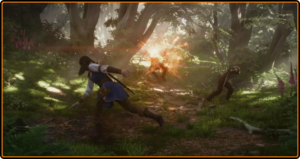
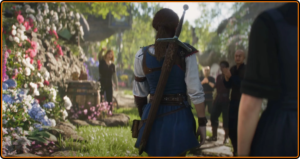
One of the clearest signals from early footage is tone. This version of Fable embraces exaggeration and contrast rather than gritty realism. Characters are expressive, sometimes awkward, sometimes unsettling, and often funny in ways that feel deliberate rather than forced. The humor shown does not rely on constant jokes but on presentation, timing, and the uncomfortable space between heroic fantasy and mundane reality. A giant hero confronting ordinary villagers, a fairy-tale creature treated like a pest problem these small tonal choices communicate more about Fable’s identity than any feature list could. Albion itself looks less like a static open world and more like a stage designed for interaction. Environments appear handcrafted rather than procedurally stretched, suggesting a focus on density over sheer size. This aligns well with Playground Games’ background, where world flow, visual clarity, and player readability are core strengths. While we do not yet know how deep player choice systems will go, the visual language implies a world that notices you, judges you, and possibly mocks you, which has always been central to Fable’s appeal.
A New Studio, Familiar Expectations
The shift from Lionhead to Playground Games is not a small footnote; it is the defining question around this reboot. Playground has never shipped a traditional RPG, but it has repeatedly demonstrated mastery over complex systems, environmental storytelling, and long-term player engagement. That experience could translate well into a modern Fable, especially if the RPG elements are designed with clarity rather than overwhelming complexity. There is reason to believe this Fable will prioritize accessibility and expression over stat-heavy micromanagement, keeping decisions meaningful without turning them into spreadsheets. At the same time, uncertainty remains. Combat has only been teased, progression systems are still largely unknown, and the scope of moral choice has not been clearly defined. These gaps prevent any confident claims about depth or replayability. However, for a preview, that uncertainty is acceptable and even healthy. What matters at this stage is direction, and the direction appears coherent, confident, and respectful of the series’ legacy without being trapped by it.